Flyte Aviation Congratulates Cirrus Aircraft on Vision Jet's 10th Anniversary, Plans Fleet Expansion
Why It MattersA small charter operator building its regional model around a single light-jet type shows how fleet commonality, utilization and repeat bookings now drive the economics of entry-level private jet service.
What happened
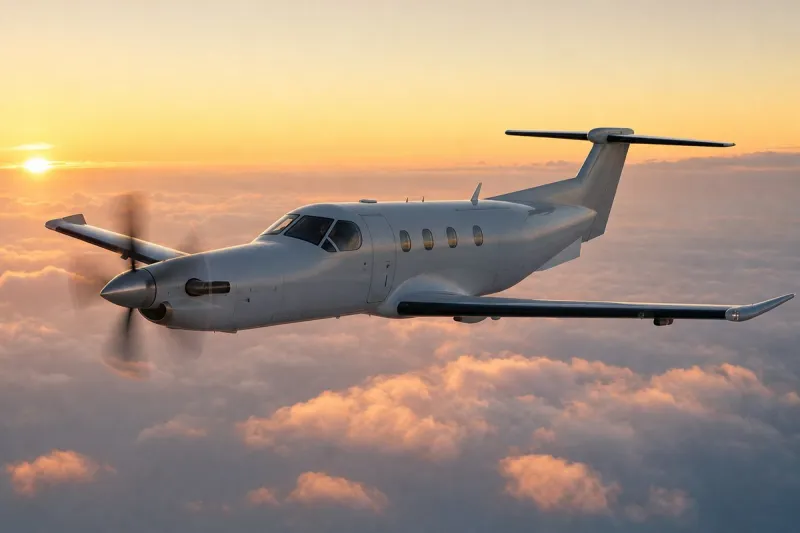
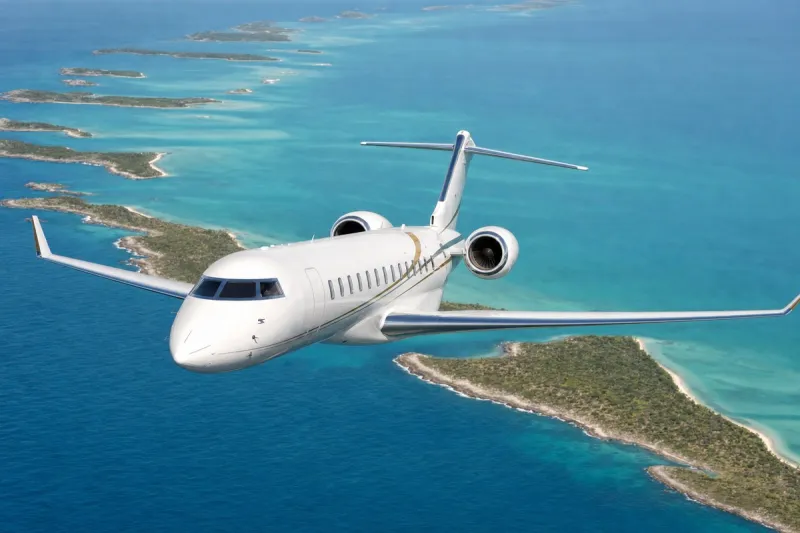
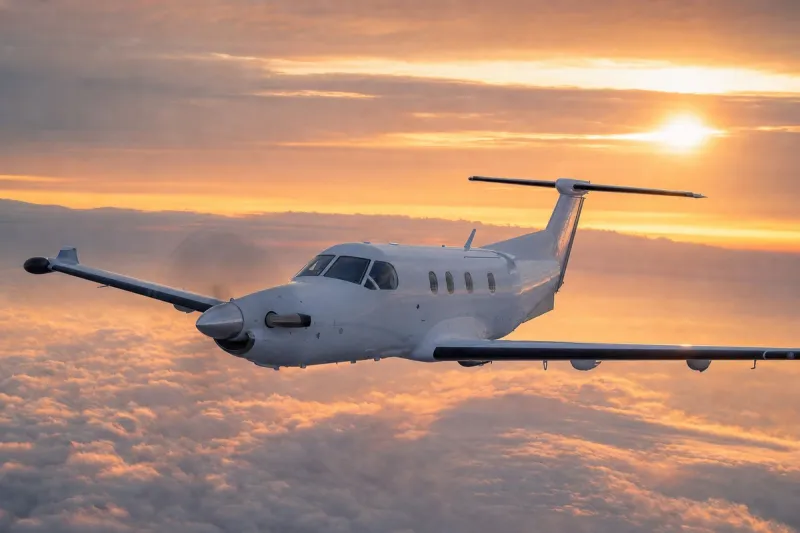
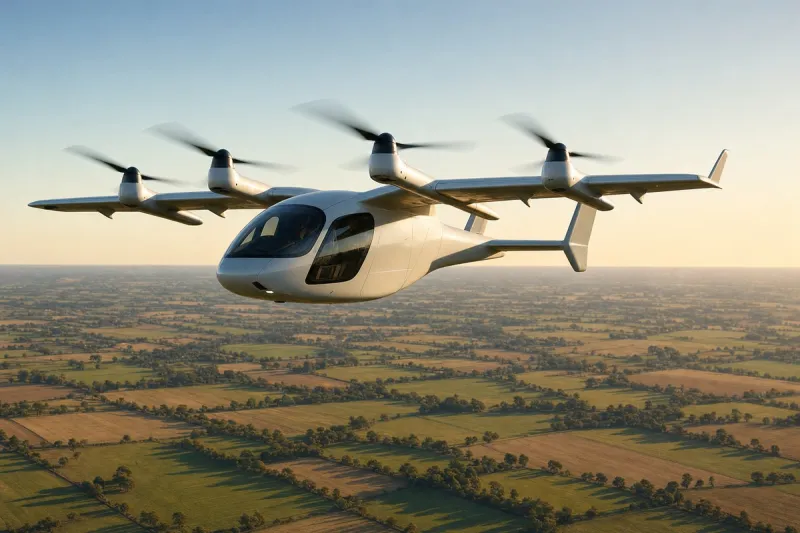
Flyte Aviation (NYSE American: VJET), which describes itself as one of the nation's largest operators of Cirrus Vision Jets, congratulated Duluth, Minnesota-based Cirrus Aircraft on the Vision Jet's 10th anniversary and on more than 800 new aircraft deliveries worldwide. The Vision Jet received Federal Aviation Administration (FAA) Type Certification on October 28, 2016. It combines single-engine efficiency, advanced avionics and the Cirrus Airframe Parachute System (CAPS), an integrated parachute for the entire aircraft.

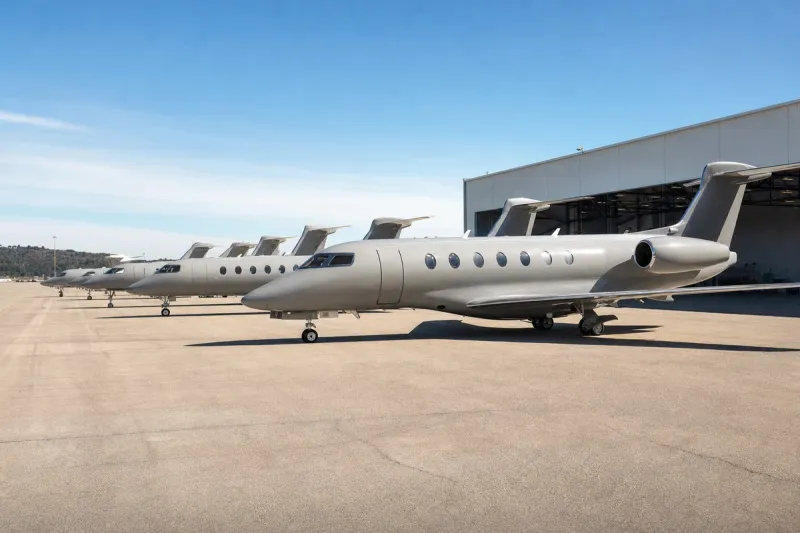
Flyte currently operates five Vision Jets and plans to increase its fleet to eight, with an intention to double it to ten, in the first quarter of 2027. The company provides regional private air travel for one to four passengers, with service along the East Coast and international service to Canada and the Bahamas. Florida is its strongest market, and California service is planned to begin in the first quarter of 2027.
Flyte Chairman and Chief Executive Officer David Jenkins said the company built its regional private aviation strategy around the aircraft because of its safety, efficiency, technology and passenger experience, and that its business model centers on turning those advantages into more bookings, stronger aircraft utilization and repeat business. The company said the planned fleet expansion is expected to generate increased revenue, aircraft availability and broader regional coverage.
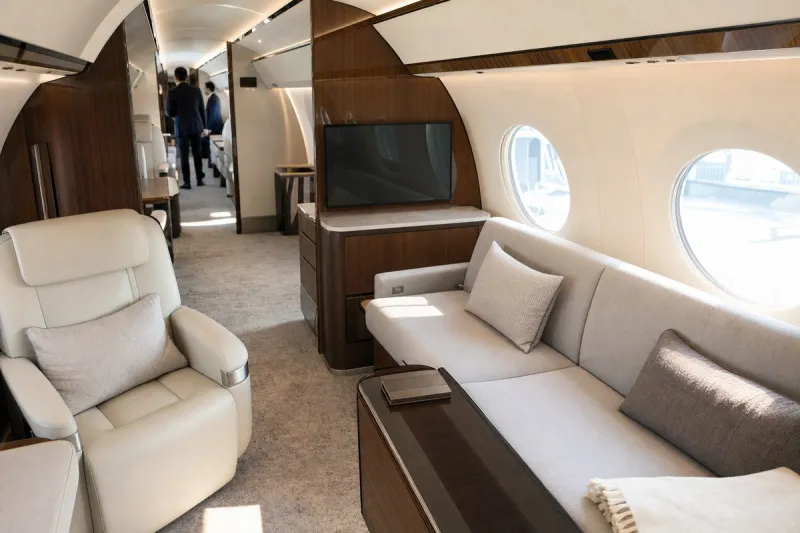
Cirrus's own history notes that the Vision Jet was the first jet built by a single-engine piston aircraft company to be certified in more than 40 years, won the 2017 Robert J. Collier Trophy, and that its Safe Return autoland system won the 2020 Collier Trophy. The G3 Vision Jet features a reimagined interior with seating for six adults and ATC Datalink.
Industry impact & what to watch
An operator that standardizes on one light jet type gains a simple cost and scheduling structure: one training pipeline, one parts and maintenance profile, and interchangeable aircraft across routes. That is the logic behind Flyte tying its strategy to a single airframe, and it is a common route for smaller charter brands trying to reach scale without a mixed fleet.
The segment Flyte targets, one to four passengers on regional legs, is where a single-engine jet competes against turboprops, light twins and premium airline options. Utilization is the number that decides whether that works, which is why the CEO framed the plan around bookings and repeat customers rather than aircraft count alone.
The milestone to follow is the first quarter of 2027, when Flyte says the fleet is meant to reach eight aircraft and California service is meant to begin. The company's own forward-looking statements point to aircraft acquisition and financing availability as risks, so delivery of those additional aircraft is the step that will show whether the expansion holds.