University of Iowa's Operator Performance Laboratory Opens New Hangar Detachment at Eastern Iowa Airport
Why It MattersUniversity flight-test labs placed beside an airport hub tie research capacity to regional aerospace hiring, so state economic-development money increasingly funds shared hangar infrastructure as workforce and industry-access policy.
What happened
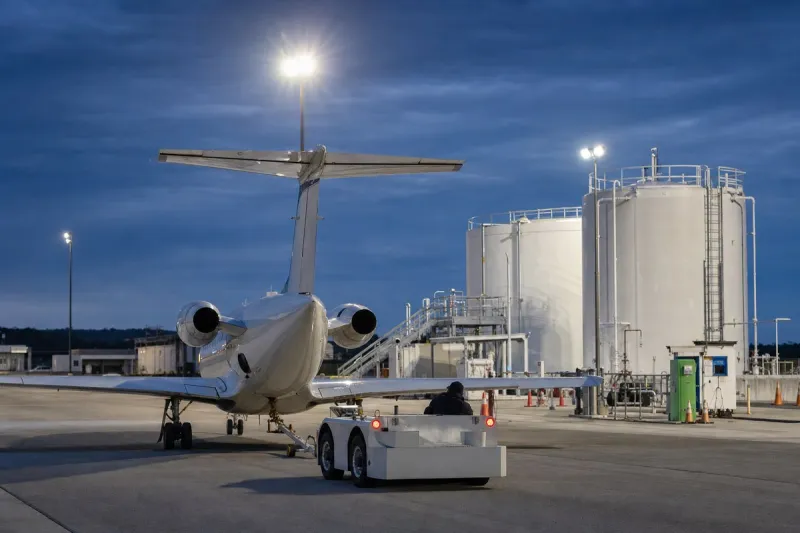
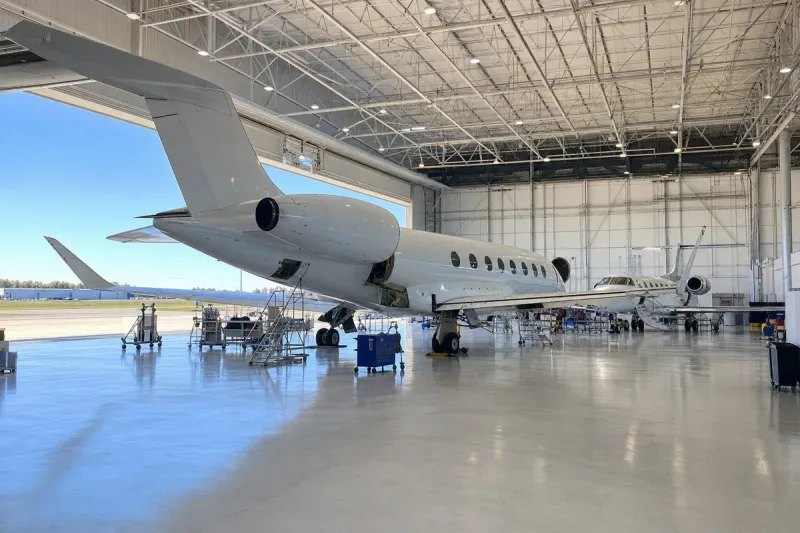
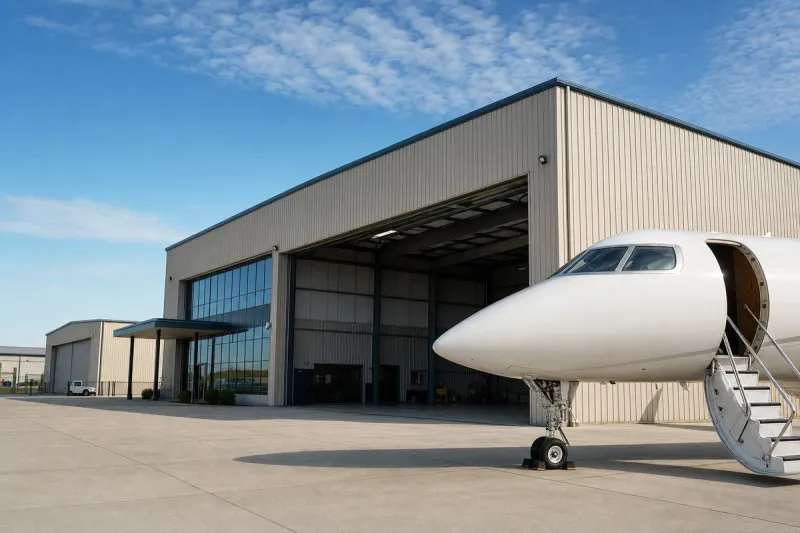
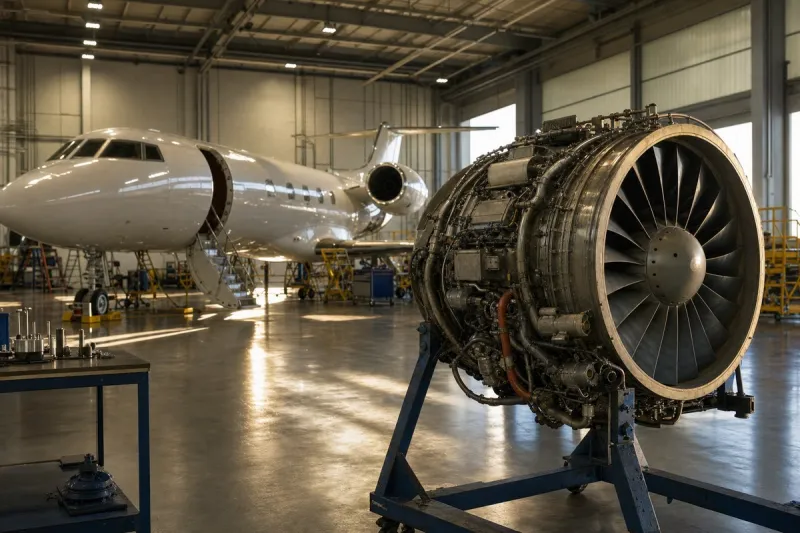
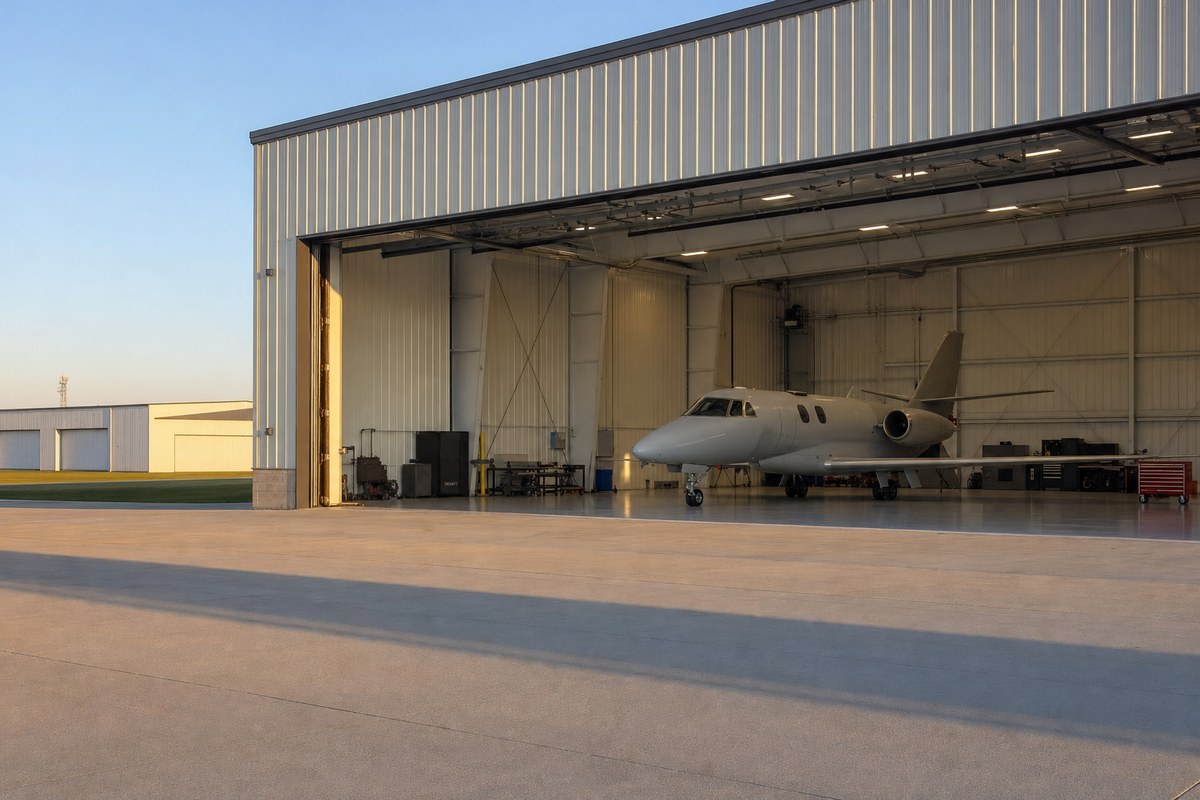
The University of Iowa's Operator Performance Laboratory (OPL), an aerospace research and flight-testing laboratory, has opened a new detachment at Eastern Iowa Airport. The additional hangar facility expands its research and flight-testing capabilities and brings university researchers, students and industry partners closer together. It was made possible through support from the University of Iowa, the Iowa Economic Development Authority (IEDA) and CID, and the laboratory sits within the Ascentus Aerospace Hub.
OPL was founded in 1998 by Tom "Mach" Schnell, the Captain Jim "Max" Gross Chair in Engineering and a UI industrial and systems engineering professor. Schnell serves as OPL's director and chief test pilot and as director of the Iowa Technology Institute. The laboratory has secured more than $43 million in external funding and completed more than 453 research projects, working in aviation safety, human performance, autonomy, advanced sensors, flight testing and human-autonomy teaming for industry customers and government agencies across the country.
Speakers at the announcement described the expansion as an investment in Iowa's future, creating opportunities for graduates and helping develop the skilled workforce the state's growing aerospace industry needs. Marty Lenss, president and CEO of CID and Ascentus, spoke at the event, as did Debi Durham, director of the Iowa Economic Development Authority and Iowa Finance Authority, and Kevin Kregel, executive vice president and provost at the University of Iowa. Ann McKenna also addressed the gathering. The facility gives undergraduate and graduate students experiential learning through hands-on involvement in flight testing, data analysis and aerospace research projects.
Industry impact & what to watch
A flight-test laboratory moving into hangar space at a commercial airport, inside an aerospace hub, reflects how university research capacity is being positioned next to the places where industry already operates. For small and mid-sized aerospace clusters, proximity matters because it shortens the path between a research question, a test aircraft and a customer who wants the data.
The funding structure is part of the story. A university, a state economic-development authority and a regional development organization each backed the hangar, which is a common template for building shared test infrastructure that no single employer would finance alone. Speakers framed the payoff mainly as workforce: students who work on flight testing and data analysis as part of their degrees enter a labor market that regional aerospace employers say they need to fill.
The measure of the expansion will be visible in OPL's own track record, which already includes more than $43 million in external funding and more than 453 projects. Whether the added hangar raises that project count, and how many of the resulting students stay in Iowa's aerospace workforce, are the figures that will show whether the investment performs as its backers describe.