FBOs Weigh Investments in SAF, Electric Charging and Unleaded Avgas as Industry Targets Net-Zero by 2050
Why It MattersFuel and charging infrastructure decisions at FBOs will determine how quickly alternative energy reaches business-aviation airports, with SAF supply and logistics the main near-term constraint for the existing fleet.
As the business aviation industry pursues its commitment to net-zero carbon emissions by 2050, FBOs are weighing investments in new fuels, electrical infrastructure and operating practices. Clay Lacy Aviation and Ann Arbor, MI-based fuel supplier Avfuel Corp. are among the companies preparing for the transition. Most FBOs still depend on Jet A, while sustainable aviation fuel (SAF) is available at selected locations; limited supplies, costs and policy uncertainty constrain broader adoption. SAF typically provides a 50%-to-80% reduction in lifecycle carbon emissions compared with fossil fuels.
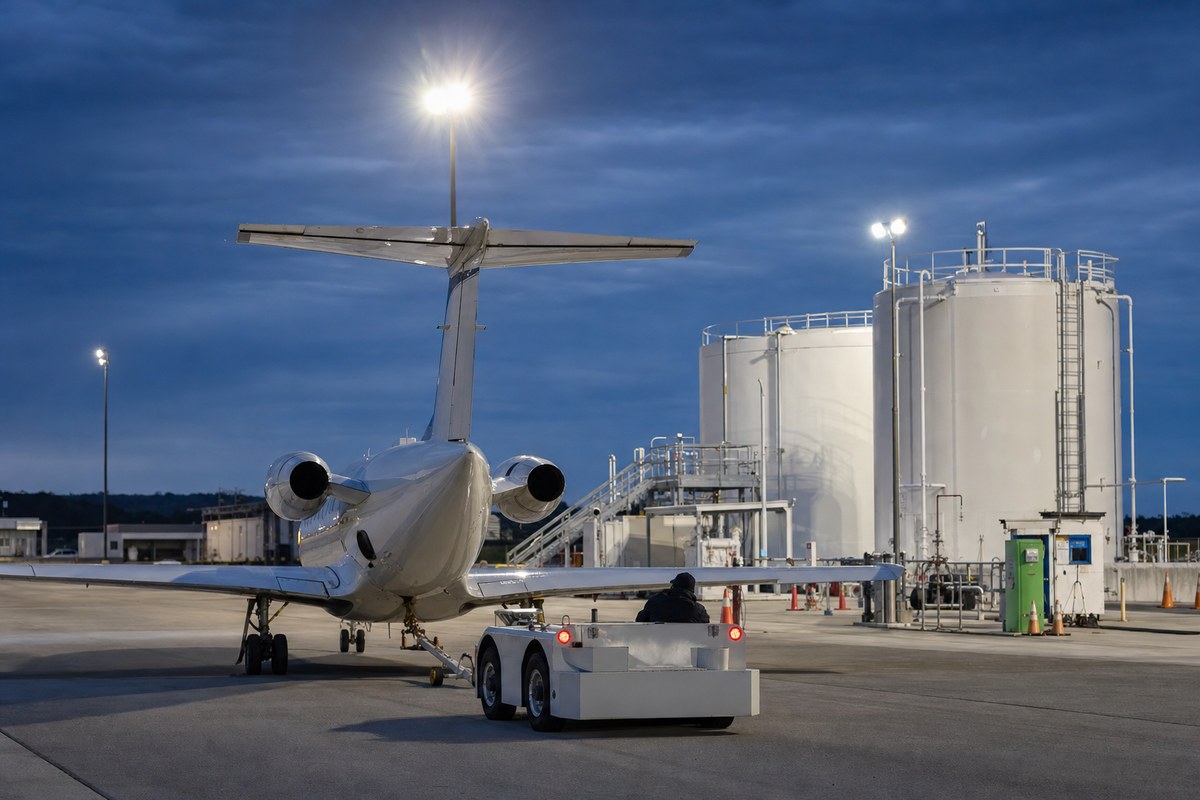
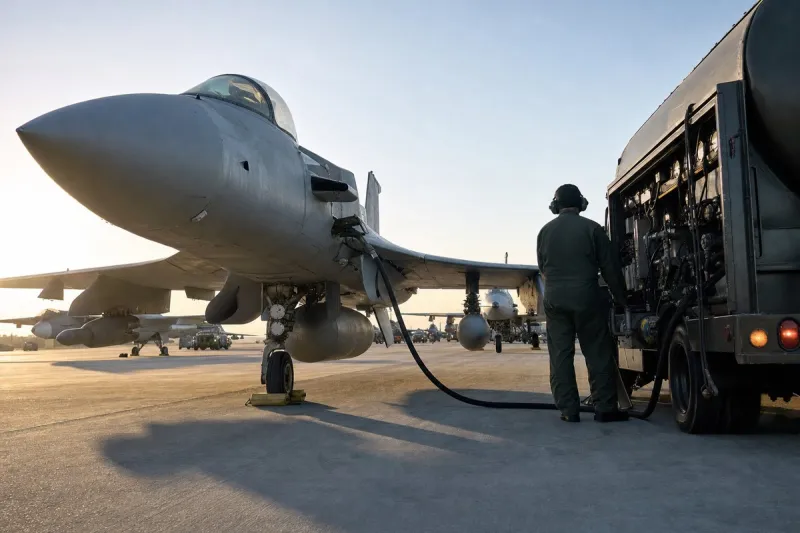
Scott Cutshall, president of Clay Lacy Aviation Properties & Sustainability, described SAF as a true drop-in fuel that needs no additional infrastructure or equipment to receive, inventory, transport or deliver into an aircraft's wing. Jonathan Boyle, Avfuel's vice president of sales, contract fuel and bulk fuel, said FBOs generally can use existing jet-fuel storage and dispensing systems. According to Boyle, what is changing is the supply chain and operational coordination, as FBOs, fuel suppliers and operators pay closer attention to SAF availability, logistics and chain-of-custody tracking. Boyle called SAF the most practical and scalable solution for reducing lifecycle emissions from today's fleet, with priorities of increasing production capacity, improving supply consistency and expanding access across more airports.
Electric aircraft present different challenges. FBOs must assess high-capacity charger requirements, coordinate with utilities, secure funding and place equipment where it will not interfere with ramp operations. Cutshall said Clay Lacy believes electric aircraft of various sizes will be a regular presence at FBOs in the future, and that FBOs should begin installing charging infrastructure now by assessing first-generation electric aircraft power needs, working with utilities to secure capacity, and investing in cabling, switchgear, transformers and other infrastructure. Electric vertical takeoff and landing aircraft and other alternative propulsion technologies remain in early stages at selected locations.
The shift away from leaded aviation gasoline poses another infrastructure challenge, because unleaded fuels require storage separate from 100LL. UL94 has reached some airports, but the industry continues to work toward a broadly accepted high-octane replacement. Boyle said the focus will remain on identifying and scaling a long-term unleaded solution that can safely serve the existing piston fleet, and that Avfuel supports the industry's initiative to meet that goal by 2030. Cutshall said demand for SAF and electric charging is in the hands of consumers.