Business Jet Makers Court Asia's Wealthy as Global Private Flights Hit About 3.7 Million in 2025
Why It MattersBusiness jet economics rest on scarce, high-margin aircraft plus parts and support revenue, so growth in wealthy Asian buyers pulls manufacturers toward the region while sustainability pressure on private flying intensifies.
What happened
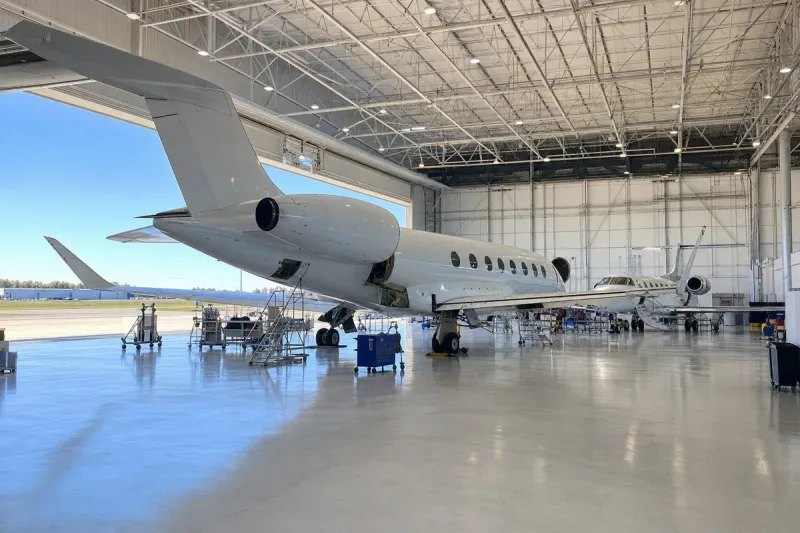
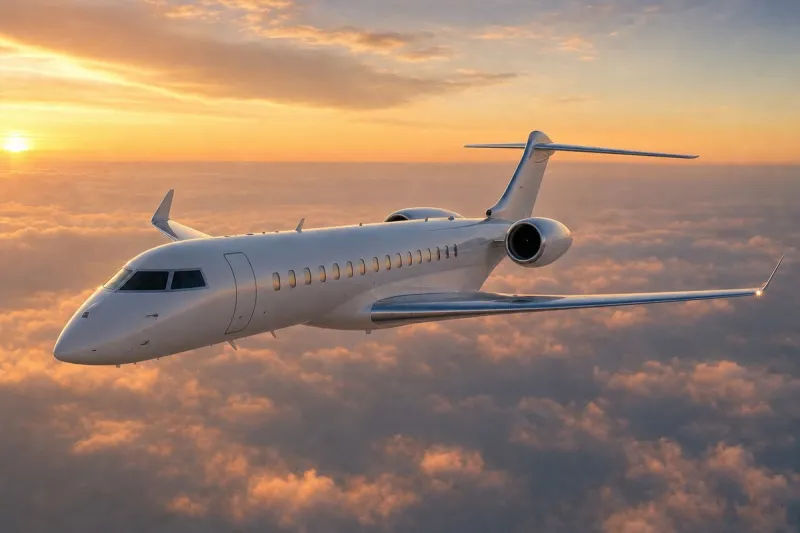
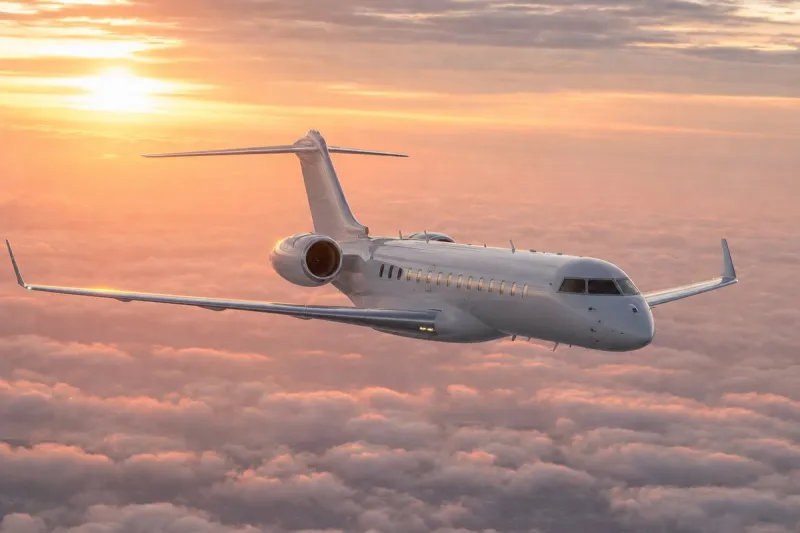
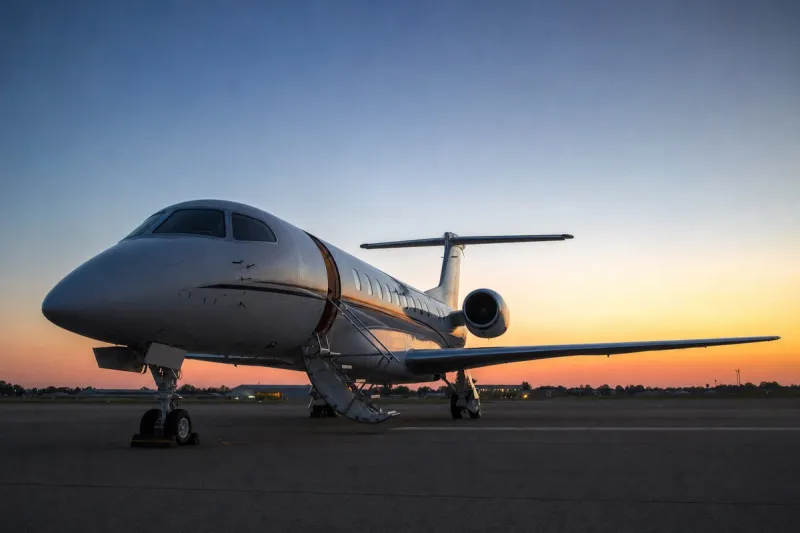
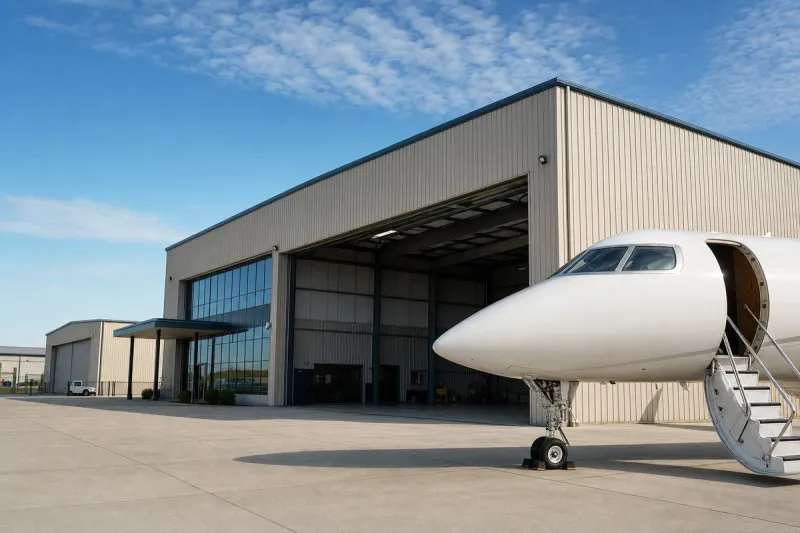
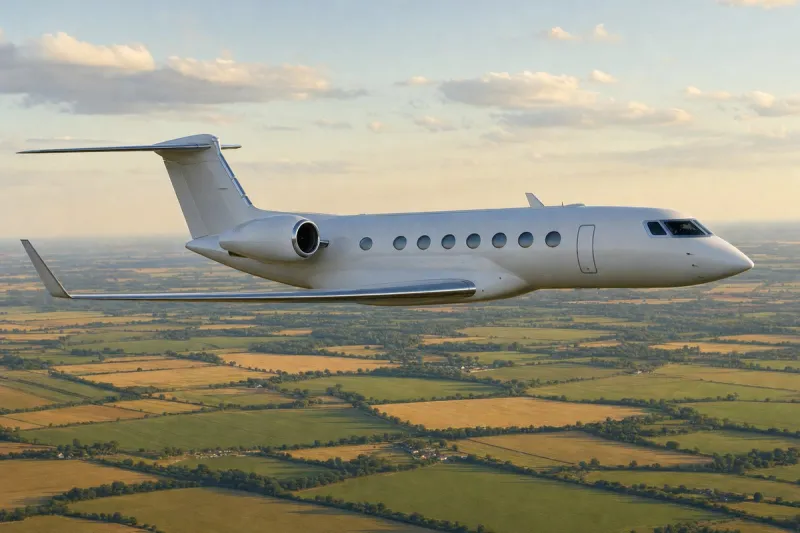
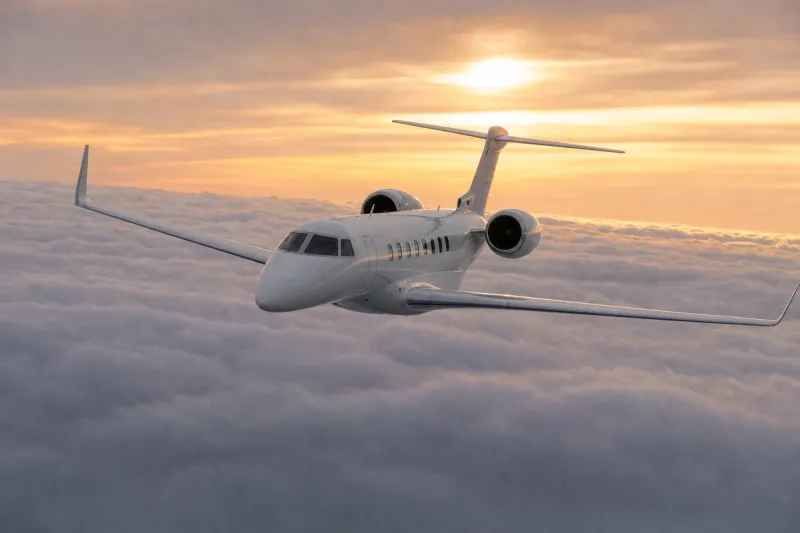
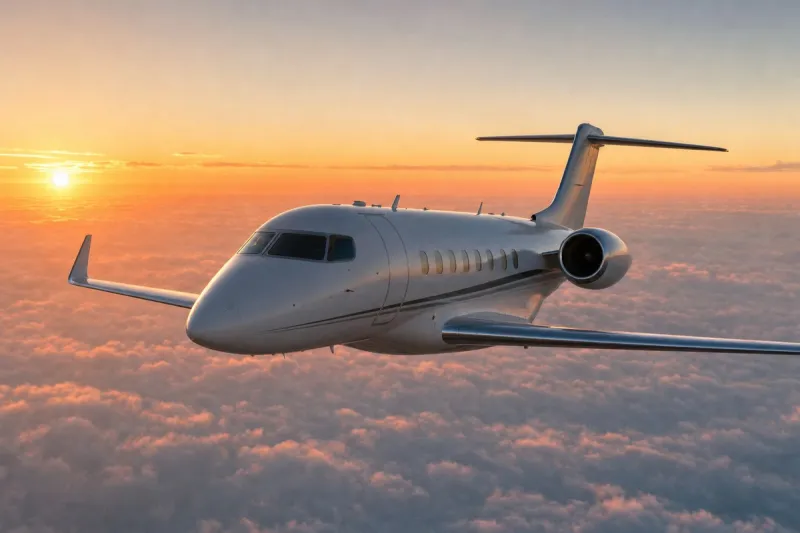
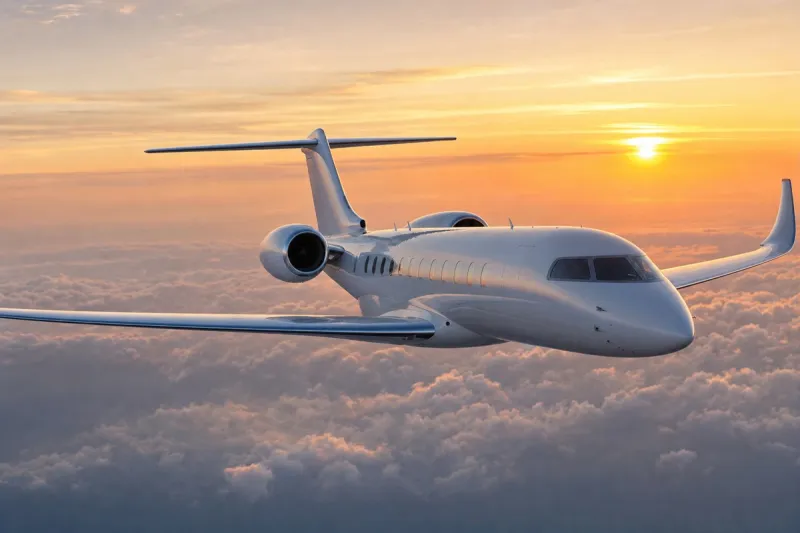
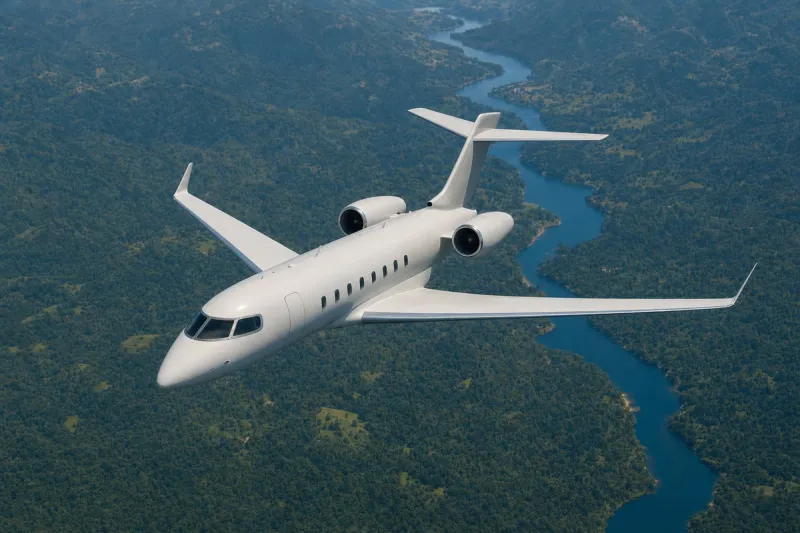
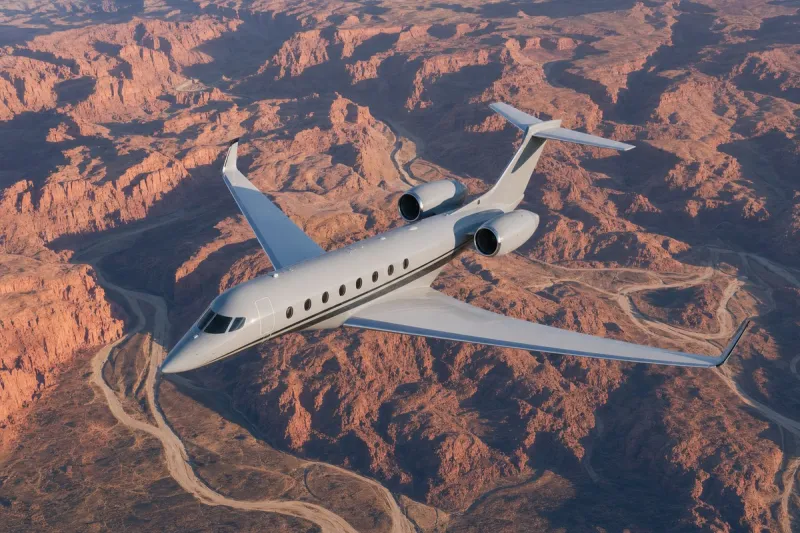
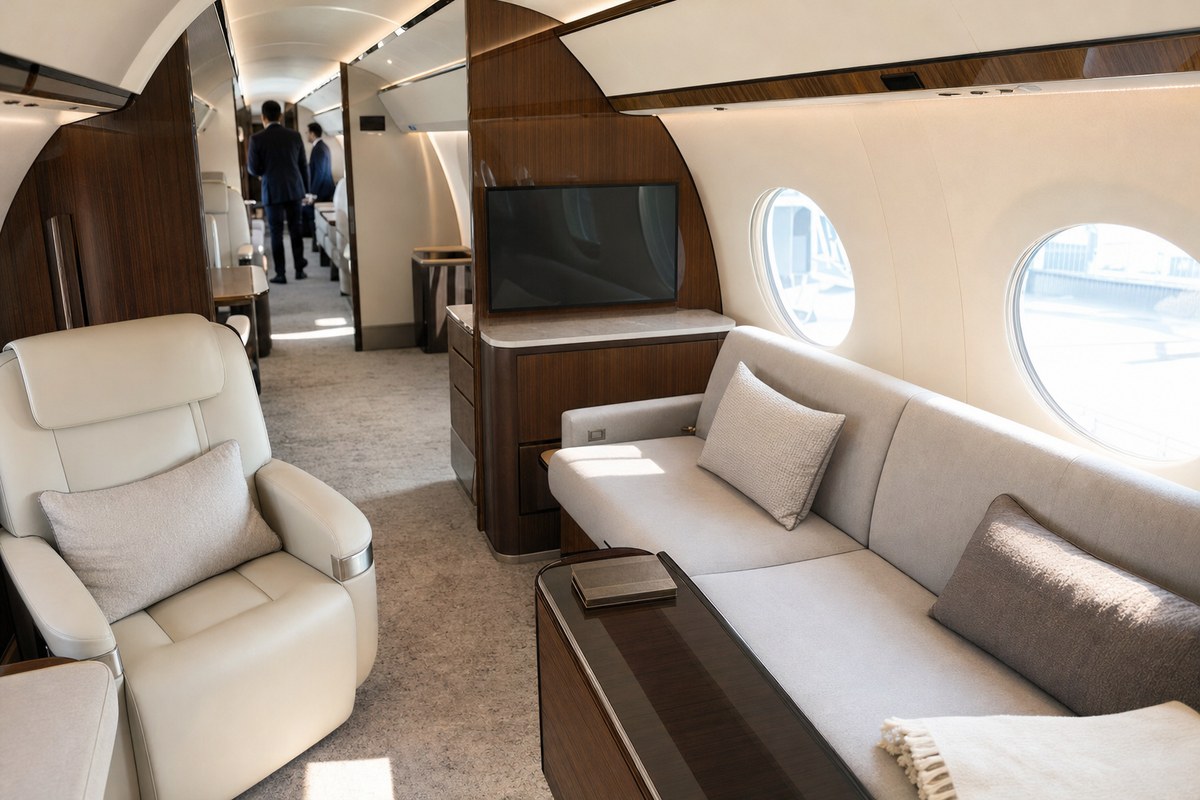
A G700 business jet drew crowds of visitors for cabin tours at the Singapore Airshow, Asia's largest aviation and defence trade fair, and sales talks with prospective buyers were taking place inside the aircraft. Its cabin has panoramic windows, light-toned seats, polished wood veneer, a living area with a sofa and TV console, and a rear "grand suite" with a shower.
Global private jet trips reached roughly 3.7 million in 2025, up 5% from 2024 and about 35% above 2019. Between 2020 and 2025, the number of people with a net worth above $30 million rose by more than 70%.
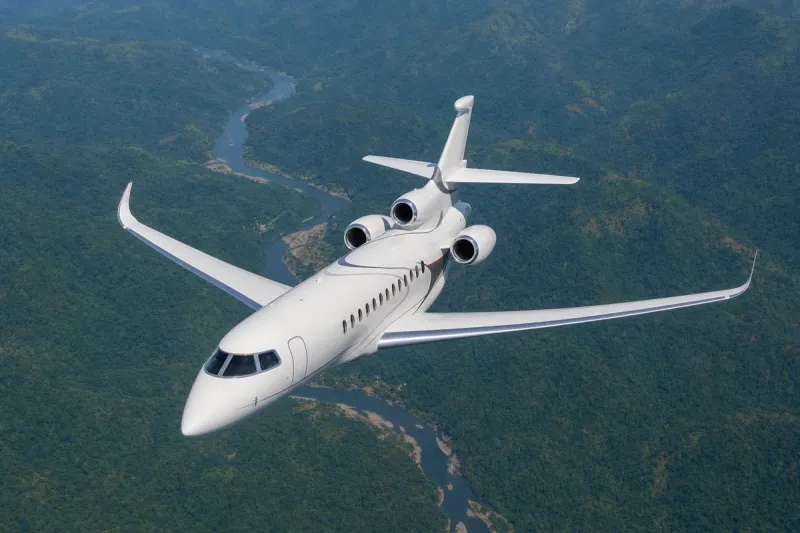
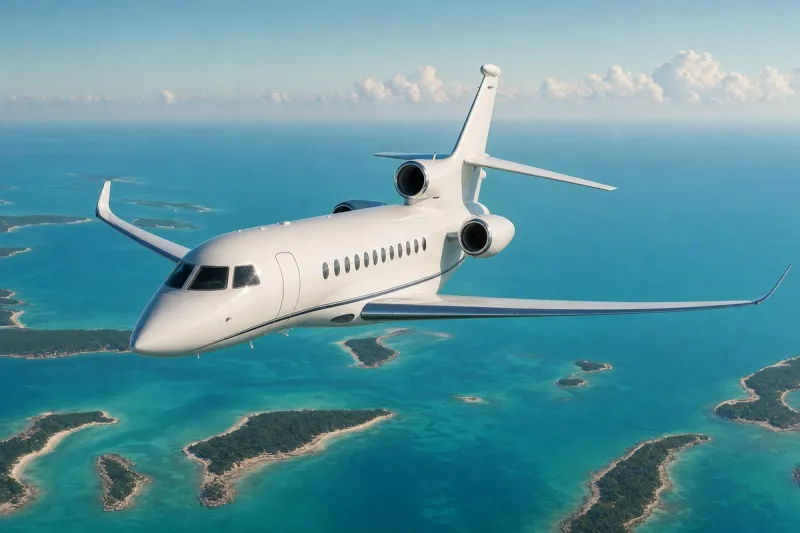
France's Dassault Aviation is promoting its Falcon jets, saying technology from its combat aircraft improves business-jet capability. Executives say buyers, including businesses, official entities and high-net-worth individuals, prioritise productivity and reduced fatigue over opulence. Makers market lower cabin pressure altitude and reduced noise.
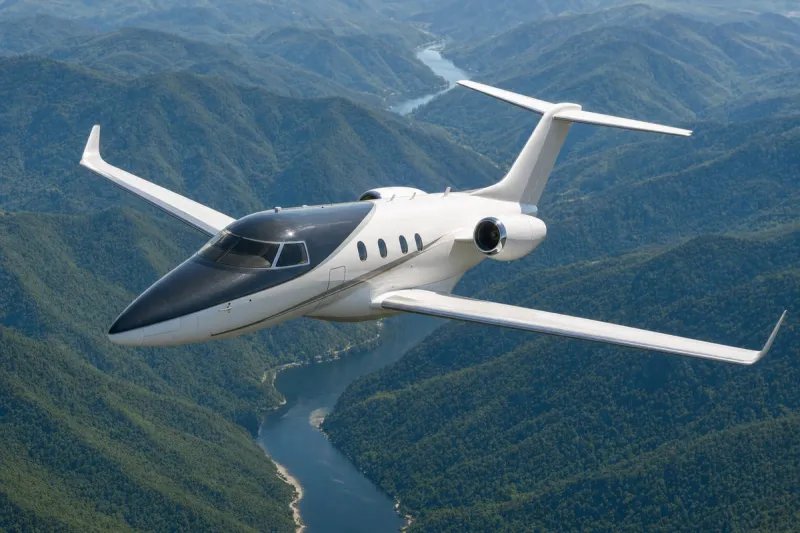
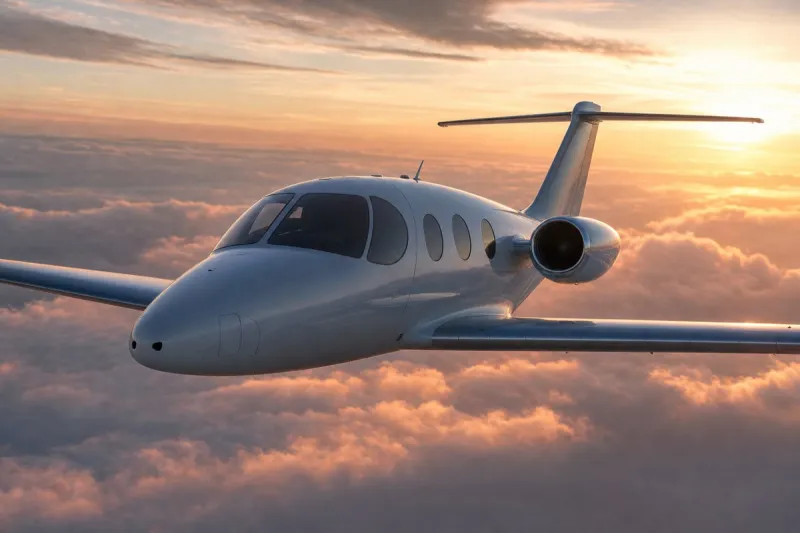
Cross-border travel in Asia-Pacific grew 8% in 2025 against 6.8% globally, and airlines have added more than 600 routes since 2015. A sales head said Southeast Asia is seeing strong growth, with more aircraft being delivered to the region. Compact jets can serve smaller airfields in countries such as Indonesia and the Philippines. China's market, once Asia's largest private-jet fleet, has slowed, though executives expect a rebound as Chinese firms expand abroad. Asia-Pacific remains far smaller than the US, which accounts for about 70% of global business aviation.
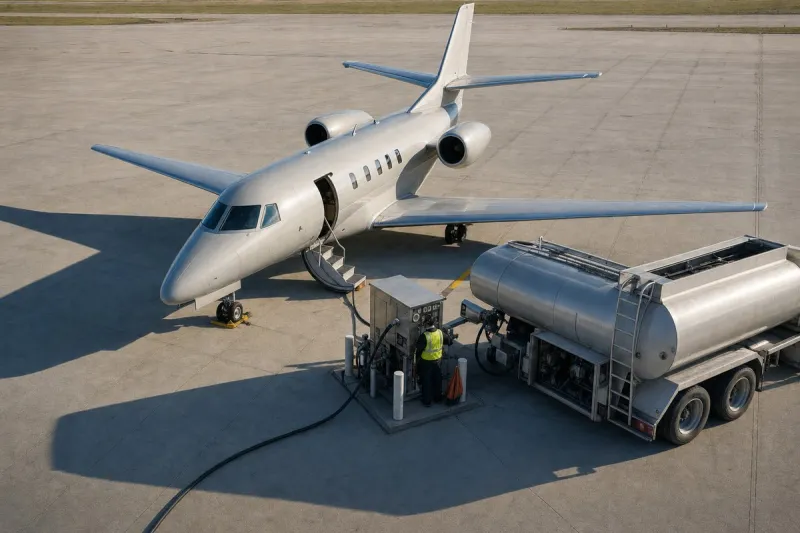
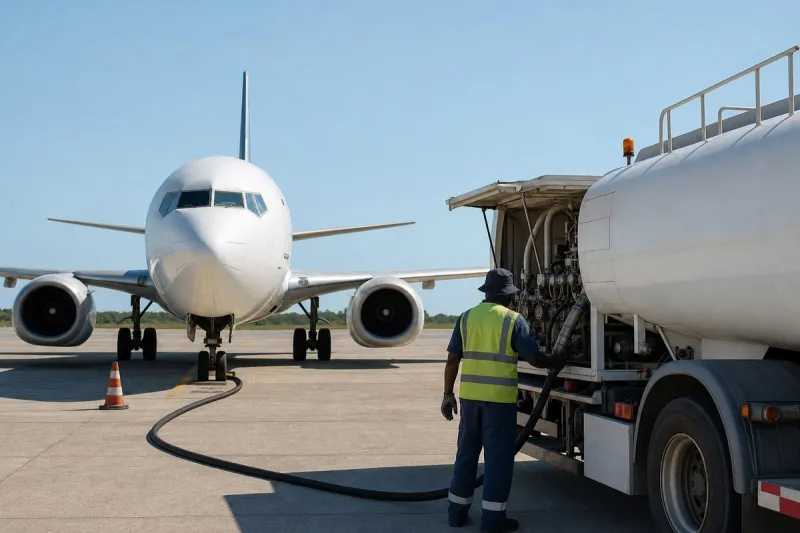
Critics argue that focusing on affluent clients diverts attention from the mass market and does not ease aircraft makers' supply chain problems, and that private jets are among the most polluting forms of travel. One maker says its latest models can fly on 100% sustainable aviation fuel (SAF), while another supports a blend; SAF supply is limited and costs far more than kerosene. One executive said fuel burn for a similar mission has fallen 35% in a single aircraft generation.
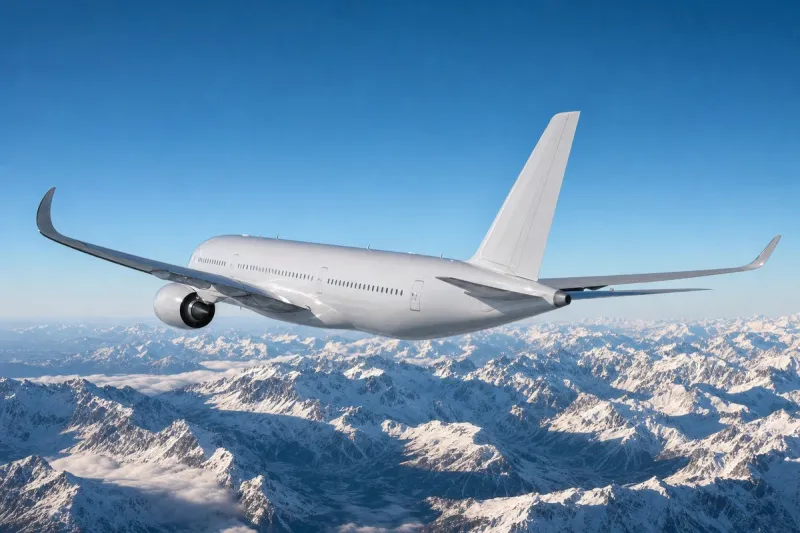
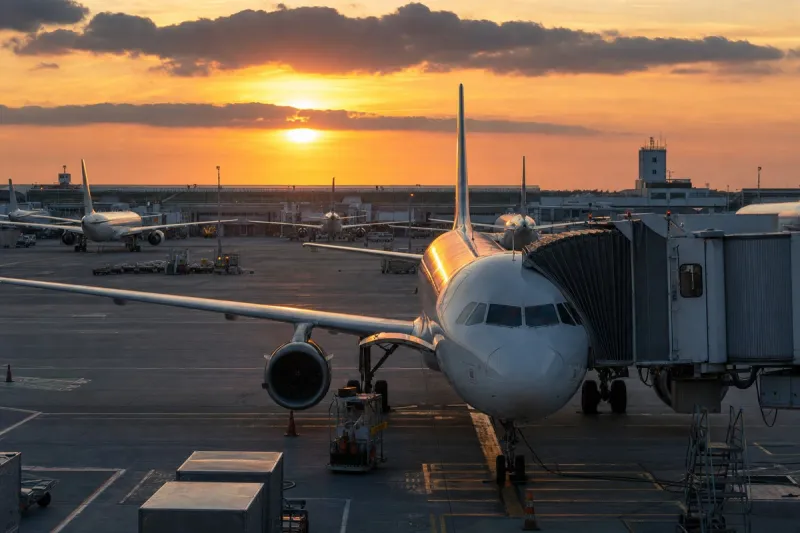
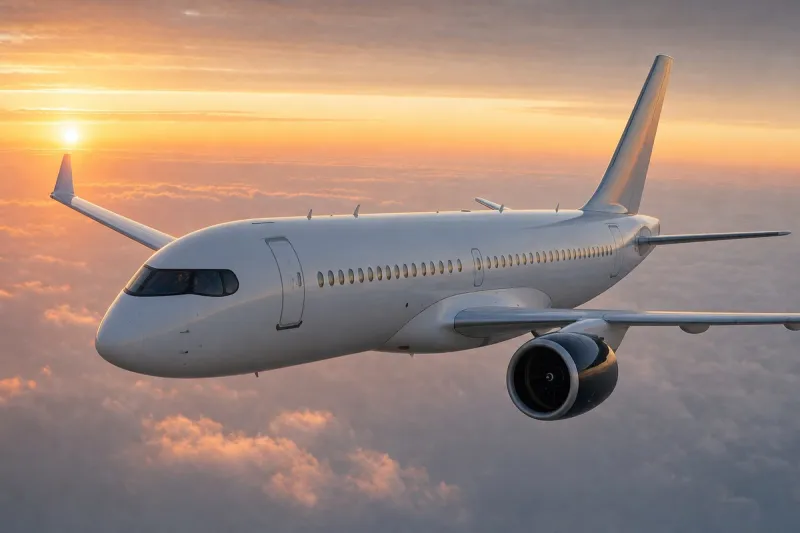
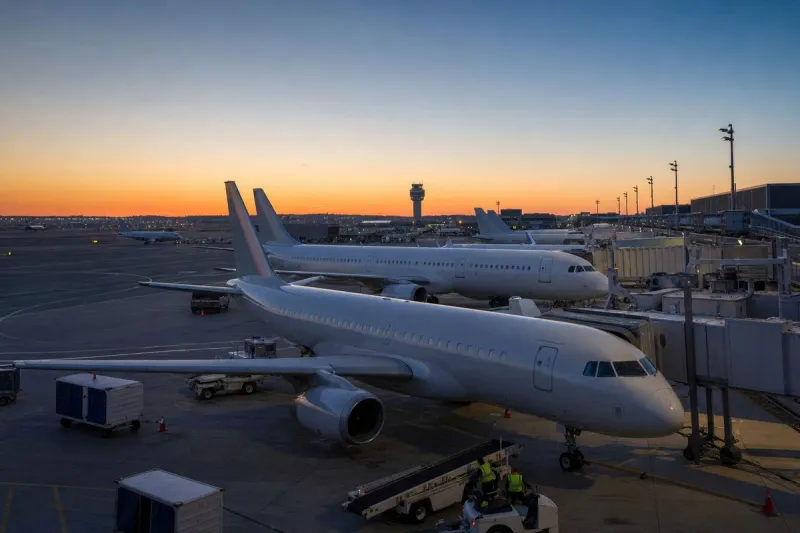
Commercial airlines are also moving upmarket. An Asian carrier that bills itself as a luxury airline has enlarged its first, business and premium economy cabins and showed the upgrades on its Airbus A350-1000 at the Singapore Airshow, with 4K screens and wider seats.
Industry impact & what to watch
The economics explain the push. Airlines typically earn only about 2% to 4% above expenditure, while business jets are built in limited numbers at high cost and generate further revenue through support, parts and maintenance programmes. A rising population of very wealthy individuals in Asia, combined with expanding cross-border travel, gives manufacturers a reason to spend sales effort at regional shows rather than relying on the US, which still accounts for about 70% of global business aviation.
The region is not uniform. Southeast Asia is described as growing strongly, with compact jets suited to smaller airfields in Indonesia and the Philippines, while China, once Asia's largest private-jet fleet, has slowed. Executives tie a Chinese rebound to Chinese firms expanding abroad, so that segment's recovery depends on corporate activity as much as on individual wealth.
Environmental scrutiny runs alongside the sales pitch. Fuel burn per similar mission has fallen 35% in a single aircraft generation and some makers cite SAF capability, but SAF supply is limited and costs far more than kerosene. How much of the 3.7 million annual trips can actually use SAF will shape whether the sustainability argument softens criticism of private flying.