Private Jet Charter Rates in 2026 Range From About $2,000 to Over $20,000 Per Hour, With Fees and Demand Shifting Final Costs
Why It MattersCharter pricing works as a stack of base rate, taxes, fees and demand surcharges, so empty-leg discounts and passenger count move effective cost more than the advertised hourly figure does.
What happened
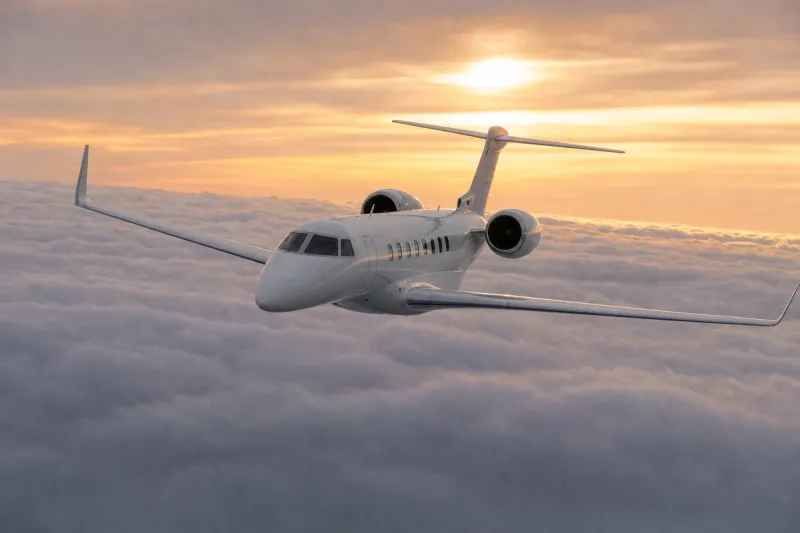
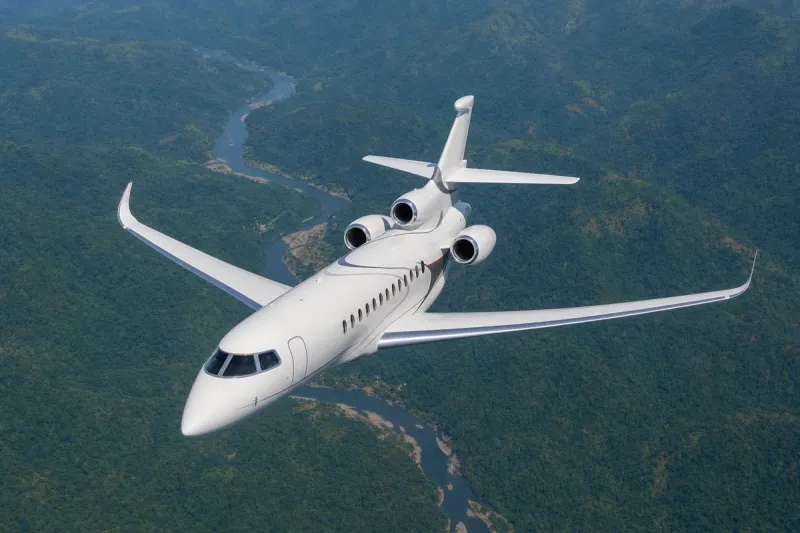
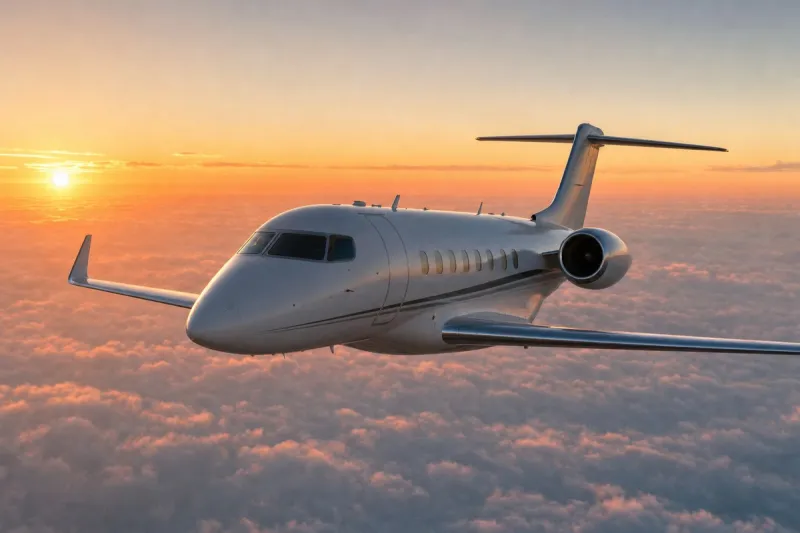
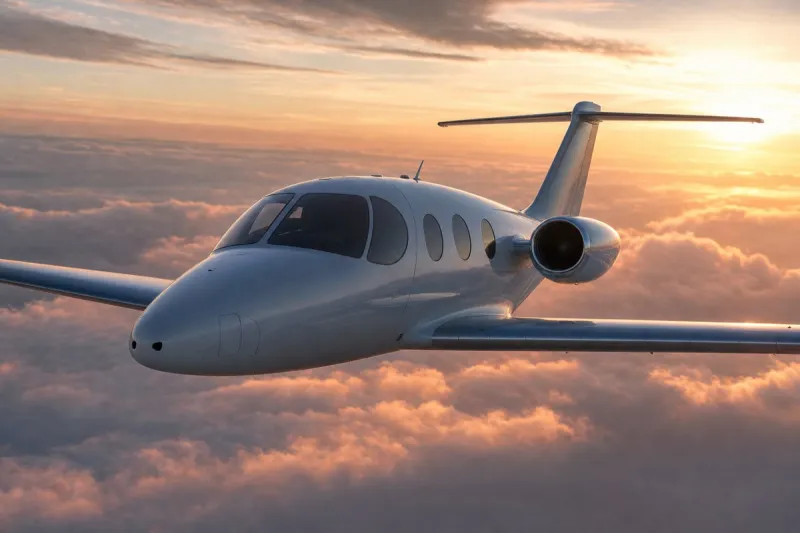
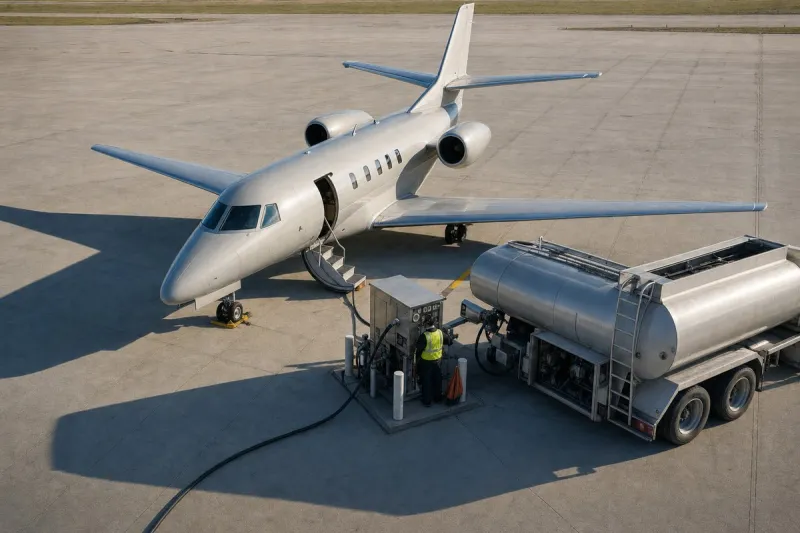
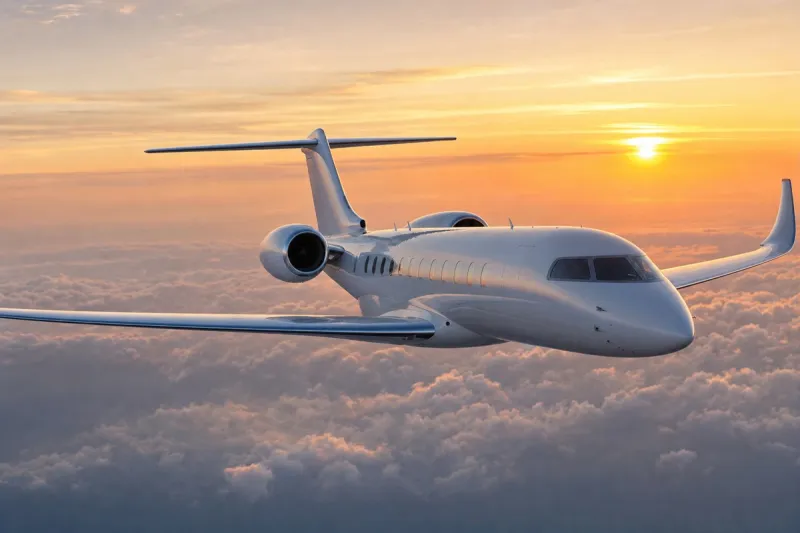
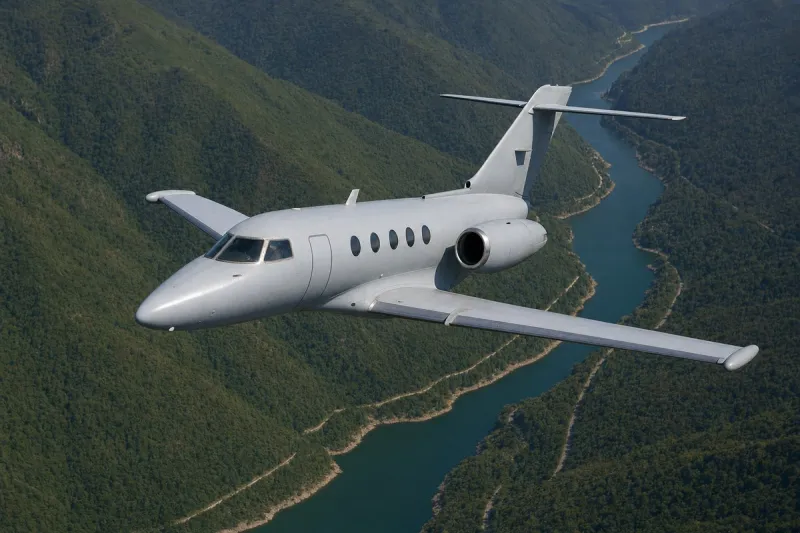
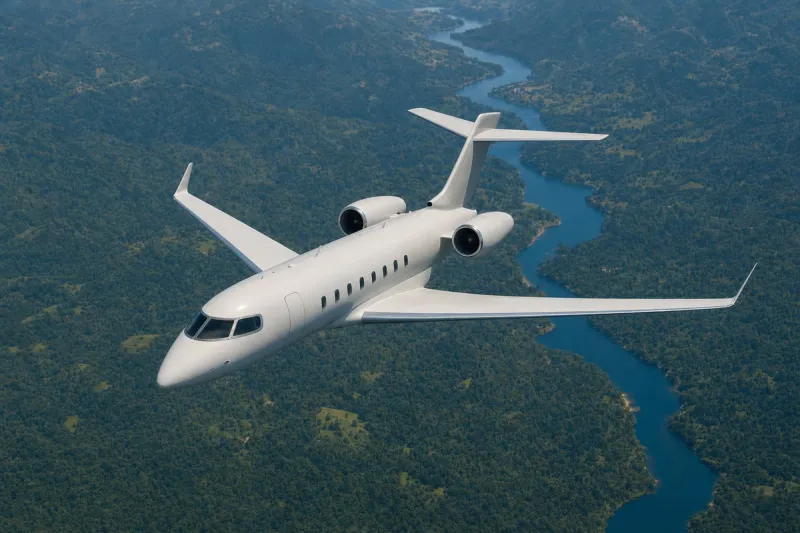
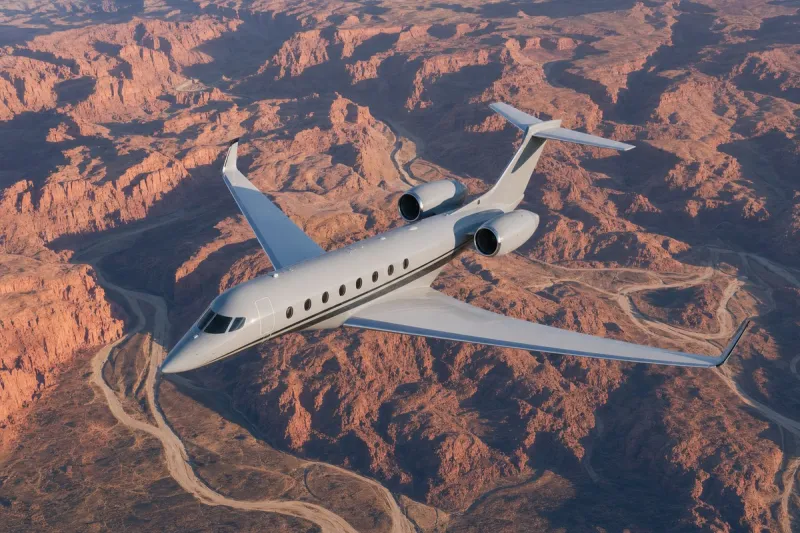
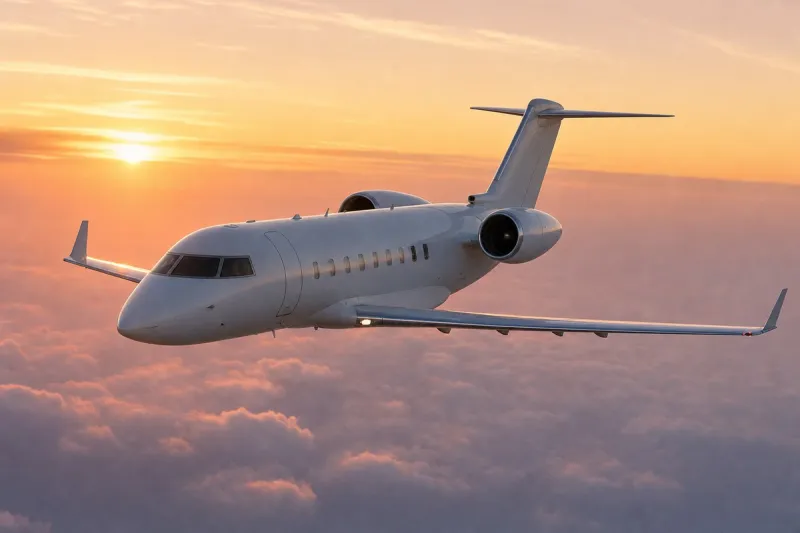
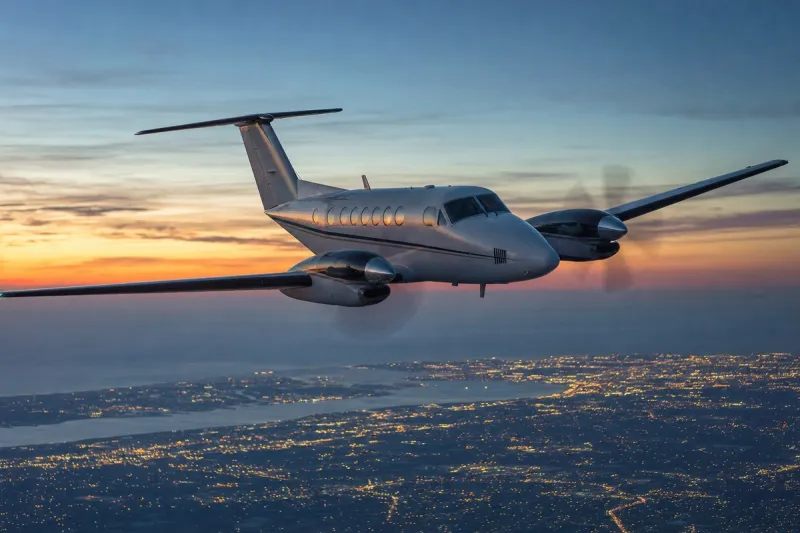
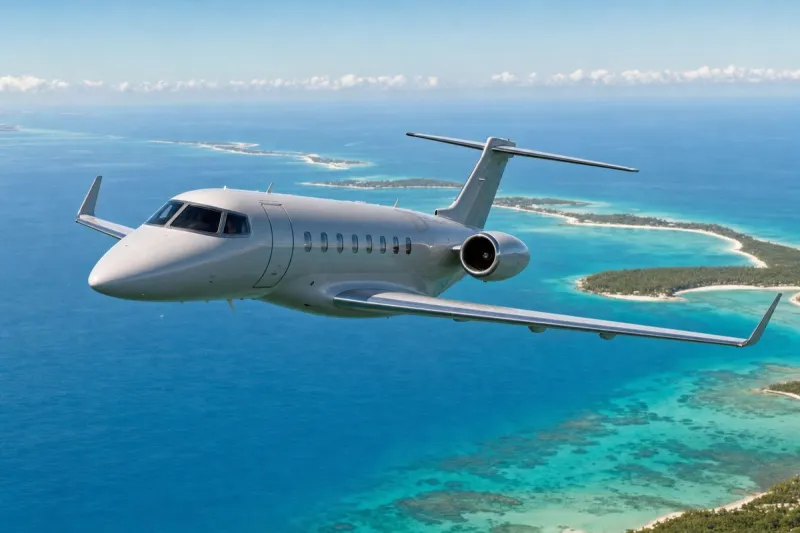
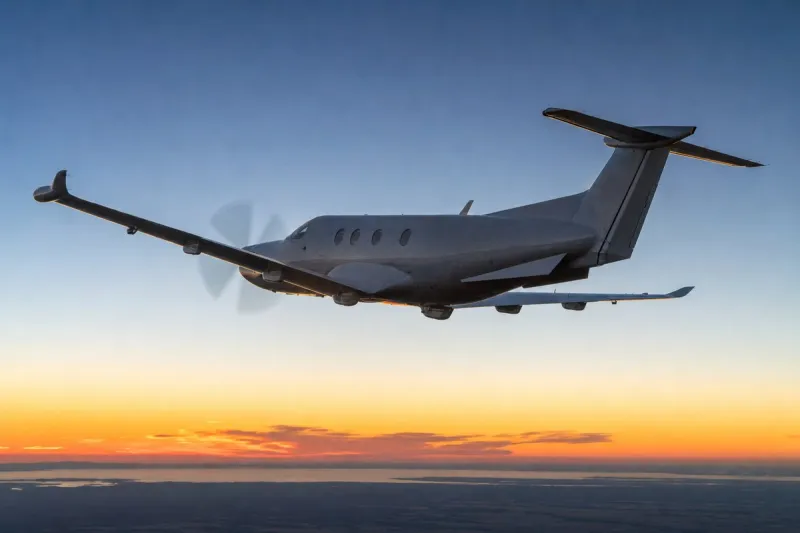
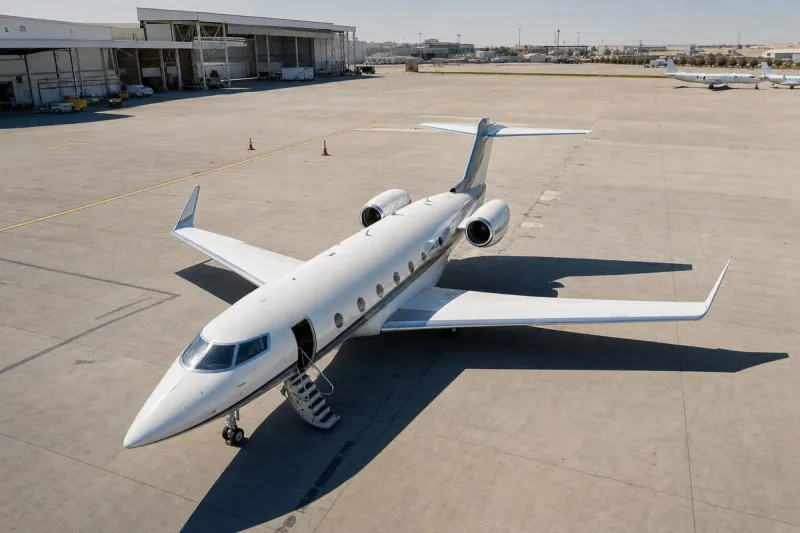
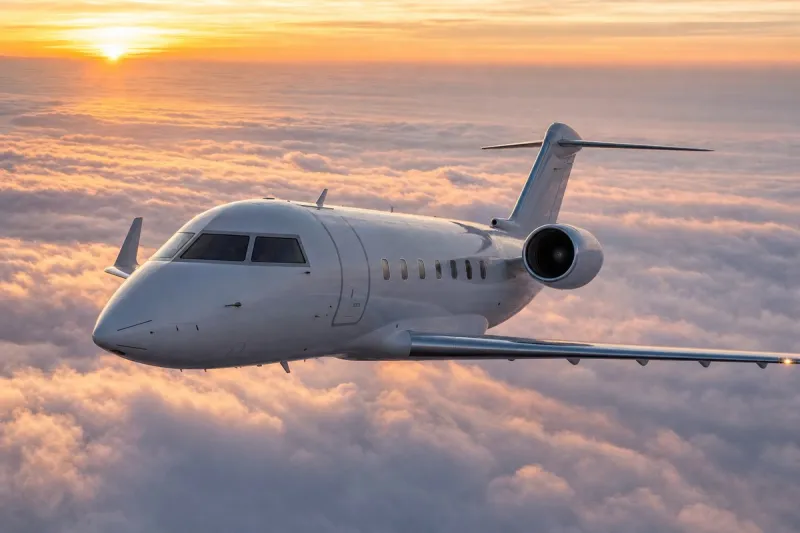
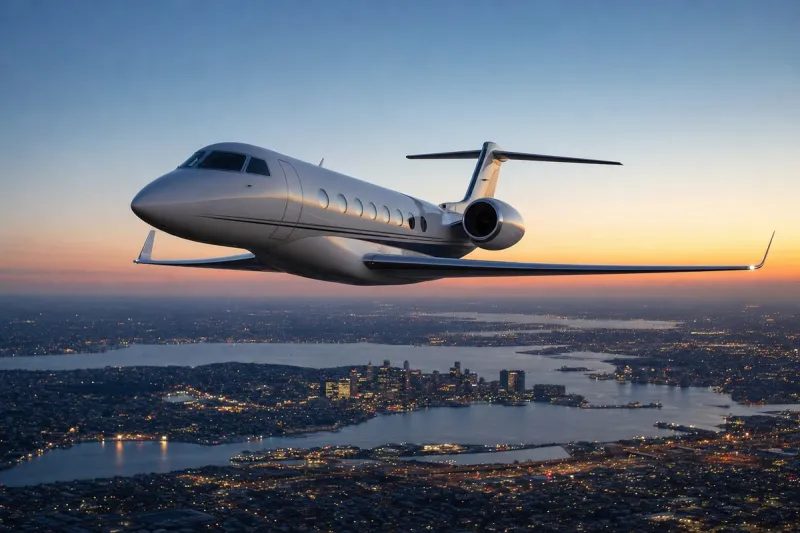
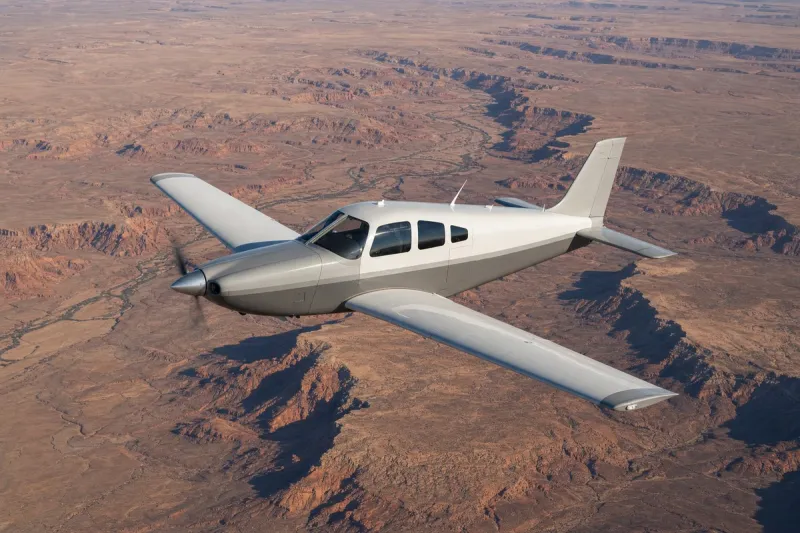
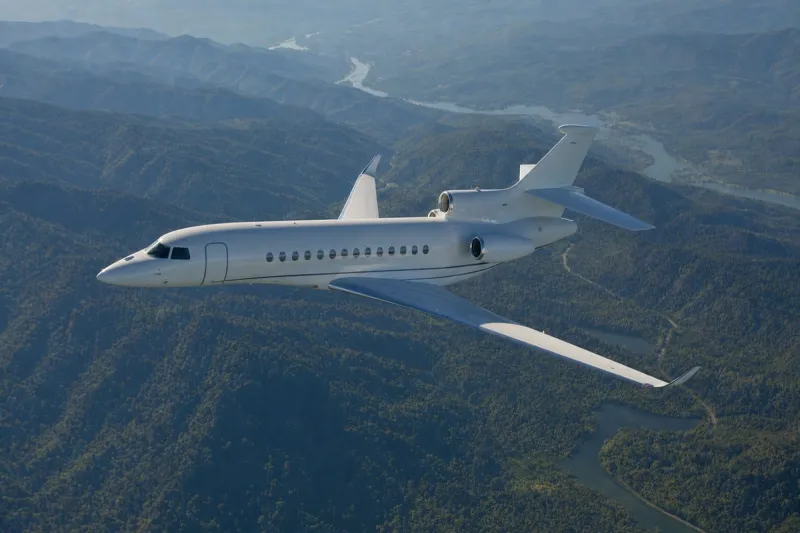
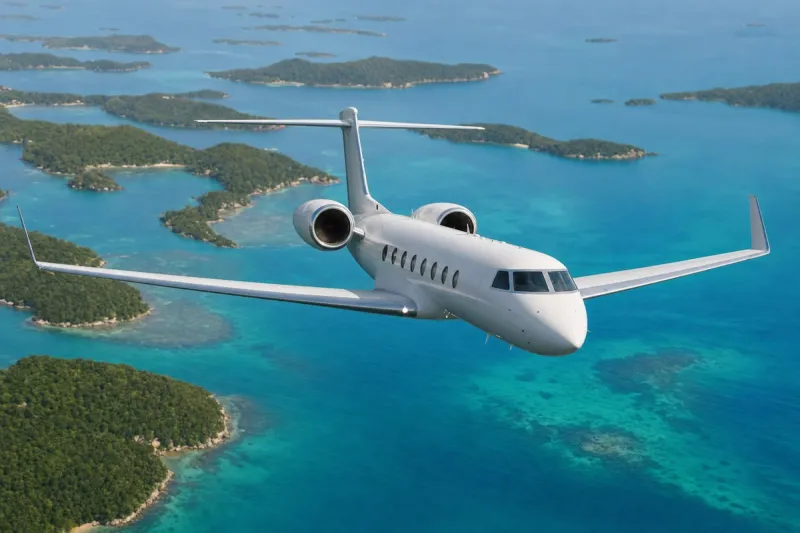
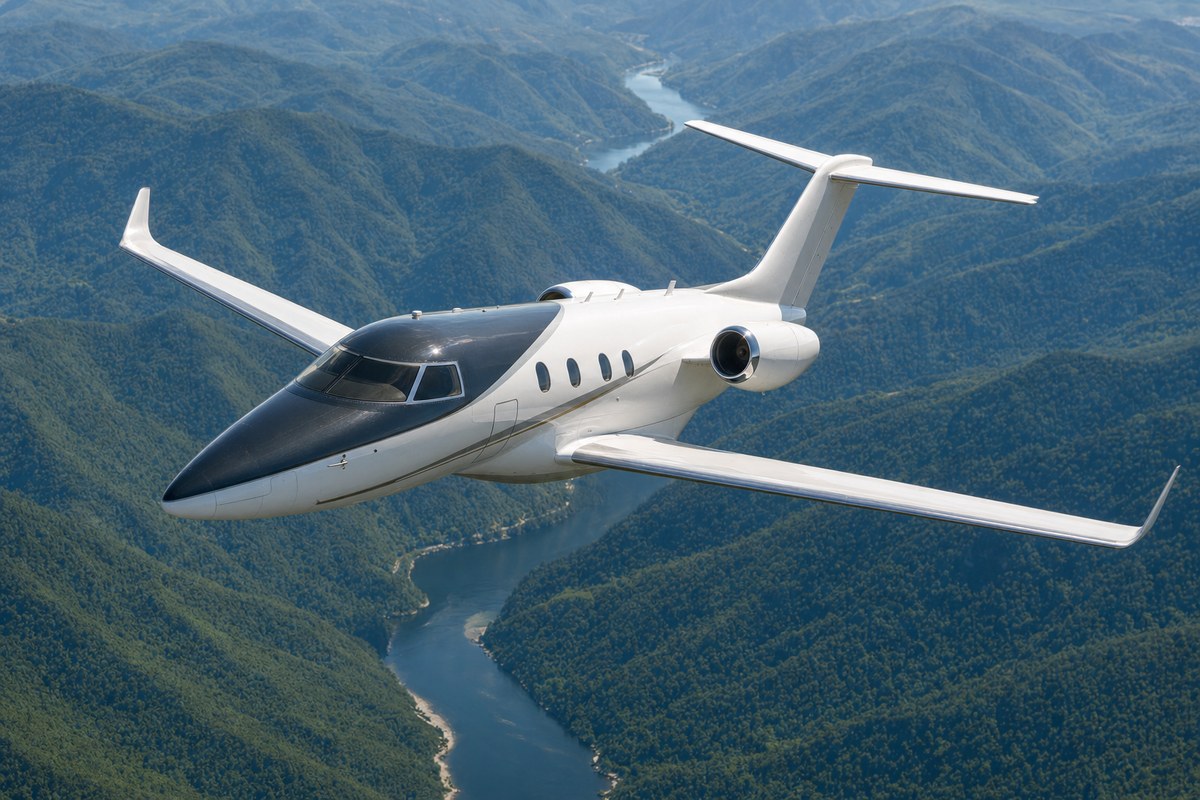
Private jet charter rates in 2026 span a wide range by aircraft category. Turboprops such as the Beechcraft King Air 350 generally start at around $2,000 per flight hour, according to pricing guides from Stratos Jets and Amalfi Jets. Light and very-light jets such as the HondaJet typically carry four to eight passengers and charter at roughly $2,500 to $4,500 per hour, according to sources including BlackJet and Amalfi Jets. Midsize and super-midsize jets such as the Cessna Citation Latitude and Bombardier Challenger 350 typically charter at $4,000 to $8,000 per hour.
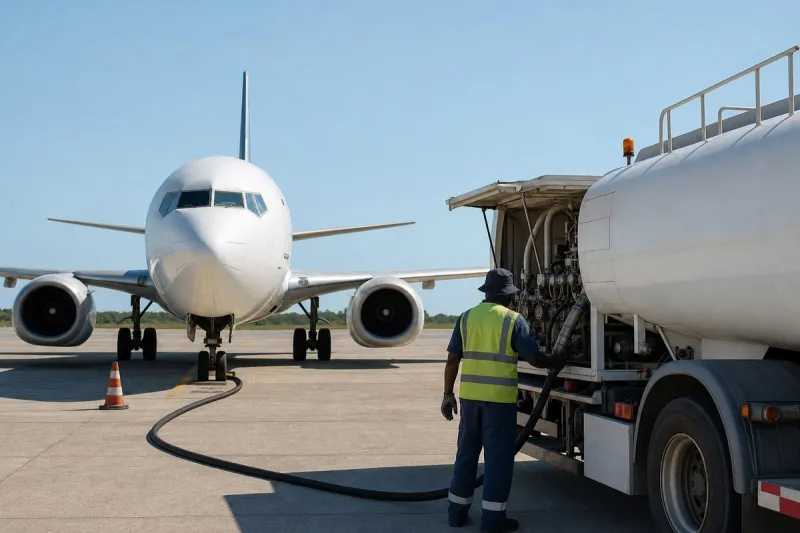
The advertised hourly rate usually differs from the final invoice. For US domestic charters, the Federal Excise Tax adds 7.5% to the charter cost, as noted by BlackJet. Operators may also charge segment fees, airport handling costs, crew overnight expenses, de-icing fees in winter and fuel surcharges, which can add thousands of dollars on international or multi-day trips. Positioning fees apply when an aircraft must fly empty to pick up passengers, and operators often pass some or all of that cost to the customer.
Demand also affects pricing. According to JetVice, peak periods such as major holidays and high-profile events, including Formula 1 races, the Super Bowl and the World Economic Forum, frequently trigger surcharges of 10% to 30% as aircraft availability becomes constrained.
Empty-leg flights, where an aircraft repositions for its next charter, are offered at discounts that commonly range from 40% to 75% below standard charter pricing, according to JetVice. A last-minute empty leg listed on GlobeAir from Frankfurt Airport (FRA) to Vienna International Airport (VIE) on June 20 cost 1,090 euros instead of 8,000 euros; the price covers the whole aircraft and can be split among passengers. Empty-leg travelers generally must accept a fixed departure time and route, and flights can change or be canceled if the underlying charter itinerary changes.
Because a charter rents an entire aircraft, the cost can be divided among all passengers on board, so the per-passenger cost depends on passenger count. A turboprop carrying eight passengers on a short regional mission may approach the cost of fully flexible commercial business-class fares.
Industry impact & what to watch
Charter pricing is built in layers: a base hourly rate set by aircraft category, then tax, trip-specific fees, and demand-driven surcharges on top. That structure means two quotes with the same headline rate can end up thousands of dollars apart, and a comparison that looks only at the hourly figure misses most of the variance.
Empty legs show the other side of the same mechanism. An aircraft that must reposition is a sunk cost for the operator, and discounting that leg recovers some of it, which is why the same airframe can appear at a fraction of standard pricing on one route and at a surcharge during a peak event on another. The trade is flexibility: a fixed route and departure time in exchange for the lower price.
Seat-count economics also shape who the product competes with. Since the whole aircraft is rented, a fuller cabin on a short regional mission spreads the cost enough to approach fully flexible commercial business-class fares, while a half-empty large jet does not.