Jefferies Executives Say Airlines May Follow Delta Air Lines Into Private Aviation Investment
Why It MattersAirline interest signals that private aviation is being valued as an extension of premium-cabin travel, while consolidation economics differ sharply between infrastructure-style assets and operationally complex fleet businesses.
What happened
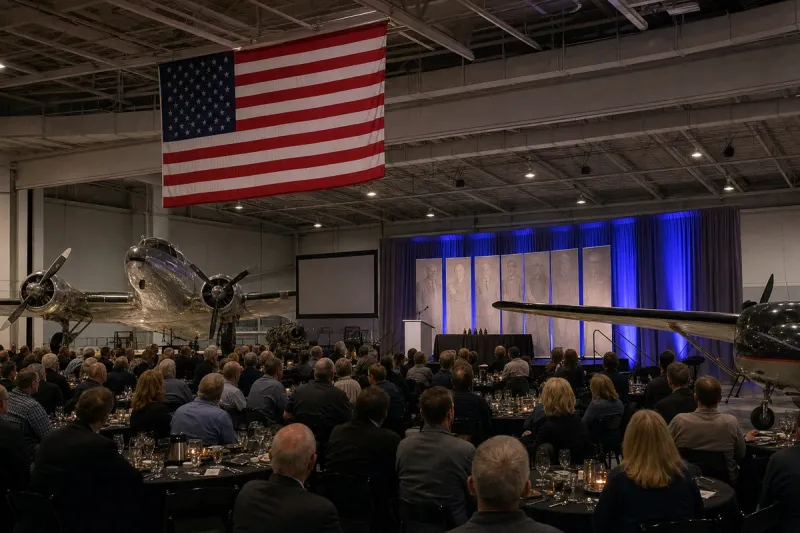
Jefferies executives Nick Fazioli and Katya Brozyna said other airlines may follow Delta Air Lines into private aviation. They pointed to Delta's continued focus on integrated Wheels Up offerings for its customers and vice versa. The remarks came at Corporate Jet Investor Miami before an audience of nearly 800 attendees, where they said private aviation continues to attract institutional investors and private equity firms.

Fazioli said airlines are all focused on the premium cabin. In his account, Wheels Up can reach Delta's individual and corporate customers, while Wheels Up customers are often positioned to steer spending to Delta through companies they own or where they hold senior roles. He added that commercial airlines earn substantial profits from premium-cabin passengers, making private aviation a logical extension, and that as the largest private aviation operators come to resemble airlines in scale and complexity, commercial aviation companies could become potential acquirers.
The executives cited favorable demographics, strong growth prospects and opportunities to consolidate a highly fragmented industry as the drivers of investment. Fazioli said the growing population of ultra-high-net-worth individuals provides a favorable backdrop and that the industry remains relatively young compared with commercial aviation. Brozyna said institutional investment validates an industry that historically relied on entrepreneurs, families and individual owners, and that strategic buyers have become more selective.
Private equity under scrutiny
Moderator Alasdair Whyte asked about criticism of private equity's impact on the industry, including comments by Flexjet Chairman Kenn Ricci, who has criticized PE's effect on OEMs, MROs and FBOs, citing higher fees and lower service. Signature Aviation recently said it would curtail some special event fees.
Brozyna said ambitious aviation companies typically need outside capital to grow faster than their resources allow, but that private equity involves trade-offs, particularly for founders who want full control.
Where consolidation works
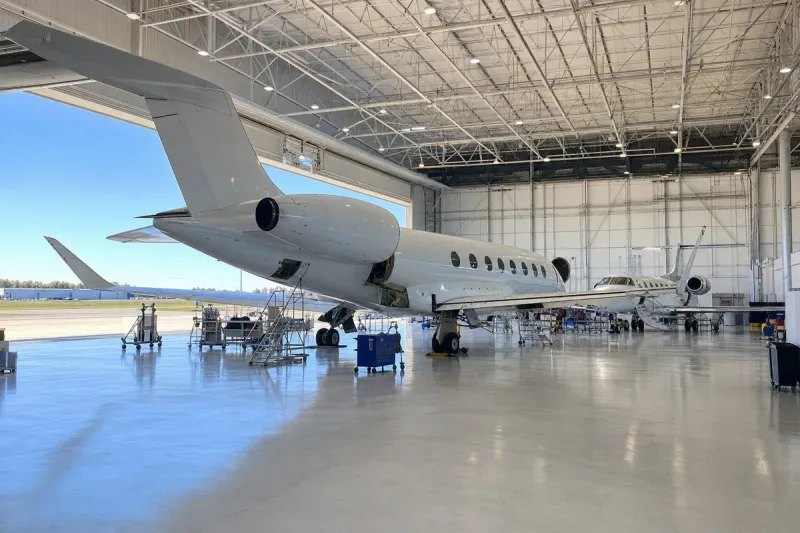
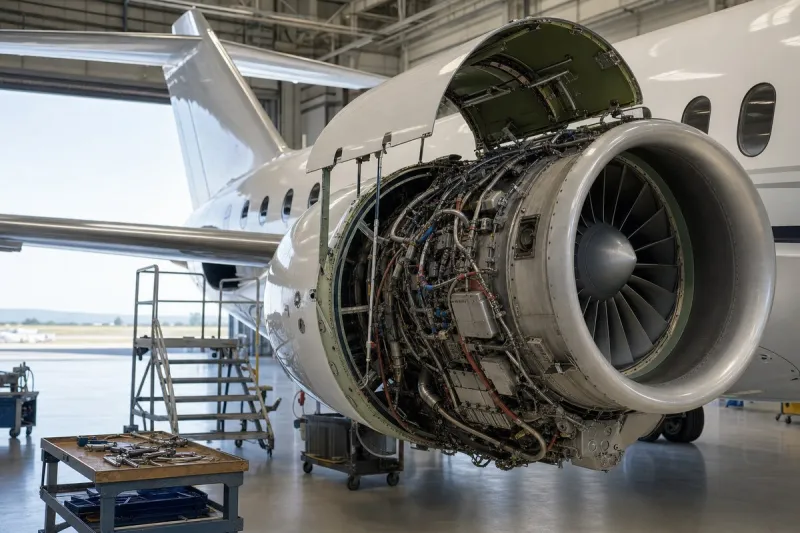
Brozyna said businesses generating roughly $5 million to $10 million in EBITDA can begin attracting traditional investors. Few large private aviation businesses are available for acquisition, which encourages investors to combine smaller companies into larger platforms. FBOs and MROs remain particularly attractive: MROs draw a broad pool of buyers, while FBOs appeal to infrastructure investors because of revenue from hangar rentals, fuel sales and other airport services.
The executives said combining aircraft management and charter operators is harder than consolidating FBOs or MROs. It requires integrating fleets, personnel, scheduling systems, operating procedures and aircraft-owner relationships, and does not necessarily deliver predictable cost savings or revenue synergies. Fazioli pointed to the combination of Clay Lacy Aviation and Solairus Aviation as consolidation with a compelling rationale.
On valuations, Fazioli said FBO valuations have moderated from the roughly 16 to 18 times EBITDA multiples previously achieved by some platforms but remain above pre-pandemic levels. MRO valuations continue to benefit from strong demand, higher interest rates have had less impact than expected, and larger platforms can command higher multiples. Brozyna identified technology as another emerging opportunity, noting that private aviation remains relatively analog, with labor-intensive scheduling, maintenance coordination and operations.
Industry impact & what to watch
Airline interest in private aviation rests on a simple economic link: the same affluent travelers who fill premium cabins are the customers private operators serve. Delta's tie-up with Wheels Up is the template the Jefferies executives point to, and the logic they describe is that spending flows in both directions through shared customers and the companies those customers own or lead. If that reasoning holds for one carrier, the same premium-cabin focus applies across the airline sector.
The segment is also sorting itself by how easily assets combine. FBOs and MROs behave like platforms that can be rolled up, with infrastructure investors drawn to recurring airport revenue and a wide pool of MRO buyers. Aircraft management and charter combinations carry integration burdens across fleets, crews and owner relationships, so synergies are less predictable. That difference helps explain why FBO multiples have eased from their peak yet stay above pre-pandemic levels while operator deals demand a clearer strategic rationale.
The tension with private equity is the live question. Criticism from Flexjet's Kenn Ricci about fees and service, and Signature's move to curtail some special event fees, show that service quality and pricing are where investor ownership gets tested. Whether any further airline moves materialize, and how service terms at PE-backed FBOs and MROs develop, are the markers that would show whether this capital cycle strengthens or strains the customer experience.