FAA Industry Day clarifies draft AC 150/5390-4 vertical flight infrastructure standards; comments due Jan. 11, 2027
Why It MattersFolding helicopter and powered-lift facility design into one performance-informed standard shifts site planning toward critical-aircraft analysis, while unresolved downwash and existing-heliport questions leave developers unable to settle dimensions or retrofit paths.
What happened
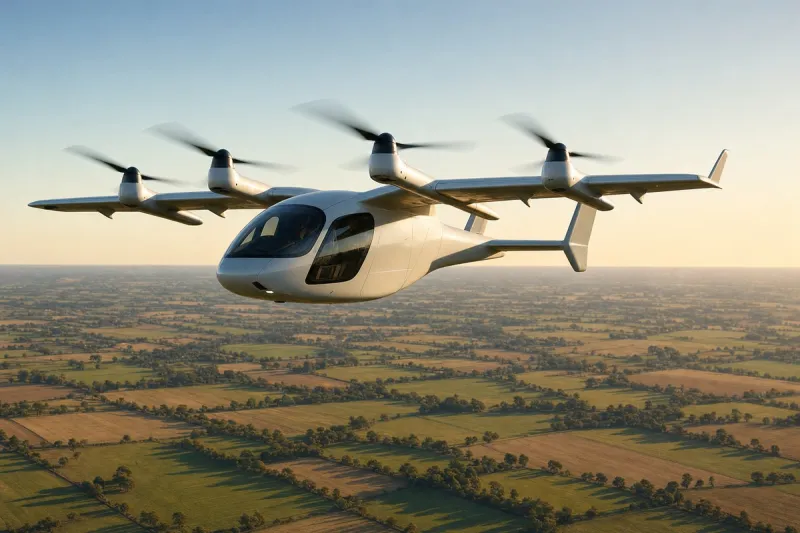
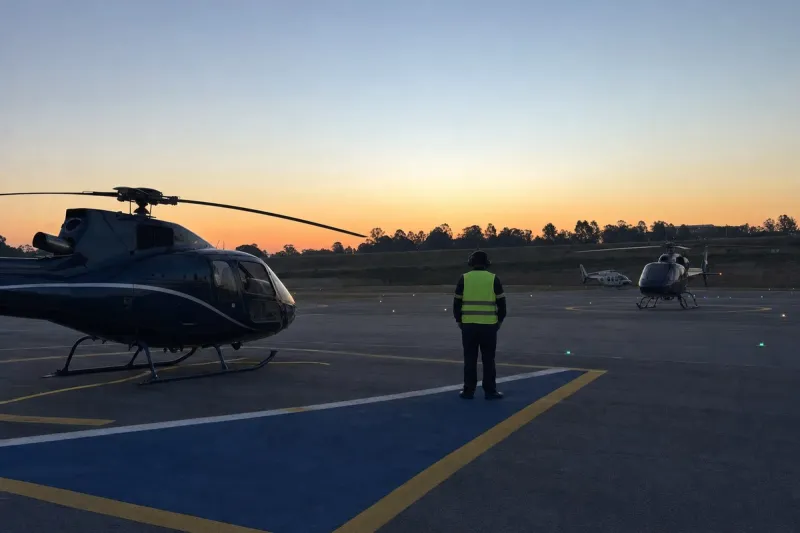
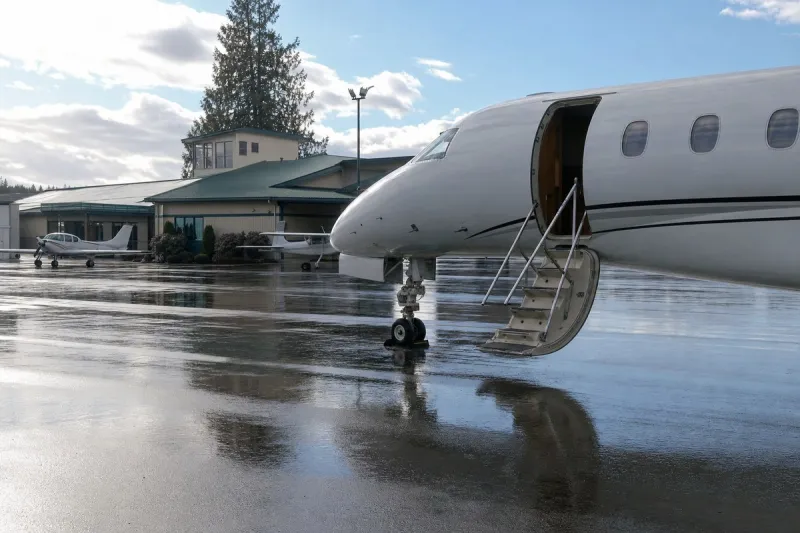
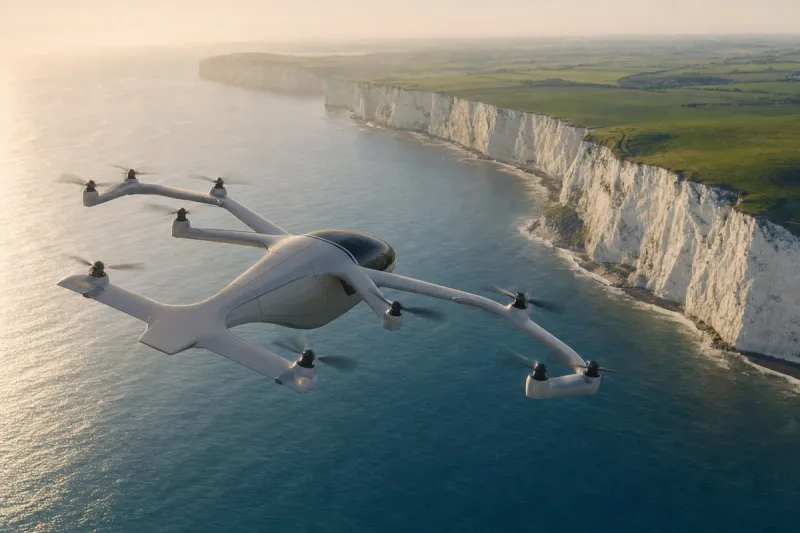
The FAA held a virtual Vertical Flight Aircraft Infrastructure Design Industry Day on Nov. 10, 2026, to explain proposed changes in draft Advisory Circular (AC) 150/5390-4, Vertical Flight Aircraft Infrastructure Design, which was issued Oct. 22, 2026. Once finalized, the AC would replace AC 150/5390-2D, Heliport Design, and Engineering Brief (EB) 105A, Vertiport Design, combining guidance for helicopter and powered-lift facilities in one document. Comments are due by Jan. 11, 2027.

The FAA described its approach as performance informed, based on aircraft research and landing-performance data. The term "critical aircraft" replaces "design aircraft" and can combine the most demanding characteristics of several aircraft expected to use a facility. Asked whether a set number of operations by a more demanding aircraft would trigger changes to facility dimensions, the FAA gave no numerical threshold.
On dimensions, the proposed minimum touchdown and liftoff area (TLOF) is one rotor diameter plus 10 ft., assuming the aircraft can hover out of ground effect. Elevated facilities with a non-load-bearing final approach and takeoff area (FATO) would need an additional 20% increase in TLOF dimensions. The proposed minimum FATO is 1.5 times the controlling dimension, and the safety area would extend beyond the FATO by at least 0.28 times the controlling dimension, with a minimum width of 20 ft.
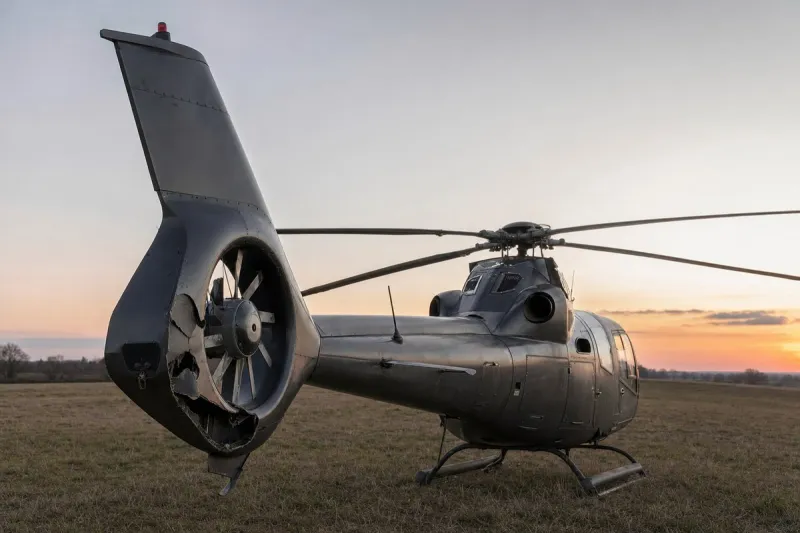
The draft extends the downwash/outwash caution area (DCA) concept to helicopter facilities, covering locations where downwash or outwash could reach or exceed 34.5 mph. The FAA stressed measures such as restricting access, securing objects that could become projectiles, posting signs and coordinating with neighboring property owners, and confirmed the DCA is outside the Form 7480 review process. Questions on managing DCAs that extend over public or neighboring property, on whether aircraft-specific testing could justify smaller dimensions, and on elevated facilities were left largely unresolved.
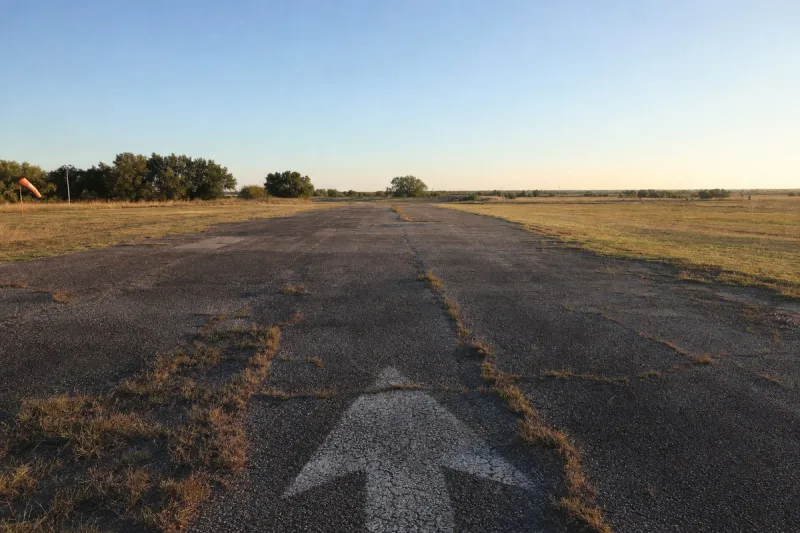
For existing heliports seeking to host powered-lift aircraft, the FAA advised evaluating each facility against its critical aircraft, environmental conditions and site characteristics, and did not establish a general pathway to substitute mitigations for reconstruction. EB 105A remains active guidance while the AC is in draft, and projects already bid would generally follow the earlier guidance. The proposed 15:1 powered-lift approach and departure surface is an infrastructure design surface, and the FAA pointed to local zoning, easements and air rights to protect approach areas.
Comment process and timeline
The FAA's industry letter asks for comments in the provided Excel matrix with justification, emailed to vertiports@faa. Industry Day participation does not replace written comments.
The FAA said this is the only expected comment period before final issuance, with summer 2027 targeted for the final AC.
Industry impact & what to watch
Merging two separate documents into one performance-informed standard changes how vertical flight sites get planned. Under a critical-aircraft approach, the dimensions of a heliport or vertiport follow from the most demanding aircraft expected there, not from a fixed facility class. For developers, that makes the choice of intended aircraft an early design decision with direct consequences for land area, structure and cost, particularly for elevated sites, where the proposed extra 20% on TLOF dimensions applies.
The open points are the ones that tend to decide whether a site pencils out. A DCA that reaches over public or neighboring property turns a design question into a coordination and property-rights question, and the FAA's pointers to zoning, easements and air rights show that protecting approach areas is largely a local matter. The lack of a general route for existing heliports to take powered-lift aircraft through mitigation rather than reconstruction leaves owners of current facilities evaluating each site case by case.
The nearest decision point is the Jan. 11, 2027 comment deadline. Because the FAA called this the only expected comment period before final issuance, with summer 2027 targeted, the unanswered items on numerical thresholds, aircraft-specific testing and elevated facilities will be settled, or left open, by what is submitted in the Excel matrix in the coming weeks.