Italy Steps Up Inspections of Foreign-Registered Aircraft Over Unclear Aero Taxi Tax Rules
Why It MattersWhere tax liability turns on contract structure rather than a flight's business or commercial label, foreign-registered operators face retroactive exposure, so documentation consistency becomes the main defence in Italy.
What happened
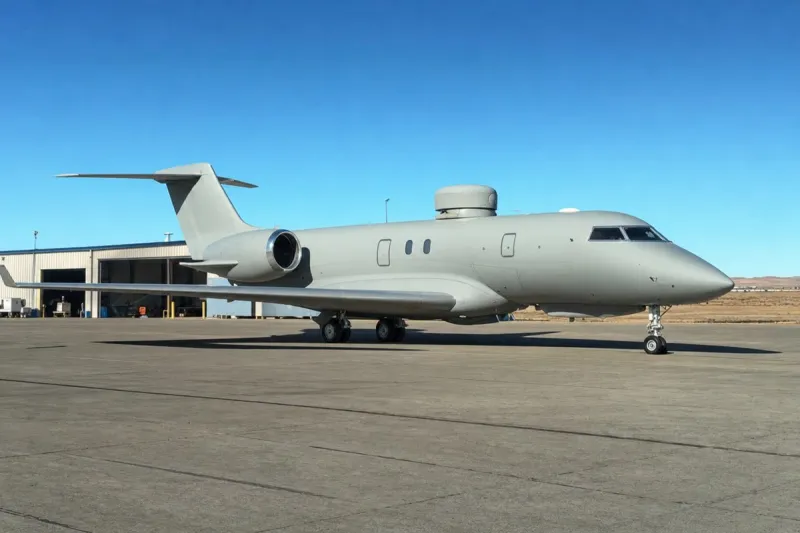
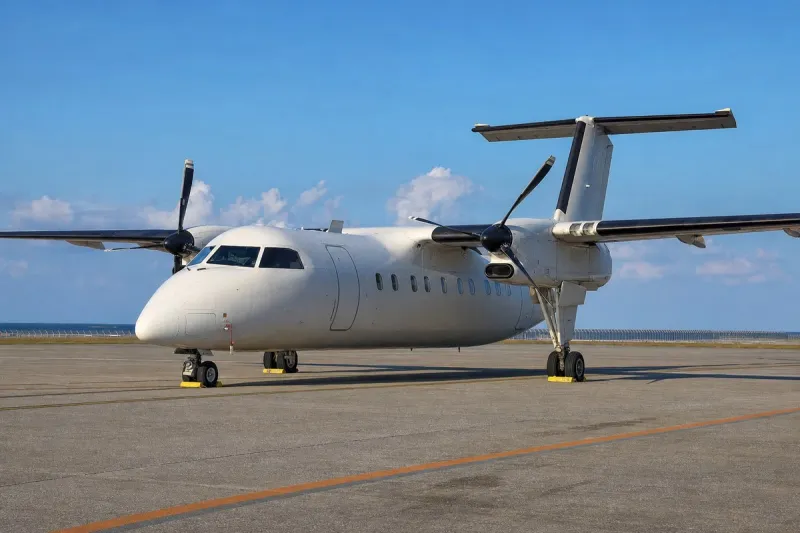
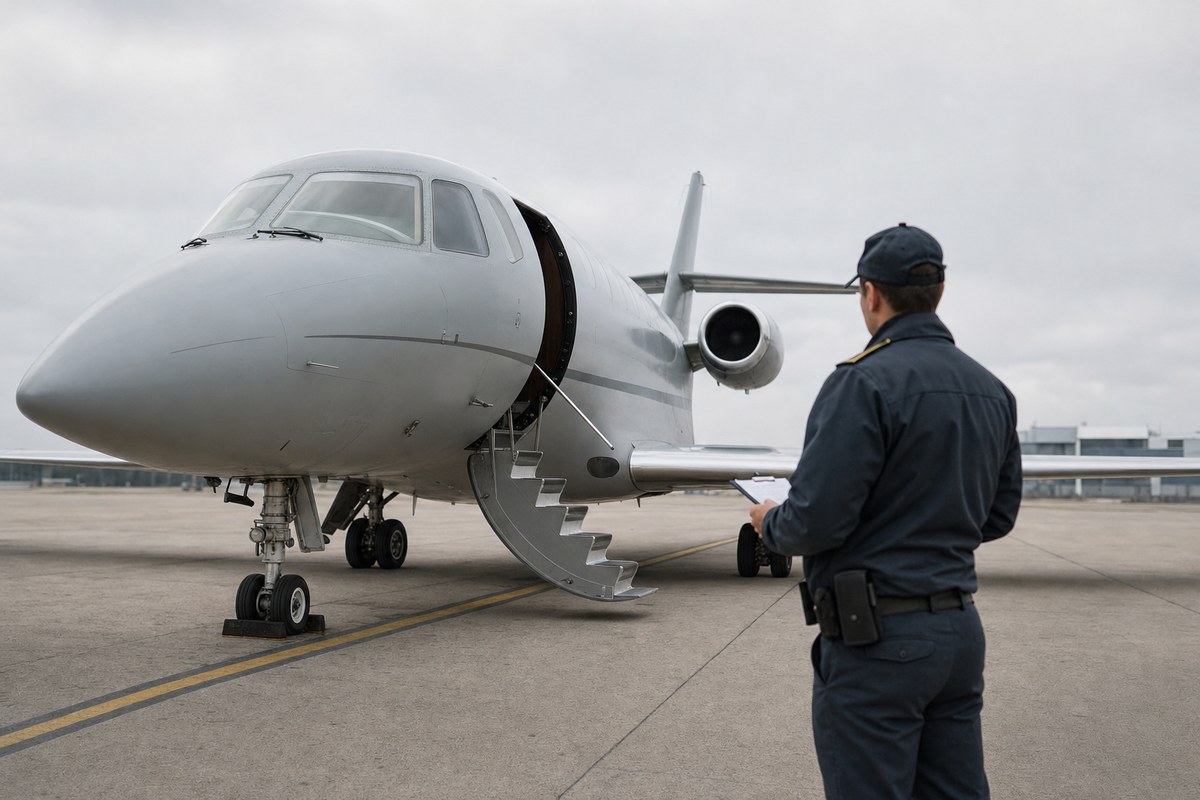
Italy's Guardia di Finanza (financial guard) has recently stepped up inspections involving foreign-registered aircraft. The focus is on aircraft carrying U.S. N-numbers, San Marino T7 registrations and Swiss HB registrations, and the question being examined is whether the aero taxi tax, also called the luxury tax, applies.
Tobias Konik, chief executive of FCC Aviation, said Italy's tax policies and procedures are complex. Taxpayers are required only to pay the taxes due, with no reporting requirement, and there is no official guidance clarifying when the aero taxi tax is applicable.
An FCC Aviation attorney reviewed years of case law to assess when the tax applies. Some cases, such as a commercial passenger flight operated under a single-customer charter agreement, are relatively clear, while others, such as a business flight arranged by a management company, are less so. Applicability does not depend on whether a flight is classified as business or commercial under civil aviation law, because the two are governed by separate legal frameworks.
Operators and owners are advised to keep complete records of all flights to, from and within Italy: aircraft management or charter agreements, the single carrier declaration form, booking correspondence, invoices, manifests and payment records. Konik said courts generally consider the totality of the circumstances rather than a single factor, looking for consistency across documents such as flight plans and aircraft management agreements. Some operators and owners are now receiving letters about flights conducted years ago stating that aero taxi tax is owed.
Industry impact & what to watch
The case shows how tax exposure can attach to the way a flight is contracted rather than to how it is labelled. Because aviation law and tax law treat business and commercial flying under separate frameworks, an operator can be fully compliant on one side and still face a tax demand on the other. For foreign-registered aircraft that fly into Italy regularly, that makes the paper trail around each flight, not the flight category, the thing an inspector tests.
The absence of a reporting requirement cuts both ways. Nobody has to declare anything in advance, so a liability can sit undetected until an inspection or a letter arrives, including for flights flown years earlier. That timing gap is what turns a documentation habit into a financial risk, since records not kept at the time are hard to rebuild later.
What would change this picture is official guidance. Until Italian authorities state when the tax applies, the practical test remains the one the courts use: whether flight plans, management agreements, charter terms and payment records tell the same story about who contracted the aircraft and how.