Ryanair to invest about €500M in first in-house engine MRO shop in Seville, due to open in 2029
Why It MattersAn airline moving engine overhaul in-house shows how fleet scale and turnaround pressure are pulling narrowbody engine work away from outside shops toward capacity the operator controls.
What happened
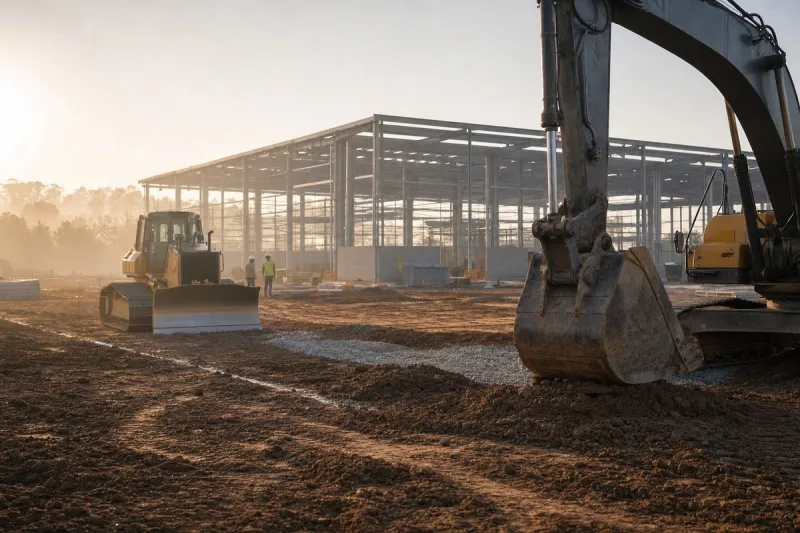
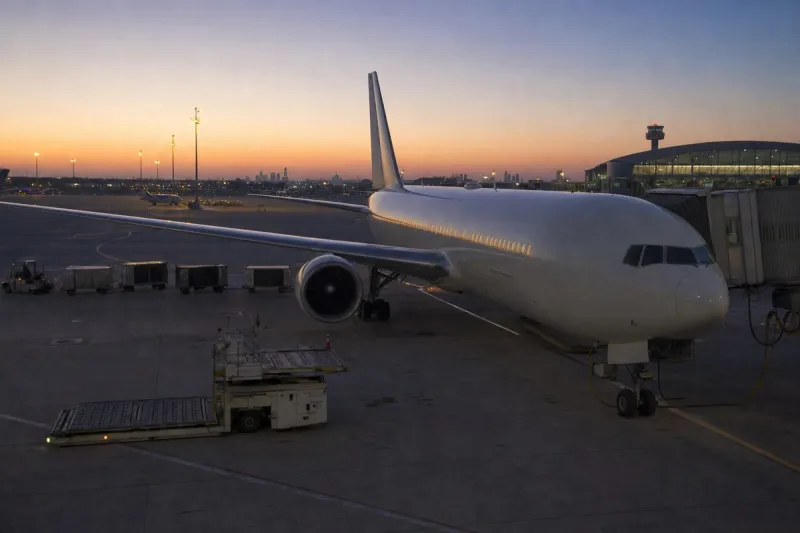
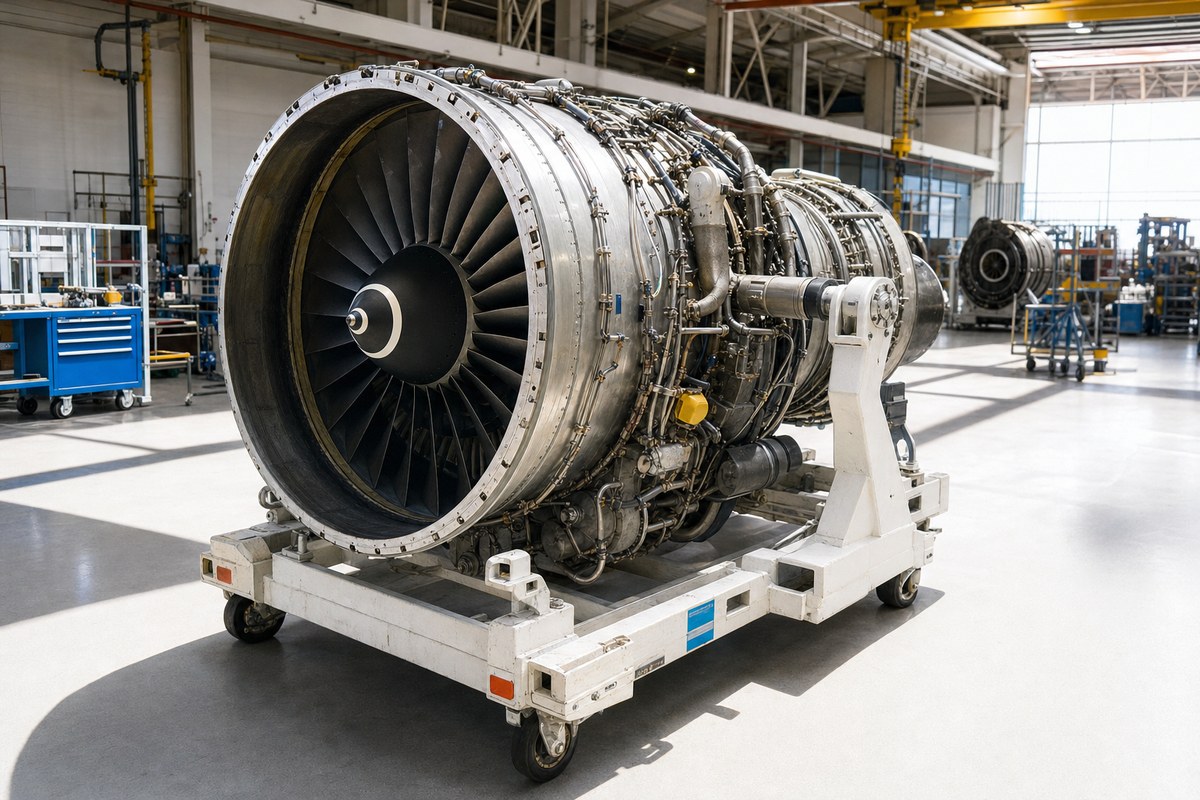
Ryanair plans to invest around €500 million ($550 million) to build an in-house engine maintenance, repair and overhaul facility in Seville, Spain, expected to open in 2029. The Irish low-cost carrier confirmed on Nov. 16 that it had selected the city for its first-ever engine MRO facility, following a tender process. The shop will focus on CFM International CFM56-7B and LEAP-1B engines, which power its Boeing 737NG and 737 MAX aircraft respectively.
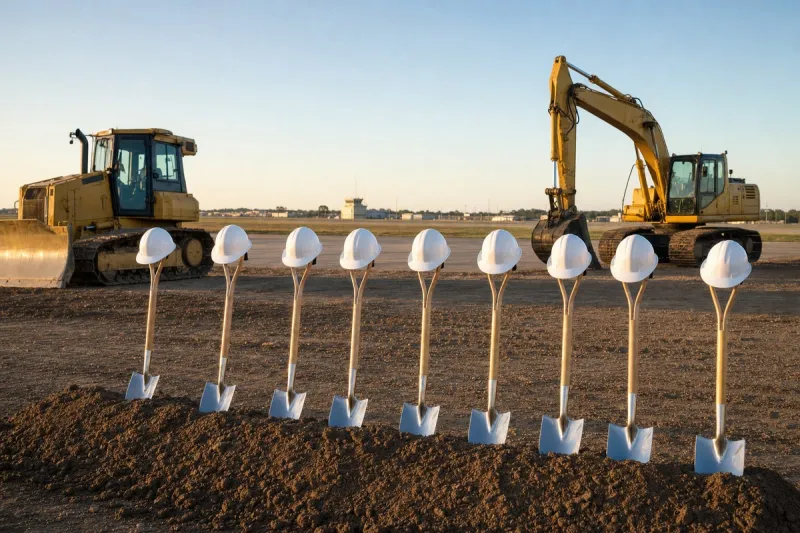
Ryanair said in-house maintenance support will be crucial as it grows its fleet from 650 aircraft to more than 800, with projected growth to 300 million passengers per annum by 2034. Construction is due to start early next year, and the investment will eventually create more than 600 new jobs in the Andalusia region. Ryanair will also set up a new engineering academy in Seville to recruit and train aircraft technicians and engineers. The airline has operated a five-bay base maintenance facility in Seville since 2019.
Ryanair has said it intends to set up in-house engine shops in two locations in Europe or North Africa, focusing on narrowbody engines, and the second location will be announced in early 2027. Once both are online, they will be able to carry out around 400 full engine overhauls annually, supporting a fleet engine pool of up to 2,000 engines by 2034. The carrier has previously cited greater control over repair turnaround times, guaranteed capacity and protection against rising maintenance costs as reasons for the move.
In February, Group CEO Michael O'Leary said the airline needed to return engines to the wing within 60-70 days to support its expanding fleet, as longer shop visits would raise the risk of groundings and operational disruption. His comments coincided with the signing of a long-term engine services agreement with CFM covering its existing and future CFM56-7B and LEAP-1B engines. Ryanair committed to buying spare engine parts directly from the OEM, and costs over the life of the agreement are expected to exceed $1 billion annually.
Industry impact & what to watch
Engine shop visits are one of the largest and least controllable items in a narrowbody operator's maintenance budget, and a long visit directly removes aircraft from the schedule. Ryanair's stated reasons for the Seville project, namely turnaround control, guaranteed capacity and protection against rising maintenance costs, reflect that exposure. A carrier with a fleet heading past 800 aircraft has both the volume and the incentive to treat overhaul capacity as something to own rather than rent.
The structure of the deal with CFM is also instructive. Ryanair is buying spare parts directly from the OEM while moving the labour-intensive overhaul work under its own roof, which splits the traditional shop-visit package into components that the airline manages itself. For independent engine shops and OEM service networks, that points to competition for large-fleet narrowbody work from customers who bring their own facilities.
The next dated milestone is the announcement of the second shop location in early 2027, followed by the start of construction in Seville early next year. Those steps will show how quickly the plan for around 400 annual overhauls and a pool of up to 2,000 engines by 2034 is moving from announcement to bricks and equipment.