Rep. Brendan Boyle to Introduce Tax on Private Jet Purchases Over $1 Million to Fund FAA Modernization
Why It MattersPairing a luxury-aircraft levy with the FAA's modernization funding gap puts private jet tax treatment, including full expensing, into the policy argument over who pays for air traffic control infrastructure.
What happened
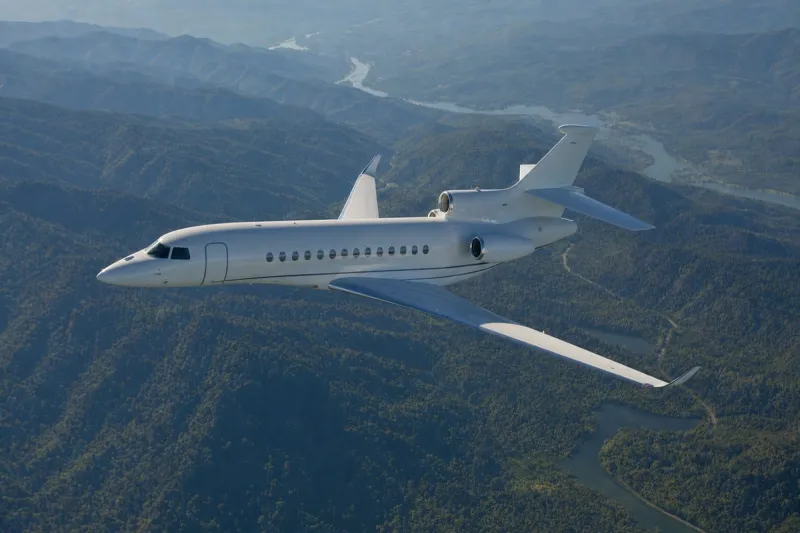
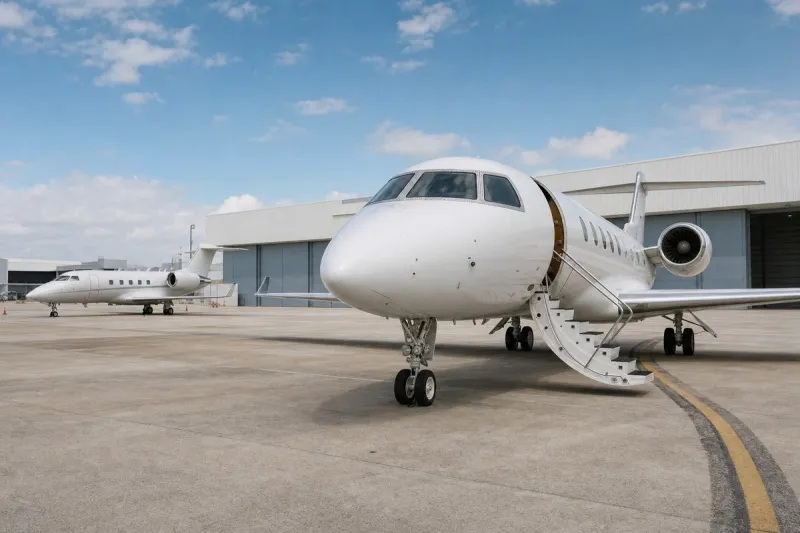
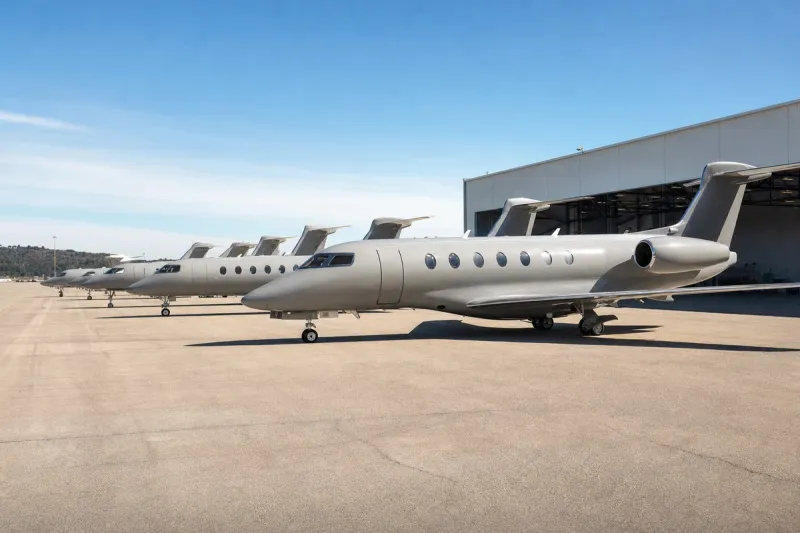
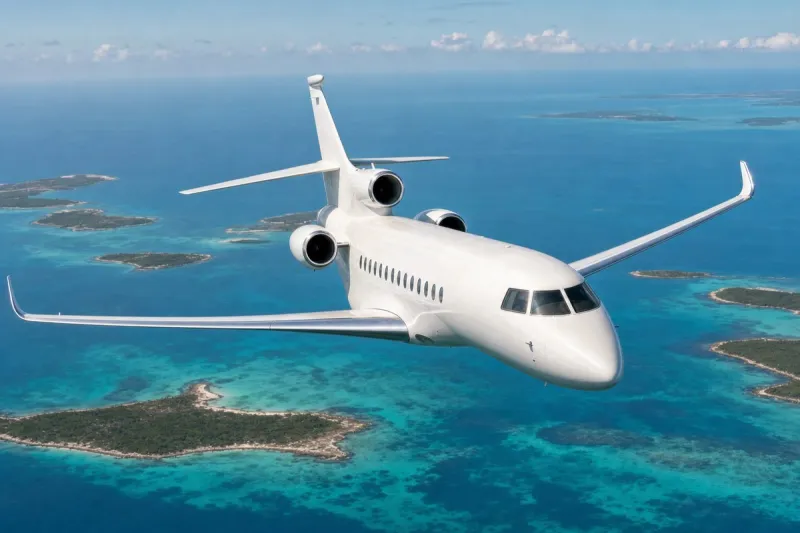
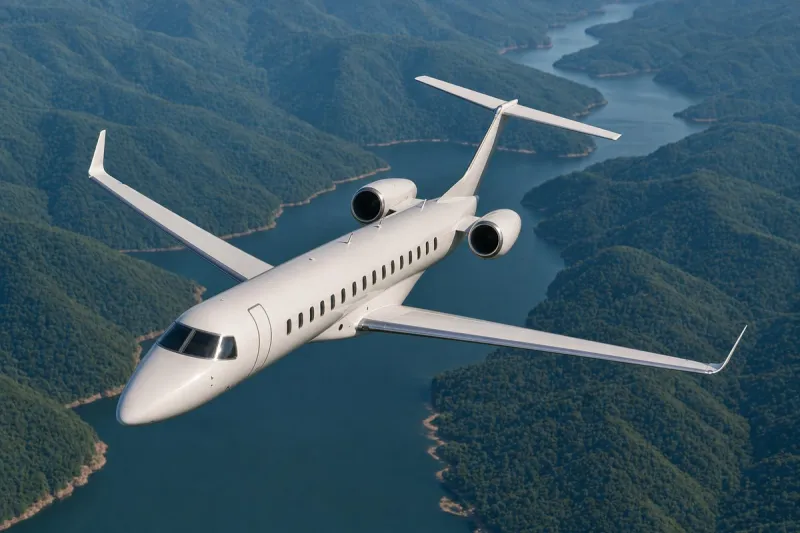
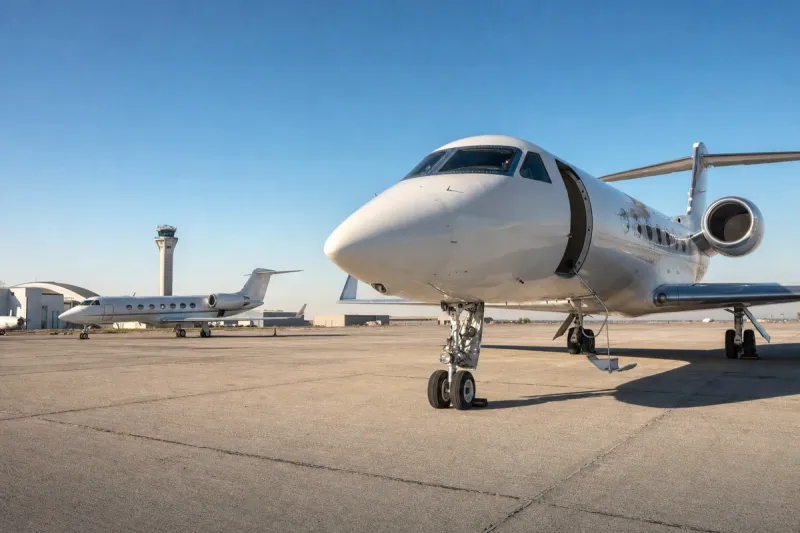
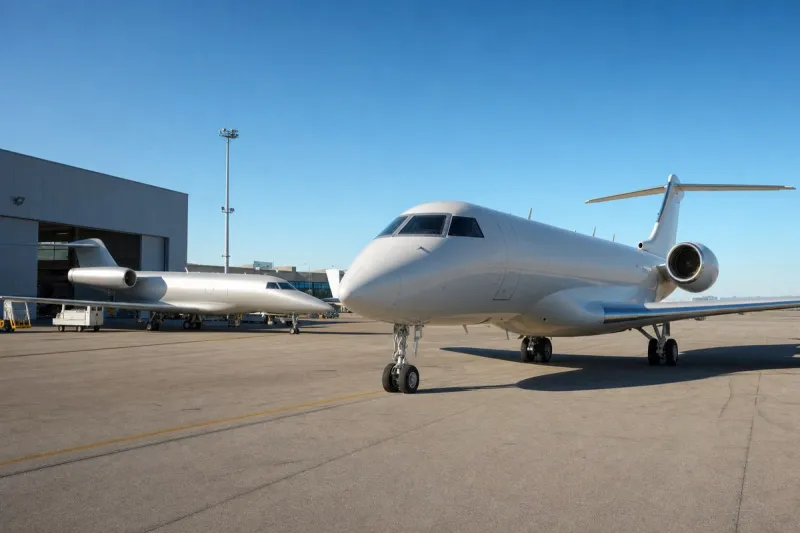
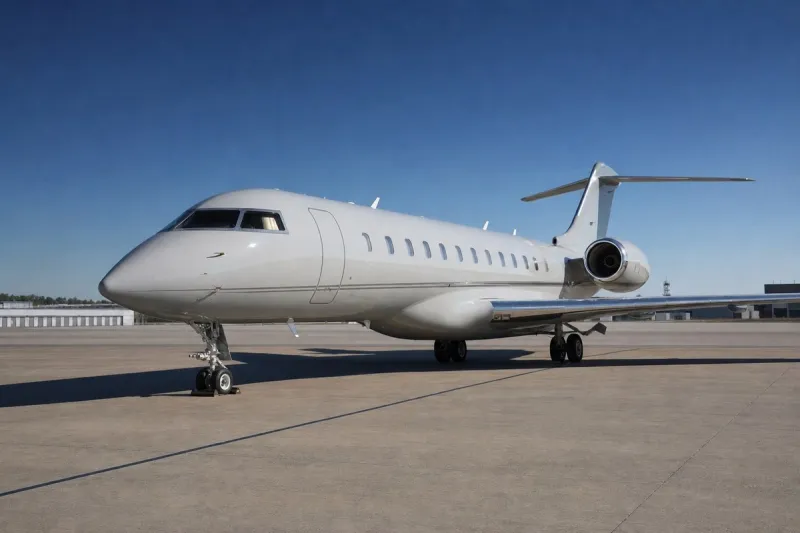
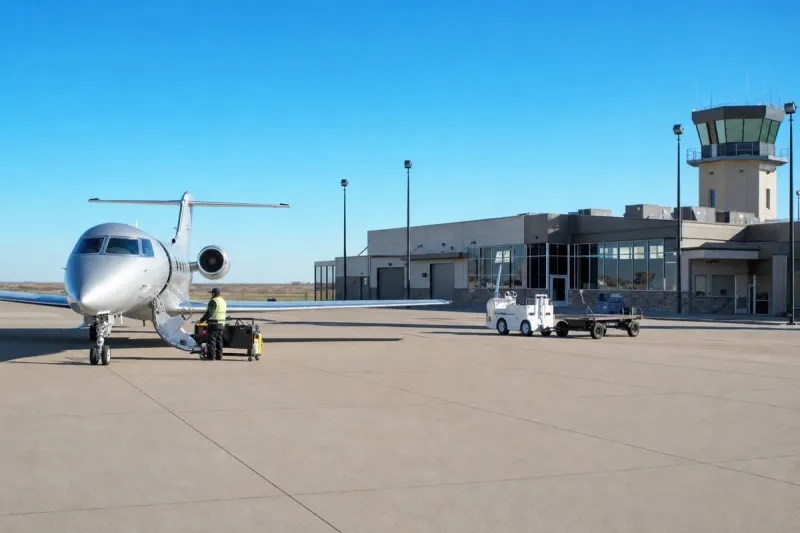
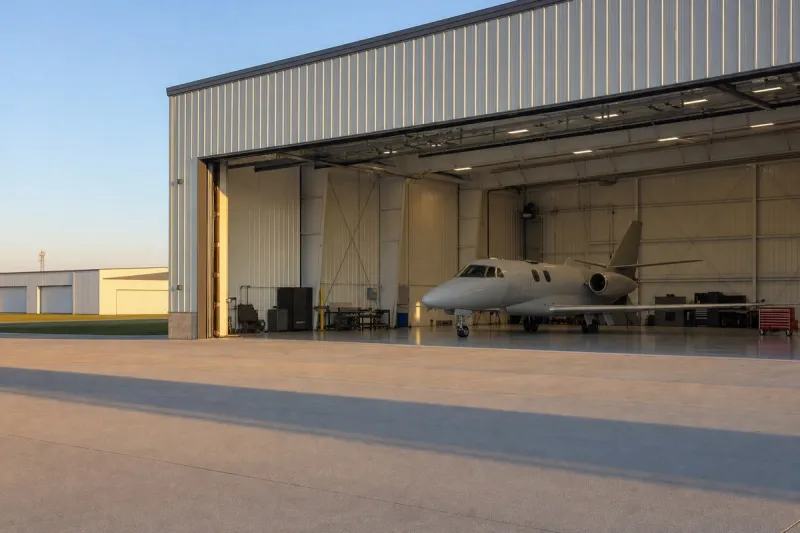
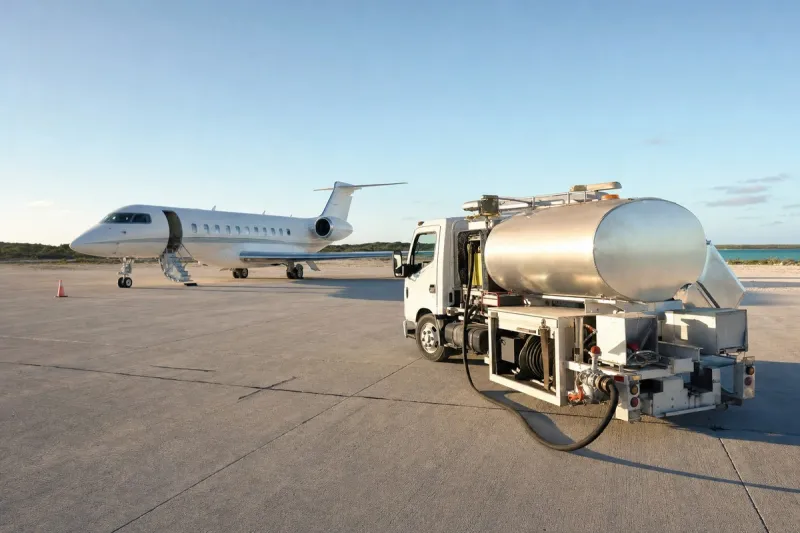
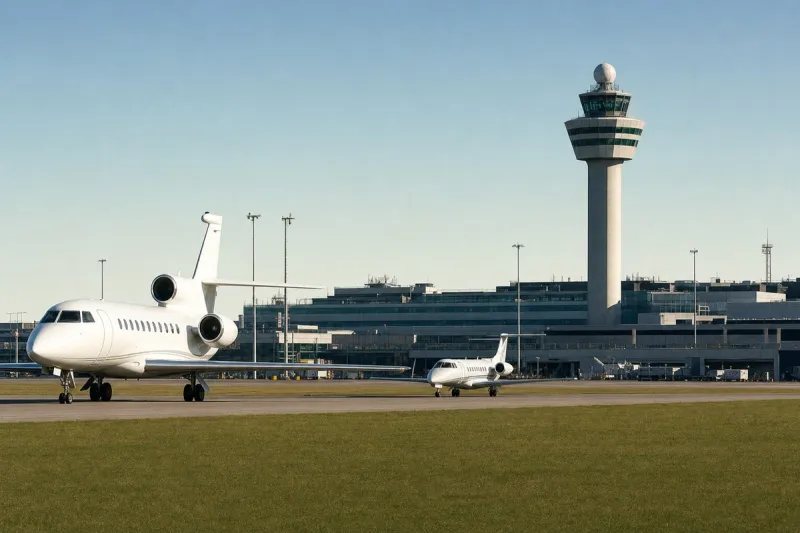
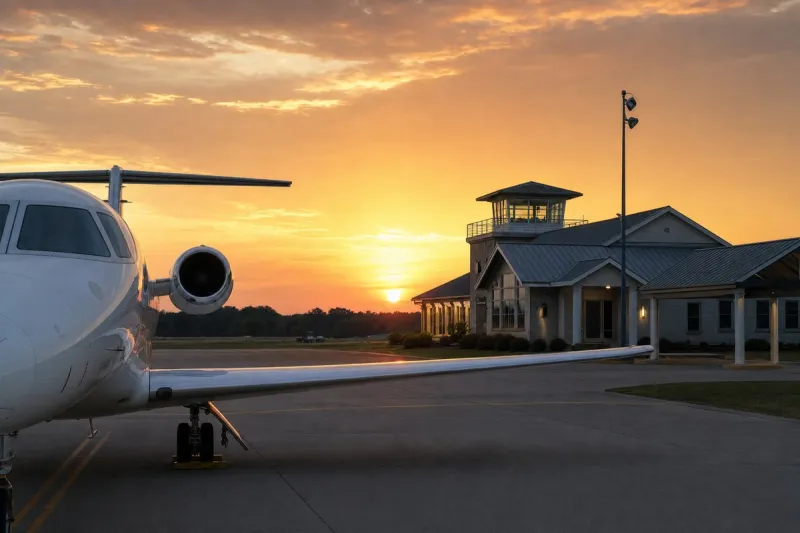
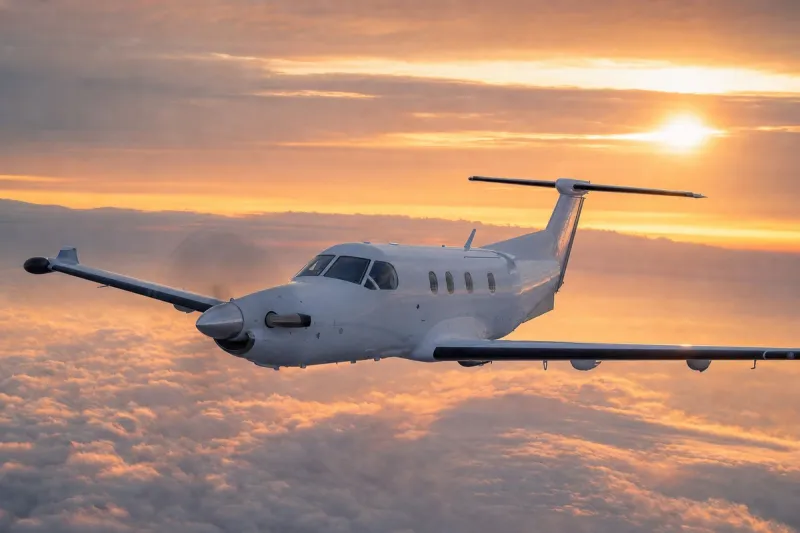
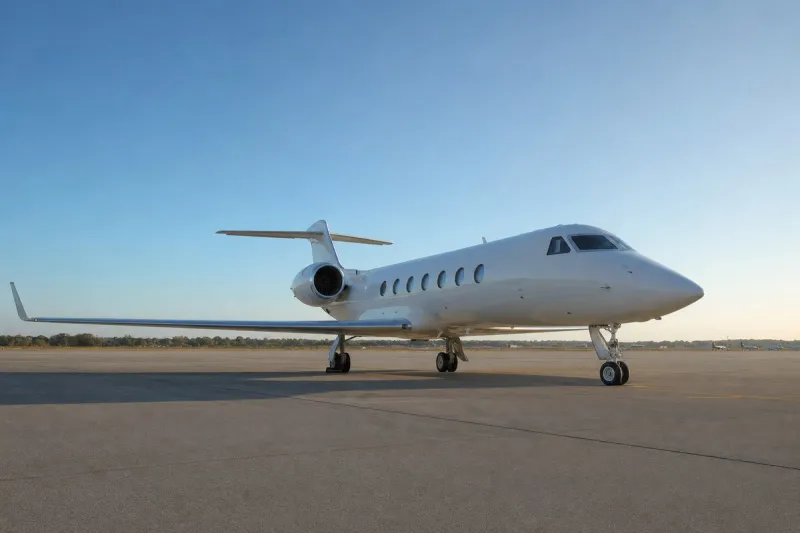
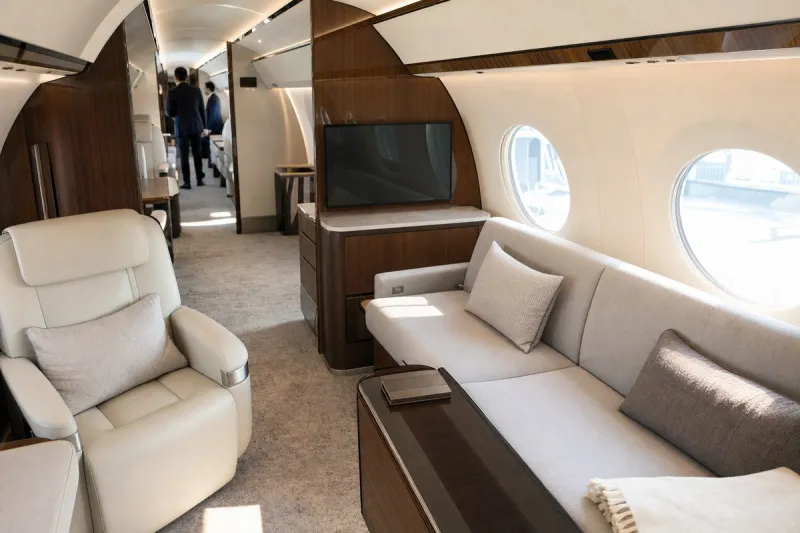
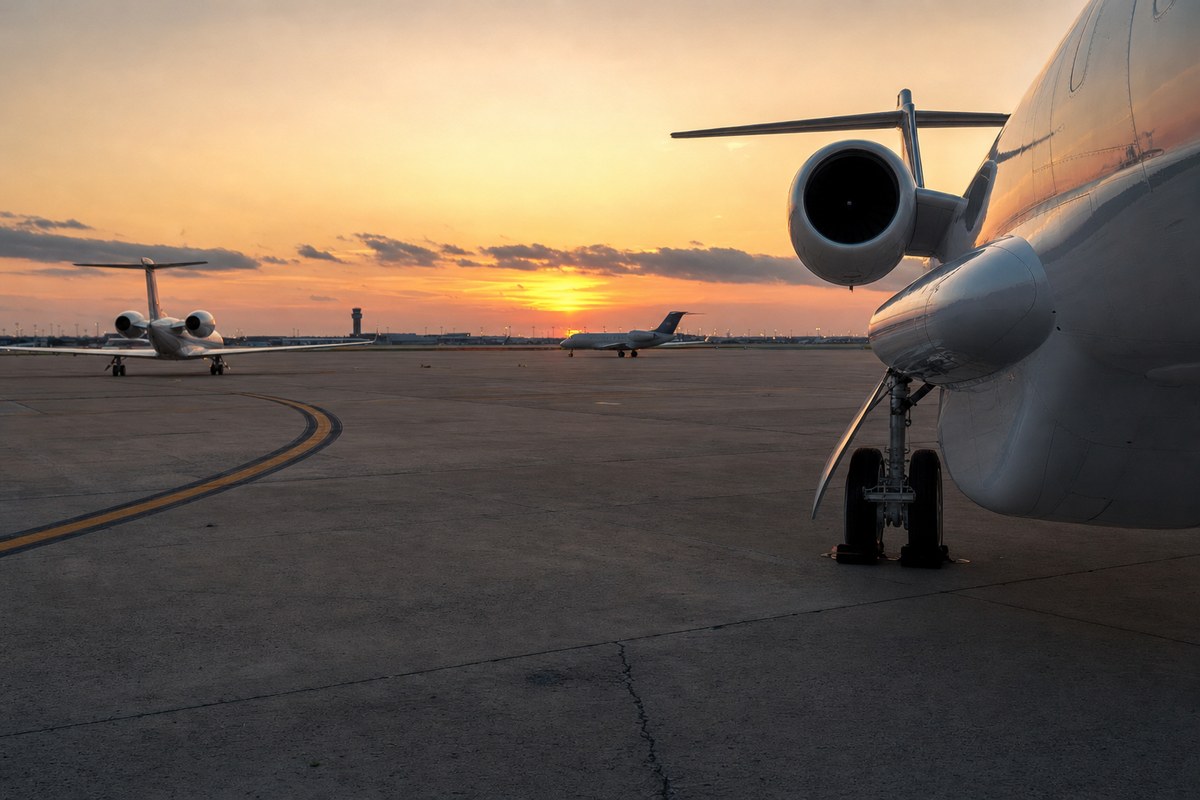
Rep. Brendan Boyle, the leading Democrat and expected next chairman of the House Budget Committee and a senior member of the Ways and Means Committee, plans to introduce the Safe Skies Over Luxury Jets Act. The proposal would levy a federal tax on private jet purchases over $1 million and direct the revenue to the Federal Aviation Administration (FAA) for air traffic control modernization and hiring.
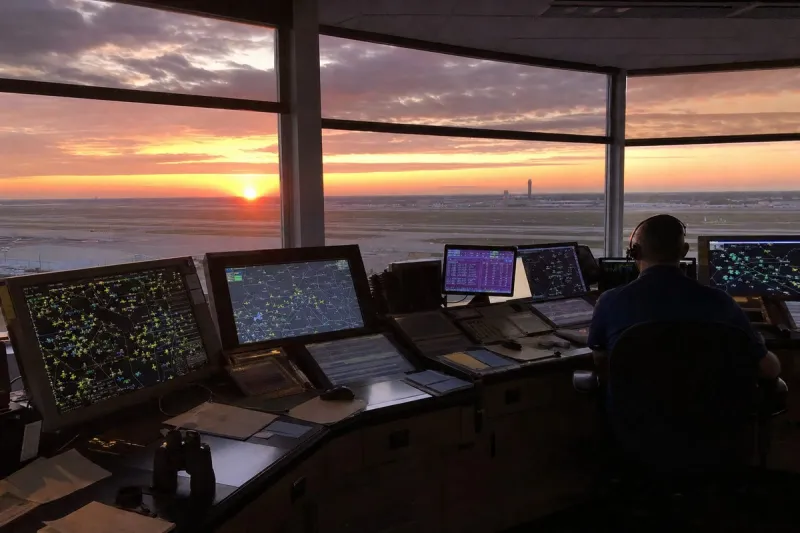
The proposal follows last week's FAA ground stop, which stranded as many as 400,000 travelers. President Donald Trump blamed "very, very old equipment" and the Biden administration. Days after the outage, Transportation Secretary Sean Duffy sent a letter to Congress demanding $50 billion in funding for the FAA, up from an initial request of $30 billion, to build a "truly world-class air traffic control network."
"If you can afford to spend millions on a luxury private jet, you can afford to pay a little more to keep our skies safe," Boyle said in a press release.
In the One Big Beautiful Bill Act, Trump and congressional Republicans permanently restored a 100 percent first-year depreciation deduction, known as full expensing, for business assets, including private airplanes. The Joint Committee on Taxation estimates that expanding deductions on business assets as a whole will cost $362 billion in lost revenue over 10 years.
How the FAA's trust fund is financed
A September report from the Institute for Policy Studies estimated that private jets account for 7 percent of flight activity but contribute under 0.6 percent of tax revenue to the fund that finances FAA aviation safety improvements.
The FAA's Airport and Airway Trust Fund, established in 1970, is financed mainly by excise taxes paid by users of the National Airspace System. The largest share is tied to passenger transportation, including taxes on domestic passenger tickets, domestic flight segments and international passenger arrivals and departures.
Industry impact & what to watch
The bill ties two separate fiscal threads together: the FAA's modernization funding demand and the tax treatment of private aircraft. By pointing to the gap between private jets' share of flight activity and their share of trust-fund revenue, the proposal frames business aviation as a user group whose contribution to air traffic control costs is open to revision. For the segment, that makes aircraft acquisition taxes and depreciation rules part of the same debate rather than two unrelated line items.
A purchase-price levy would fall on the buyer at the point of sale, so it bears most directly on new and pre-owned aircraft transactions above the threshold. Any effect on deal timing, financing structure or the interplay with full expensing would depend on rate and scope details that a bill introduction would be the first place to settle.
The next concrete milestone is the introduction itself and the text it carries: the tax rate, how the $1 million threshold is applied, and how the revenue is routed to the FAA. How the bill is received alongside Secretary Duffy's $50 billion request to Congress will show whether it gains traction as a funding mechanism.