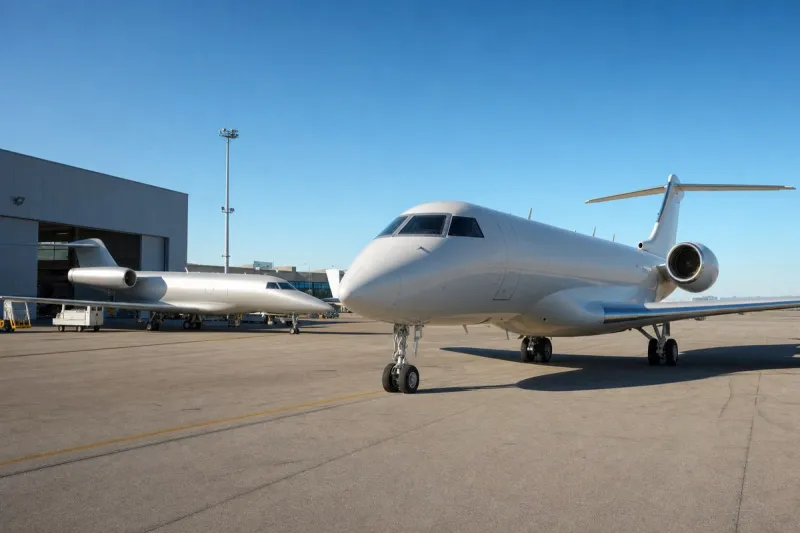
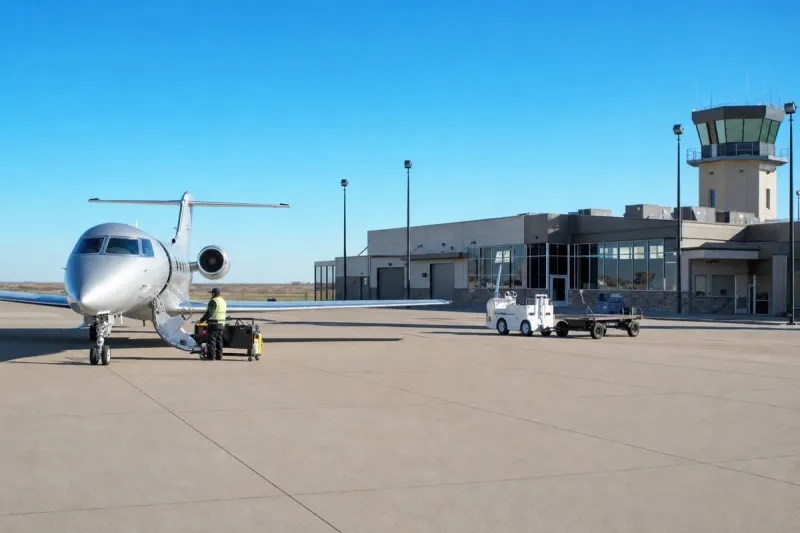
Fractional operators take 17% of new business jet deliveries in 2026, up from 10% before the pandemic
Why It MattersAs program operators absorb a rising share of factory output, individual buyers face fewer delivery slots, and demand for immediately available late-model used aircraft intensifies across the whole market.
What happened
Speaking at Corporate Jet Investor Miami, Brent Monroe, president of Aero Ventures, a sister company of fractional start-up Bond, said fractional operators accounted for roughly one in five business-aircraft deliveries in the first half of 2026. He said they currently hold about 18% of OEM backlogs.

JETNET's independent count puts program holders at 17% of new deliveries so far in 2026, up from 10% before the pandemic. End users remain the largest buyers at 65%.
JETNET also reports that aircraft up to five years old make up just 6% of for-sale listings and sell in about 50 days, while older jets sit well past 100 days. Bond alone has up to $5 billion in Bombardier aircraft on order, with deliveries set to accelerate in 2027.
Industry impact & what to watch
Factory delivery positions are a finite resource, and fractional and program operators now hold a growing slice of them. Every slot taken by a program holder is one fewer available to an individual purchaser, so the shift changes who can get a new aircraft and how soon.
The effect tends to show up first in the late-model used market. Buyers unwilling to wait for a factory position move to newer used aircraft, which adds competition for the small pool of jets that can be delivered immediately. The 6% share of listings held by aircraft up to five years old, selling in about 50 days, is the clearest sign of how little supply that pool contains.
Fractional providers also bring new users into the market by aggregating demand across many customers, so some buyers who would once have bought whole aircraft now take fractional shares instead. The next concrete marker is Bond's deliveries from its Bombardier order, which are set to accelerate in 2027.