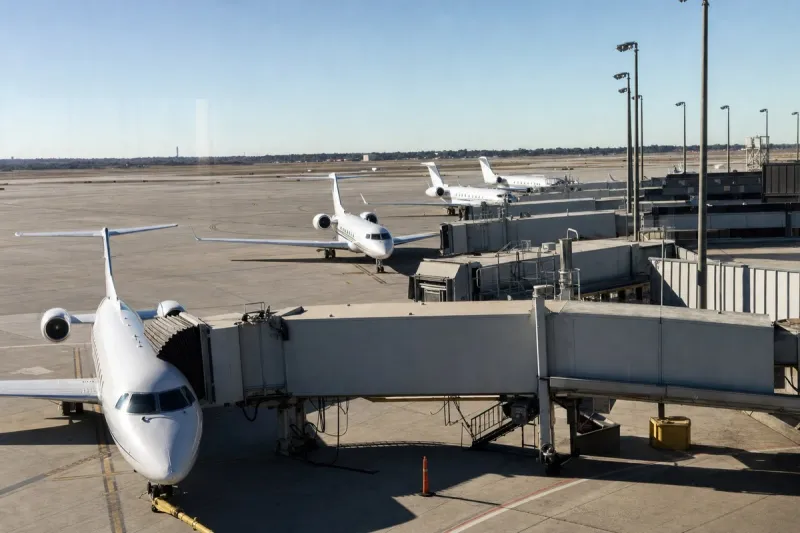
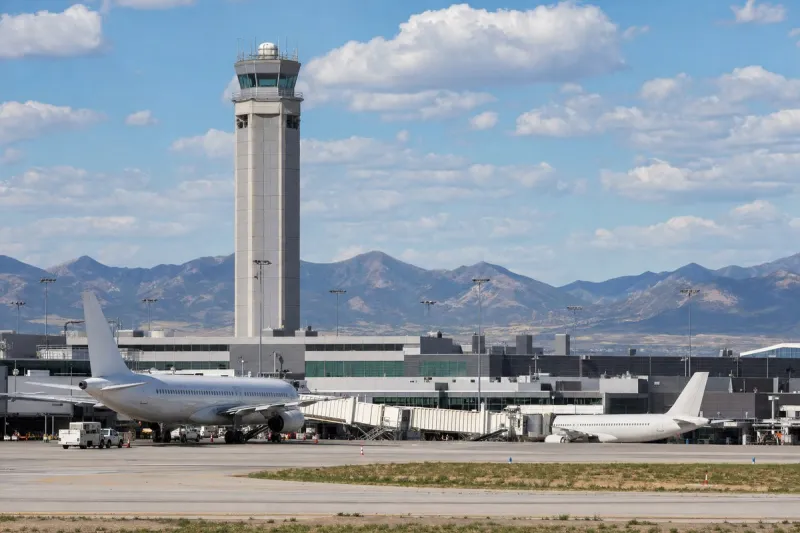
JSX to Launch Daily New York–Dallas Love Field Service on Feb. 17 With Embraer E145
Why It MattersSemi-private operators grow by stacking long business corridors onto an FBO-based public charter model, where airport access rules and a member-only channel decide which New York gateway gets sold openly.
What happened
JSX has announced a daily route between New York City and Dallas, flying to Dallas Love Field (DAL) from Feb. 17 with one flight in each direction. The operator has not immediately disclosed which New York airport it will use.

The route will be flown with Embraer E145 aircraft seating up to 30 passengers in a 1-1 configuration. Introductory fares start at $799 one-way. JSX CEO Alex Wilcox said in a statement that the service brings the simplicity, comfort and convenience of JSX to a major travel corridor between two of America's most influential business and cultural centers.
The Dallas route is JSX's second New York expansion in as many weeks, following the announcement earlier this month of New York–Boston flights. JSX operates from 30 airports across the U.S. and Mexico and functions as a public charter service rather than a formal airline, using private Fixed-Base Operators (FBOs) instead of public terminals, which allows passengers to go from curb to seat in about 20 minutes. Onboard features include no middle seats, ample legroom, Starlink Wi-Fi, complimentary snacks and drinks, and checked luggage returned at the side of the aircraft.
The New York airport question
JSX typically flies to Teterboro Airport (TEB) and Westchester County Airport (HPN) in the New York area. Restrictions set by the Port Authority of New York and New Jersey prevent it from publicly promoting TEB as a destination, so those New York flights are sold only to members of its free Club JSX program, which has no minimum spending or flying requirement.
Which of those airports the Dallas service will use has not been stated.
Industry impact & what to watch
Two New York announcements in two weeks show a semi-private operator adding point-to-point links between large business markets, using the same FBO-based public charter structure at both ends. That structure is what lets the product skip public terminals while still selling seats to the general public.
The New York end is where the model meets its main constraint. Because publicity for one of its usual New York airports is limited by Port Authority restrictions, the choice of gateway shapes who can see and book the flights, and whether they are sold openly or through the Club JSX channel.
The next milestone is the disclosure of the New York airport for the Dallas service ahead of the Feb. 17 start, which will settle how the route is marketed.