FAA Revises OpSpec C077 to Separate VFR Departure Rules for Controlled and Uncontrolled Airspace
Why It MattersMaking an A009 obstacle analysis a precondition for every VFR departure shifts risk assignment onto operators' own documented procedures, and signals that regulators want departure-environment distinctions written out explicitly.
What happened
Part 135 turbojet operators face a revision to Operations Specification C077, Terminal Visual Flight Rules, Limitations, and Provisions. FAA principal inspectors must issue the revised OpSpec to certificate holders by Nov. 21, 2026. The revision clarifies the requirements for conducting VFR departures from airports in controlled versus uncontrolled airspace. The OpSpec applies to Parts 121, 135 and 121/135 certificate holders and Part 129 foreign air carriers; the NBAA summary covers the revisions relevant to Part 135.

The most significant change is the expansion and restructuring of the VFR departure authorization for turbojet operations. For all terminal departures under VFR, the flight crew must have performed or obtained an airport obstacle analysis, in accordance with the certificate holder's OpSpec A009, for the intended VFR takeoff routing. Minimum altitudes are those under 14 CFR § 91.119 or those of the authorized visual or VFR departure, whichever are higher. VFR departures remain permitted in both controlled and uncontrolled airspace.
Zorhab Grigorian, founder of Volaree Aviation Solutions and pt.com, which provide safety and compliance support for Part 135 operators, said the revised C077 separates VFR departures at airports in controlled airspace from those in uncontrolled airspace, as arrivals already did, and removes the separate IFR departures subparagraph. He said an airport obstacle analysis under OpSpec A009 is now a stated precondition for every VFR departure, and that the flight crew assumes all responsibility for avoiding traffic, terrain and obstacles.
Controlled airspace departures
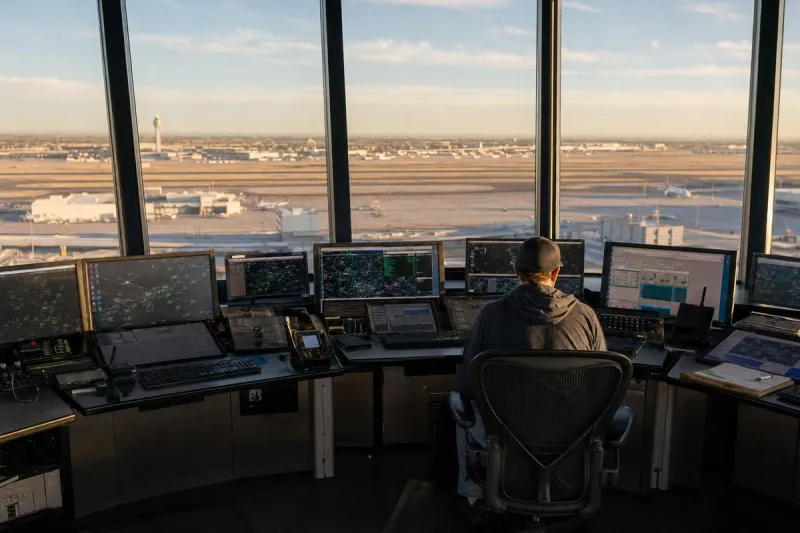
At airports in controlled airspace, the flight crew may request and accept a departure clearance to take off and climb under VFR to join an IFR clearance. A published visual or VFR departure may satisfy the intent of this provision, provided the crew complies with all published routing, airspeed and altitude requirements.
Any weather limitations published on the visual or VFR departure that are more restrictive than § 91.155 must be observed.
Uncontrolled airspace scenarios
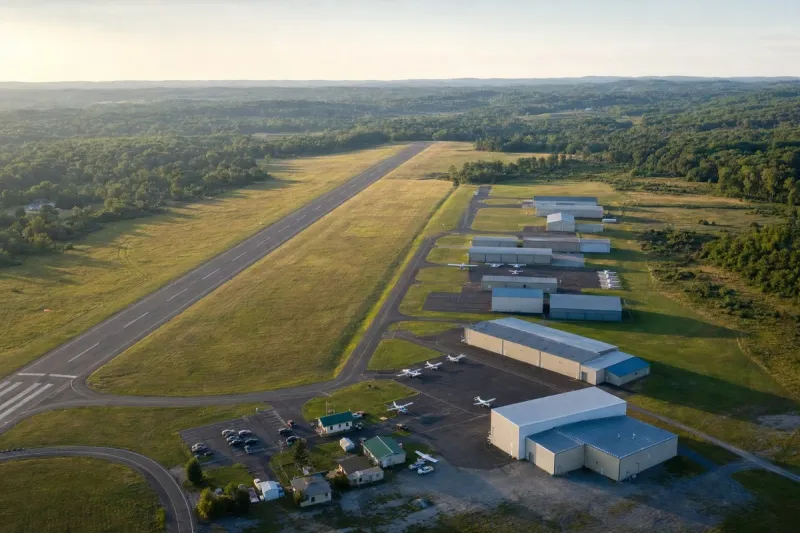
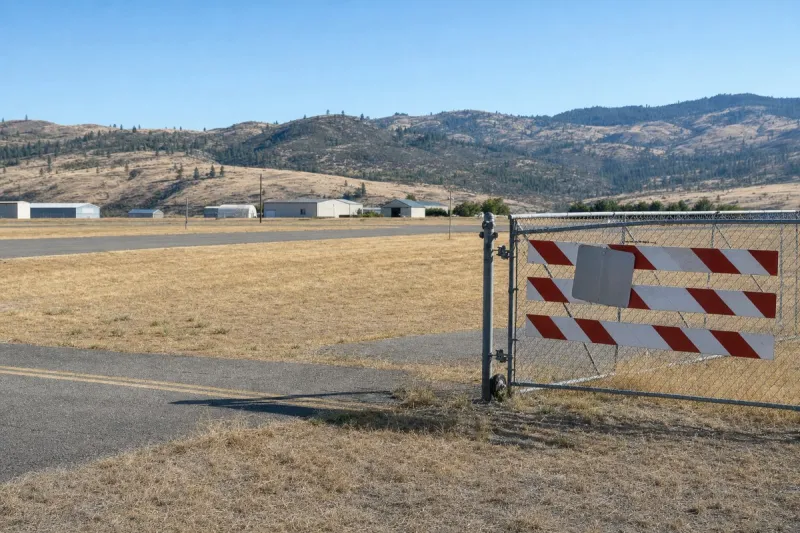
For airports in uncontrolled airspace, the revised language outlines three scenarios. Where an IFR clearance is available on the ground, the preferred approach is to obtain the clearance or release before departure. Where a ground clearance is impractical or undesirable, the crew may depart VFR and obtain an IFR clearance airborne, subject to the OpSpec requirements.
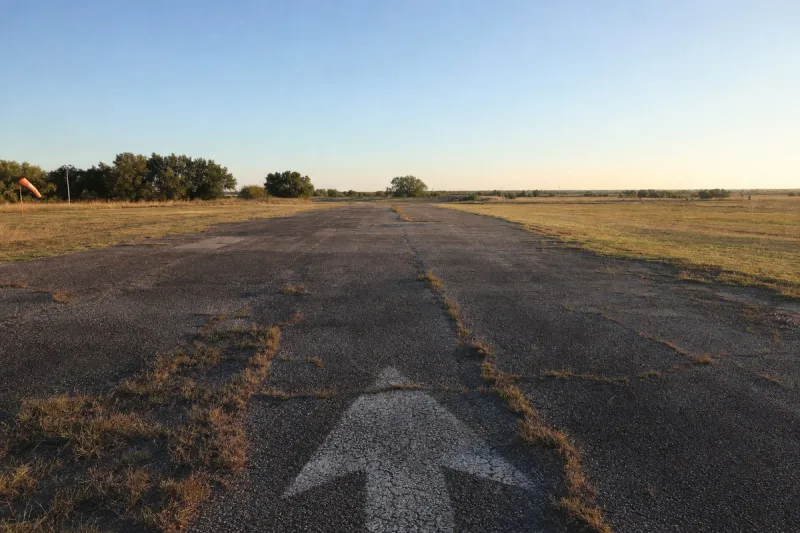
Where there is no operating ATC facility, such as at remote airports where an IFR clearance cannot be obtained, the crew may depart VFR and request activation of the IFR clearance en route.
Industry impact & what to watch
Splitting the VFR departure language by airspace type brings departures into line with how arrivals were already treated, and it removes a separate IFR departures subparagraph. Tying every VFR departure to an A009 obstacle analysis means the obstacle-clearance work sits in each operator's own documented procedures, not in a general expectation of pilot judgment. Flight crews carry the stated responsibility for traffic, terrain and obstacle avoidance, which makes the quality of that pre-departure analysis the practical point of exposure.
Operators can do most of the preparation before their principal inspector sends the revised paragraph. That means reviewing the revised C077 text, assigning clear responsibility for identifying and mitigating VFR departure risks, and making sure crews understand the controlled versus uncontrolled distinction. Grigorian said manuals that point to the issued OpSpec instead of restating it will absorb the next revision with far less rework.
The date to track is Nov. 21, 2026, by which principal inspectors must have issued the revised OpSpec to certificate holders.