FAA Definitions Distinguish Dry and Wet Aircraft Leases, With Operational Control the Legal Dividing Line
Why It MattersOperational control, not the label on a lease, decides who is legally the operator, so charter, management and leasing structures all turn on who actually directs, crews and maintains the flight.
What happened
The FAA's truth-in-leasing definition describes an aircraft lease as an arrangement in which one party, the lessor, furnishes an aircraft to another, the lessee, for compensation, with or without flight crewmembers. Sales and conditional sales contracts are excluded from that definition.

A wet lease provides an entire aircraft and at least one crewmember, and the lessor normally exercises operational control. In a dry lease the lessee receives the aircraft without crew and normally holds operational control. Operational control is the exercise of authority over initiating, conducting or terminating a flight. FAA guidance treats a lessor-provided flight crew combined with lessee-provided flight attendants as a wet lease, while the ICAO-defined damp lease is a wet-leased aircraft with a cockpit crew but no cabin attendants. ACMI (aircraft, crew, maintenance and insurance) is typically based on guaranteed minimum block hours, with the customer bearing fuel, demand and price risk.
Only a company holding an FAA air carrier or operating certificate under Part 121, 125 or 135 may offer charter service for compensation or hire. FAA guidance warns about the "sham dry lease," in which the leasing company actually services and flies the aircraft, which can make the customer the operator unintentionally. A lessor that also provides the flight crew, fuel and maintenance is considered the operator. Part 91 Subpart F permits time-sharing agreements that charge only listed flight expenses, such as fuel, crew travel and landing fees.
Under 14 CFR 91.23, truth-in-leasing rules apply to leases and conditional sales contracts for U.S.-registered large civil aircraft, meaning those above 12,500 pounds maximum certificated takeoff weight. The lease must be in writing and end with a large-print truth-in-leasing clause above the signatures. That clause covers the maintenance and inspection regulations applied during the prior 12 months and identifies, by name, address and signature, the person responsible for operational control. A copy must be mailed to the FAA Aircraft Registration Branch in Oklahoma City within 24 hours of execution.
Leasing and management in business aviation
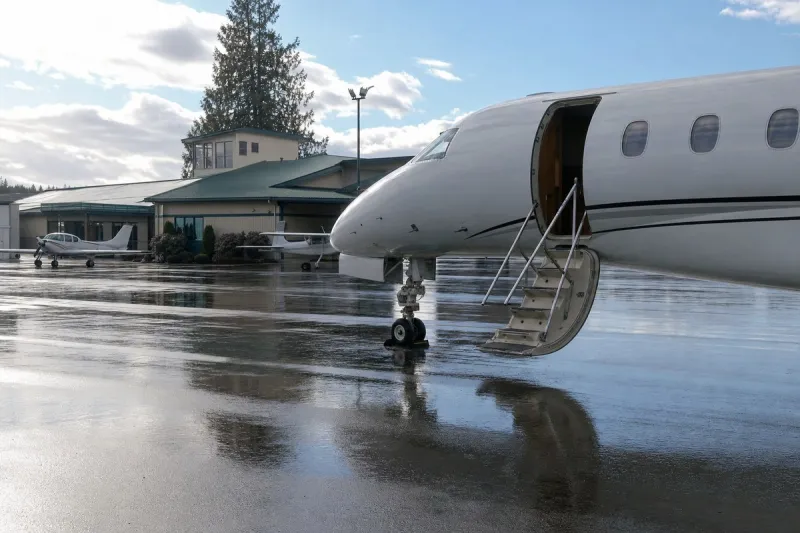
An owner can dry lease a business jet to a Part 135 certificate holder, which supplies the crews and holds operational control on its charter flights. Each certificate holder must have exclusive use of at least one aircraft, meaning sole possession, control and use for at least six consecutive months.
In management agreements, the owner keeps the aircraft while a management company crews and maintains it. One operator's annual report describes management revenue as monthly management fees plus recovery of owner expenses and operating costs.
Industry impact & what to watch
The framework places the legal weight on who controls the flight rather than on what the contract is called. A dry lease that looks like an owner arrangement on paper can still make the lessor the operator if that company services and flies the aircraft, which is the sham dry lease scenario the FAA guidance describes. For business aviation, this means the structures that sit between private ownership and commercial charter are tested on operational facts: who crews, fuels, maintains and directs each flight.
That matters for how the segment's economics are built. Dry leases into a Part 135 certificate, management agreements and time-sharing arrangements each allocate operational control differently, and each carries a different split of cost and risk. ACMI contracts sit at the other end, with guaranteed minimum block hours and the customer carrying fuel, demand and price risk.
What settles any individual case is the documentation. The 91.23 requirements for a written lease, a truth-in-leasing clause naming the party responsible for operational control, and filing with the Aircraft Registration Branch within 24 hours are the points at which a structure either holds up or does not.