AOPA Urges FAA to Clarify Ground Stop Rules for GA Pilots After Nov. 13 Nationwide Halt
Why It MattersThe episode shows that system-wide stops are written around airline and tower-controlled traffic, leaving VFR and nontowed-airport operations in an ambiguity gap that ties into the wider modernization funding debate.
What happened
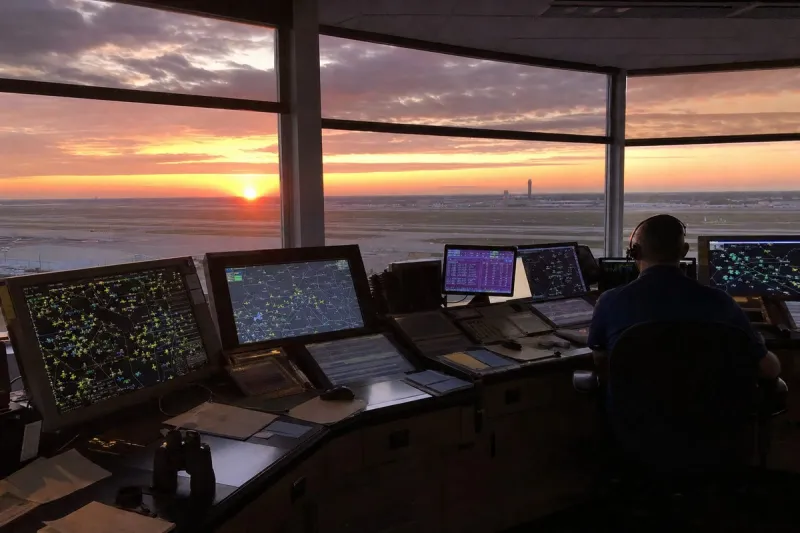
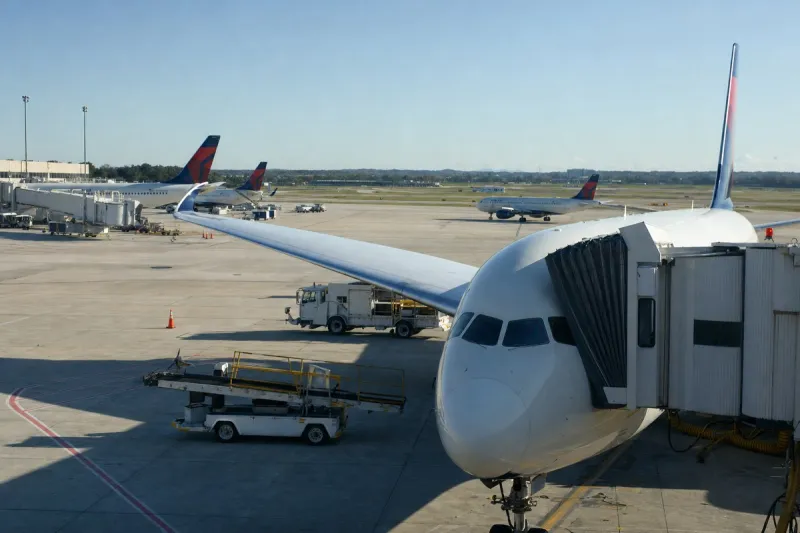
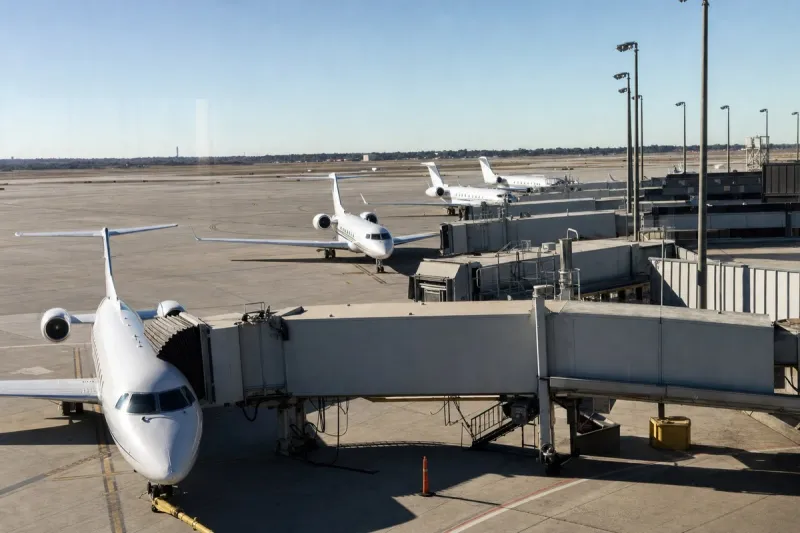
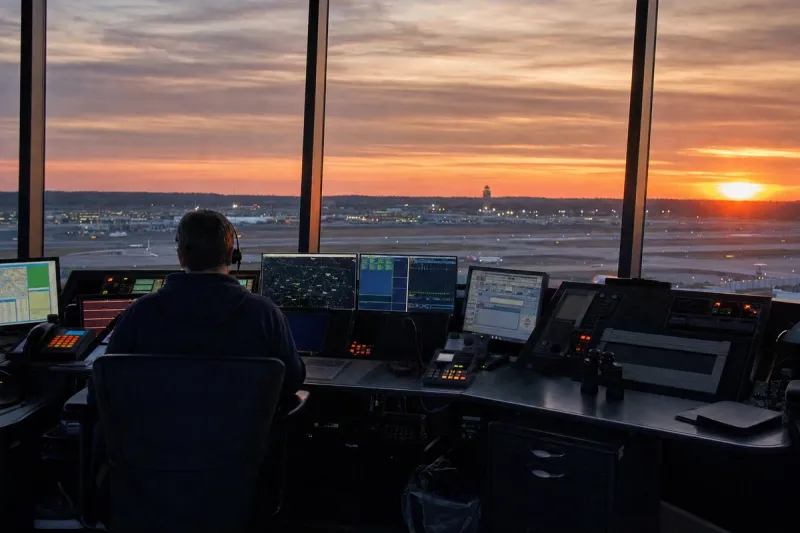
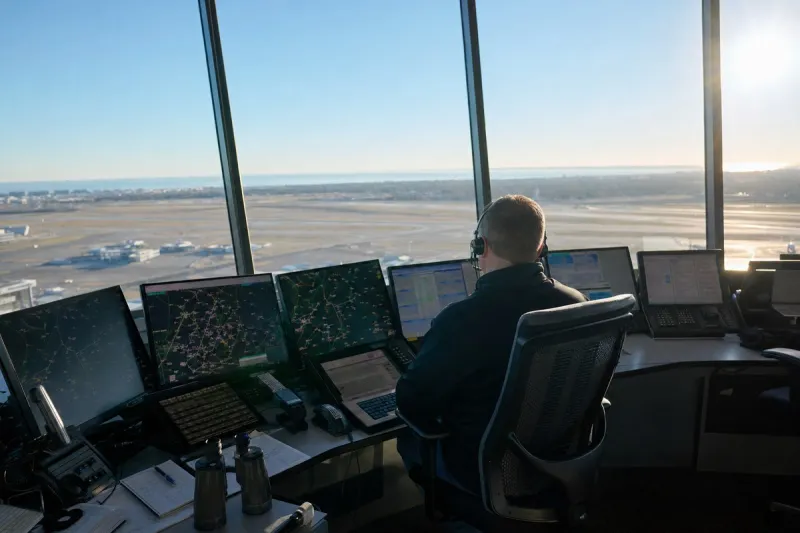
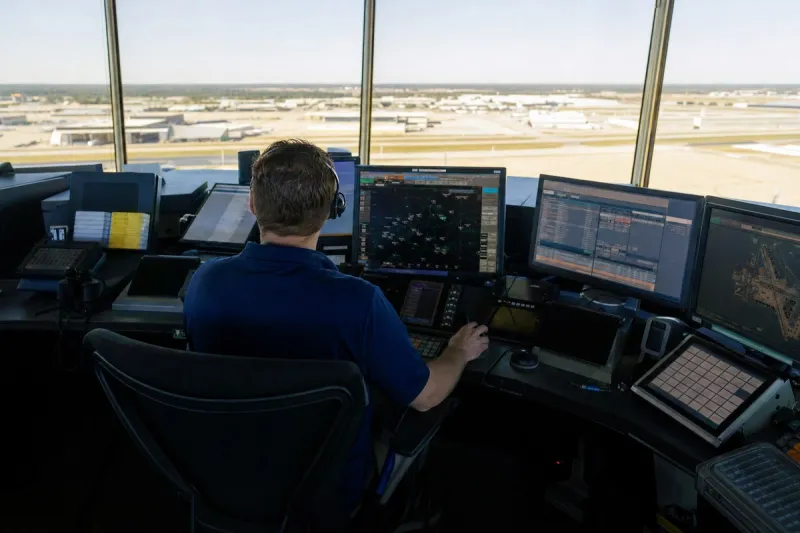
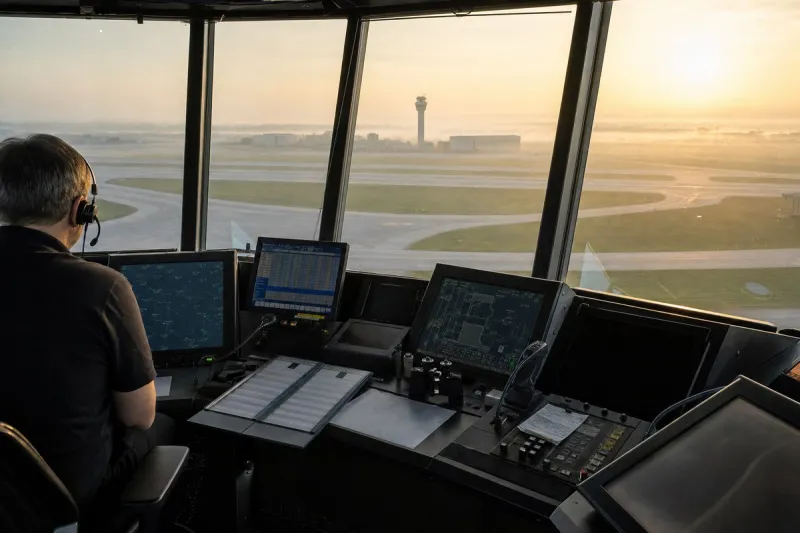
The Aircraft Owners and Pilots Association (AOPA) says the FAA's nationwide ground stop on Nov. 13 exposed a communication gap for general aviation pilots, many of whom were unsure whether they could keep flying or had to land. The ground stop was issued shortly before 4 p.m. EST, following a telecommunications failure that affected air traffic control facilities across the country. Departures were halted for more than four hours.

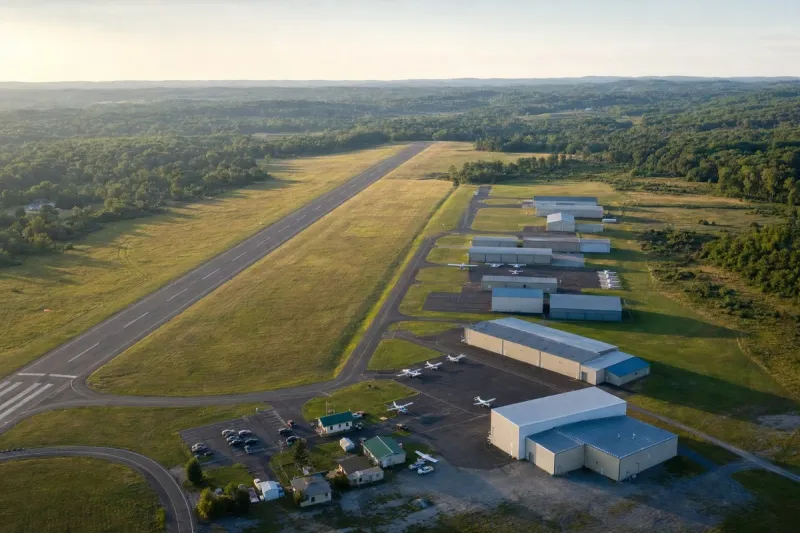
The FAA announced that airports nationwide were under a ground stop but did not clearly explain whether the restriction applied to visual flight rules (VFR) operations. Pilots received conflicting guidance: some VFR flights continued, while others were told to land. AOPA said the FAA did not issue a NOTAM to clarify the restrictions, leaving pilots and controllers without consistent direction. The association said the problem was particularly concerning for pilots operating from the thousands of nontowered airports across the country, where access to real-time guidance can be limited.
"When the FAA stops the entire system, pilots shouldn't have to guess whether that includes them," said AOPA Vice President of Regulatory Affairs David Boulter, who called for clearer guidance on which operations are affected during a ground stop and how the agency will communicate those restrictions.
Funding and the modernization program
AOPA is also asking Congress to provide additional funding for the FAA's ongoing air traffic control modernization effort, arguing that the outage highlighted the risks of relying on aging infrastructure. Congress approved $12.5 billion in 2025 to begin the program. Transportation Secretary Sean Duffy requested another $30 billion in September, but raised the estimated cost of a complete overhaul to approximately $50 billion following the outage.
Duffy and FAA Administrator Bryan Bedford briefed lawmakers on the modernization effort on Nov. 18. "Last Friday showed what happens when the largest and most complex aviation system in the world continues to rely on decades-old technology," said AOPA Senior Vice President of Government Affairs and Advocacy Jim Coon. AOPA is part of the Modern Skies Coalition, a group of more than 60 aviation organizations supporting modernization rather than privatization of the nation's air traffic control system.
Industry impact & what to watch
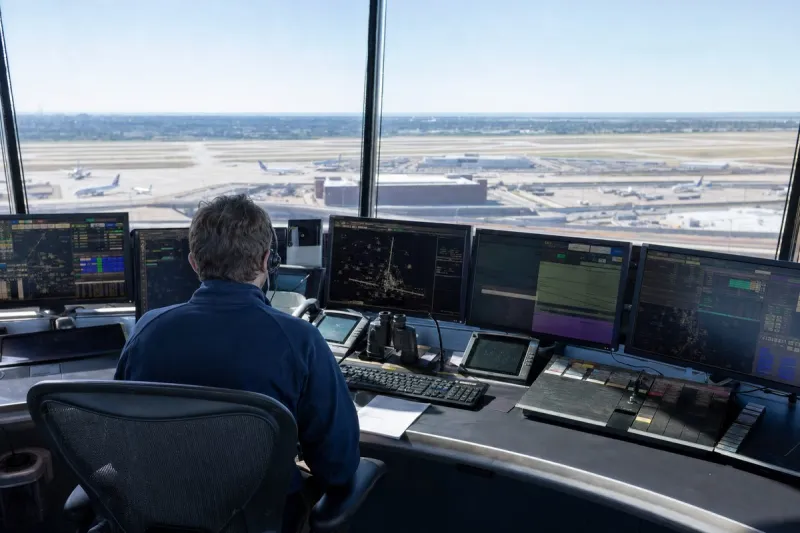
A national ground stop is a blunt instrument, and this case shows where its edges are soft. Instrument traffic under positive control follows a clear chain of instruction, while VFR flying, especially out of nontowered fields, depends on pilots interpreting a general announcement. When the announcement does not say who is covered and no NOTAM follows, controllers and pilots fill the gap differently, and the result is inconsistent handling of the same event.
The episode also feeds the funding argument. The outage gave advocates a concrete example of what a single telecommunications failure can do across the system, and the cost estimate for a full overhaul moved up to roughly $50 billion in the same period. Whether Congress acts on the additional request will shape how quickly any communication redundancy reaches the field.
The near-term marker is whether the FAA responds to the call for written guidance on VFR operations during a ground stop, and whether a NOTAM becomes the standard way those restrictions are communicated.