AI Data Center Demand for Aeroderivative Turbines Adds Pressure to Shared Engine Supply Chain Serving Business Jets
Why It MattersShared high-temperature alloys, castings and forgings link ground turbines to flight engines, so data center demand adds competition for capacity in a business jet engine support system already tight.
What happened
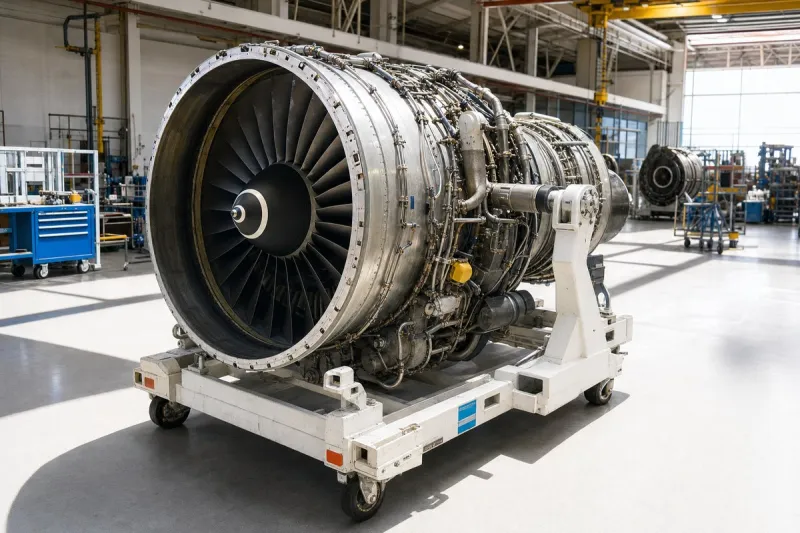
Developers of AI data centers who cannot wait years for a grid connection are buying gas turbines derived from jet engine designs to generate power on site. GE Vernova's LM6000 and LM2500 are derived from GE's CF6 family, and GE Vernova says data centers now account for about a fifth of its gas turbine demand. Mitsubishi Power's FT8 and FT4000 are derived from Pratt & Whitney's JT8D and PW4000 airliner engines.
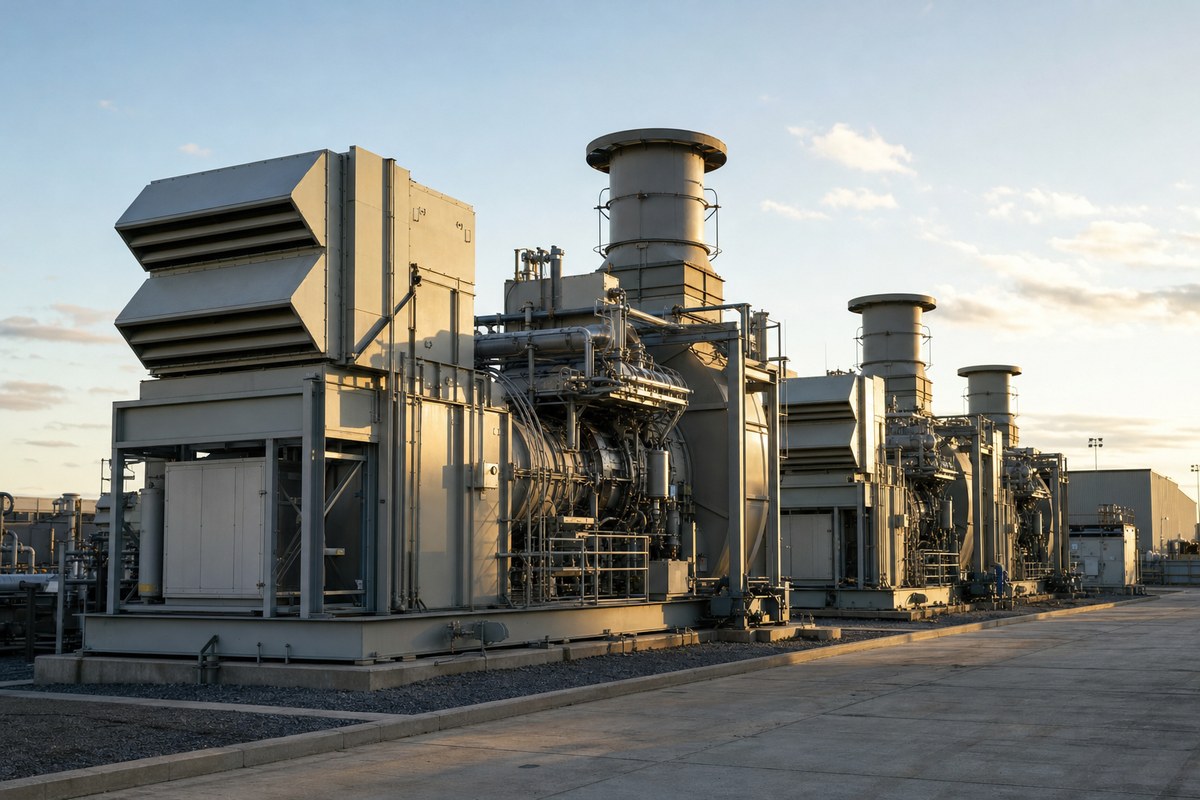
FTAI Aviation launched a platform in December 2025 to convert retired CFM56 airliner engines into 25-megawatt natural gas turbines, with production expected to begin in 2026. Business jet engines such as the Honeywell HTF7000, Pratt & Whitney Canada PW300 and PW500, Rolls-Royce BR700 family, GE Passport and Williams FJ44 are not part of these conversion programs. Honeywell has licensed its T55 helicopter engine to Signal Power Group.
Rolls-Royce's mtu generator business, which uses piston engines, is growing in data centers; its Power Systems division grew organic revenue 28 percent and profit 72 percent in the first half of 2026. Howmet Aerospace said its gas turbine revenue was about $1 billion in 2025 and could exceed $2 billion within three to five years, which is a projection.
GE Aerospace moved in September 2026 to bring Consolidated Precision Products, a major aerospace castings maker, fully under its umbrella to secure casting capacity. Honeywell lowered its 2026 outlook in August, citing supply chain constraints, and said it is prioritizing original equipment deliveries to Boeing and Airbus over its higher-margin aftermarket business, even as aftermarket sales grew 8 percent on strong business aviation flight hours.
Pratt & Whitney Canada is being sued by ATI Jet (Jetvia), a Learjet 60 operator with PW305 engines, in a case centered on the size of P&WC's rental engine pool; these are allegations, and the quoted contracts describe lease engine support as subject to availability.
Industry impact & what to watch
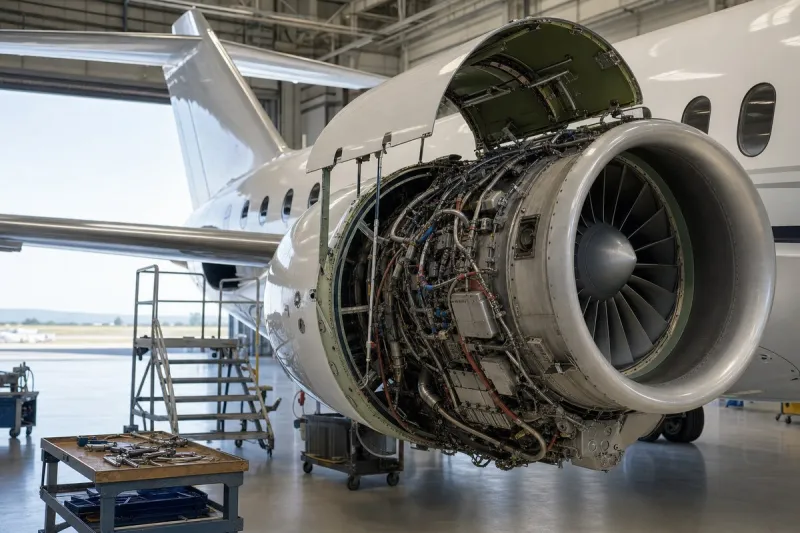
The link between power generation and business aviation is not shared engine models but shared inputs. Ground-based and flight engines draw on the same high-temperature alloys, castings, forgings and coatings, often from the same suppliers, so a surge in turbine orders competes for the capacity that also feeds aircraft engine production and repair.
That competition lands on a segment where support was already stretched. When an engine maker prioritizes original equipment deliveries to airliner customers over aftermarket work, business jet operators sit further back in the queue for parts and shop slots, and lease engine pools, described in contracts as subject to availability, are the first buffer to thin out.
In a market like this, engine program enrollment is worth more because it governs access to parts, shop slots and lease engines. Buyers of new aircraft are advised to ask about delivery timing and engine program terms. The next signals are Howmet's turbine revenue against its projection and FTAI's production start in 2026.