CycloKinetics Wins $86.3 Million Pentagon Contract to Develop Alternative Fuels for Aircraft, Space Launch and Weapons
Why It MattersDefense-funded drop-in fuels give a small developer a route to scale that private capital alone may not provide, and military adoption could set the benchmark for any later commercial aviation use.
What happened
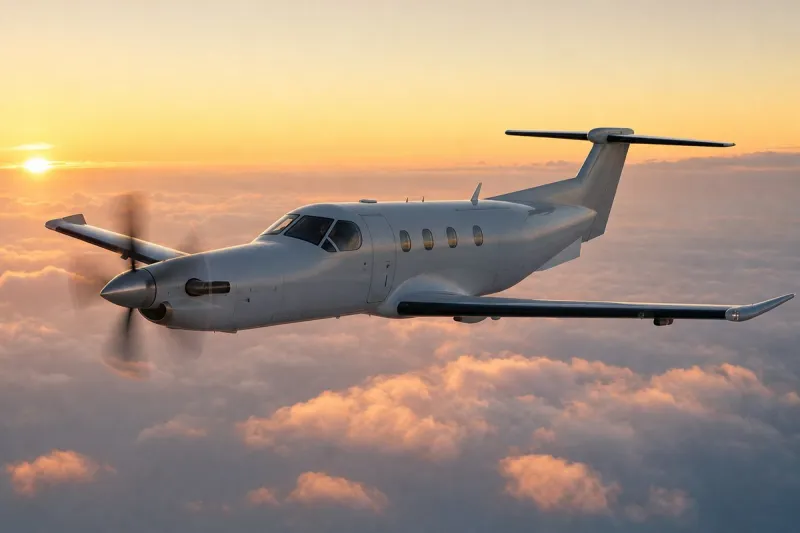
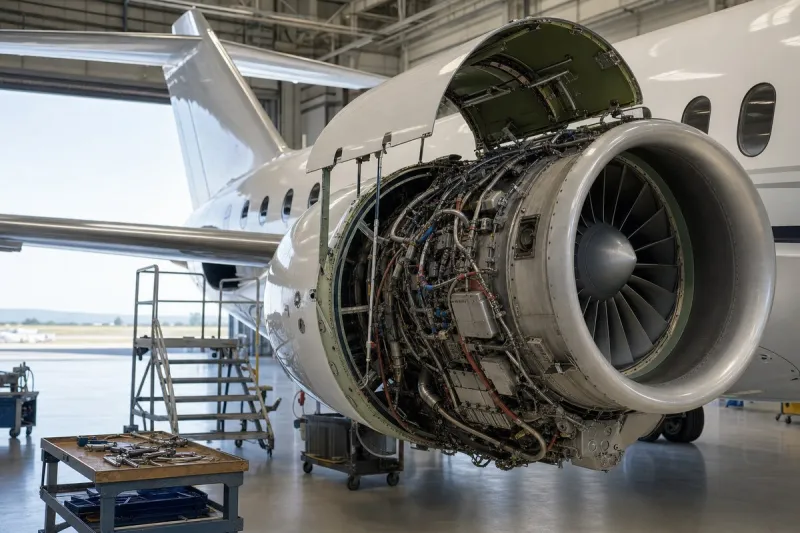
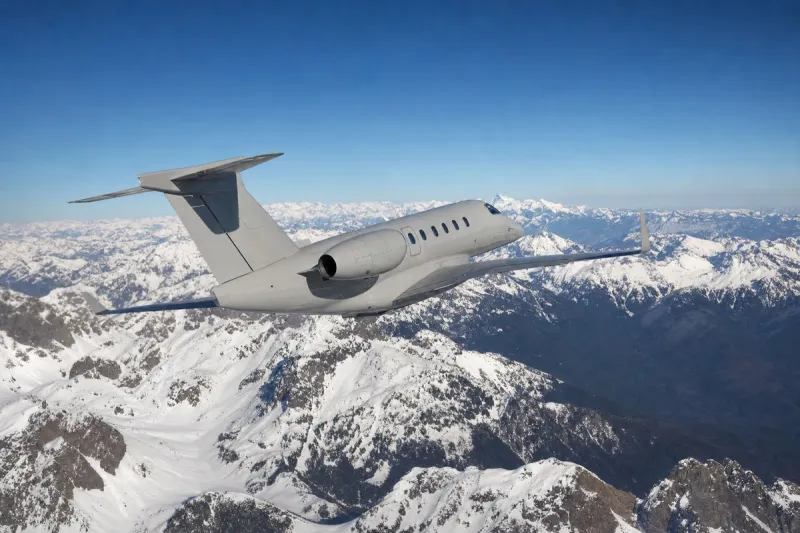
The Pentagon has awarded Utah-based startup CycloKinetics an $86.3 million contract to advance the development of alternative fuel sources that could power US military aircraft, space launch and weapons, the company told Breaking Defense. Founded in 2009, CycloKinetics has worked with the Defense Department for more than a decade on propellants intended as "drop-in" replacements for traditional jet fuel and other propulsion sources, meaning they can be used in existing engines and fuel systems without major modifications.
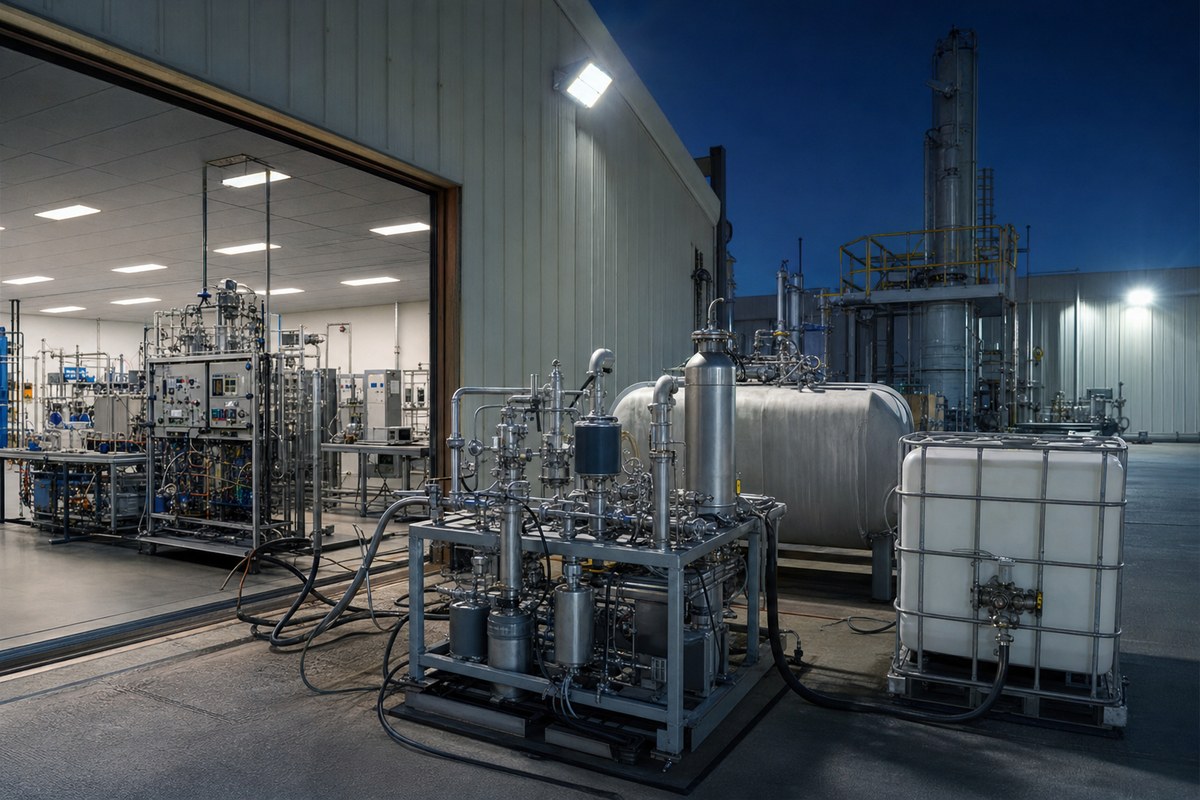
CEO Mukund Karanjikar said the propellants, derived from cyclo-paraffinic hydrocarbons, have "superior energy content," packing more energy into the same volume. He described the new award as meant "to set a process prototype for demonstrating ultimately what scalability will look like when we go full commercial." The company has raised outside private capital, and future financing could be fully private or a mix of public and private partnership. At scale, one manufacturing facility could produce "tens of millions of gallons" of fuel annually.
Three products are in development: a jet fuel substitute called CycloJP, a rocket fuel called CycloRP and a missile propellant called CK-10. Karanjikar said the jet and missile fuels can extend a platform's reach, and he has previously claimed the fuel could increase aircraft range by about 30 percent. He said CycloRP could enable "higher mass to orbit." He added that the fuels have been tested successfully on military platforms he declined to identify, and that the tests showed they work as drop-in replacements while offering performance advantages over conventional fuels.
Retired Air Force Gen. Tod Wolters, a former commander of NATO forces in Europe who sits on the company's board, said the products offer a "definite strategic advantage" through features such as greater range. He called potential savings "indeterminable" at this stage, but said the propellants burn cleaner, potentially reducing engine wear.
Commercial aviation ambitions
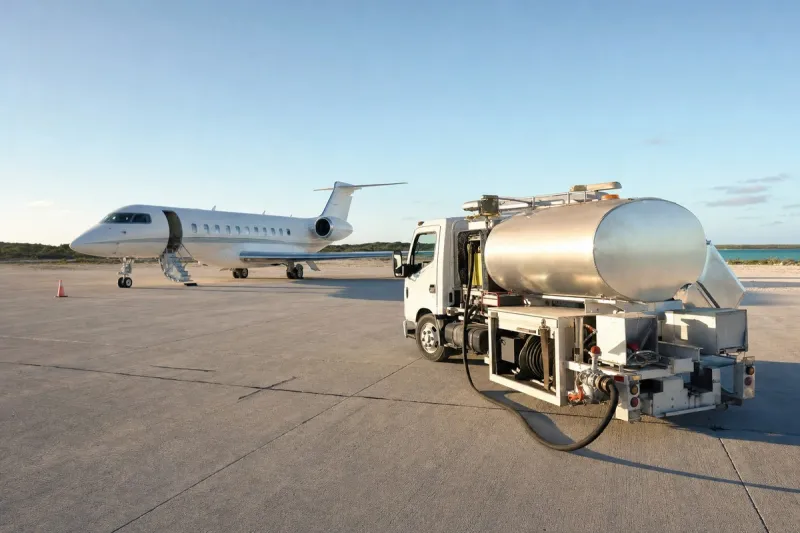
CycloKinetics is also targeting the commercial aviation market. Karanjikar argued that jet fuel demand will keep rising while conventional petroleum supplies may struggle to keep pace.
Industry impact & what to watch
Drop-in compatibility is the commercial crux of any alternative fuel. Aircraft engines, fuel systems and airport supply chains are certified around existing fuel specifications, so a product that works without modifications avoids the retrofit and recertification burden that blocks most new propulsion fuels. That is the property the company emphasises, and it is also the one that its military tests, on platforms it declined to name, are said to support.
For a startup, a defense contract of this size typically does more than fund development: it pays for a process prototype that shows whether production can scale, which is the stated purpose of this award. Defense demand has often served as the first anchor customer for aviation fuel and propulsion technology before civil operators take interest, because military buyers can weigh range and performance advantages differently from airlines focused on per-gallon cost. Wolters himself called the savings indeterminable at this stage, which suggests the commercial case would rest on performance and supply rather than price.
The measurable markers to follow are the outcome of the process prototype, the identity of any future private or public-private financing partners, and whether independent test results on range and engine wear are published. Those would show whether the claimed advantages, including the roughly 30 percent range increase, hold up outside the company's own account.