Airbus Chose Sidesticks, Boeing Kept Yokes: How Fly-By-Wire Cockpits Diverged
Why It MattersCockpit control layout is set as much by what a design era could afford as by philosophy, and active sidesticks now let both layouts offer linked inputs and feedback.
What happened
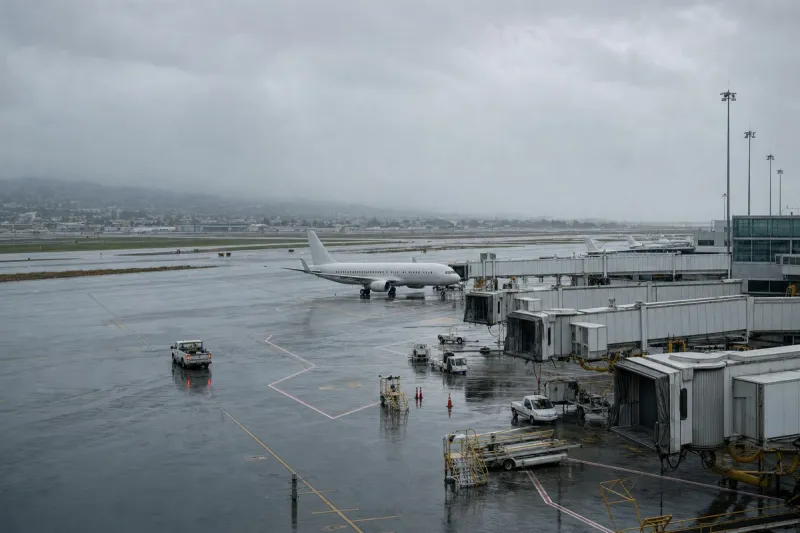
The Airbus A320 was the first commercial airliner with a digital fly-by-wire system, which made a conventional control column technically unnecessary. Airbus fitted a sidestick. Boeing reached fly-by-wire later, with the 777 and 787, and kept the yoke even though neither aircraft needs one for mechanical reasons. Boeing's software aims to replicate the feel of mechanically controlled flight, which is not the case for Airbus.
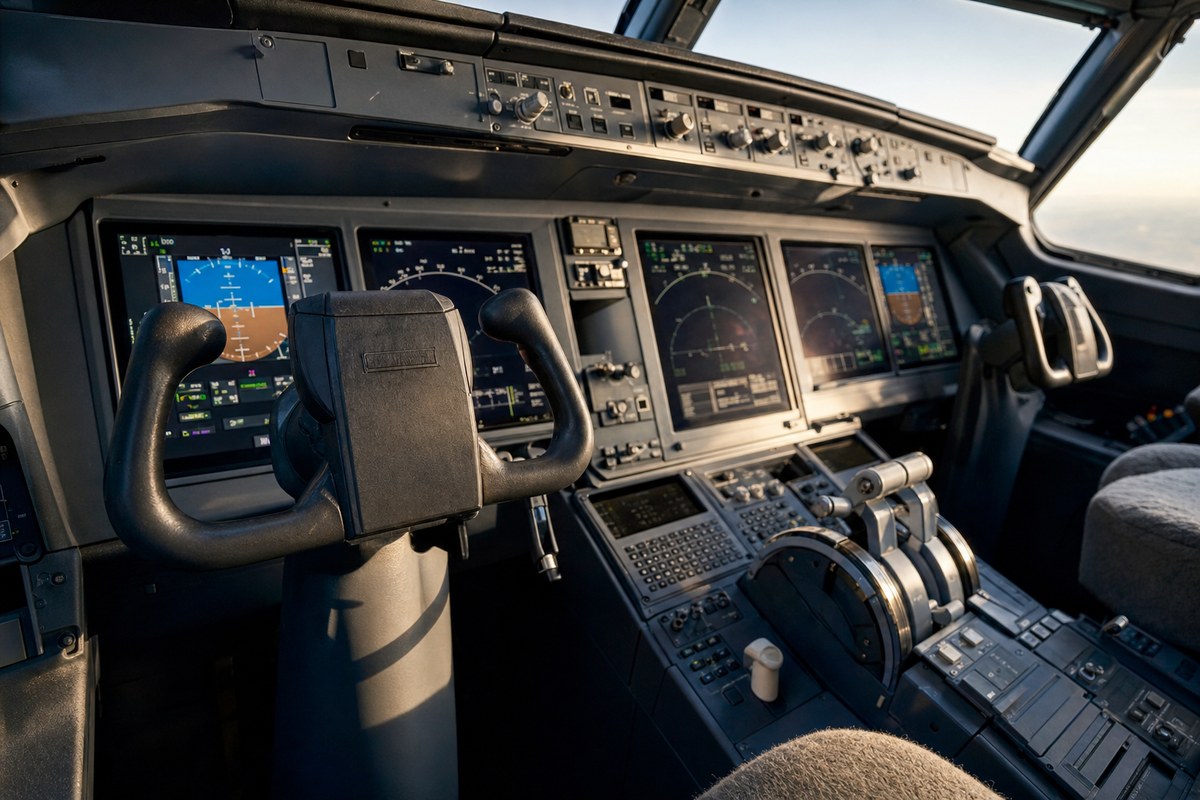
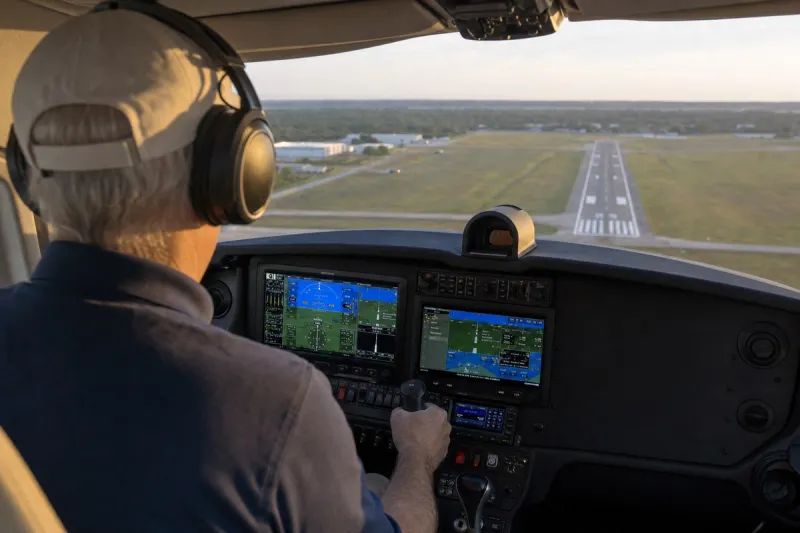
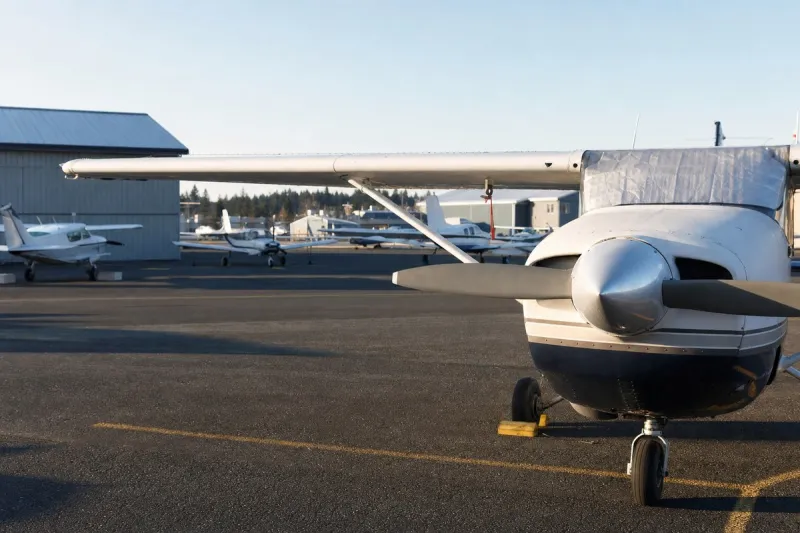
The key difference is whether the controls are linked. Boeing's yokes are linked, so each pilot sees and feels the other's inputs. No fly-by-wire Airbus has linked sidesticks, and each sidestick is an independent input to the flight control computers. Light aircraft with dual yokes are likewise directly connected, with a sprocket behind each tube and a chain driving both. Whether unlinked controls constitute a meaningful safety distinction remains contested among pilots.
A second difference appears with the autopilot engaged. On a Boeing, the yoke moves and the thrust levers advance and retard with the autothrottle. On a modern Airbus, neither the sidestick nor the thrust levers move, and the information is shown on the displays, with thrust given numerically on the screen. Boeing's approach gives a continuous peripheral sense of aircraft state, while Airbus's requires an active instrument scan but removes moving hardware.
Active sidesticks and the business jet side
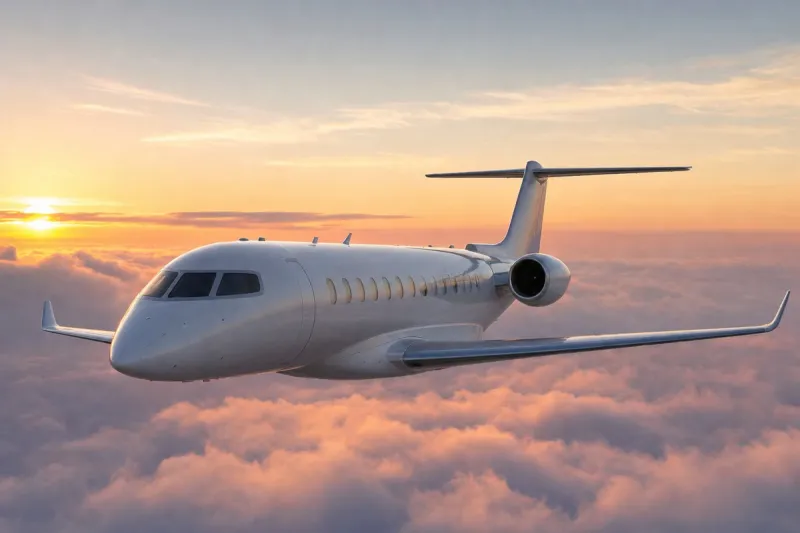
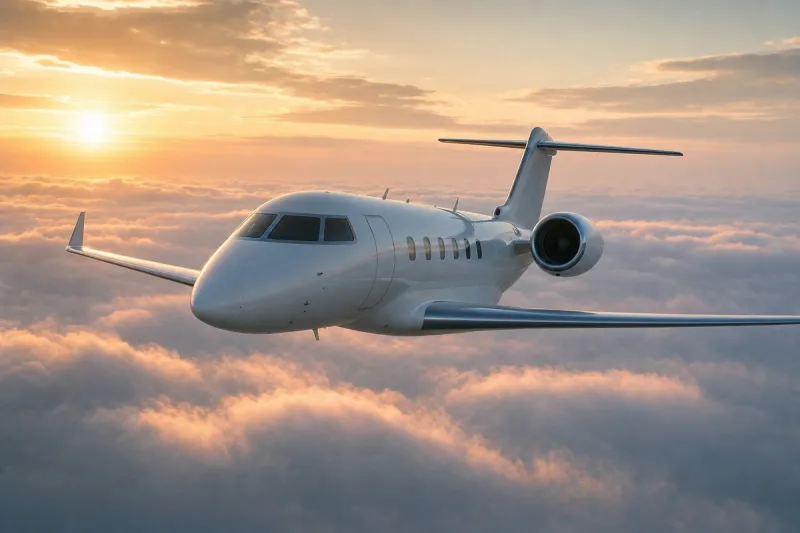
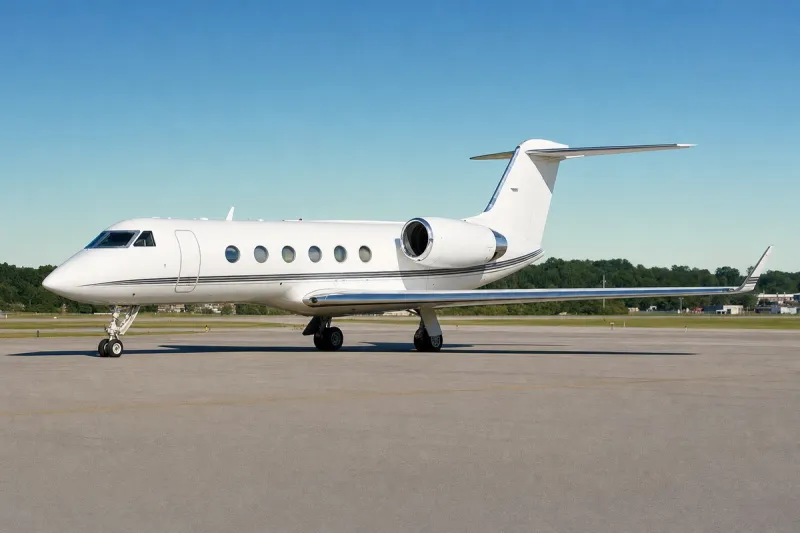
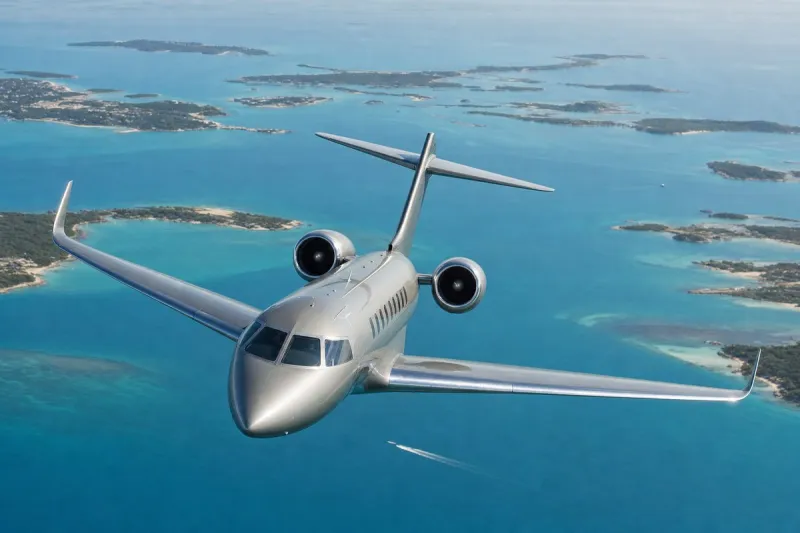
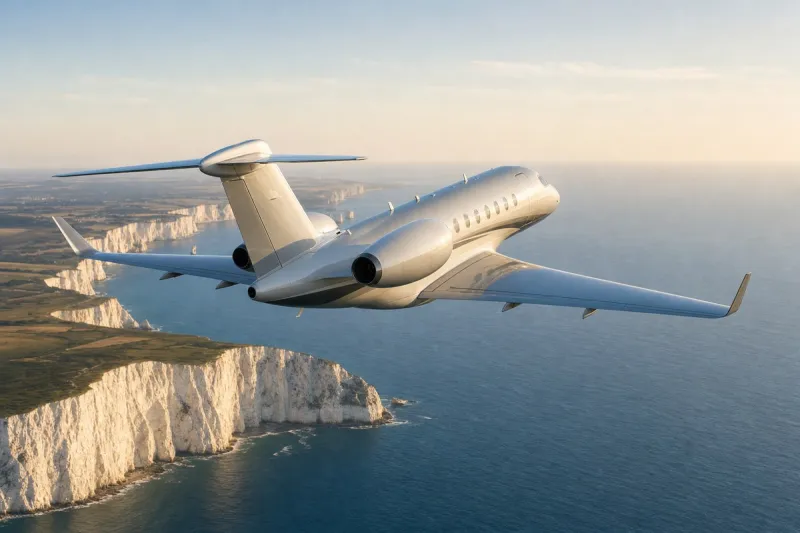
A linked system was not economically feasible in the 1980s, when the A320 was designed. Active sidesticks later addressed this, using electric servos to link the two sticks electronically and to supply tactile feedback in manual flight. The Gulfstream G500 and G600 were among the first aircraft to fly them.
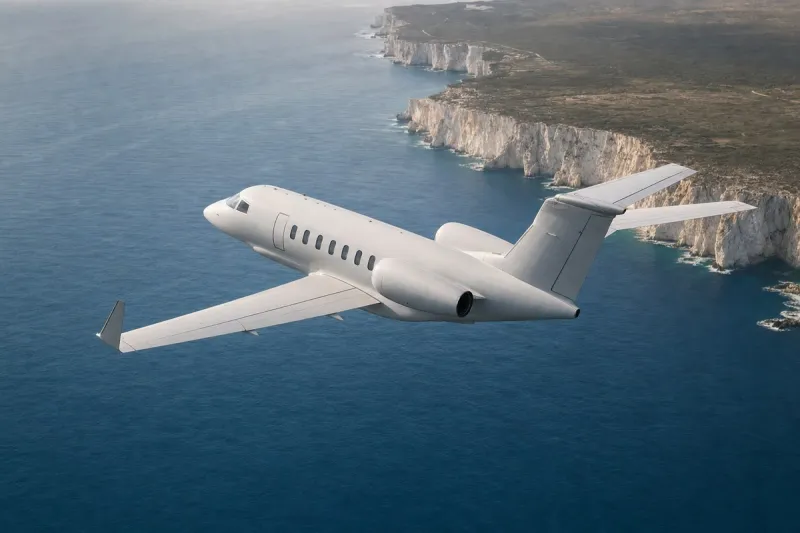
The Airbus A220, designed by Bombardier as the CSeries and acquired by Airbus in 2018, has linked sidesticks, as do many business jets. Airbus has not adopted linking on its own designs.
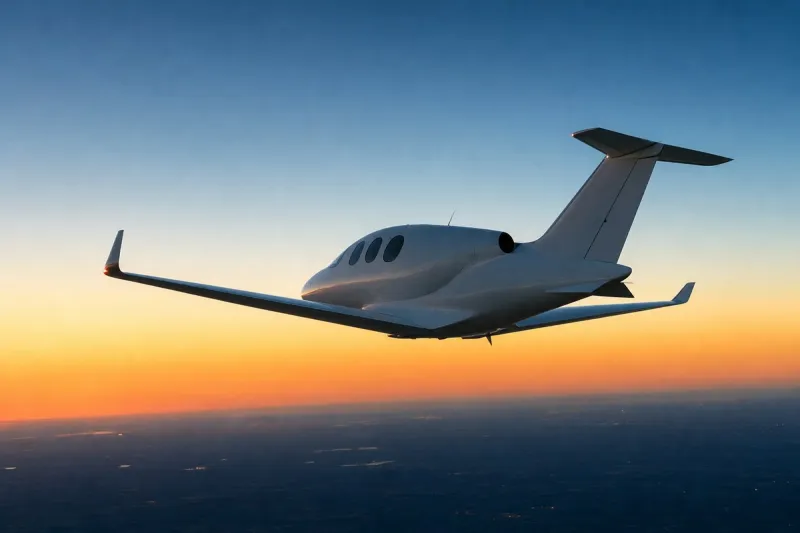
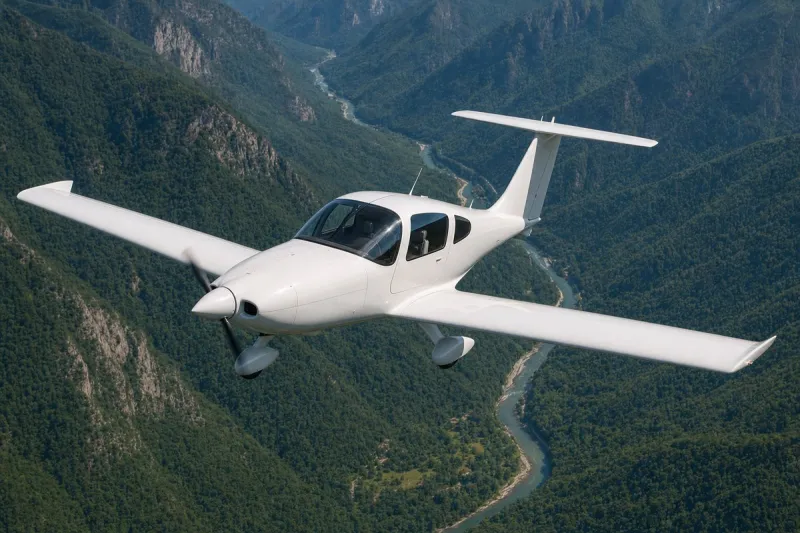
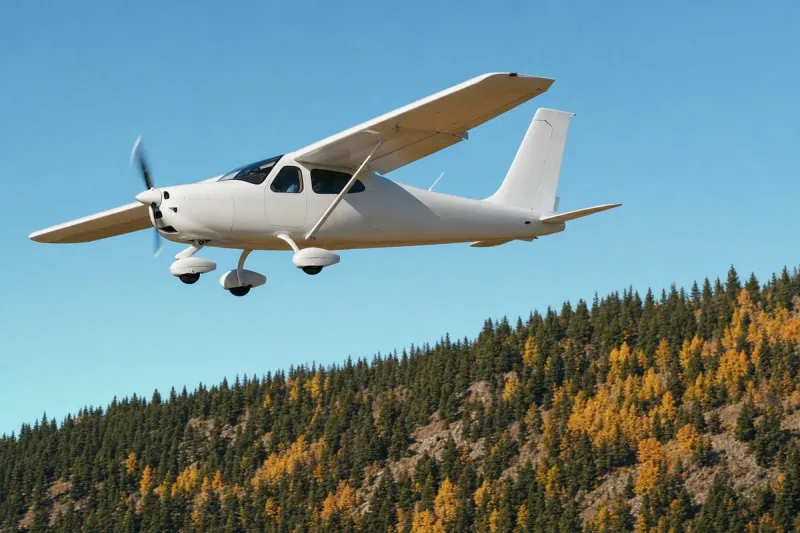
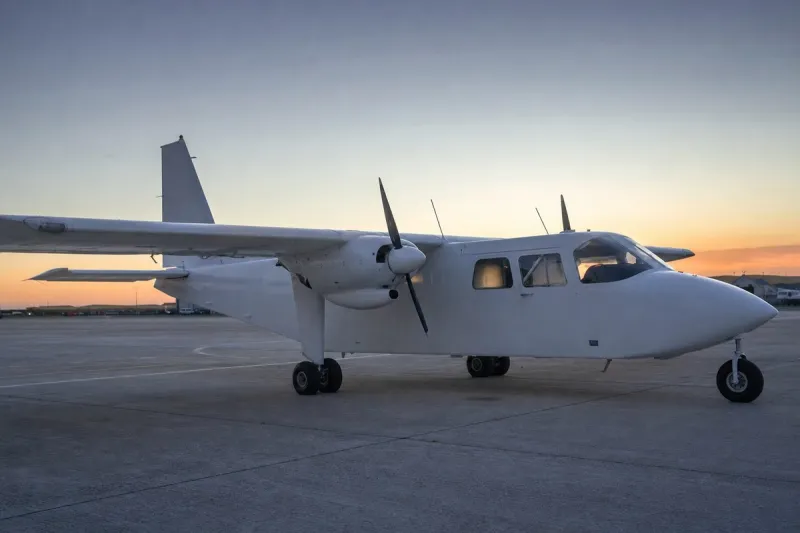
The divide extends beyond airliners. AOPA traces the yoke to at least the Curtiss 1 in 1909, and it remains standard in light aircraft, where most installations are mechanically interconnected. AOPA credits Cirrus with popularizing the side yoke, which looks like a stick but functions like a yoke, commanding conventional control surfaces through mechanical linkages rather than a computer. Cirrus replaced it with a more conventional sidestick on the Vision Jet. Dassault announced the Falcon 7X at the 2001 Paris Air Show, and Aviation Week describes it as the world's first fly-by-wire business jet.
Industry impact & what to watch
The split between sidesticks and yokes is often framed as a difference in philosophy, but the cost of linking two controls in the 1980s points to a more practical origin. Once electric servos made linked sticks affordable, the main technical argument for unlinked sidesticks weakened, and the business jet makers that adopted active sidesticks show the hardware can now be built either way.
For operators and training departments, the practical stake is in procedures and habits rather than hardware. Pilots moving between a linked-control aircraft and an unlinked one carry different cues about what the other seat is doing, and the same applies to autothrottle behaviour, where one design moves the levers and the other relies on the displays. Those differences sit inside type ratings and crew coordination standards.
Airbus has kept its own designs unlinked even though the A220, which it acquired, has linked sticks, so the two approaches now coexist inside one manufacturer's range. That coexistence is the clearest sign that the choice is no longer forced by technology.