Jet A-1 Fuel: Freeze Point, Standards and Role in International Private Jet Charter
Why It MattersFuel grade shapes where and how long-range charter aircraft can operate, because freeze-point limits, regional grade availability and supply-disruption substitution rules set the practical boundaries of international routing and pricing.
What happened
Jet A-1 is a kerosene-based aviation turbine fuel with a maximum freeze point of -47°C, and it is the dominant jet fuel for international turbine-powered flight. It is governed worldwide by ASTM D1655 and DEF STAN 91-091.
The fuel is a highly refined, straw-colored to colorless kerosene with carbon numbers from C8 to C16 and a boiling range of roughly 150°C to 250°C. Density at 15°C runs from 775 to 840 kg/m³, the minimum flash point is 38°C, and the minimum net heat of combustion is about 42.8 MJ/kg, with typical values around 43.1 MJ/kg. Additives such as static dissipators and corrosion inhibitors are used in the fuel.
Three civil jet fuels are in main use. Jet A has a maximum freeze point of -40°C and is primarily available in the United States. Jet A-1 is widely available outside the U.S., and 280 airports in 45 U.S. states also supply it, according to the eFlight Registry. Jet B is a wide-cut kerosene-naphtha blend with a freezing point around -60°C and a lower flash point, used mainly in very cold regions such as northern Canada and Siberia and rarely encountered in business aviation. Jet A and Jet A-1 share a 38°C minimum flash point.
ASTM D1655 sets limits on density, flash point, freezing point, sulfur (maximum 0.30% by mass), aromatics (maximum 25% by volume) and distillation. DEF STAN 91-091, the UK Ministry of Defence standard, carries the NATO code F-35 and includes tighter requirements for electrical conductivity and lubricity. The Joint Inspection Group oversees quality assurance at jointly operated airport fuel systems using the AFQRJOS checklist, which merges the strictest limits from both standards. Russia and CIS states use TS-1 under GOST 10227, with a minimum flash point of 28°C.
Outside air temperatures at cruise on high-altitude, transcontinental and polar routes can fall below -56°C, where wax crystals could restrict fuel flow. Aircraft manage the risk with fuel heaters, recirculation between tanks and minimum fuel temperature limits in the flight manual. IATA guidance material updated in 2026 addresses cases where Jet A may substitute for Jet A-1 at supply-disrupted locations; crews must confirm the aircraft's certification permits the alternate grade and that route conditions do not demand a lower freezing point.
Jet A-1 is not interchangeable with aviation gasoline (AVGAS 100 and 100LL, meeting ASTM D910 and DEF STAN 91-90), a leaded high-octane fuel for piston-engine aircraft. Putting AVGAS into a turbine aircraft is a serious safety hazard; airports prevent it with color-coded hoses, different nozzle diameters and labeling mandated by JIG and IATA. Charter broker Jettly says it connects customers with certified operators that source fuel meeting international quality and safety requirements.
Industry impact & what to watch
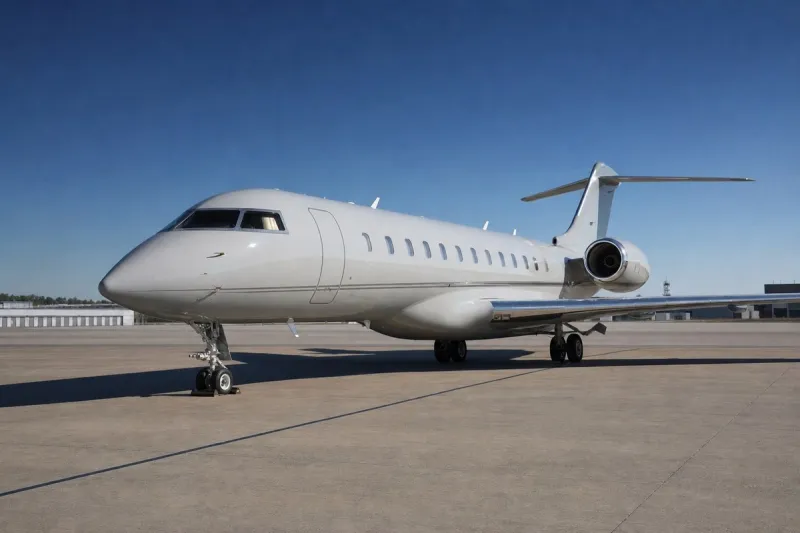
Fuel grade is one of the quieter constraints on international private jet operations. A 7°C gap between Jet A at -40°C and Jet A-1 at -47°C looks small, but on polar and transcontinental legs where cruise temperatures drop below -56°C it decides how much margin an aircraft has before wax formation becomes a concern. That is why grade, aircraft certification and route conditions have to be checked together rather than one at a time.
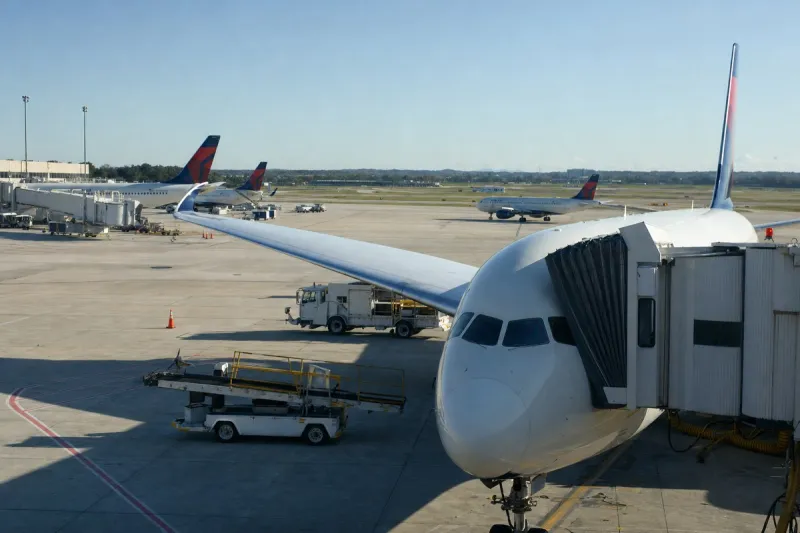
The split between the U.S. and the rest of the world also shapes charter planning. Jet A dominates domestically, while Jet A-1 is the international default, so a transatlantic or intercontinental trip often crosses a supply boundary. The dual-standard structure, with ASTM D1655 and DEF STAN 91-091 merged into the AFQRJOS checklist at jointly operated systems, is what lets one grade be accepted across most of the world's airports, with TS-1 supply in Russia and CIS states as the main regional exception.
The 2026 IATA guidance on Jet A substitution at supply-disrupted locations is the item with practical consequences going forward. It makes substitution a documented, conditional option rather than an improvisation, but it leaves the final call with crews, who must confirm the aircraft's certification and route conditions. How often operators actually invoke that provision will show how fragile fuel supply is at the locations that matter to long-range charter.