Bay Area Flights Recover After Storm: SFO Reports 595 Delays, Eight Cancellations as Flooding Complicates Access
Why It MattersWeather ground stops hit short- and medium-haul traffic first, and the delays that follow depend on drainage, power and road access around the airport as much as on the airfield itself.
What happened
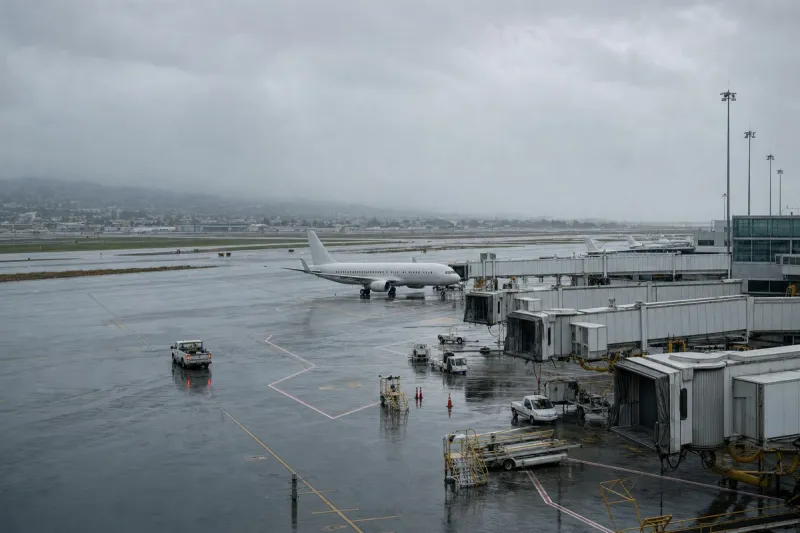
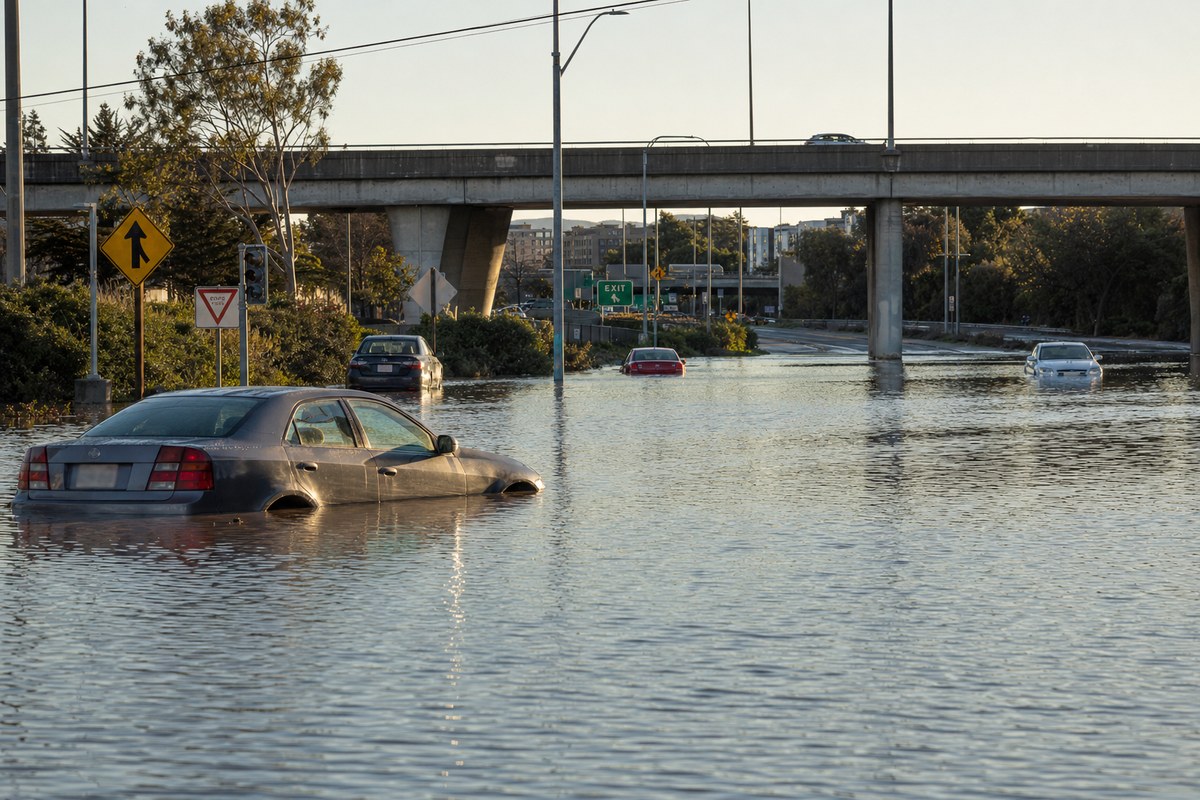
San Francisco International Airport (KSFO) had 595 delayed flights and eight cancellations on Thursday afternoon, according to the FlightAware misery map. Urban flooding and sporadic power outages continued to make travel difficult across the Bay Area. As of Thursday, some freeway off-ramps remained covered in several inches of water, and authorities were moving flooded cars out of intersections.
The storm, with winds gusting in excess of 50 mph, caused a ground stop at KSFO for a little over an hour on Wednesday. No flights were allowed to take off, and arriving flights were diverted. Airport spokesman Doug Yakel said the FAA mandates ground delay programs and ground stops to reduce the number of aircraft based on what weather conditions allow. He said the ground stop applied only to short- and medium-haul flights and ended around noon PST, and that the airport facilities team was still monitoring drainage and pump stations to make sure they were keeping up with the rainfall.
At San Jose Mineta International Airport (KSJC), minor flooding on the ramp on Wednesday temporarily closed some areas. Assistant public information manager Ana Marie State said that as of Thursday no areas of the airport were off-limits and all affected areas had reopened. She noted that KSJC has emergency plans and procedures in place and dedicated safety specialists on staff who ensure employees receive emergency response training from local and federal agencies.
General aviation airports in the region, including Hayward Executive Airport (KHWD), Reid-Hillview Airport in Santa Clara County (KRHV) and Moffett Federal Airfield (KNUQ), reported the storms were a nonevent because the heavy rain kept most pilots on the ground.
Industry impact & what to watch
A ground stop is a narrow, short event; the recovery that follows is not. At KSFO the stop lasted a little over an hour, yet a day later the airport still showed 595 delayed flights, because displaced aircraft and crews have to be re-sequenced through a congested schedule. The count of cancellations stayed at eight, which suggests the bulk of the disruption sat in delay rather than in scrubbed flights.
Weather programs also work selectively. The KSFO ground stop applied only to short- and medium-haul flights, so the operational cost fell unevenly across route types. Airports that mix commercial and general aviation see another split: the GA fields around the bay saw little activity because pilots stayed on the ground, so their exposure was low while the airline airports absorbed the queue.
The next marker is the forecast. The National Weather Service has warned that more rain and wind are likely over the weekend, which may bring further air traffic delays, and the KSFO facilities team is still watching whether drainage and pump stations keep pace with the rainfall.