Ornge Runs Canada's Largest Air Ambulance Fleet in Ontario, With PC-12 PRO and PC-24 Additions Planned
Why It MattersOrnge's mix of owned helicopters, turboprops and standing-agreement carriers shows how a single-province air ambulance system covers distance and low-acuity volume while retaining critical-care capacity in-house.
What happened
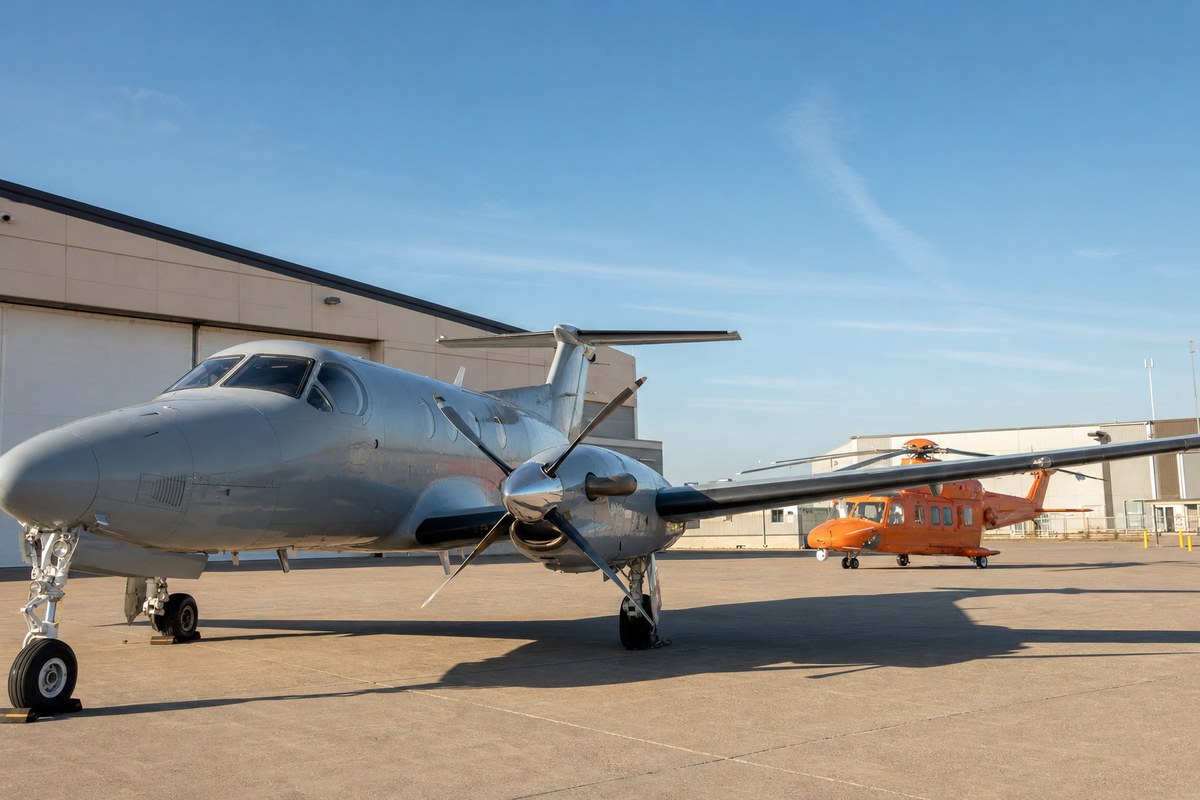
Ornge, the publicly funded air ambulance service of Ontario, Canada's second-largest province, operates 20 of its own aircraft: 12 Leonardo AW139 helicopters and eight Pilatus PC-12 NG turboprops. The company describes this as the largest air ambulance fleet in Canada. It also draws on additional aircraft from five standing agreement carriers for low-acuity transport and operates 13 Crestline land ambulances.
The service covers roughly 1.1 million square kilometers (474,000 square miles) and serves 16.2 million people. It runs 15 bases, including Toronto, Ottawa, London, Thunder Bay, Sudbury, Timmins and Sioux Lookout, and is headquartered in Mississauga, where its operations control center is also located. Its history dates to 1977, when the Ontario Ministry of Health established the Ontario Air Ambulance program; the organization took its current name in 2006.
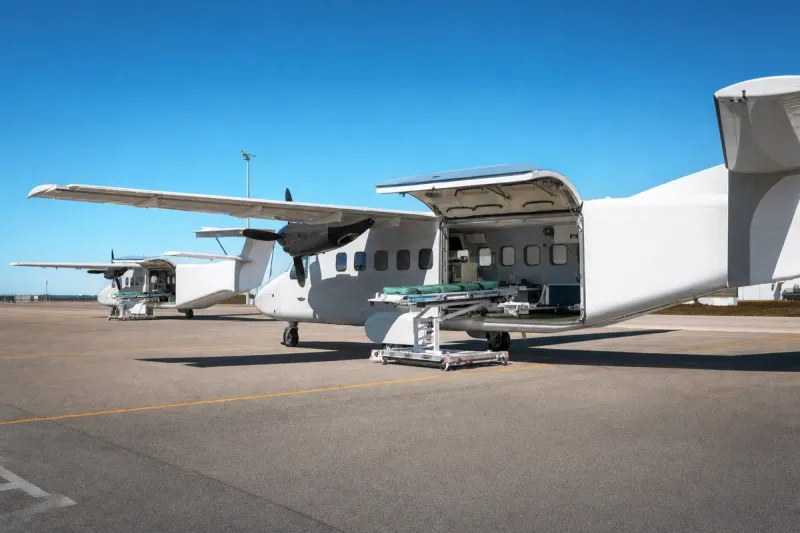
In mid-July, with wildfires burning west of Thunder Bay and an evacuation order in effect, Ornge coordinated a fleet of fixed-wing air ambulances to move stretcher-bound patients and elderly community members south. Chief operating officer and deputy CEO Wade Durham said paramedics were able to transport everybody they were asked to move.
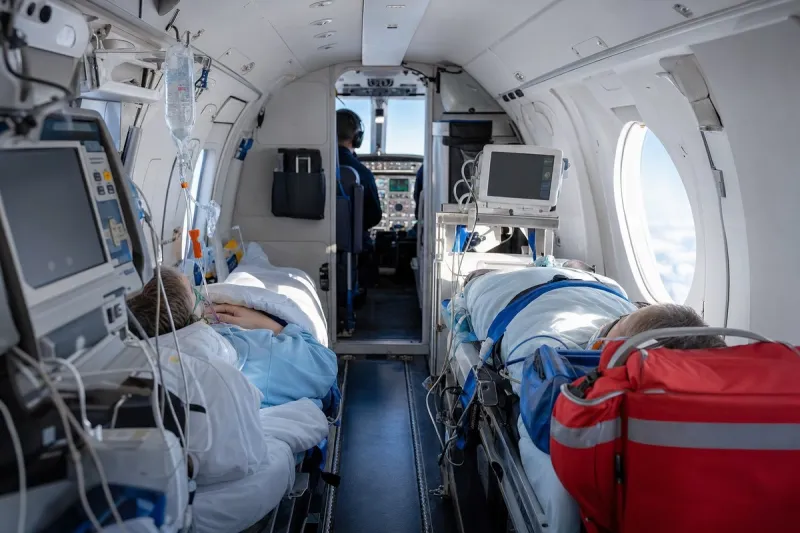
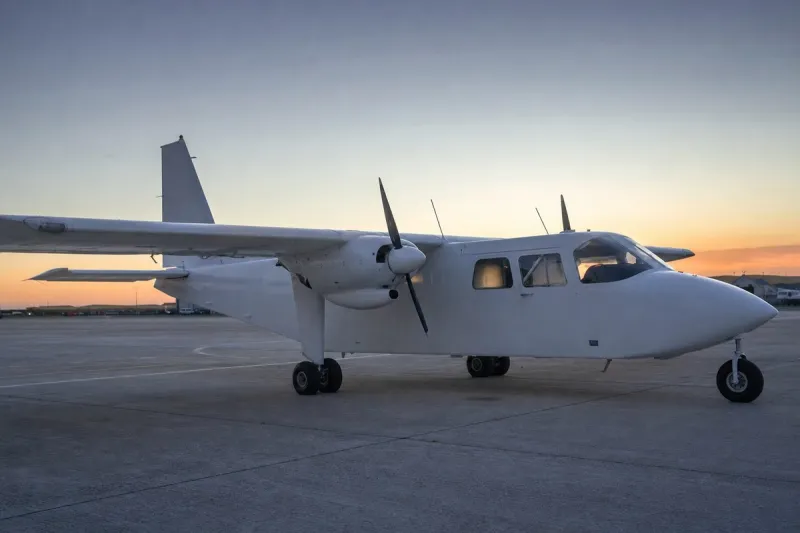
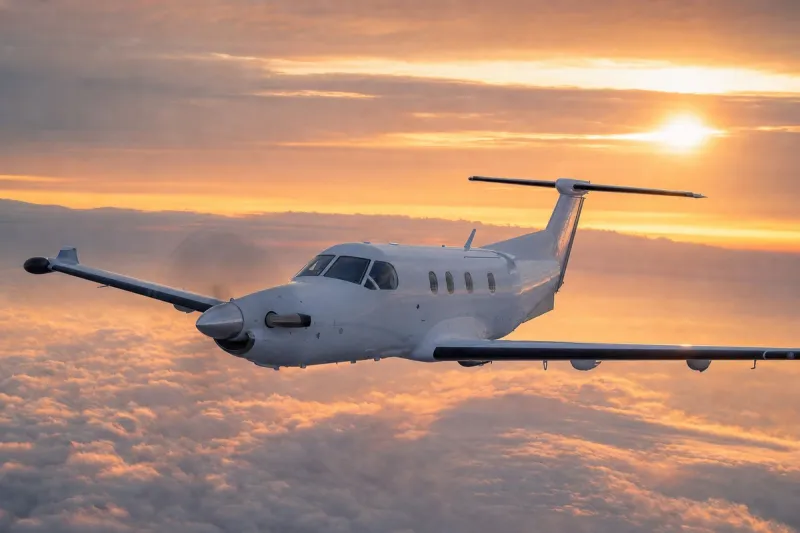
Most Ornge missions are fixed-wing. Training and standards manager Abigail Busch said about 99% of fixed-wing flights are conducted under instrument flight rules. Ornge has operated the PC-12 NG since 2008, buying directly from Pilatus, and the eight in-service aircraft fly from four northern bases with two-pilot crews. Some northern communities have no road access and only a 3,500-foot gravel strip. Ornge carries blood on its fixed-wing aircraft and some helicopters so it can maintain ICU-level care during transport.
Fleet renewal: PC-12 PRO and PC-24
The newer PC-12 PRO will replace the NGs, and the Sudbury base is expanding. Ornge plans to own and operate 12 of the type by 2030. The PRO has a takeoff distance of 2,485 feet (760 meters), a landing distance of 2,170 feet (660 meters) and a maximum range of 3,339 kilometers (2,074 miles). It is a launch platform for the Garmin G3000 avionics suite, which includes Autoland and five touchscreen displays, and has a comprehensive de-icing system. Aircraft are built in Switzerland, flown unpainted to Pilatus' completion facility in Colorado, and fitted with a custom medical interior.
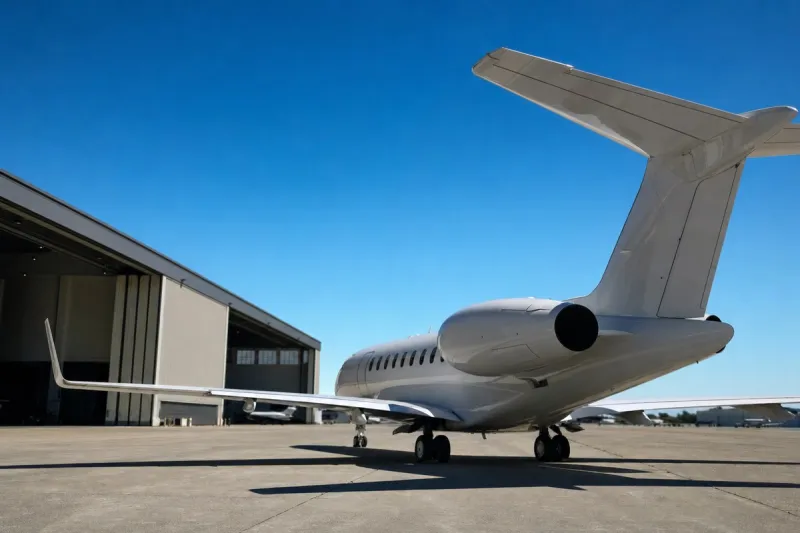
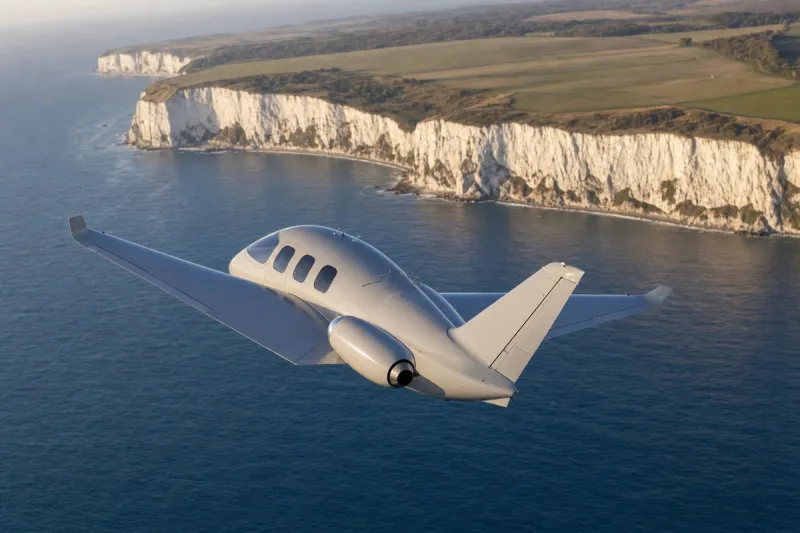
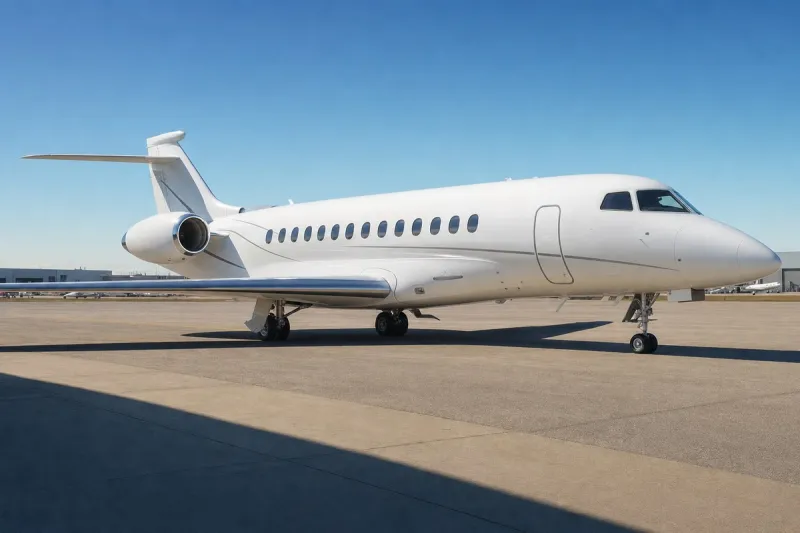
Ornge also plans to add two twin-engine Pilatus PC-24 jets, projected for delivery in 2028 and to be based at Lake Simcoe Regional Airport in Barrie. They are intended for long-distance critical-care transport, for example Moosonee to Kingston, and for multi-patient transport of two critical-care patients or three non-urgent evacuation patients. Less often, they would fly in a commuter configuration carrying doctors and nurses. Ornge has 65 fixed-wing pilots.
Helicopter side
Ornge unveiled its first AW139 in 2010 at Toronto Billy Bishop Toronto City Airport. The 12 AW139s replaced Sikorsky S-76As that Ornge and its predecessors operated for 25 years.
The company employs 112 rotorcraft pilots at bases in Toronto, London, Ottawa, Thunder Bay, Kenora and Moosonee. Each AW139 flies with two pilots and two paramedics.
Industry impact & what to watch
Ornge's structure shows how a large, sparsely populated province is served by a mixed system. Helicopters handle scene and short-range work from bases such as Toronto and Thunder Bay, while fixed-wing aircraft carry the geography: remote communities with short gravel strips, long transfers and mass evacuations like the one coordinated in July. Standing agreement carriers absorb low-acuity transport, which leaves the owned fleet for patients who need ICU-level care in flight.
The plan to field 12 PC-12 PROs by 2030 alongside two PC-24 jets would separate the work by mission profile. The turboprop keeps the short-strip northern role, while the jet is aimed at long-distance critical-care and multi-patient flights. For publicly funded air medical programs, owning the aircraft that define clinical capability while contracting the rest is the economic logic on display here.
The milestones that will test the plan are the Sudbury base expansion, the first PC-12 PRO deliveries replacing the NGs, and the PC-24 arrival projected for 2028 at Lake Simcoe Regional Airport in Barrie.