Private Jet Charter in 2026: Light Jets Run €2,800–€4,200 an Hour, While UK Air Passenger Duty Rises
Why It MattersCharter pricing is dominated by repositioning and fixed minimums, while the UK's widening duty on business jets raises the tax cost of light and midsize aircraft and shifts demand toward shared flights.
What happened
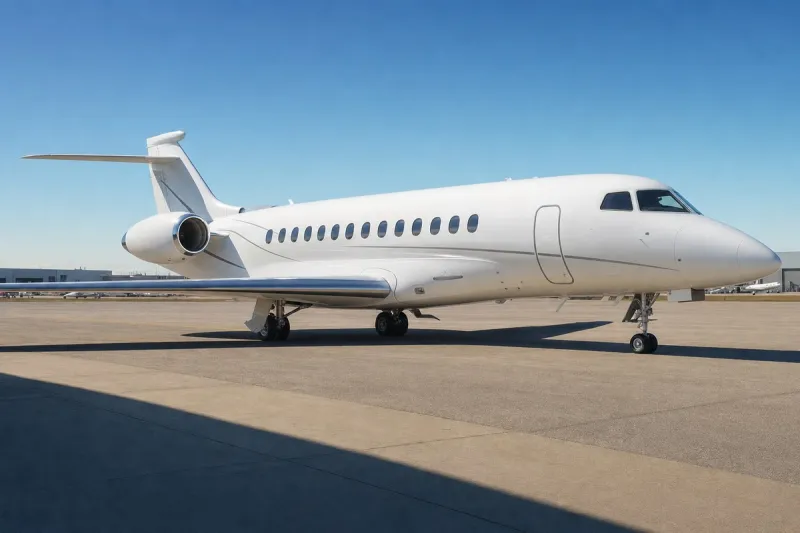
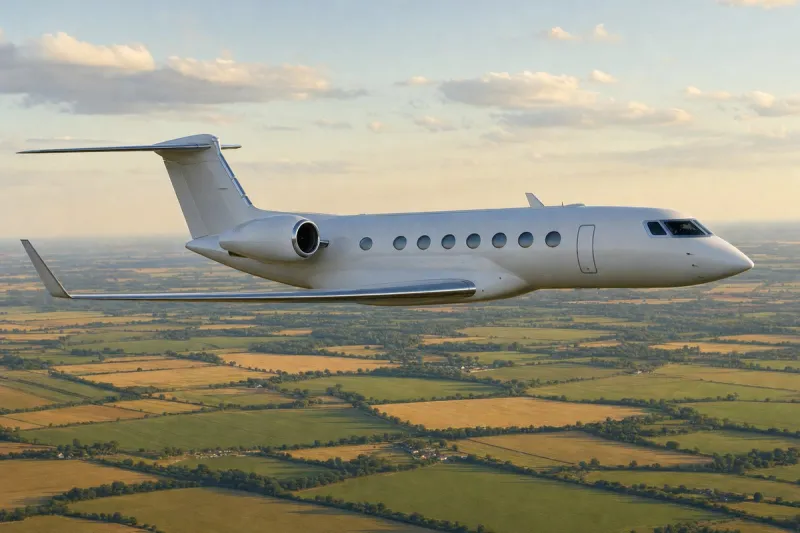
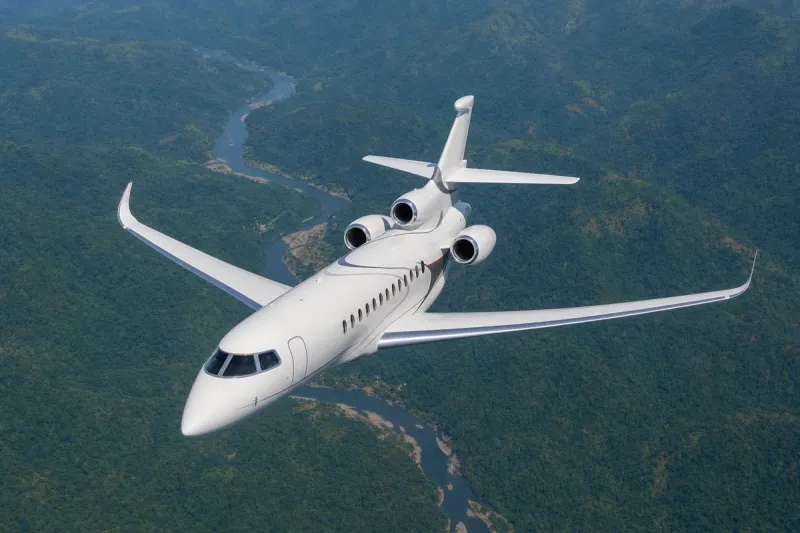
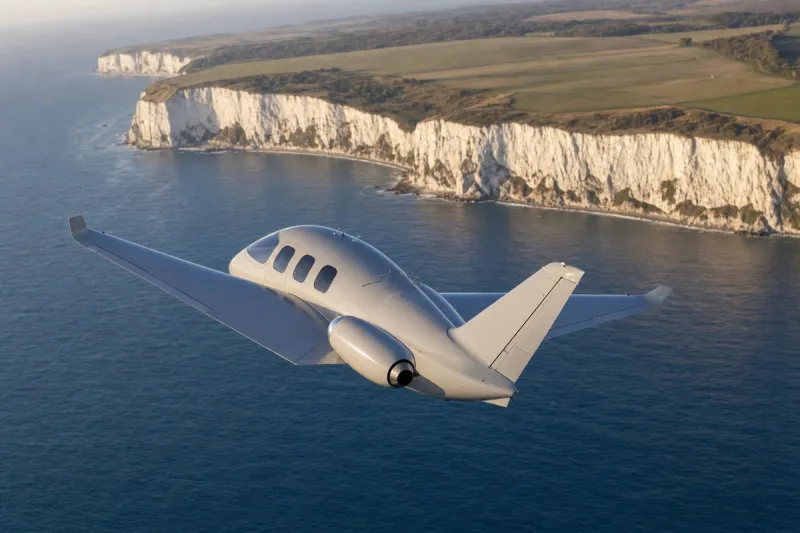
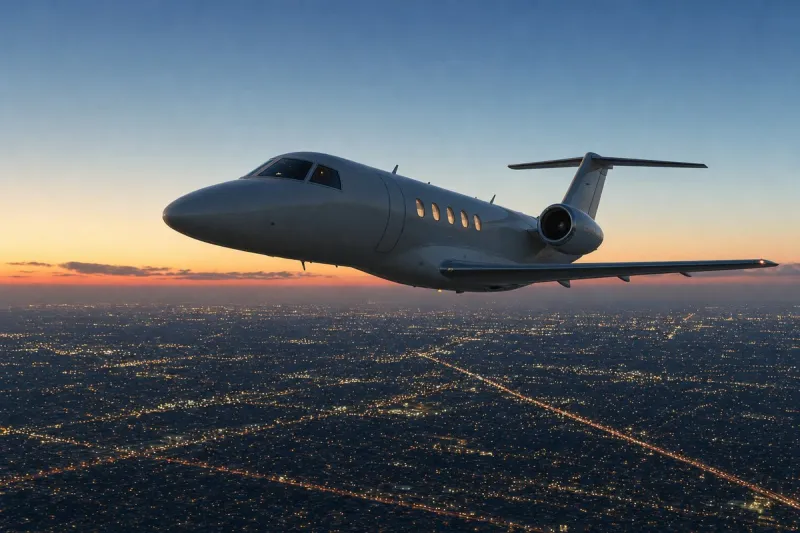
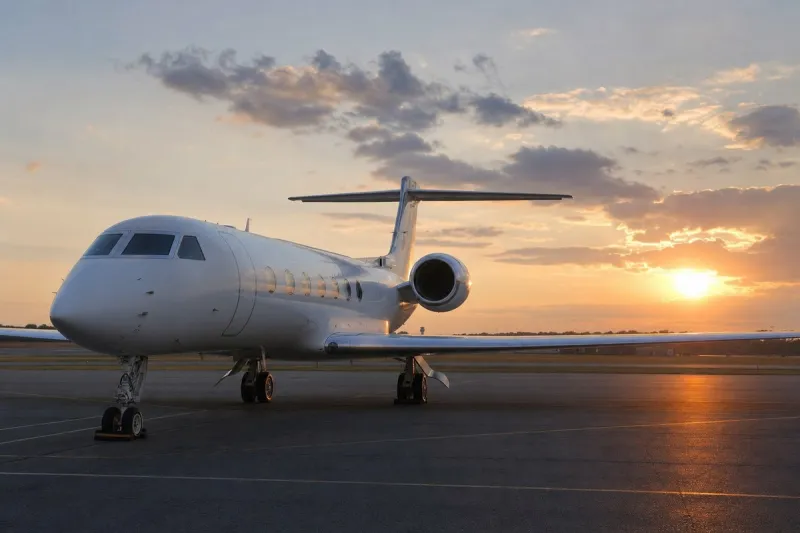
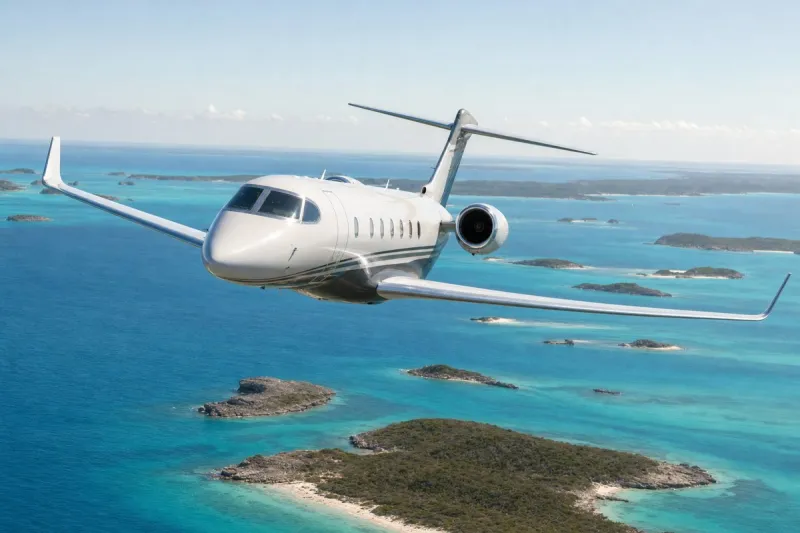
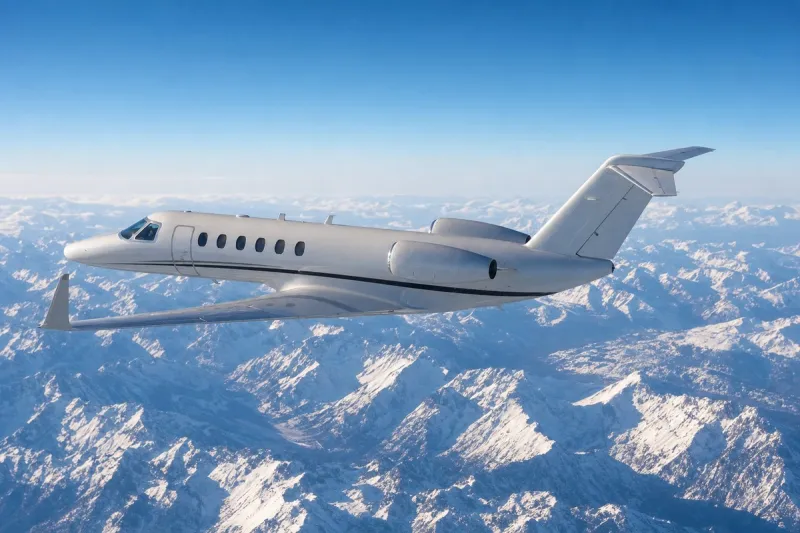
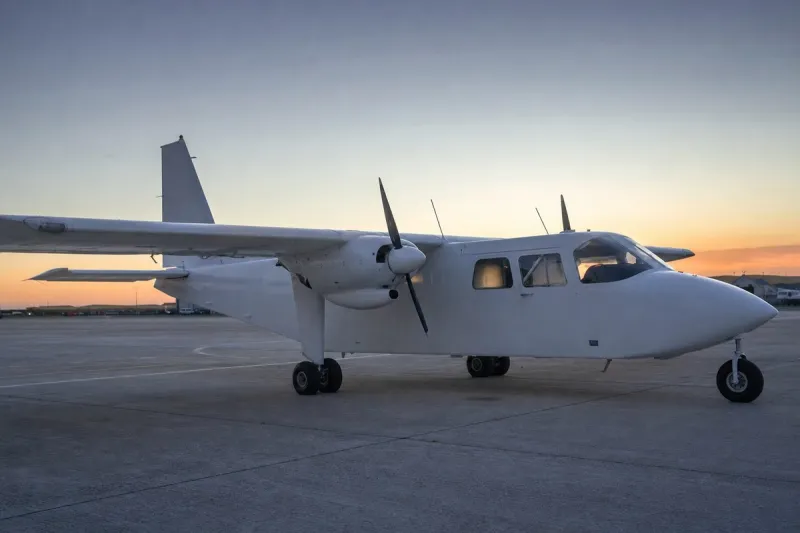
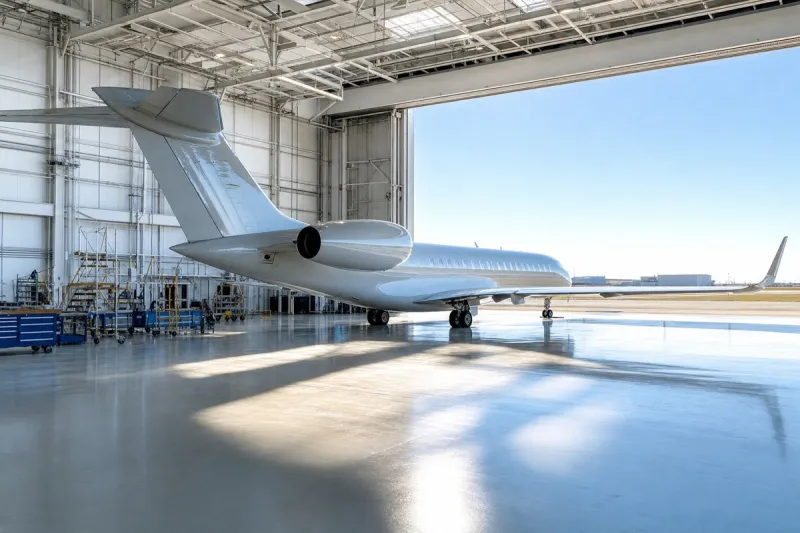
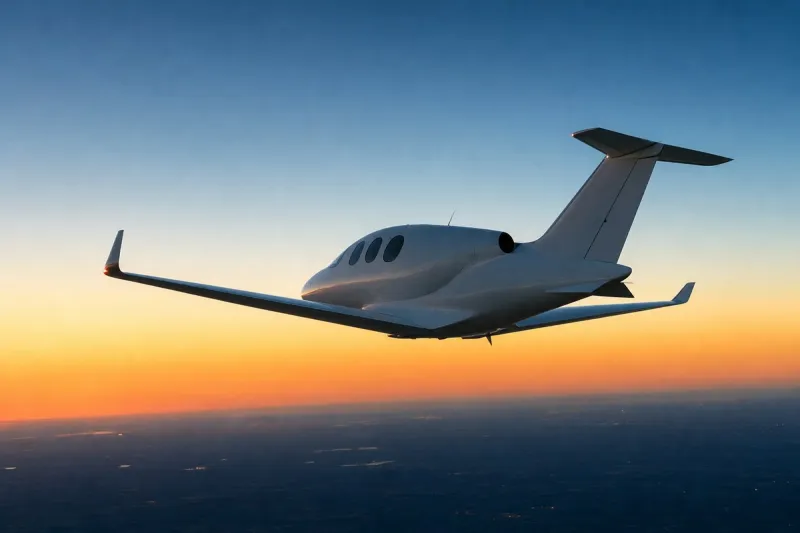
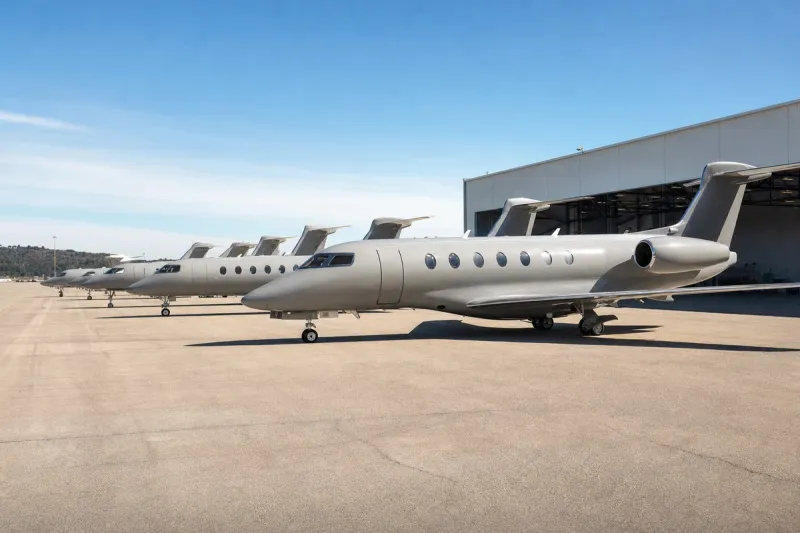
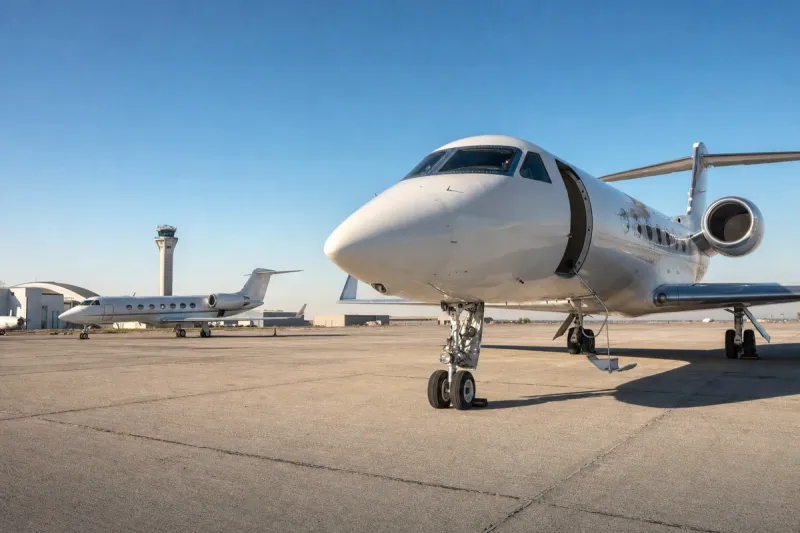
Private jet charter is priced mainly by the hour, and aircraft size is the biggest factor. In Europe, light jets cost around €2,800 to €4,200 an hour, midsize jets €4,200 to €6,500 and heavy jets €8,000 to €13,000 or more, according to broker Fast Private Jet. Turboprops and very light jets cost €1,800 to €2,800 an hour for short hops of up to six passengers, while super midsize jets, which can cross the Atlantic, cost €6,000 to €8,500. Broker Villiers puts US dollar rates at $2,500 to $4,500 an hour for light jets and $8,000 to $15,000 or more for heavy jets.
On popular routes, a light jet from London to Paris costs around €5,500 to €8,000, and London to Nice in a light or midsize jet around €7,000 to €10,500, according to Fast Private Jet. A heavy jet from London to New York costs around €35,000 to €55,000. Villiers puts London to Nice at $25,000 to $50,000. A €9,000 flight to Nice shared by six people works out at €1,500 each.
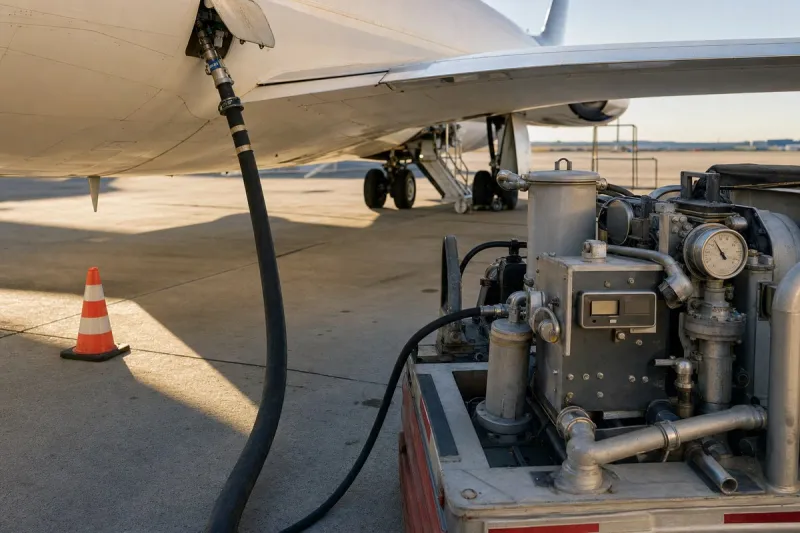
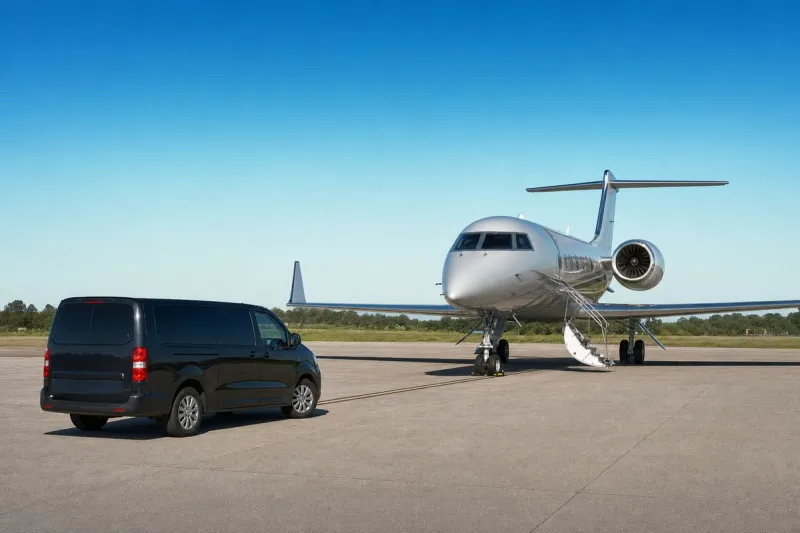
The hourly rate is only the starting point. Operators bill block time, from when the aircraft leaves its parking stand to when it arrives at the gate, and many apply a minimum of two hours a day, according to Fast Private Jet. Other charges include landing and handling fees, crew overnight costs, catering and fuel surcharges, and winter de-icing can add several hundred euros to a departure. Repositioning can be the biggest hidden cost if the aircraft is not based at the departure airport, as Villiers notes.
Empty legs, flights on which an aircraft repositions without passengers and the seats are sold at a discount, are the main way to fly private for less. Savings can be up to 50%, according to Villiers, or as much as 75%, according to Fast Private Jet. Empty legs run on fixed routes and dates and can be cancelled if the original booking changes.
Since April 2026, passengers on private jets of 20 tonnes or more with fewer than 19 seats have paid a higher rate of Air Passenger Duty of £142 per person on flights of up to 2,000 miles and £1,097 on flights to destinations such as New York, according to GOV. That compares with £15 in economy and £32 in premium cabins on short-haul flights. From 1 April 2027, the higher rate will extend to all business jets weighing 5.7 tonnes or more, according to aviation services firm Universal Weather.
Industry impact & what to watch
Charter pricing works as a stack of costs built on top of the hourly rate: block time, daily minimums, handling and landing fees, and above all repositioning when the aircraft is not based at the departure airport. That structure explains why quoted route prices span such wide ranges, and why empty legs, which turn a repositioning flight into a sellable one, are the segment's main discount mechanism despite their fixed routes and cancellation risk.
The duty change adds a tax layer that scales with passenger count rather than with the hourly rate. A higher per-person charge makes a fully loaded cabin carry the cost more easily than a sparsely occupied one, which favours group travel and shared flights, the scenario in which the €9,000 Nice flight comes to €1,500 each. For frequent flyers, jet cards and fractional ownership trade a large upfront commitment for fixed hourly rates and guaranteed availability.
The next dated milestone is 1 April 2027, when the higher duty rate extends to all business jets of 5.7 tonnes or more. That change reaches many light jets and most midsize jets, the aircraft types behind the €2,800 to €6,500 hourly bands, so it is the point at which the tax effect spreads from larger aircraft across the core of the charter market.