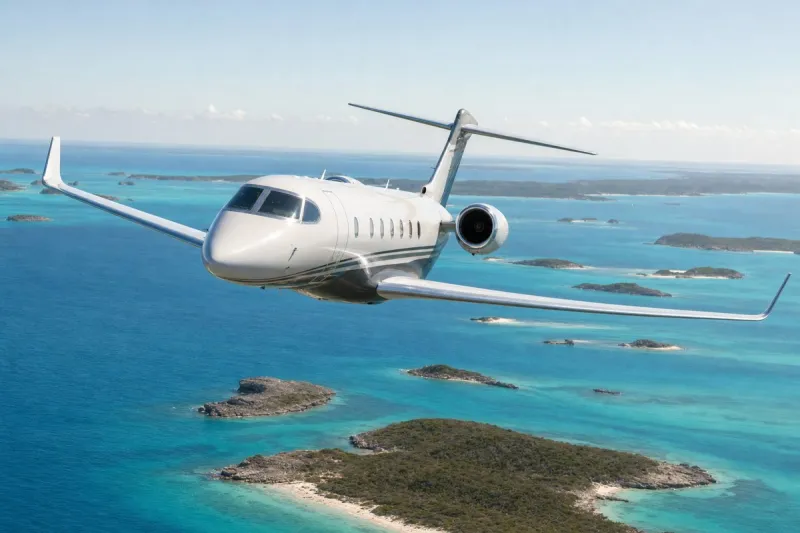
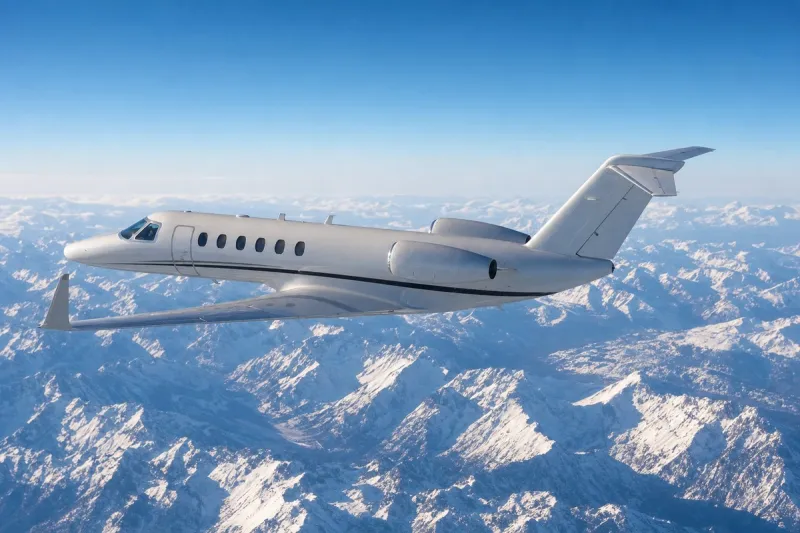
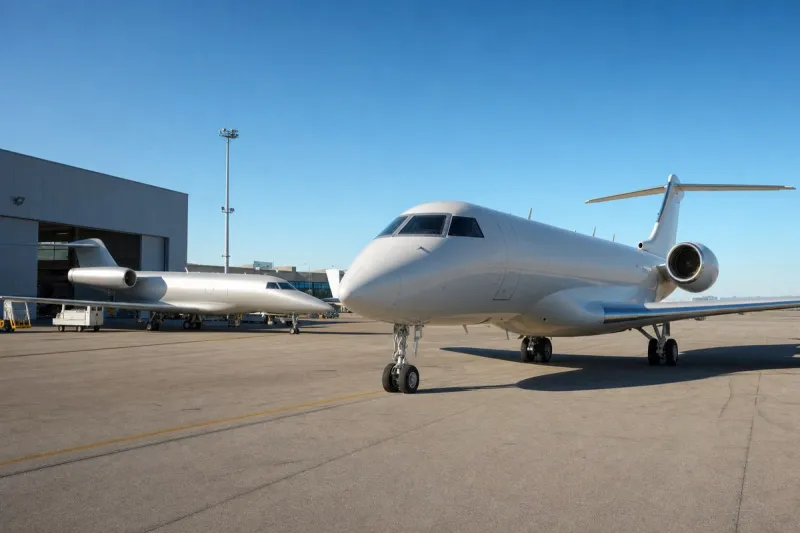
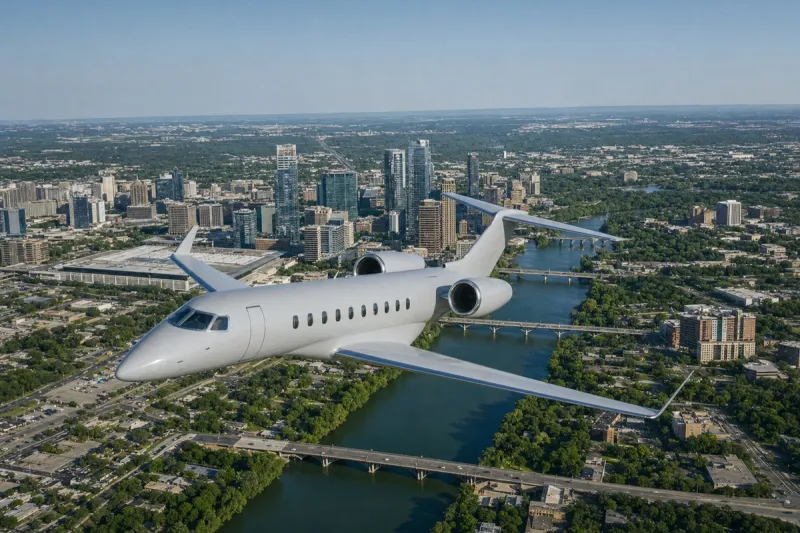
Bombardier Challenger 604 Estimated at $6,292 Per Flight Hour, $2.36 Million Annual Budget at 375 Hours
Why It MattersMature, out-of-production large-cabin jets like the Challenger 604 are priced by published hourly cost models, so ownership decisions rest on fixed-versus-variable cost structure and annual utilisation rather than on new-aircraft pricing.
What happened
GlobalAir.com's Operating Cost Report for the Bombardier Challenger 604 puts the aircraft at $6,292 per flight hour. The report assumes 375 flight hours a year and arrives at a total annual budget of $2,359,542. Of that, $656,287 is fixed costs and $1,703,255 is variable costs. The report is sold for $90 as a downloadable PDF, and the page notes that its content may be outdated or inaccurate and is not for flight planning or operations.
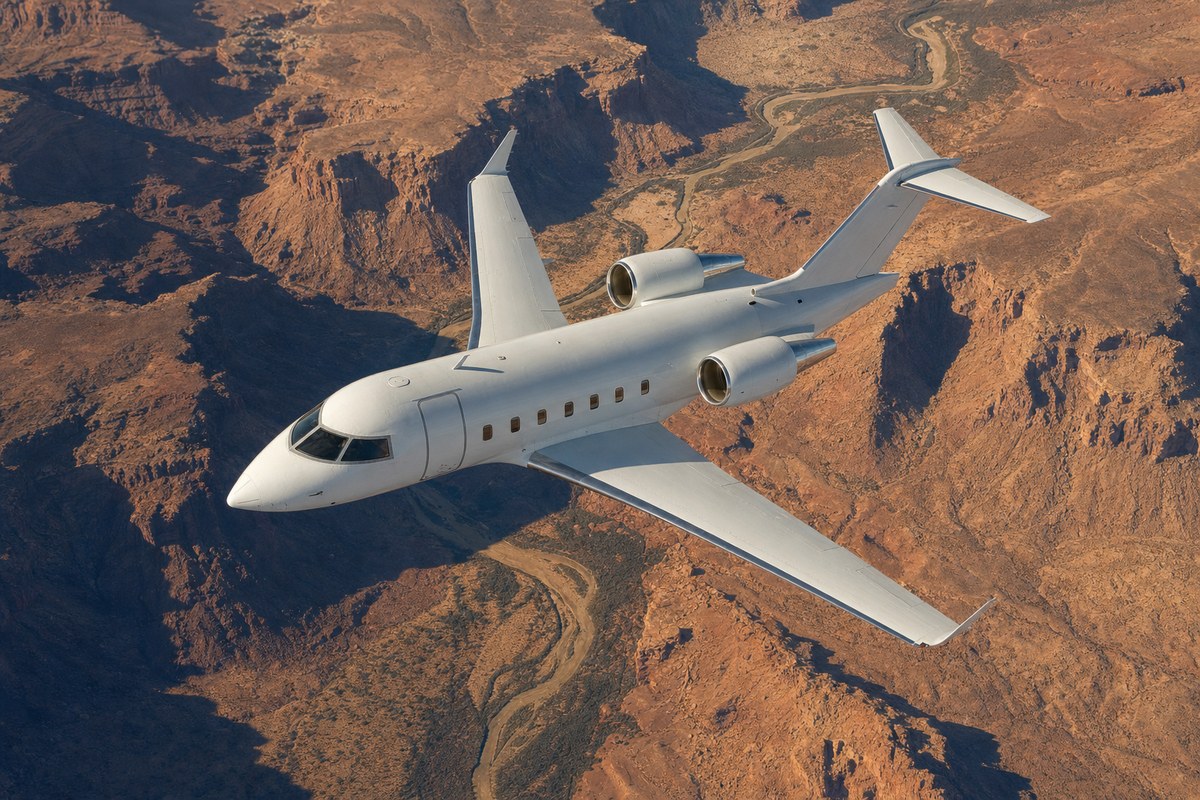
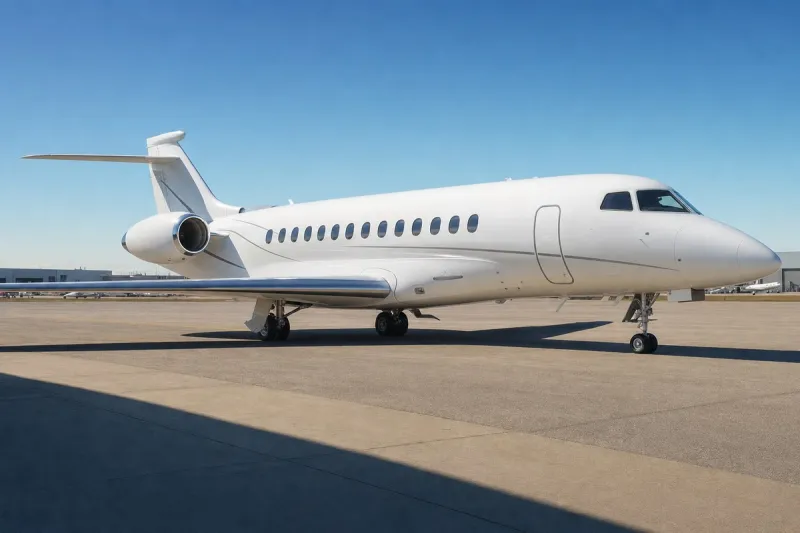
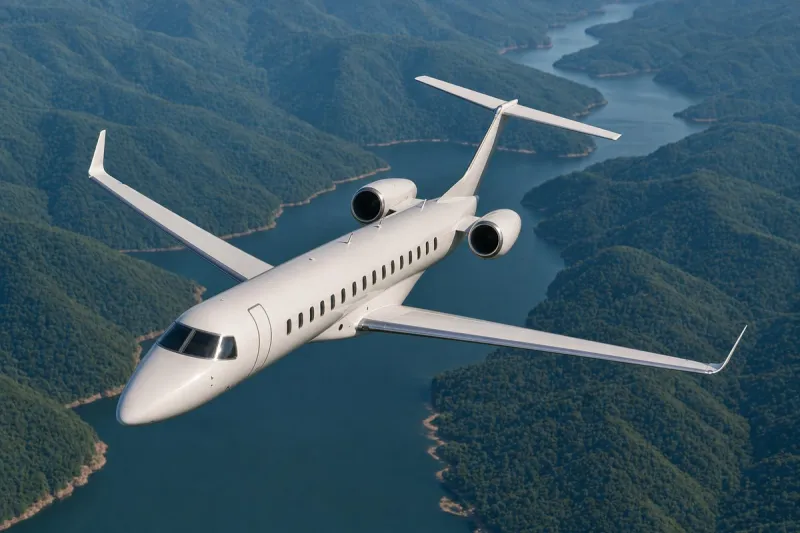
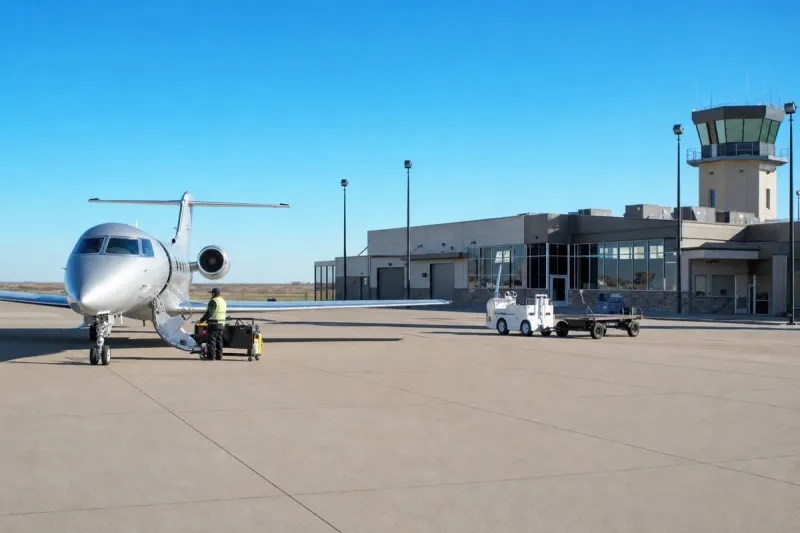
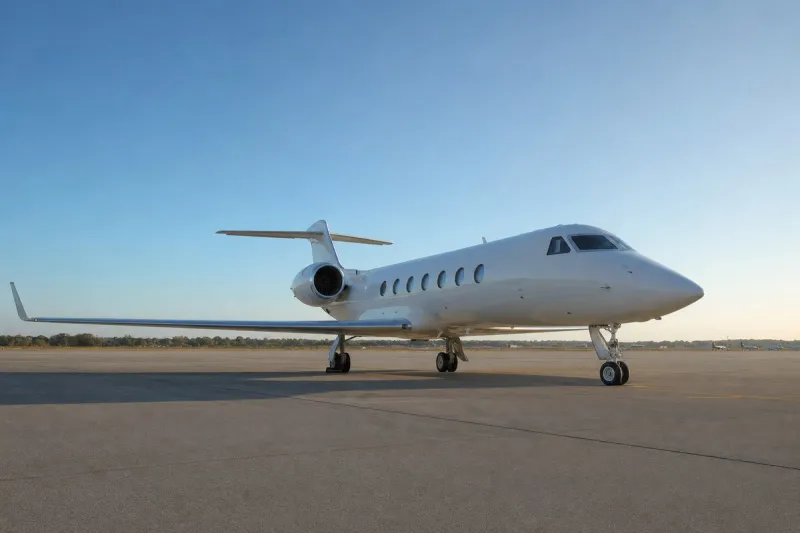
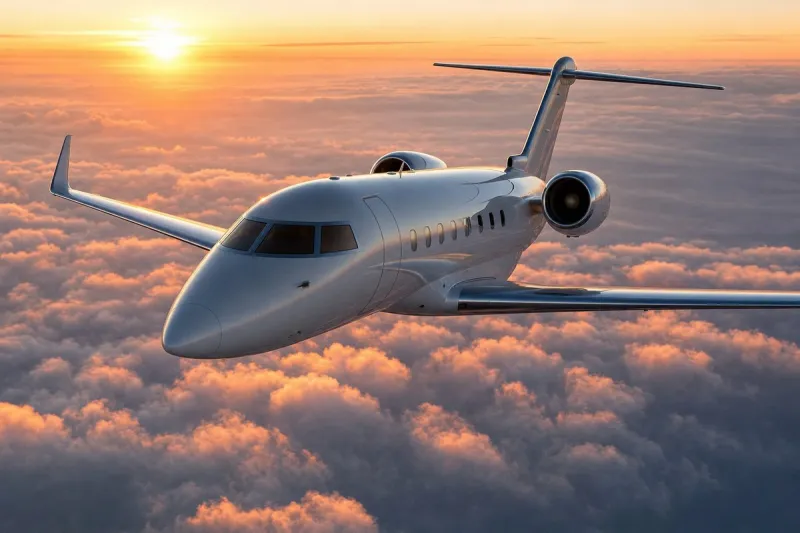
The Challenger 604 is part of the Challenger 600 series and entered certification in 1995. The series has about 1,600 aircraft in service, with 7.3 million flight hours over 4.3 million flights. The 604 variant has more than 4 million flight hours and a dispatch reliability above 99%.
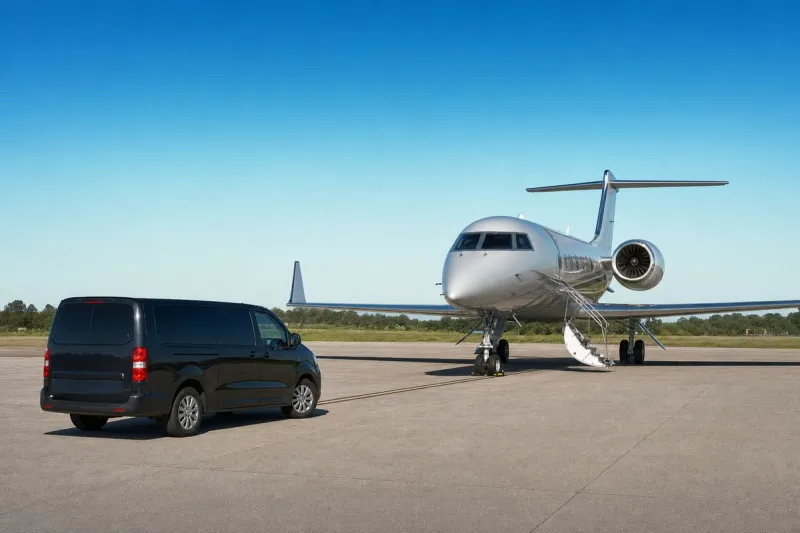
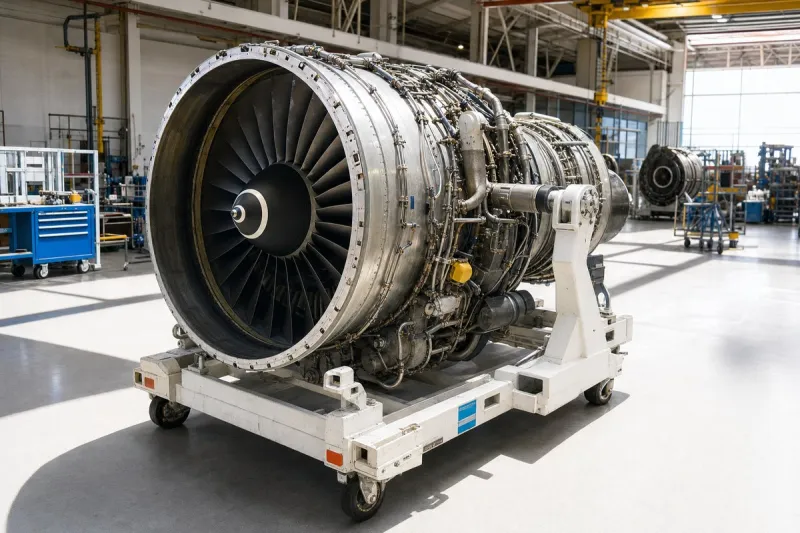
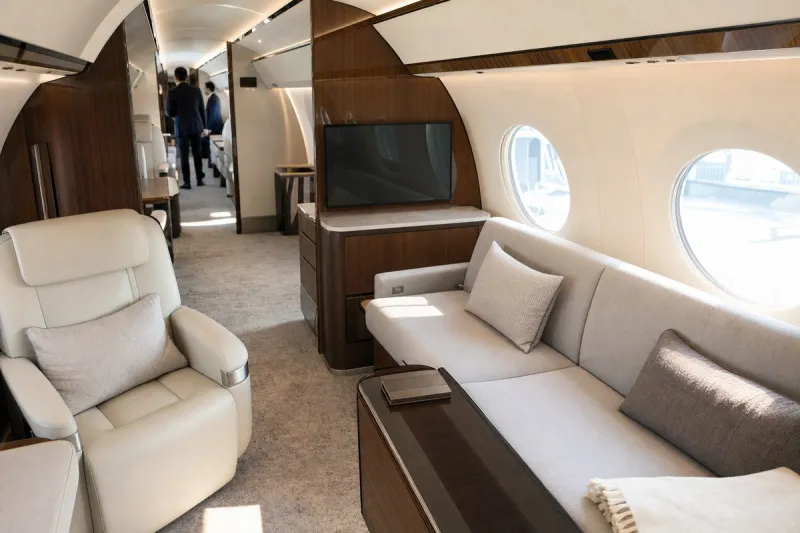
Power comes from two General Electric CF34-3B engines rated at 8,729 pounds of thrust each, and the aircraft can fly up to 4,024 nautical miles under NBAA IFR rules with four passengers. Compared with earlier models it has greater fuel capacity, a strengthened undercarriage for higher takeoff and landing weights, and Rockwell Collins PrecisionPlus avionics. The cabin is 28.3 feet long with a volume of 1,150 cubic feet and seats up to 19 passengers depending on configuration; 10 to 12 is described as the comfortable load.
Production ended in 2005 after 365 aircraft were built. 363 remain operational and 8.8% are available for sale. North America operates 64% of the fleet, Europe 20% and Asia 10%. Government users include the Royal Danish Air Force.
Industry impact & what to watch
The split between the two cost buckets is the most useful part of the figure. Variable costs of $1,703,255 are roughly 2.6 times the $656,287 of fixed costs at 375 hours, which means the hourly rate is driven mainly by what the aircraft consumes and requires when it flies. For an out-of-production type, that structure is typical of how buyers and operators compare older large-cabin jets: the budget moves with utilisation, while the fixed layer stays roughly constant.
The fleet picture shapes that comparison. With production closed at 365 aircraft and 8.8% of the remaining 363 on the market, the pool of available airframes is small, and the 64% North American share means most transactions and support activity sit on one continent. A published hourly figure gives a prospective owner a starting point, but the page itself cautions that the content may be outdated or inaccurate, so any real decision still depends on current quotes for the specific airframe, engines and avionics standard.
The number to test against is the hourly rate at a different utilisation level. Because fixed costs are a fixed amount, an operator flying fewer than 375 hours spreads them over fewer hours and sees a higher effective rate than $6,292, while heavier use lowers it.