Private Jet Demand Holds Up in 2026, but Fractional Operators Gain While Charter and Corporate Flight Departments Decline
Why It MattersHeadline departure growth is masking a split in how private flying is bought, with shared-use models absorbing demand that charter and owner-operated flight departments are not capturing.
What happened
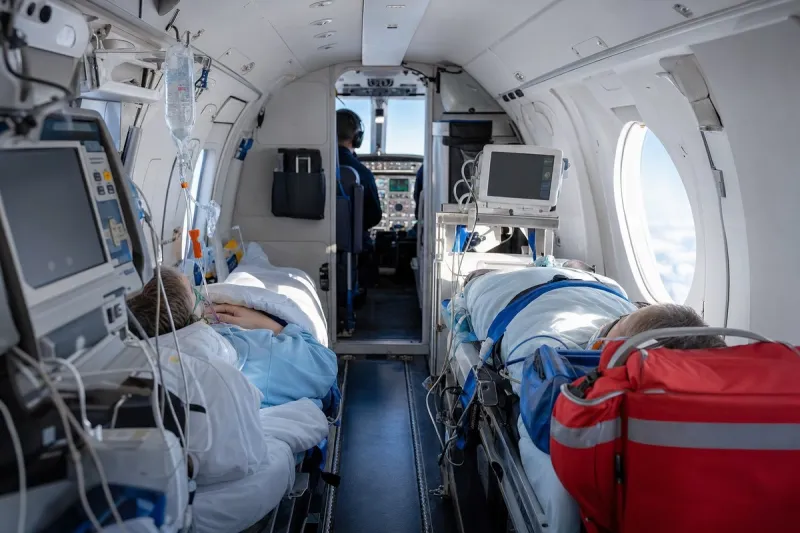
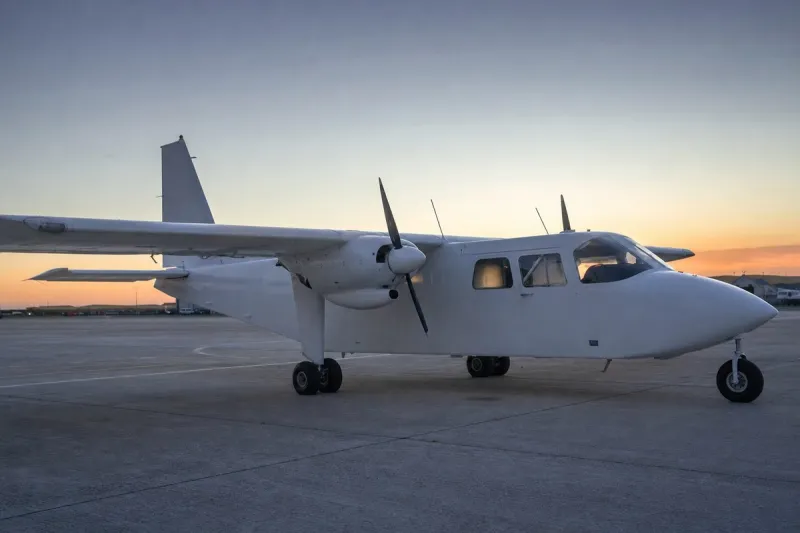
Private aviation has held up in 2026 despite higher fuel prices, international tensions and cost-conscious businesses. Private jet bookings have stayed strong, and new customers have entered the market as wealth from technology and artificial intelligence continues to grow.

ARGUS International's TRAQPak mid-year review, published July 22, 2026, puts global business aviation flight activity up 4.2% in the first six months compared with the same period in 2025. Global business jet departures rose approximately 4% in the half. North America remained the dominant market at 65% of all flight activity, and its activity rose 3.5% year over year, making the first half of 2026 the strongest first half in any of the past four years.
Growth was not evenly distributed. JETNET's mid-year market data shows fractional operators recorded growth of more than 10%, while charter operator activity fell 3.1% and corporate flight departments recorded an 8.9% decline.
Ameerh Naran, CEO of Vimana Private Jets, cited the time passengers save as a major reason demand has held up: for people running businesses across several locations, being able to leave when they need to can be worth a substantial amount, even if a flight costs more than a commercial ticket.
Fuel costs and first-time customers
Higher fuel costs still matter, because operators must cover their expenses whether or not customers are enthusiastic about private travel.
The new wealth created by technology and AI has also brought first-time customers into private aviation. These customers, accustomed to managing transactions by phone, may have little patience for long email exchanges and want quick answers on availability, cost and timing. Aircraft availability, destination requirements and scheduling complicate private bookings, and new wealth does not guarantee consistent demand.
Industry impact & what to watch
The split between fractional growth above 10% and declines in charter and corporate flight departments shows that an aggregate departure figure can hide very different fortunes by operating model. Fractional ownership means customers buy a share of a jet and use it within the terms of their agreement while the operator handles maintenance, staffing and scheduling. That structure suits users who want predictable access without carrying a whole aircraft, which is consistent with the first-time, speed-oriented buyers described in the coverage.
Charter still serves travellers whose schedules vary, and owning an aircraft serves frequent flyers differently, so the 3.1% charter decline and the 8.9% drop in corporate flight departments point to pressure on those two routes to access rather than to weaker demand overall. Operators in those segments face the same fuel and operating costs while competing for customers who are increasingly choosing shared programmes.
The next ARGUS and JETNET readings will show whether the fractional lead holds and whether charter and corporate flight department activity stabilises.