FAA Accepts ASTM F3264-25 as Means of Compliance for 65 Sections of Part 23
Why It MattersRecognizing an industry consensus standard across much of Part 23 lets certification for small aircraft run on shared, pre-accepted methods, while alternative approaches and novel designs still need individual FAA agreement.
What happened
The FAA has accepted updated industry standards for demonstrating compliance with Part 23 aircraft certification requirements. In a notice published Nov. 18, the agency recognized ASTM F3264-25 as an acceptable means of compliance for 65 sections of Part 23. The specification covers flight characteristics, structural strength, powerplant installations, electrical systems and other aircraft design requirements, and builds on the FAA's earlier acceptance of industry-developed certification standards.

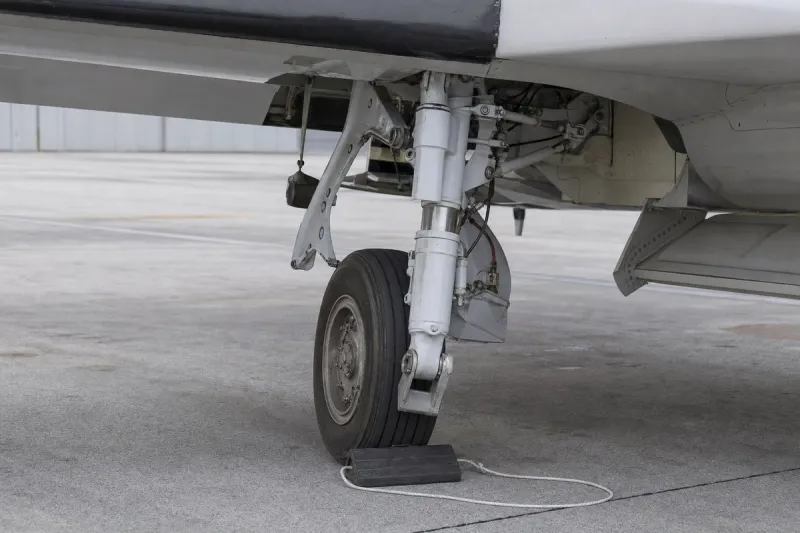
On stall and low-speed handling, single-engine airplanes not certified for aerobatics must demonstrate enhanced low-speed characteristics under the accepted method. During stall entry and recovery below 25,000 feet, normal control inputs must be sufficient to prevent roll or heading changes exceeding 20 degrees. The FAA declined to universally accept certain departure-aversion provisions, although manufacturers may propose alternative methods for demonstrating spin resistance and compliance with loss-of-control requirements.
Structural provisions address fatigue, damage tolerance and the continued strength of composite structures. The FAA accepted simplified structural load calculations for certain smaller, lower-speed airplanes while limiting their use according to the aircraft's certification level.
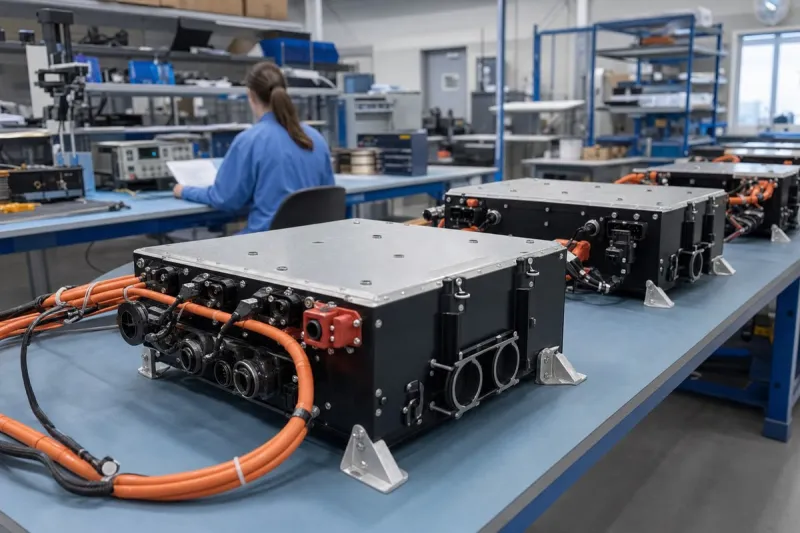
The FAA also specified that systems essential to continued safe flight must maintain their aircraft-level functions during and after lightning exposure. Other provisions address electrical load analysis, lithium-ion battery installations and fire protection. For rechargeable lithium batteries, the FAA specified testing and evaluation methods addressing thermal runaway and the release of potentially hazardous gases.
"Conformity with the guidance document is voluntary only, and nonconformity will not affect rights and obligations under existing statutes and regulations," the FAA stated in its notice. Manufacturers may continue proposing alternative means of compliance, subject to FAA acceptance. Certain designs, including electric-powered airplanes and seaplanes, require additional consideration under the accepted standards. The acceptance took effect Nov. 18 and does not impose new operating or retrofit requirements on existing aircraft.
Industry impact & what to watch
Part 23 certification works by agreement between applicant and regulator on how each requirement will be shown to be met. A consensus standard that the FAA has formally accepted for 65 sections gives manufacturers a ready-made path for much of that work, which tends to reduce the amount of method-by-method negotiation on conventional designs. Because the notice makes conformity voluntary, the standard narrows the routine part of certification without closing off other routes.
The places where the FAA held back are where applicants still have to engage directly. The departure-aversion provisions were not universally accepted, so a manufacturer relying on spin-resistance claims has to propose its own method and win acceptance for it. Electric-powered airplanes and seaplanes are flagged as needing additional consideration, which means programs in those categories cannot assume the accepted standard settles the question for them.
The next point to follow is how applicants use the alternative-method channel on spin resistance and loss of control, and what the FAA does with those proposals. The lithium battery testing methods and the lightning-protection requirement for essential systems are also worth tracking for electrified and avionics-heavy designs.