Court Hears Claim MMAG Holdings Engineered Removal of M Jets Directors; Witness Denies Plot
Why It MattersThe case shows how joint ventures converting charter operators into cargo carriers can turn on control of capital-expenditure approvals, where funding disputes between majority owner and operating managers become fiduciary litigation.
What happened
At the High Court in Kuala Lumpur on Thursday (Nov 19), lawyers for two former M Jets International Sdn Bhd directors, Gunasekar Mariappan and Philip Phang Kin Ming, suggested that logistics provider MMAG Holdings Bhd and its executives engineered a corporate scheme to oust the pair in 2023. Witness and second defendant Kenny Khow Chuan Wah, a former executive director of MMAG Holdings, denied there was a plot to remove the two.
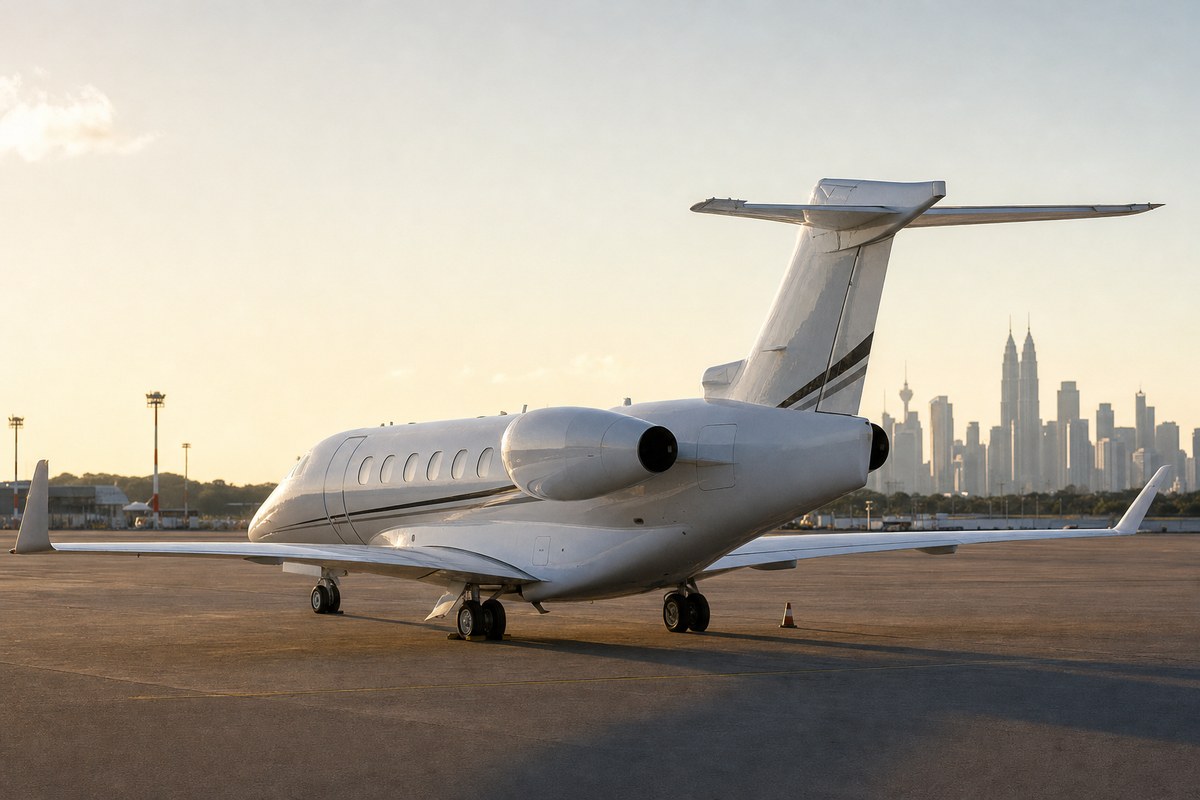
Gunasekar and Phang are in a legal dispute with MMAG Holdings, M Jets and seven others. It arises from a joint venture formed in November 2020 to acquire M Jets, then a private jet charter company, and transform it into an air cargo operator. Under the deal, MMAG Holdings was to own 80% of M Jets. MMAG Holdings is suing Gunasekar and Phang for RM23.17 million for alleged breaches of fiduciary duties in M Jets. In July 2023 the two counter-sued nine parties for RM49.85 million, alleging a conspiracy to harm their investments in M Jets. Among the nine is businessman Victor Chin Boon Leong, who is entangled in allegations of a corporate mafia purportedly involving rogue businessmen and Malaysian Anti-Corruption Commission (MACC) officers coercing others into giving up their companies.
Gunasekar's lawyer Alex De Silva suggested MMAG hatched a plan around September 2022 to block expenditure, push M Jets into the red and eventually oust Gunasekar and Phang, and played the court a recording of a purported meeting in which Khow discusses this with someone. De Silva said MMAG Holdings issued a notice of default on March 10, 2023. On March 16, three minority shareholders and JTAS directors, R Shanmugananthan, Anton Alex Schubert and M Saysu, a
In cross-examination, De Silva challenged MMAG Holdings' withholding of funds, noting audited accounts recorded a net loss of about RM40.27 million for the financial year ending March 31, even as M Jets was growing rapidly. After a fourth aircraft was acquired, annual revenue rose more than 2.5 times from RM61 million to RM164 million while losses almost halved, and hourly revenue generation expanded almost fourfold between June 2021 and December 2022. Khow testified that he withheld approval only for unbudgeted capital expenditure, not routine operating expenses.
Gunasekar and Phang say they ran M Jets, including securing aircraft leases, renewing licences and managing operations. The trial before Justice Leong Wai Hong continues Friday, when Khow is to be re-examined by his lawyers, Wong Kah Hui and Jung Yi.
Industry impact & what to watch
Cases of this kind sit at a recurring fault line in aviation ventures: a financial investor or parent company holds the majority stake and the purse strings, while the people who hold the licences, lease the aircraft and run flight operations hold the minority and the operational know-how. When growth requires aircraft acquisitions, the line between legitimate budget discipline and starving the operator of cash becomes the central factual question, and it is usually fought over who had authority to approve capital expenditure.
The dispute also illustrates why charter-to-cargo conversions carry governance risk beyond the aviation itself. Operator licences, aircraft leases and the continuity of the named management team are assets that sit with individuals, so a change of control on the board can affect the operating business directly. Shareholder agreements for such ventures tend to be tested only when losses and growth arrive together, as the audited figures cited in court suggest happened here.
The next milestone is Friday's re-examination of Khow by his own lawyers, which is the first chance for the defence to respond to the recording and the withholding-of-funds line of questioning. The weight given to the recording and to the distinction between unbudgeted capital expenditure and routine operating expenses will carry the most significance as the trial continues before Justice Leong Wai Hong.