FAA Recommends Pilots Announce Runway Number Before Crossing, Following 2023 JFK Near-Collision
Why It MattersVoluntary guidance that depends on crew habit rather than hardware shows how runway-incursion defences at airports still lean on cockpit procedure, with automated aural advisories as the accepted substitute.
What happened
The Federal Aviation Administration issued a recommendation on November 18 under FAA Information for Operators (InFO) 26016 that pilots announce the runway number shown on airport signs before crossing a runway. It is voluntary guidance, not a binding requirement. The FAA described the practice as a double-check that confirms intended actions and prevents misunderstandings about clearances.
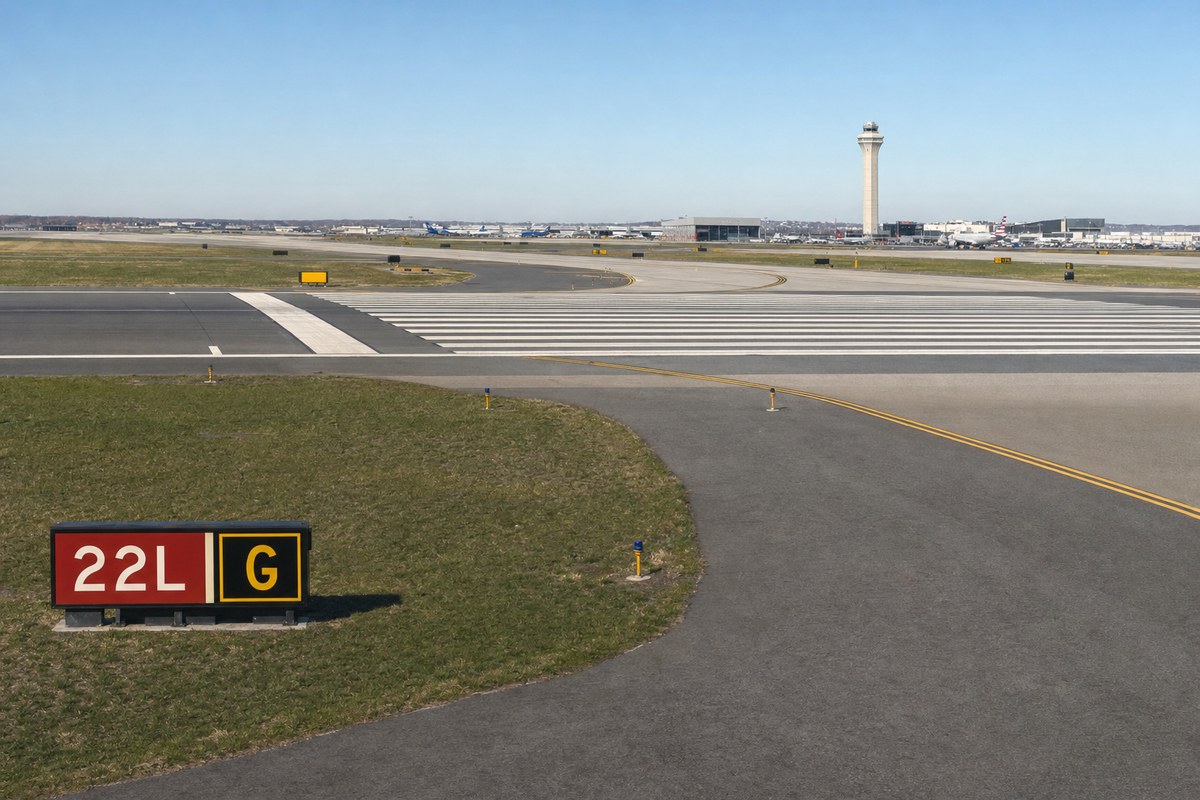
The guidance applies to Part 121 airlines, Part 135 charter operators and Part 91K fractional operators. It allows exceptions where equivalent automated aural advisory systems are installed.
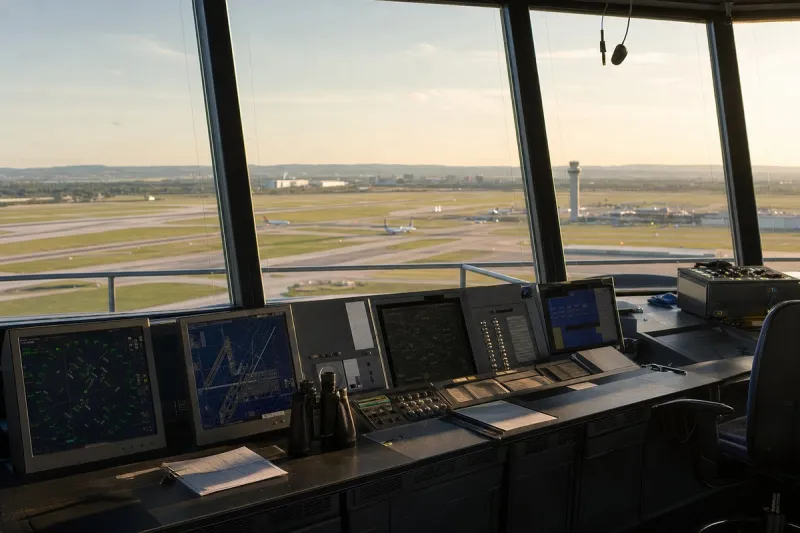
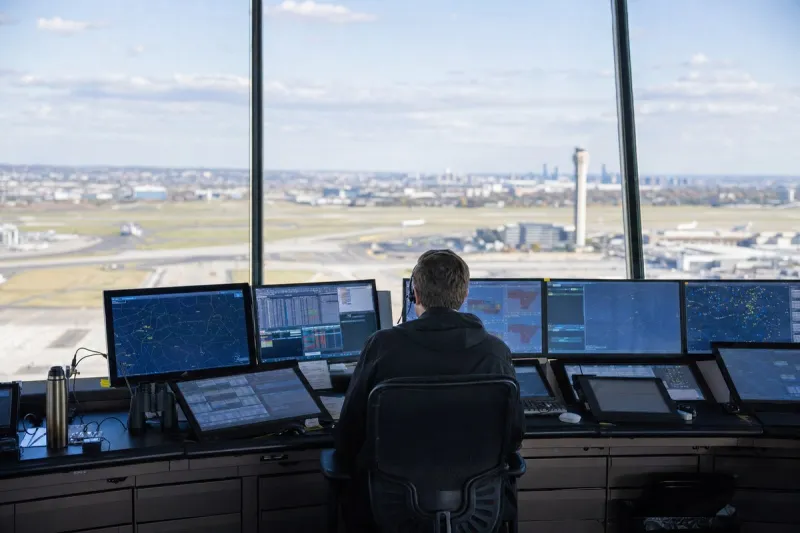
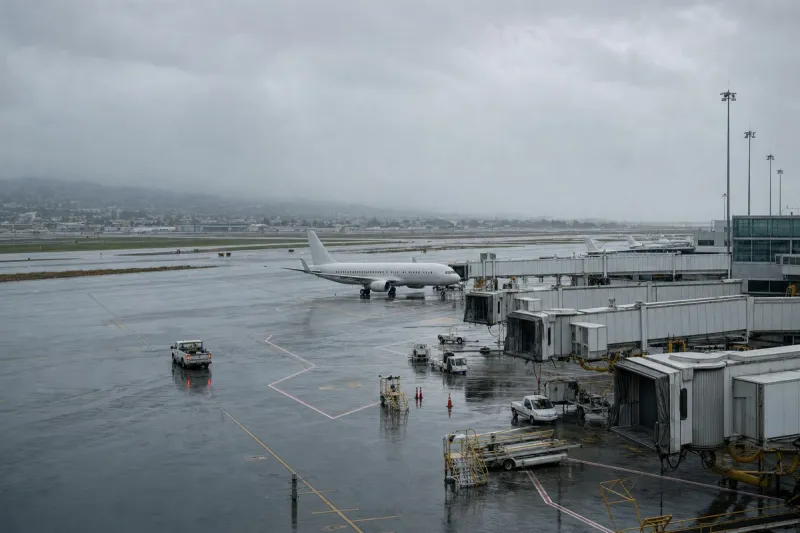
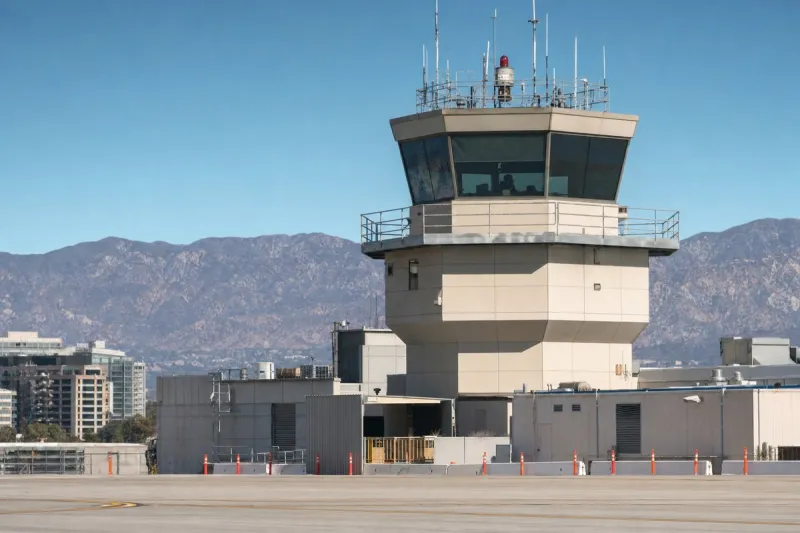
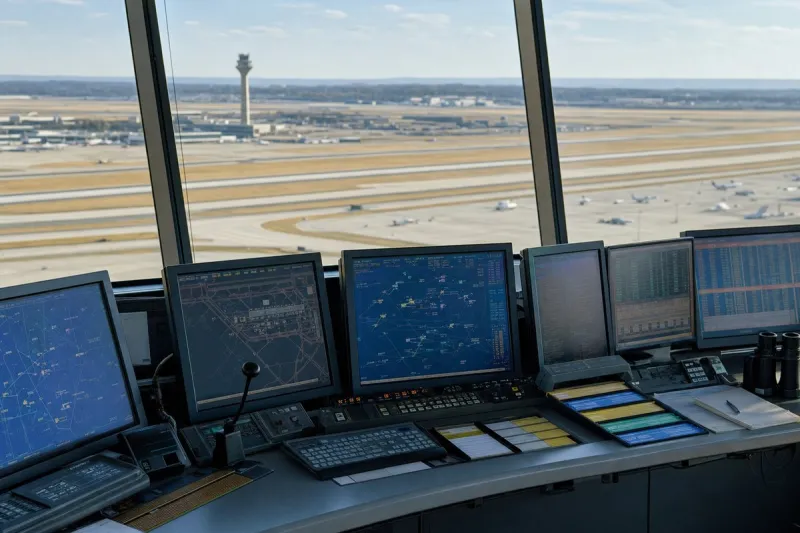
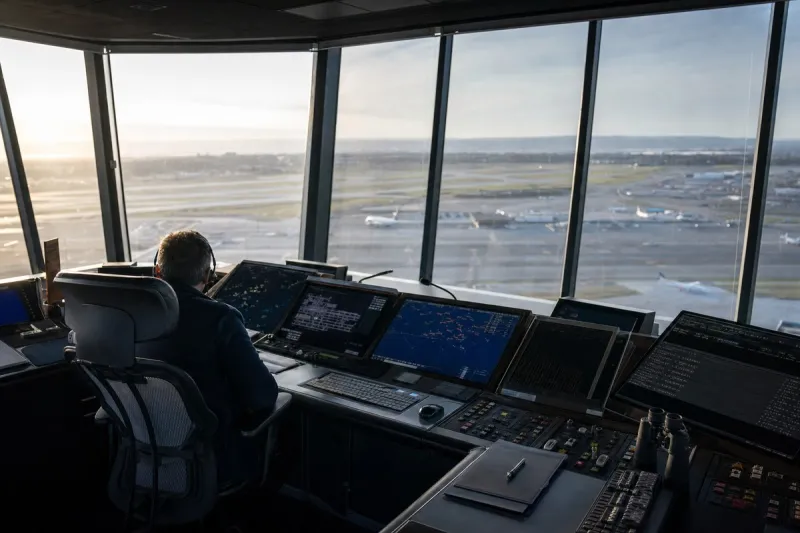
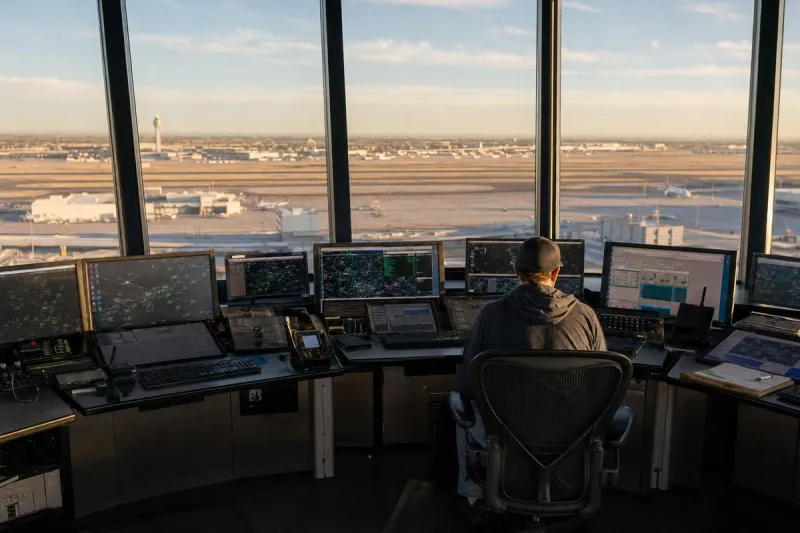
The change follows a January 13, 2023 incident at New York's John F. Kennedy International Airport (JFK). American Airlines Flight 106, a Boeing 777-200 (N754AN) bound for London Heathrow, was cleared to cross Runway 31L via Taxiway K but missed the turn and continued toward Runway 4L. At about 8:44 PM, it turned onto Taxiway J as Delta Air Lines Flight 1943, a Boeing 737-900ER (N914DU) bound for Santo Domingo, began its takeoff roll on Runway 4L. The Airport Surface Detection Equipment, Model X (ASDE-X) alerted the control tower, and the local controller canceled Delta's takeoff clearance.
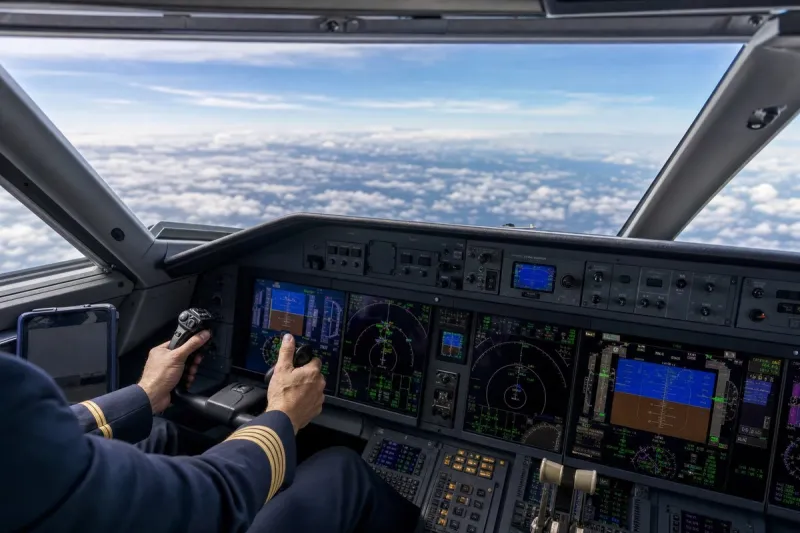
The National Transportation Safety Board (NTSB) found that the American crew had run their usual crossing checks, with the captain announcing "cleared to cross" and "clear left" and the first officer answering "clear right," but apparently did not check the runway number against the signage, which should have been visible for about ten seconds. The cockpit voice recording had been overwritten, so the exchanges could not be independently verified. Investigators attributed the error to distraction, multitasking and loss of situational awareness.
Industry impact & what to watch
The recommendation targets a gap that existing crossing checks left open. The American crew's scans for traffic were performed, yet the one comparison that ties the clearance to the physical runway, number against sign, was not made. Adding a spoken runway number turns an assumed step into an audible one that the other pilot can challenge.
Because InFO 26016 is voluntary and exempts aircraft carrying equivalent automated aural advisories, adoption will differ by operator type. Airlines, charter operators and fractional programmes each build the call into standard operating procedures on their own schedule, and fleets with aural advisory systems may treat the exemption as sufficient. Differences in how a runway-crossing call-out is worded or enforced between operators are a normal consequence of guidance in this form.
The next milestone is whether the FAA moves from information for operators toward anything mandatory, or whether operators write the call-out into their own manuals first. Operator manual revisions would be the first visible sign.