Skeyes to Suspend Regular Air Traffic Services in Belgium on Nov 23 During National Strike
Why It MattersA single provider's staffing shortfall can close an entire national airspace for a day, and a labour dispute over government budget policy shows how political disputes reach operations directly.
What happened
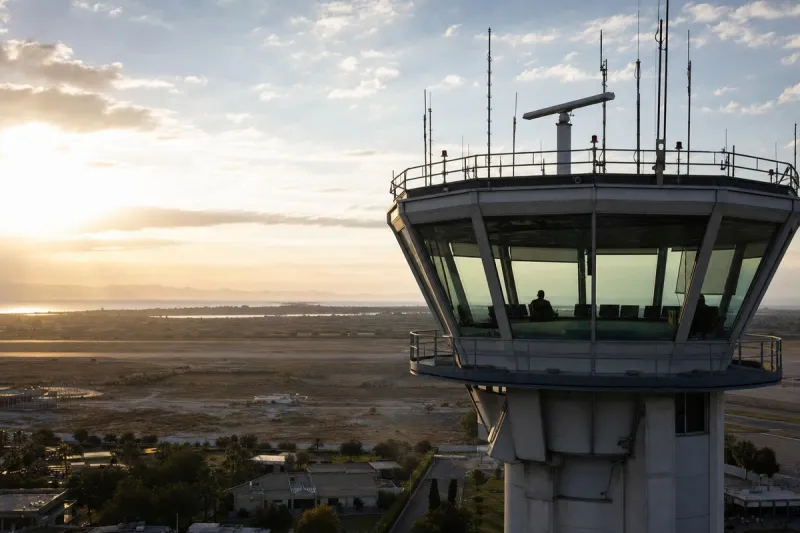
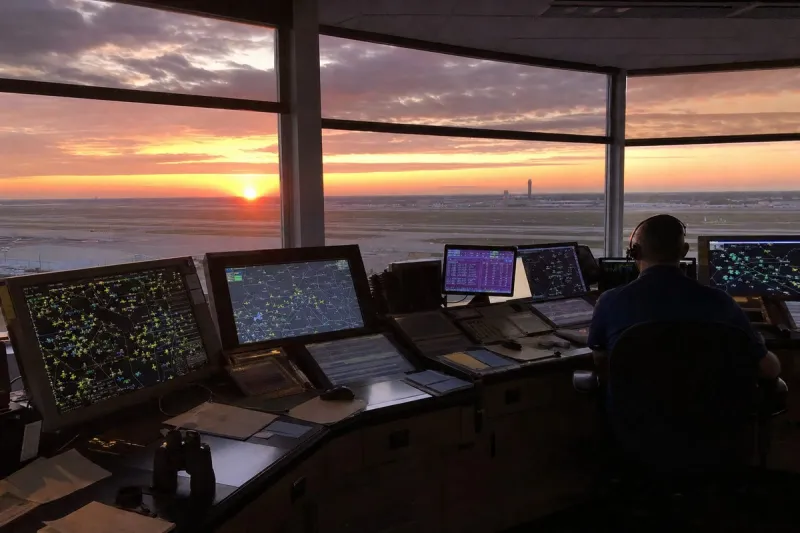
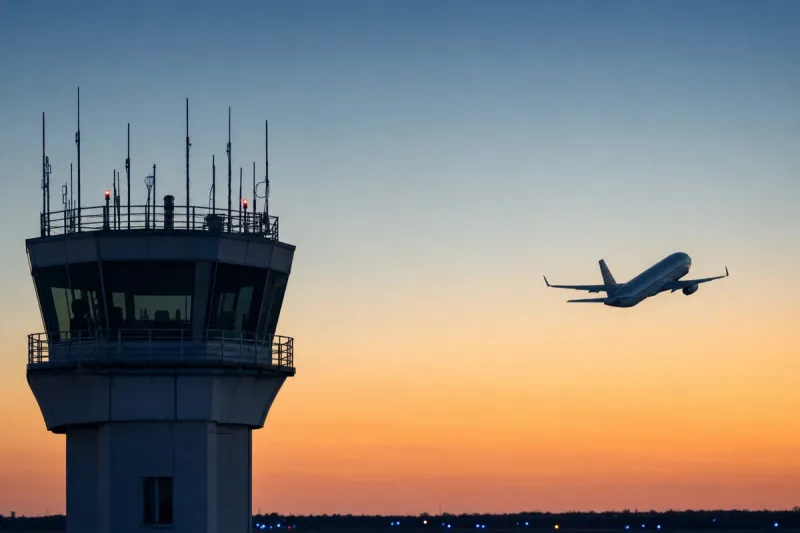
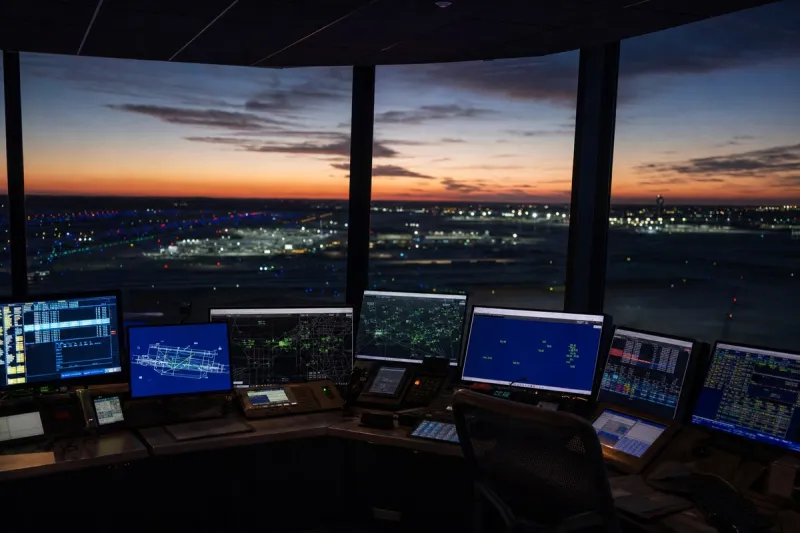
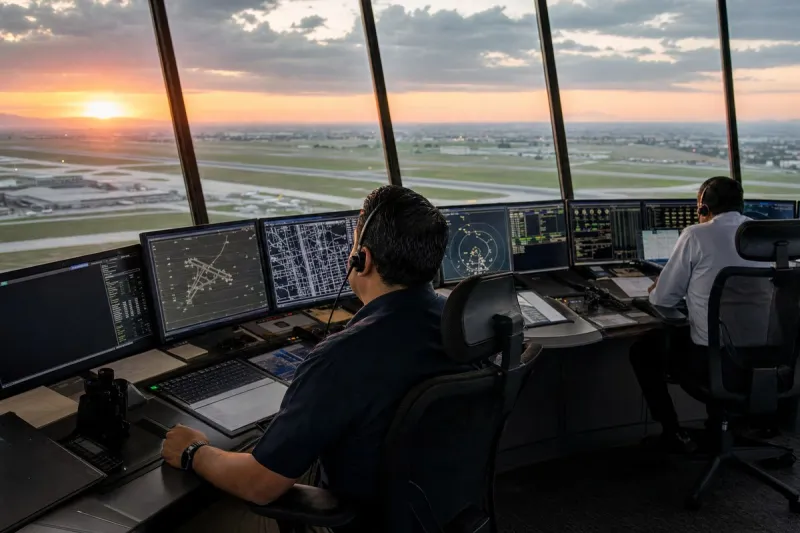
Skeyes, Belgium's air traffic control provider, said on Nov 21 that it will be unable to provide regular services at Belgian airports and in the country's airspace between 7am and 9pm on Nov 23. Its staff will take part in a national strike against government austerity measures. The company said the expected staffing levels would not allow regular air traffic to be handled safely, so it is obliged to temporarily suspend the services concerned.
Essential minimum services for emergencies and other safety-critical flights will remain available.
Charleroi Airport, a major European hub for low-cost airline Ryanair, said the controllers' action would result in the complete shutdown of all the country's airports for an entire day, affecting thousands of passengers. It described the move as a "last-minute decision" with "disastrous consequences" and said no flights can take off or land without air traffic control. Brussels Airport, the country's largest, said the majority of departing and arriving flights will have to be cancelled.
Belgium has seen repeated rounds of strikes in recent months against Prime Minister Bart De Wever's effort to save €10 billion over the next few years to reduce the country's high deficit. De Wever, a Flemish conservative, has been in protracted talks with his governing partners to agree a new cost-cutting budget by Nov 23. Earlier in November he offered his resignation after his coalition failed to reach a deal, but King Philippe refused to accept it and gave him more time to find a solution.
Industry impact & what to watch
A national air traffic provider is a single point of dependency. When one organisation supplies control services for every airport and the whole of the national airspace, a staffing shortfall does not thin out operations at one field; it stops regular movements everywhere at once. Charleroi's own statement makes the same point from the airport side: without air traffic control, nothing takes off or lands.
For business aviation the exposure differs from that of scheduled carriers. The only flights that stay available are the emergency and safety-critical ones under the minimum service, so a private or charter movement planned inside the 7am to 9pm window has no regular service to rely on. Departures and arrivals scheduled near either edge of that window carry knock-on risk from displaced traffic, though the timing of any recovery is not something the airports have addressed.
The larger pattern is that this is a labour dispute with a fiscal origin. The strike traces back to a €10 billion savings effort and a budget that De Wever's coalition has been trying to settle by Nov 23, the same day as the suspension. The next milestone is therefore a political one: whether a budget deal emerges by that date, and whether the unions treat it as grounds for further rounds of action.