FAA Approves Return of Touch-and-Goes and Parallel Departures at Centennial Airport With 10-Degree Turn Mitigation
Why It MattersThe episode shows how a single safety assessment can shut down flight-training pattern work overnight at a busy general aviation airport, and how restoring it hinges on a negotiated, phased procedural fix.
What happened
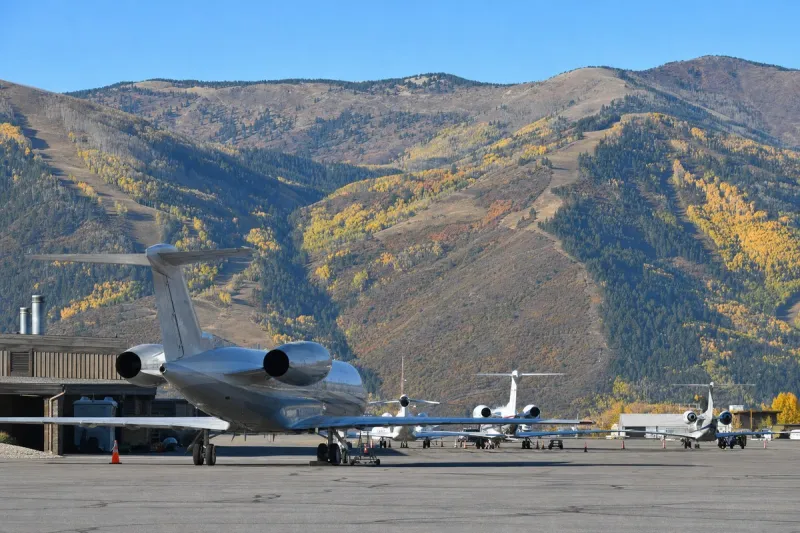
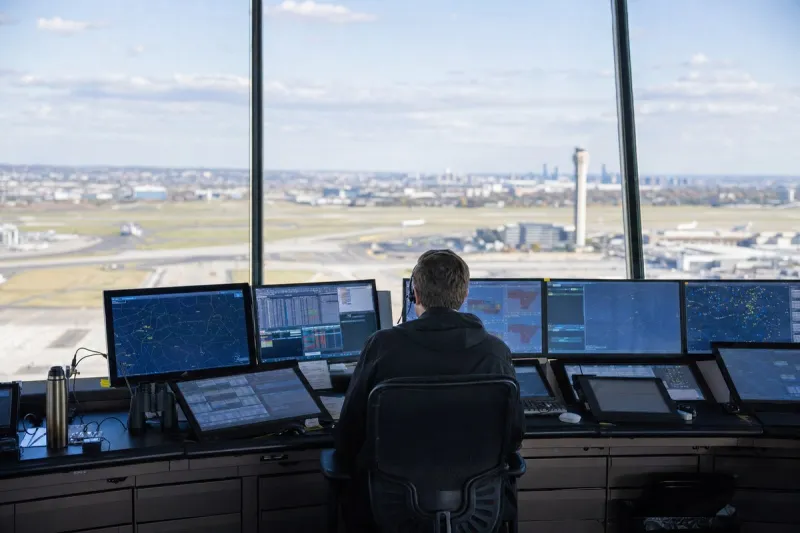
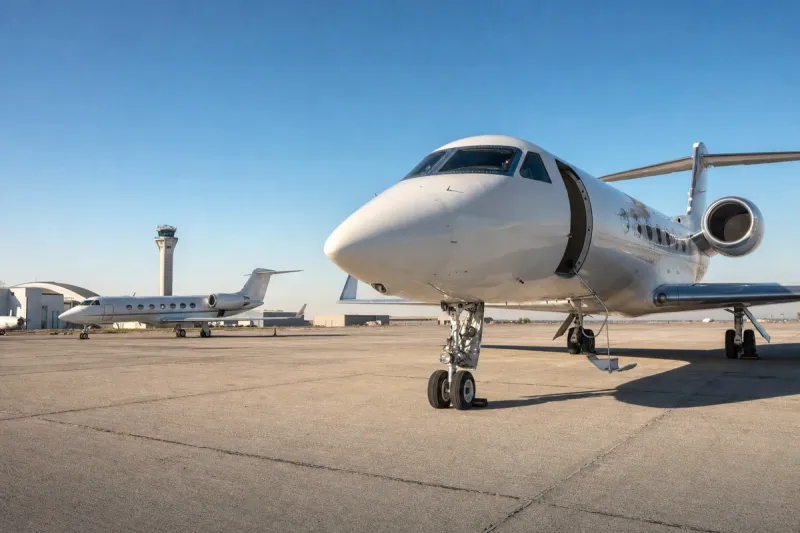
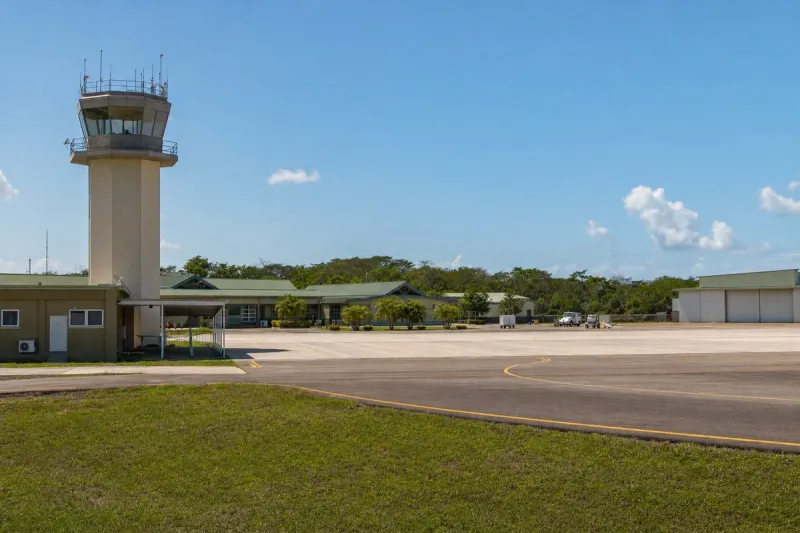
The FAA has approved a safety mitigation that will allow touch-and-goes and simultaneous parallel departures to resume at Centennial Airport, according to the Arapahoe County Public Airport Authority, which operates the airport. Local FAA representatives proposed the mitigation during an October 27 Safety Risk Management (SRM) panel, in which AOPA Vice President of Regulatory Affairs David Boulter participated.
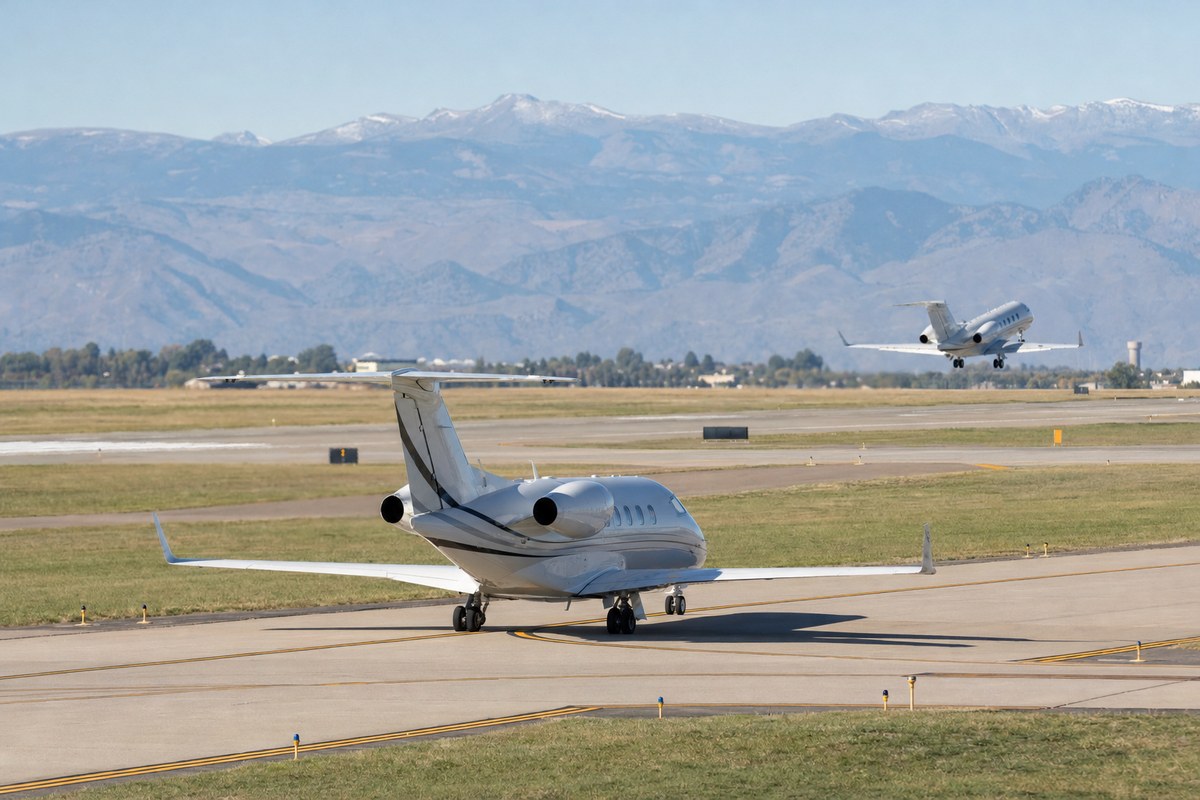
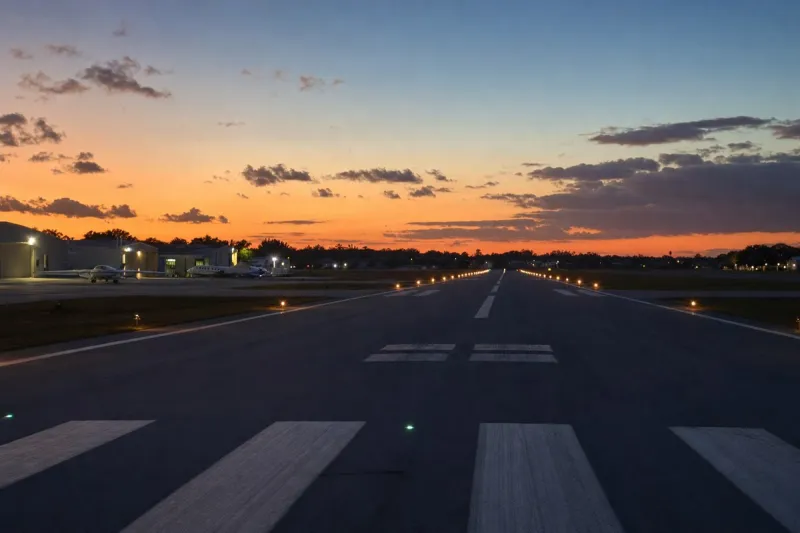
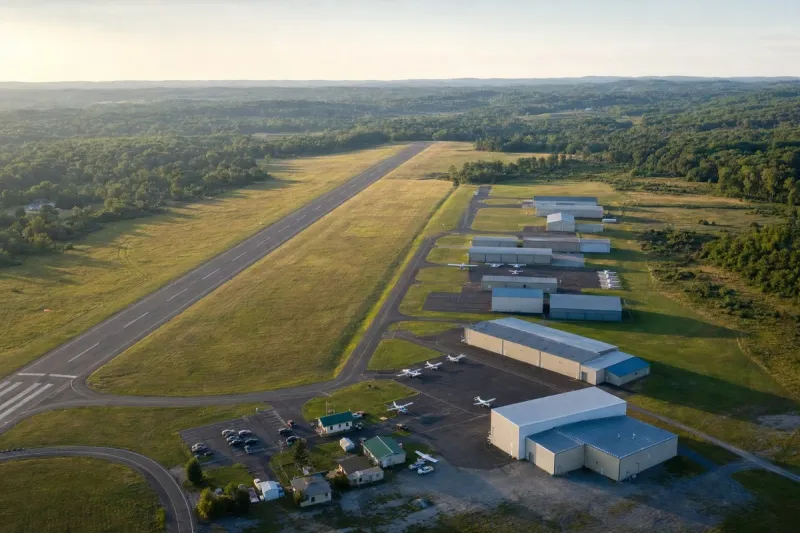
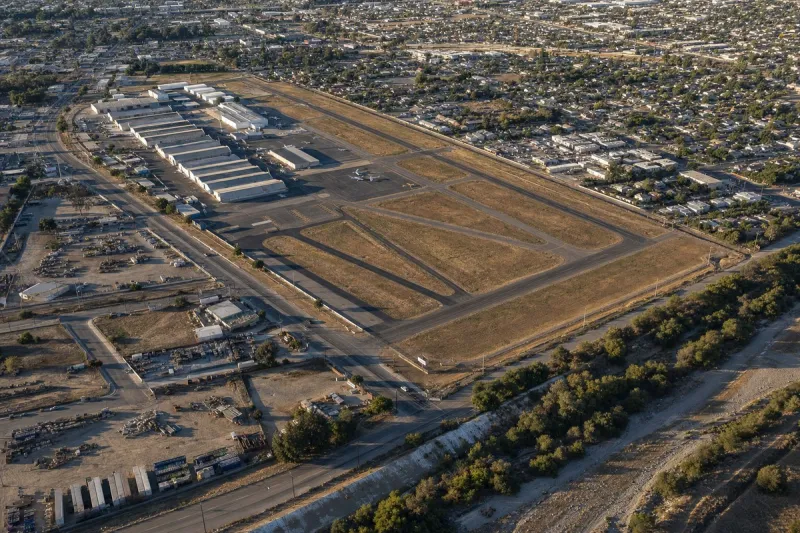
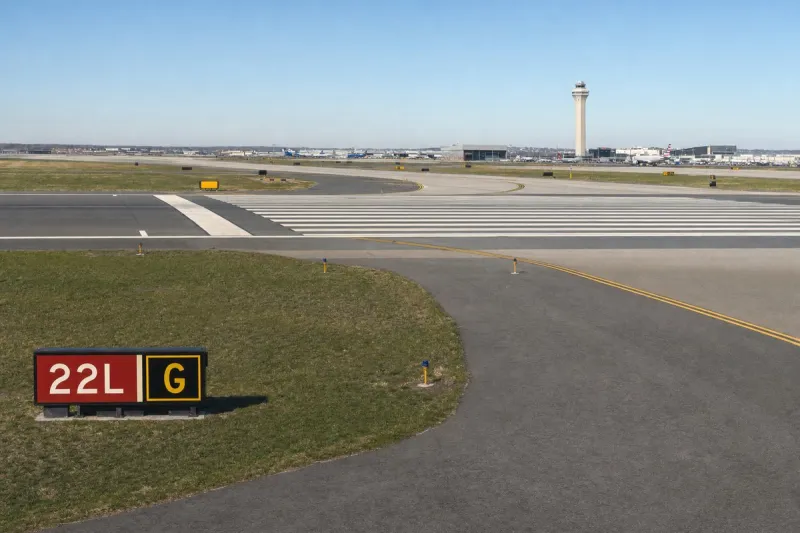
Under the mitigation, controllers will instruct aircraft departing the parallel runways (35L/17R and 35R/17L) to turn 10 degrees from their runway centerlines, giving the two departure paths 20 degrees of separation. The airport says the procedure will be phased in gradually, with more traffic allowed in the pattern over time.
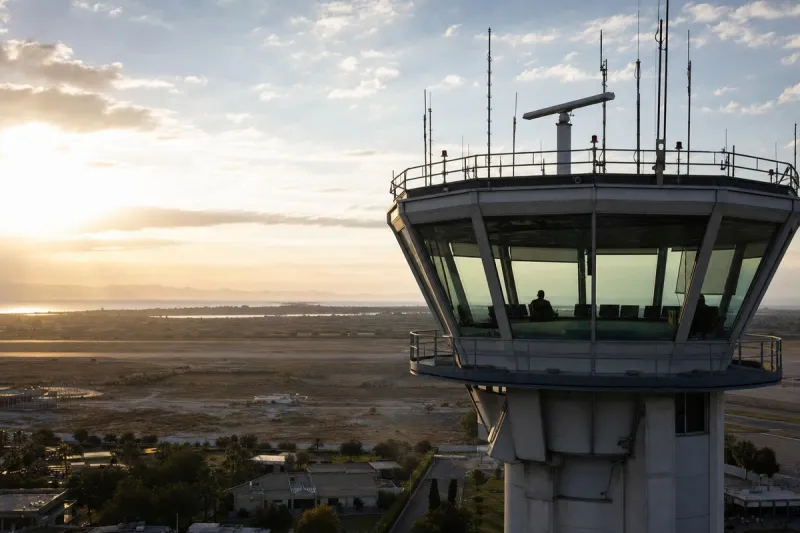
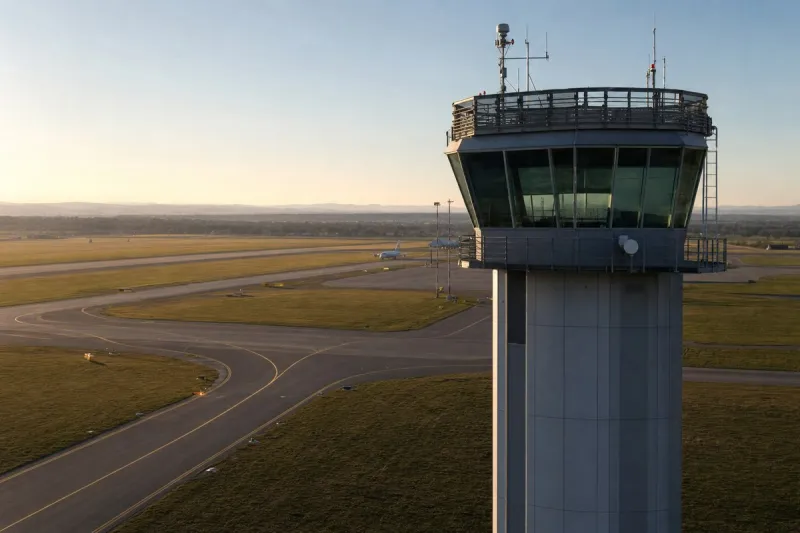
The new procedure follows an October 1 FAA order to immediately stop simultaneous parallel departures, touch-and-goes, and most pattern work after a safety assessment found aircraft drifting toward one another on departure. The directive came with no warning to the airport, operators, or the air traffic control tower.
AOPA Northwest Mountain Regional Manager Brad Schuster said: "While the initial restrictions were disruptive to the Centennial Airport community, we appreciate the FAA's work with the airport authority, air traffic controllers, flight schools, local pilots, and AOPA to address safety concerns." He added that pattern work, including touch-and-goes, is an important part of flight training and helps pilots stay safe and proficient, and that AOPA hopes the plan will allow flight schools and other operations to return to normal as quickly as possible.
Industry impact & what to watch
Pattern work is the backbone of primary and recurrent flight training, so a ban on touch-and-goes lands first on flight schools and the pilots who depend on them for proficiency. The sequence here, an immediate order without notice followed by a panel-driven fix within weeks, illustrates how safety findings at towered general aviation airports can change daily operations faster than affected parties can adapt, and how the way back is typically a procedural mitigation rather than a reversal.
The mitigation itself is a geometric one: splitting the departure tracks by an angular offset to prevent the drift-toward-each-other problem the assessment identified. That kind of fix leaves runway use intact while adding controller workload and a new instruction every pilot must follow. Because the airport describes a gradual phase-in, traffic in the pattern will rebuild in steps, and the pace of that rebuild is the practical measure of how normal operations actually become.
The next signal is the schedule for each phase and how quickly additional pattern traffic is permitted, since that determines when flight schools can resume full training programs.