EU Plans to Revise Oil Stockpiling Rules to Tie Emergency Stocks to National Fuel Consumption
Why It MattersTying emergency stock composition to national consumption would make product-specific supply security, not just crude volume, the benchmark for fuel resilience, a shift that matters most for kerosene-dependent aviation markets.
What happened
The European Union plans to revise its oil stockpiling rules to avoid shortages of products such as diesel and kerosene. The move follows the Middle East conflict, which sent shockwaves through energy markets and exposed the bloc's vulnerability to fuel imports.
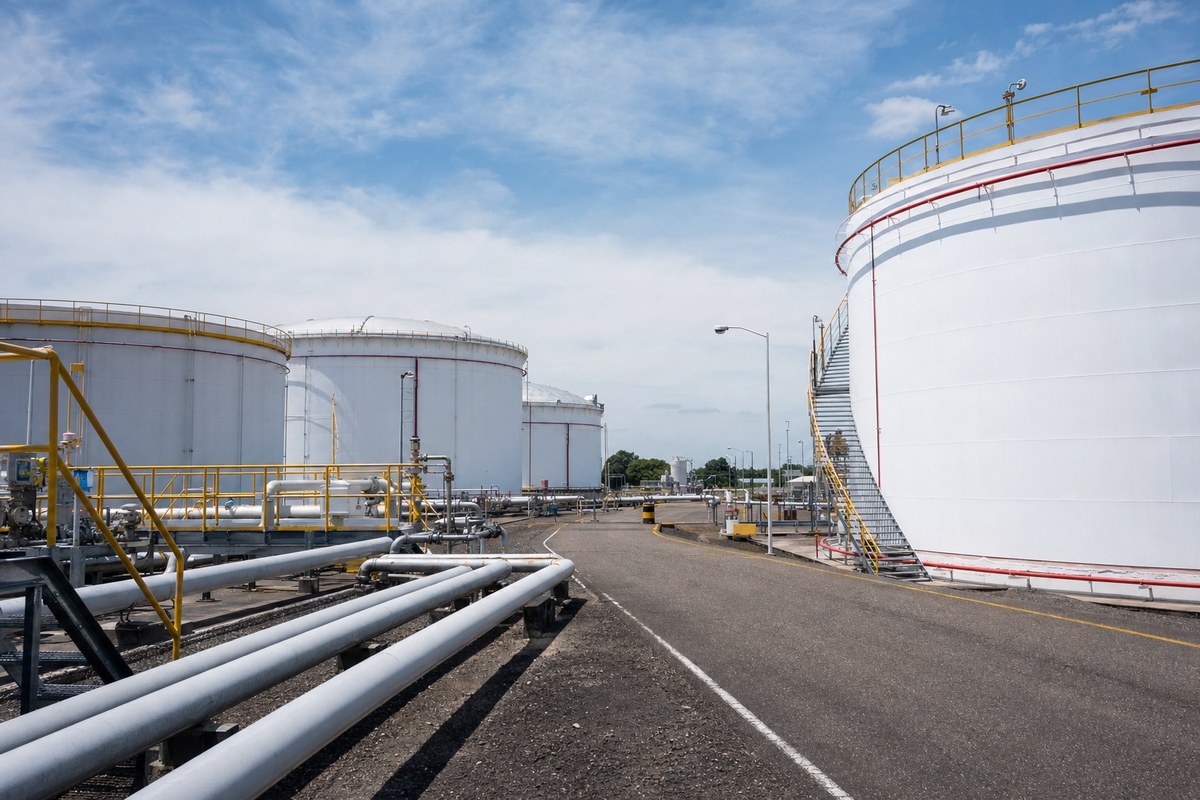
The European Commission, the EU's regulatory arm, is seeking to link the composition of emergency stocks to national consumption patterns. That detail comes from a draft document seen by Bloomberg on Thursday.
The change would strengthen the current rules, which do not require the product mix in member states' emergency stocks to mirror national use.
Industry impact & what to watch
Kerosene is named alongside diesel as a product the revision is meant to protect, which puts jet fuel inside the scope of emergency-stock planning. Under rules that do not require stocks to match national use, a country's reserves can hold a product mix that differs from what its economy actually burns. Linking composition to consumption would tie each member state's reserve to its own demand profile.
For business aviation, which depends on kerosene supply at airports and FBOs, the relevant question is how national consumption is measured and whether aviation fuel demand is weighted in that calculation. States with large aviation sectors would, in principle, face a different stock requirement than states dominated by road diesel demand.
The proposal is at draft stage, so the final wording, any transition period and the national consumption methodology are the points that would decide how much the revision changes day-to-day fuel availability.