UK Border Force Publishes General Aviation Guidance on Reporting International Flights and Permitted Aerodromes
Why It MattersFor general aviation, border compliance runs on advance reporting and airport status together, so the choice of aerodrome and the timing of notice shape what a flight may lawfully do.
What happened
A guidance document published in November 2026 sets out requirements for owners, agents and captains of General Aviation (GA) aircraft making international flights to and from the UK, including flights within the Common Travel Area (CTA). The latest version adds a Frequently Asked Questions section covering cases where more than one General Aviation Report (GAR) is submitted for a flight, and where a pilot cannot land at the arrival location named on the submitted GAR.
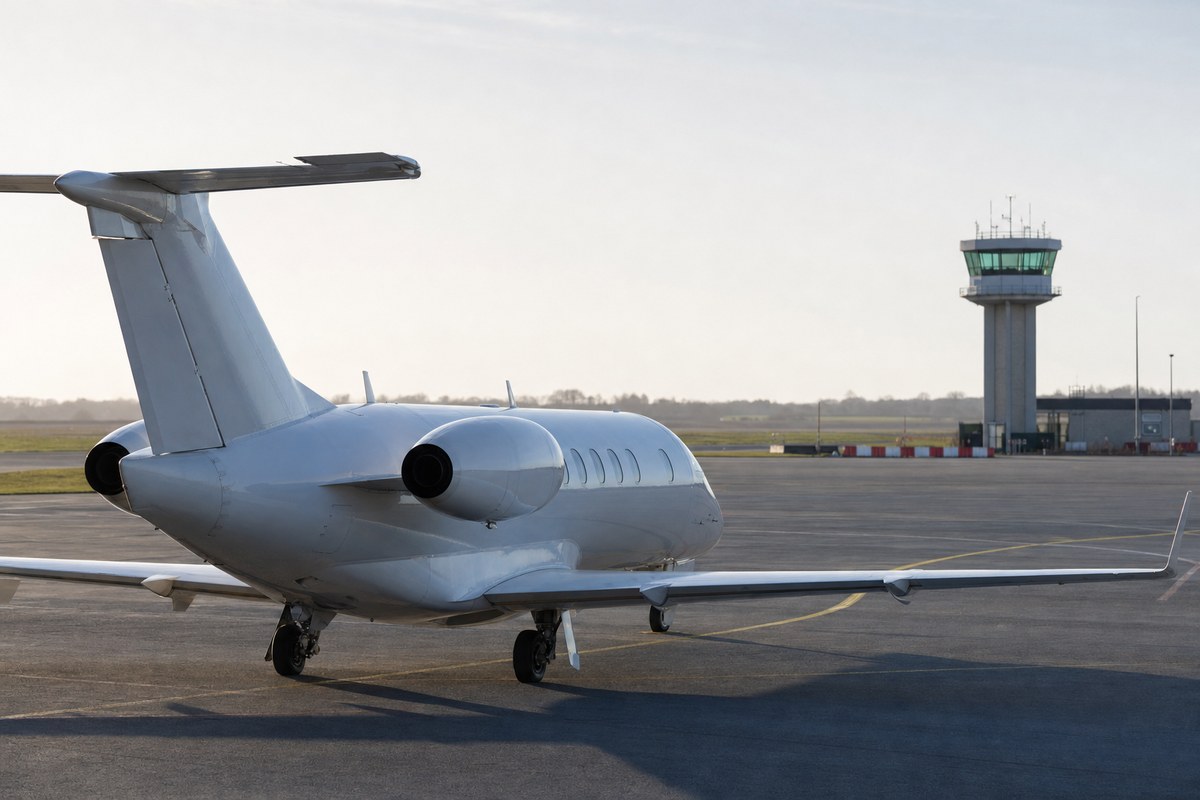
Owners or agents and captains must report such flights and the persons on board to Border Force and His Majesty's Revenue and Customs (HMRC). Border Force, HMRC, the police and the National Crime Agency use the information for immigration, customs and policing purposes, including preventing, detecting and investigating crime and terrorism and facilitating legitimate passage across the border.
The legal basis includes the General Aviation (Persons on Board, Flight Information and Civil Penalties) Regulations 2024 under the Immigration Act 1971, directions under sections 35 and 64 of the Customs and Excise Management Act 1979 (CEMA), and Paragraph 12 of Schedule 7 to the Terrorism Act 2000.
Where a flight carries passengers for reward and the UK airport is not police designated, a Police Examining Officer's prior approval is required. In other cases at non-designated airports, the pilot must notify police at least 12 hours before departure or arrival.
Airport designations and permitted aerodromes
Airports may hold Customs & Excise, Immigration and Police designations. Aircraft carrying paying passengers between Great Britain and Northern Ireland, or between the UK and the rest of the CTA, must use a police designated airport unless a police force has given specific authority.
Unregulated aerodromes in Great Britain may handle only domestic flights and flights to and from the Isle of Man, while those in Northern Ireland may handle domestic, CTA and EU flights.
Industry impact & what to watch
The guidance shows that for general aviation, border compliance is not a single filing. It combines a report on the flight and its occupants, the designation status of the airport used, and, in some cases, advance police notice or approval. A flight plan that satisfies one of those layers can still fail another.
The new FAQ entries address the situations where plans most often depart from paper: duplicate reports for one flight and a landing somewhere other than the arrival point on the GAR. For operators running charter-style flights with paying passengers, the police designation requirement narrows which airports can serve CTA routes without specific police authority.
The practical test for any itinerary is whether the report, the airport's designations and the police notice period line up before departure, since the 12-hour notice lead time leaves little room for late changes to the destination.