TxDOT Study: Midland's Two Airports Generate More Than $1.2 Billion in Annual Economic Activity
Why It MattersAirport-impact studies like this tie jobs, payroll and output to infrastructure spending, giving cities a documented basis for terminal, runway and parking investment at both commercial and general aviation fields.
What happened
The Texas Department of Transportation (TxDOT), in partnership with the Texas A&M Transportation Institute, has released its 2026 Economic Impact of Aviation Study, which quantifies the economic contributions of airports across Texas. For the City of Midland, the study finds that its two airports together generate more than $1.2 billion in annual economic activity, support 9,568 jobs and account for approximately $681.4 million in annual payroll.
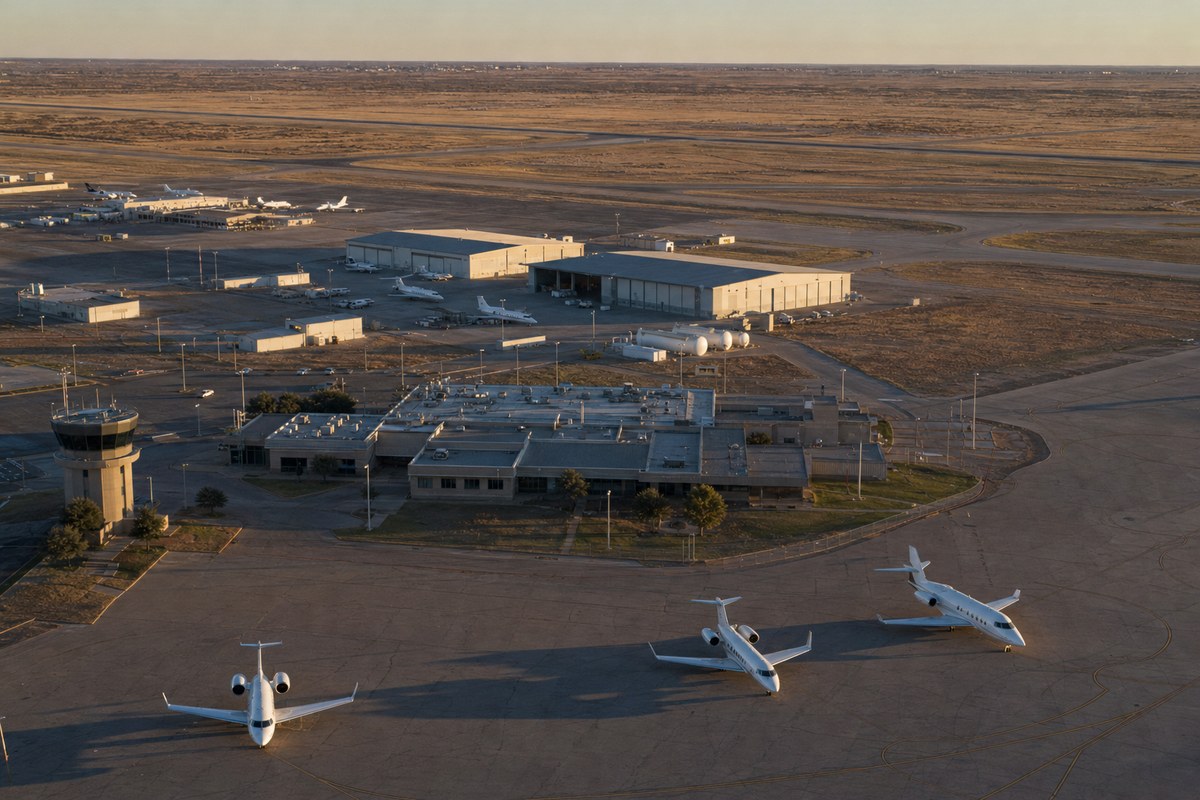
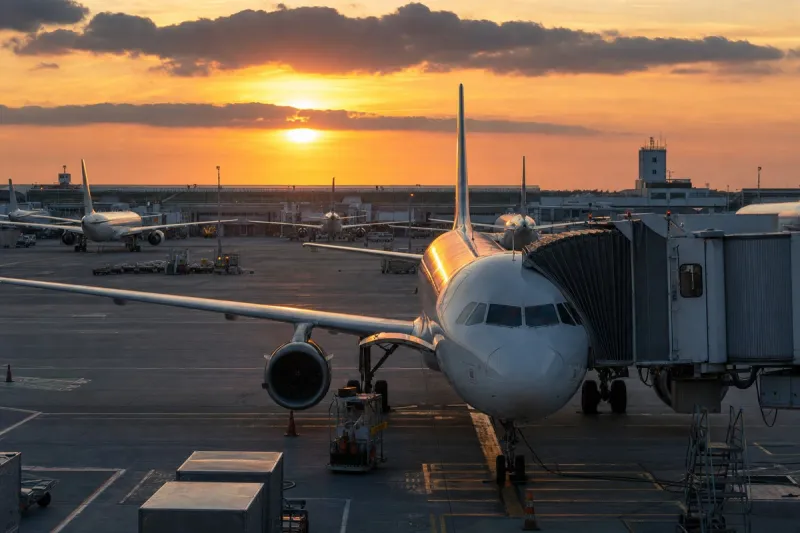
Midland International Air & Space Port supports 9,413 jobs, directly or indirectly, and generates $673.1 million in annual payroll and $1.2 billion in economic output. The airport is served by Southwest Airlines, United and American Eagle, and is home to Spaceport Business Park, whose tenants include AST SpaceMobile, one of Midland's largest employers. It is both a commercial service airport and an FAA-licensed spaceport.
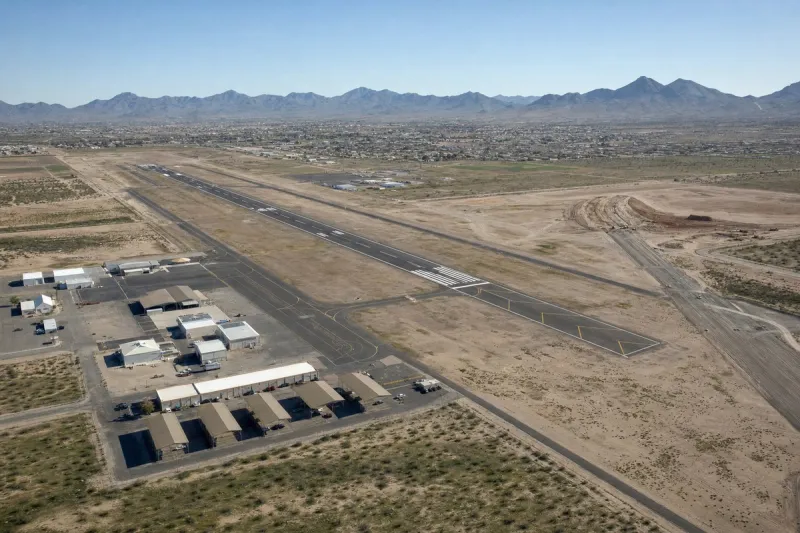
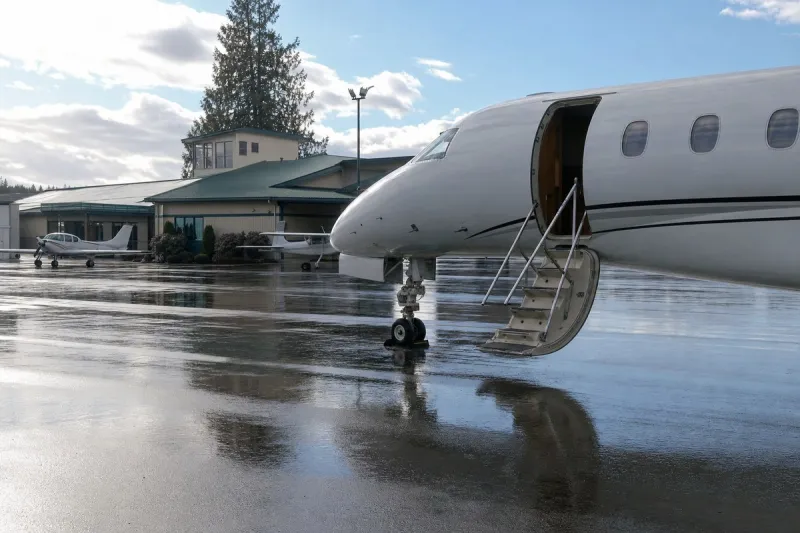
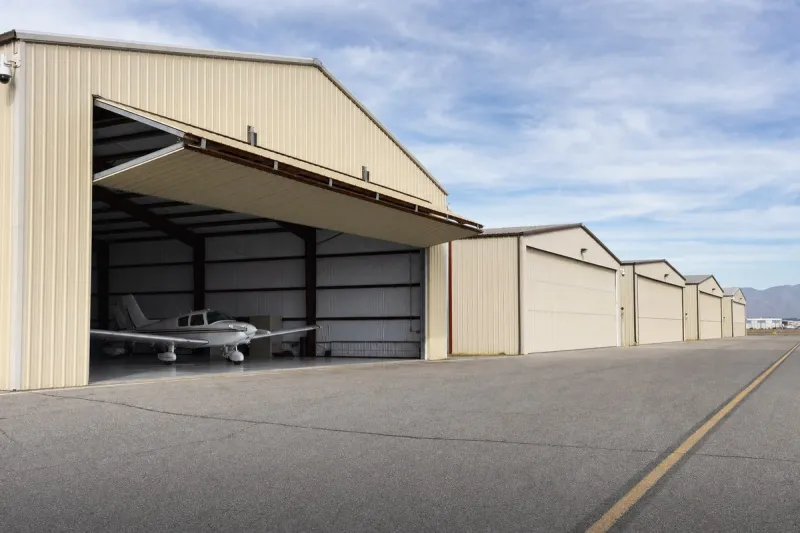
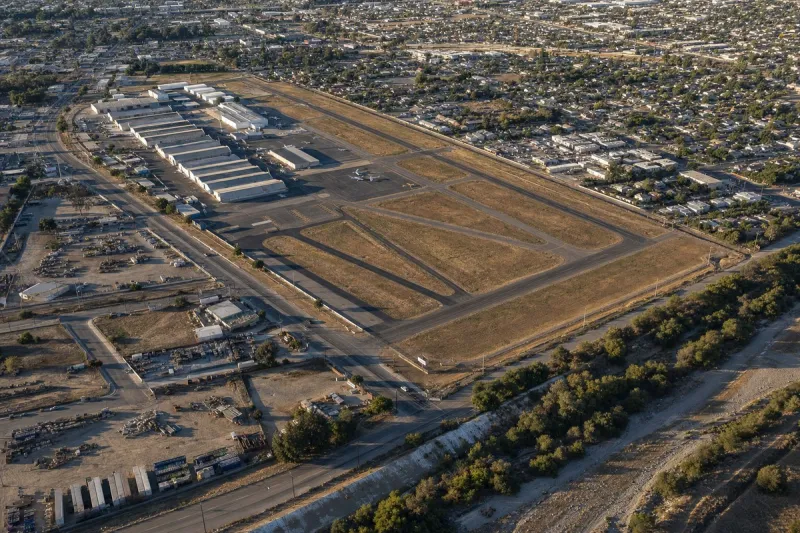
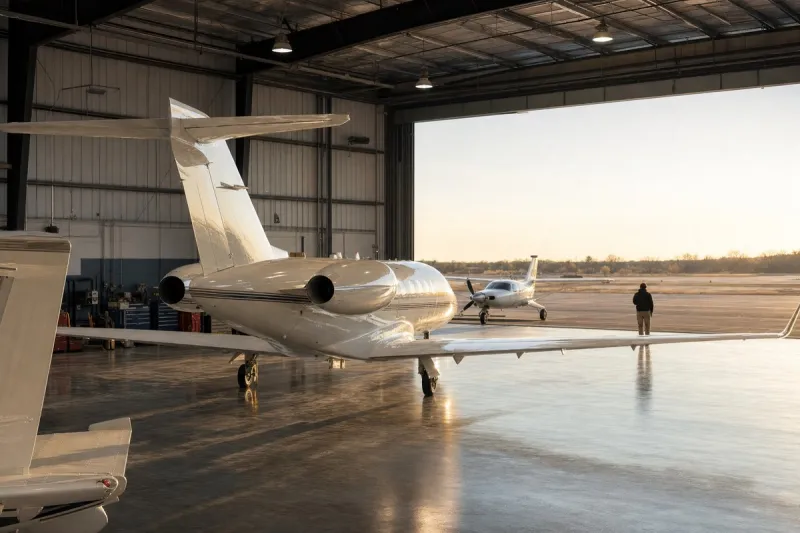
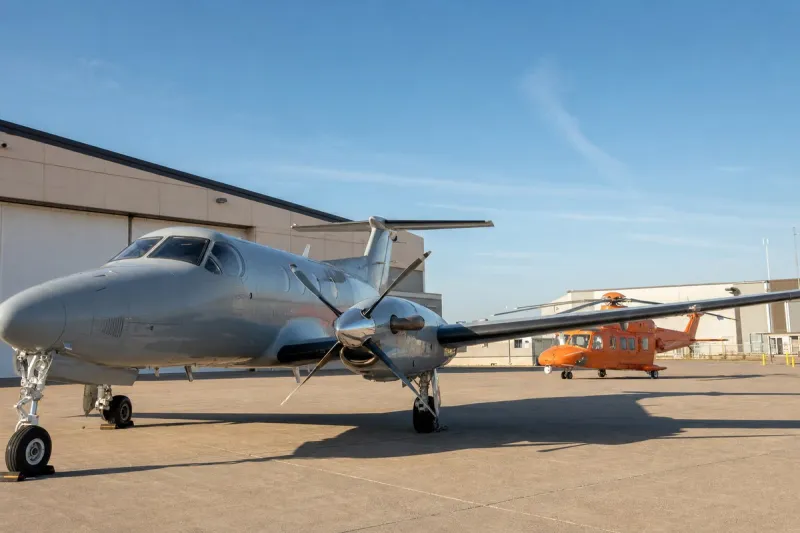
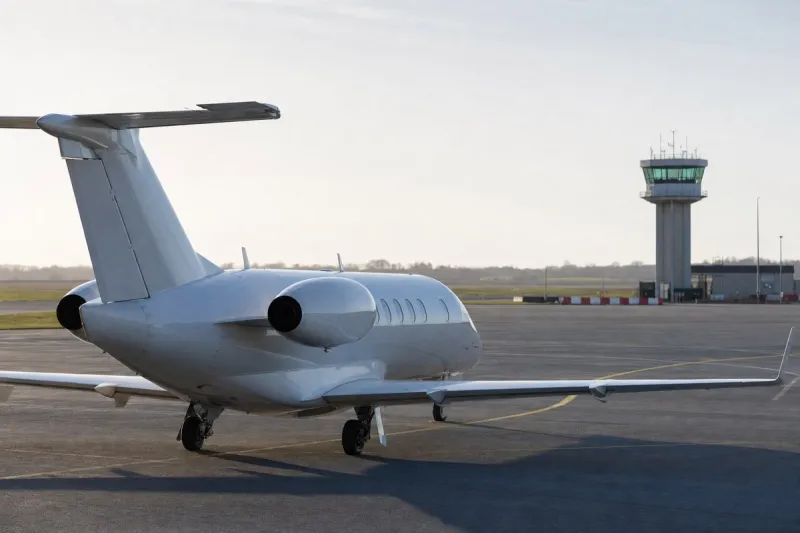
Midland Airpark, the city's general aviation airport, supports 155 jobs, $8.3 million in annual payroll and $24.1 million in economic output. It supports general aviation, corporate and business aviation, flight training and the Permian Basin's energy industry.
Investment under way
Over the past three years, the City of Midland has undertaken or committed approximately $198 million in airport improvements and equipment investments: about $142 million at Midland International Air & Space Port and $56 million at Midland Airpark.
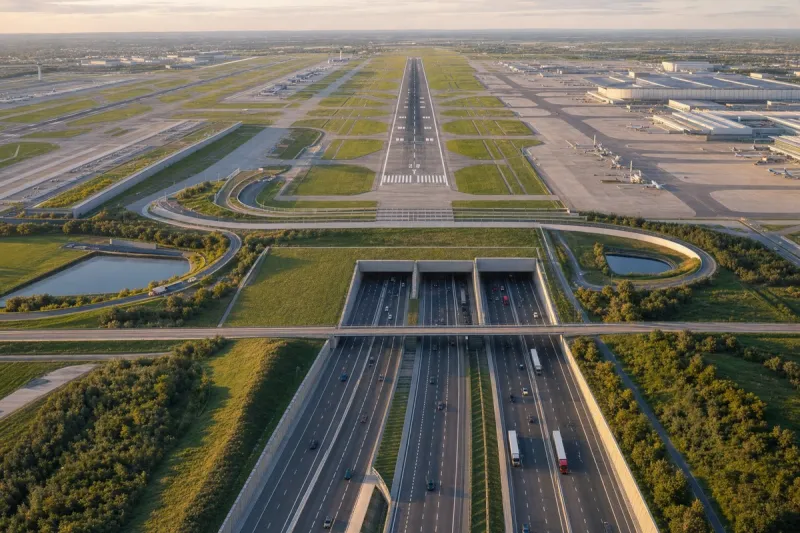
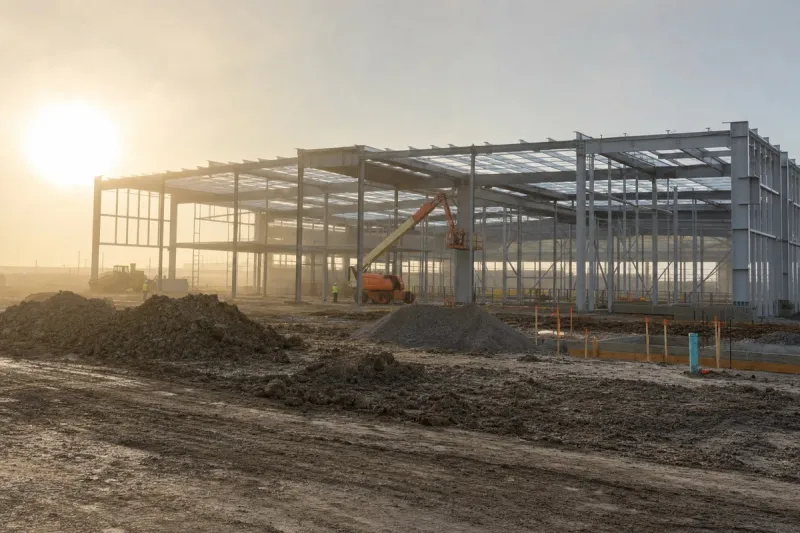
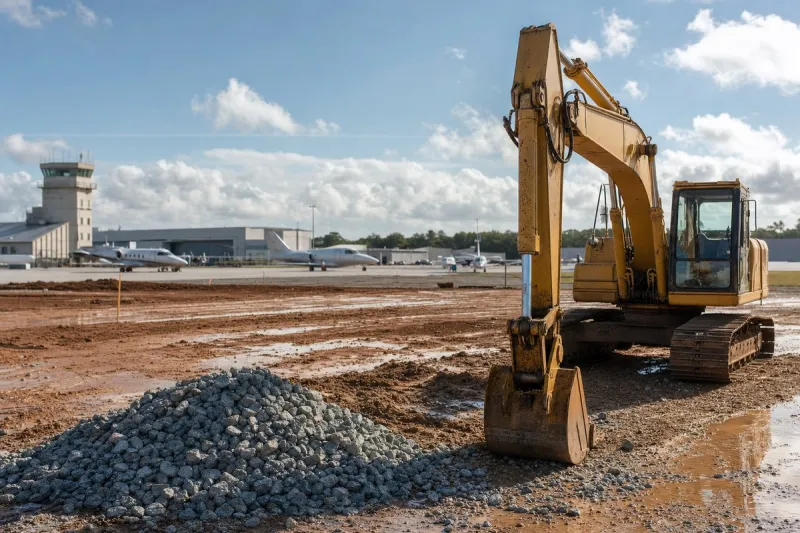
Major projects include an approximately $50 million terminal modernization and expansion at Midland International that will expand the TSA security checkpoint and improve passenger amenities, runway and infrastructure rehabilitation, and about 865 additional parking spaces at Midland International. At Midland Airpark, the work includes taxiways and utilities.
Director of Airports Justine Ruff said the figures show the airports are significant economic engines for Midland and the Permian Basin and reinforce the importance of continued investment in airport infrastructure, capacity and development. At-large Councilwoman Robin Poole, the council liaison to the Airports Department, said a strong airport system means a stronger local economy and greater connectivity.
Industry impact & what to watch
Midland's numbers show how unevenly a single city's aviation economy can be distributed. The commercial and spaceport field accounts for 9,413 of the 9,568 jobs, while the general aviation airport supports 155 jobs and $24.1 million in output. Yet the general aviation field serves corporate aviation, flight training and the Permian Basin's energy industry, a role that payroll totals alone do not capture.
Studies of this kind matter beyond the headline figures because they give airport owners a state-backed, documented basis when arguing for capital spending. With about $198 million already undertaken or committed over three years, Midland has paired the study's output figures with a visible construction program, which is the combination that tends to support further funding requests.
The next milestone to follow is the roughly $50 million terminal modernization at Midland International, particularly the expanded TSA security checkpoint and passenger amenities, since that project is where the study's case for added capacity becomes physical.