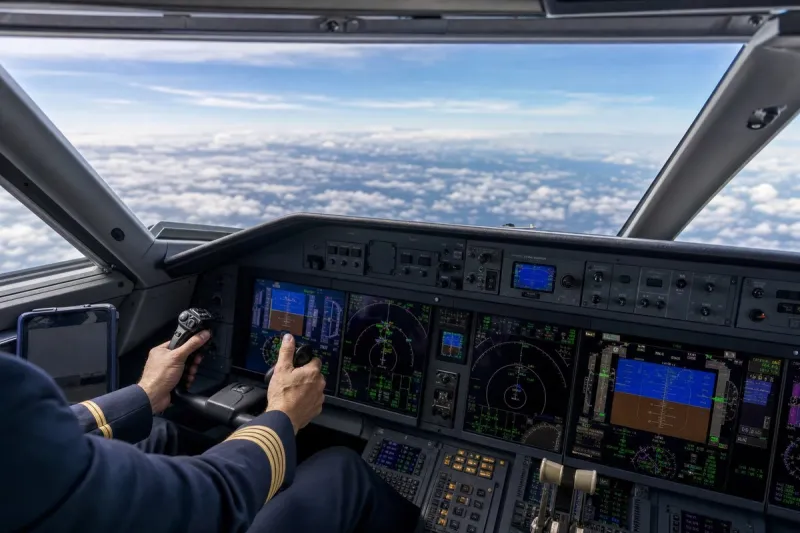
Delta Weight-and-Balance System Outage Prompts FAA Ground Stop for Atlanta-Bound Flights Ahead of Thanksgiving
Why It MattersA single airline's load-planning tool failing can ripple across a hub-and-spoke network, and holding flights at origin airports moves congestion from the hub to outstations during peak travel periods.
What happened
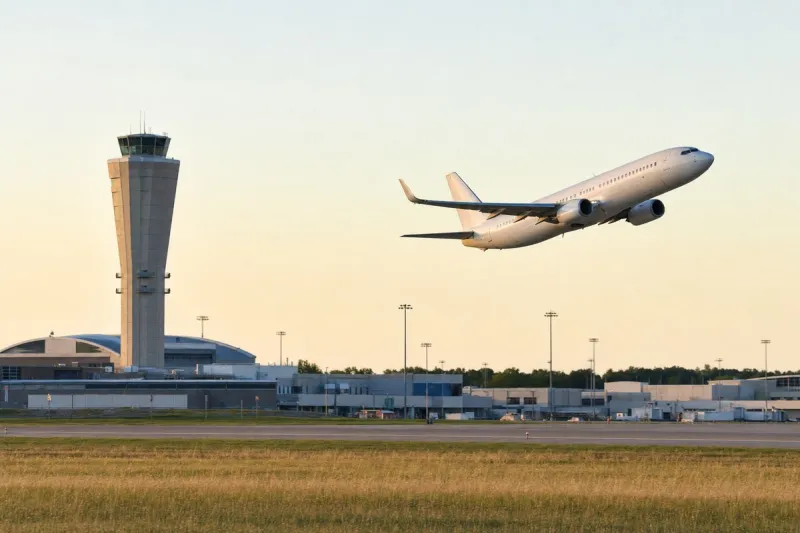
Delta Air Lines flights bound for Hartsfield-Jackson Atlanta International Airport (ATL) were held at their departure airports on Sunday morning after an outage affected the carrier's weight-and-balance calculations. At Delta's request, the Federal Aviation Administration issued a ground stop affecting hundreds of flights.
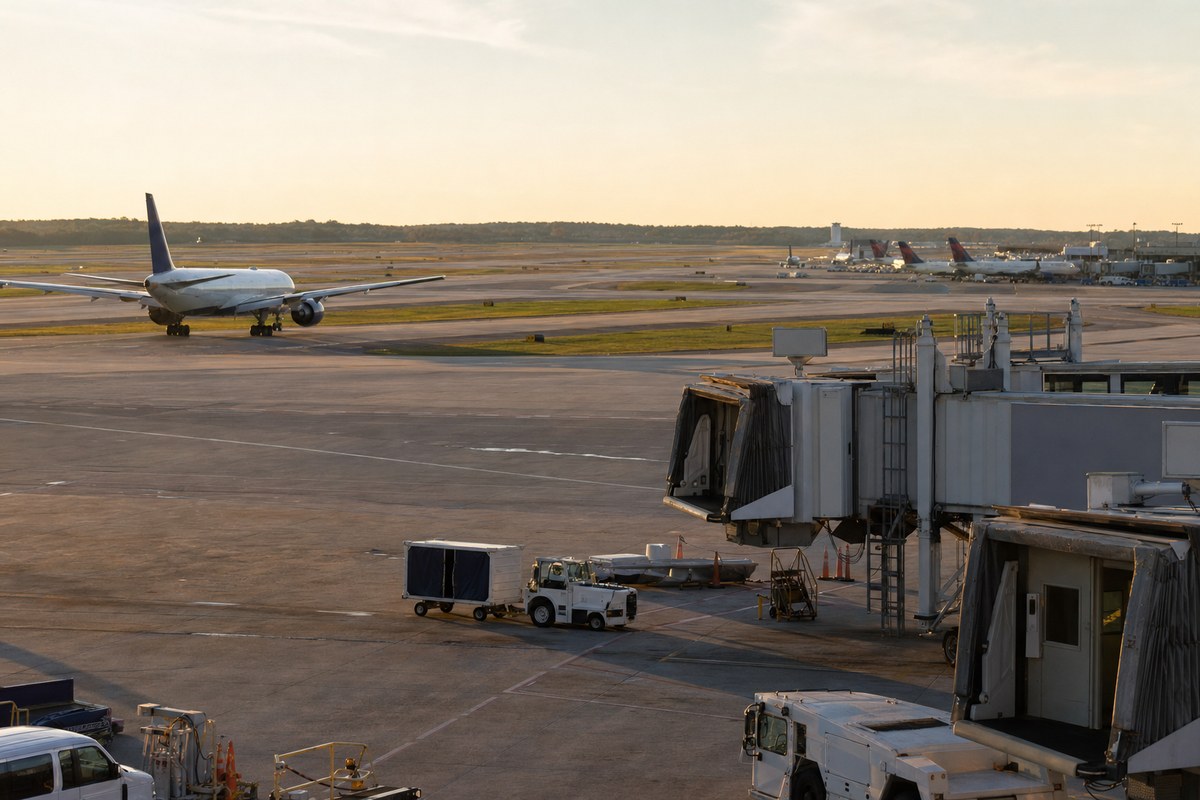
According to the FAA's National Airspace System status page, the ground stop was initially scheduled to run until at least 9:00 AM ET. It was downgraded to a ground delay program shortly after 8:40 AM, allowing flights to resume under restrictions.
The outage hit Delta's Automated Load Instruction System (ALIS), which handles loading information used in aircraft weight-and-balance calculations. Delta said its teams were using manual workarounds to depart flights safely while work continued to restore automation, and that it was working with air traffic control to protect airport gates and tarmac areas from congestion at ATL. The airline had not disclosed the cause of the outage or whether any flights had been canceled.
The disruption fell on the Sunday before Thanksgiving, which is Thursday, November 26. US carriers are projected to fly nearly 29 million passengers between November 20 and November 30, around 2.7 million per day, with airlines offering 38,000 more daily seats than in the same period of 2025.
Industry impact & what to watch
Every flight requires a final load sheet confirming total weight and center of gravity, which feeds the calculation of takeoff performance, including speeds and required engine thrust. When the automation behind that sheet fails, the figures must be produced manually, which adds time to each departure. The constraint is procedural rather than mechanical, so aircraft can still fly, but at a slower rate across the whole network.
Holding inbound flights at their origin airports keeps aircraft from reaching Atlanta without an available gate, but it moves the delay to the departure airports. United Airlines suffered a similar weight-and-balance outage the previous week that disrupted departures across its network for more than 90 minutes, so the Delta event is the second such failure at a major US carrier in consecutive weeks.
Delta was also affected by the nationwide ground stop of November 13, which lasted more than four hours after a telecommunications failure within the FAA's system, and it struggled to recover operations in the following days as aircraft and crews were displaced across its network. The items still to be disclosed are the cause of the ALIS outage and the number of canceled flights, both of which would come from Delta.