133 Flights Diverted in Two Weeks: Boston, Katowice and Fresno Absorbed the Most Traffic
Why It MattersDiversion traffic concentrates at a few alternates near disrupted hubs, so the receiving airports' ramp, fuel and passenger-handling capacity becomes the constraint that decides how quickly a diversion wave clears.
What happened
Between November 6 and 18, 133 flights diverted from their intended destinations, according to Simple Flying Flight Tracker data covering 63 diversion posts. The data included 17 major diversion waves, defined as four or more aircraft diverting from the same airport within an hour. Thursday, November 12 was the busiest day, accounting for 35 of the 63 posts.
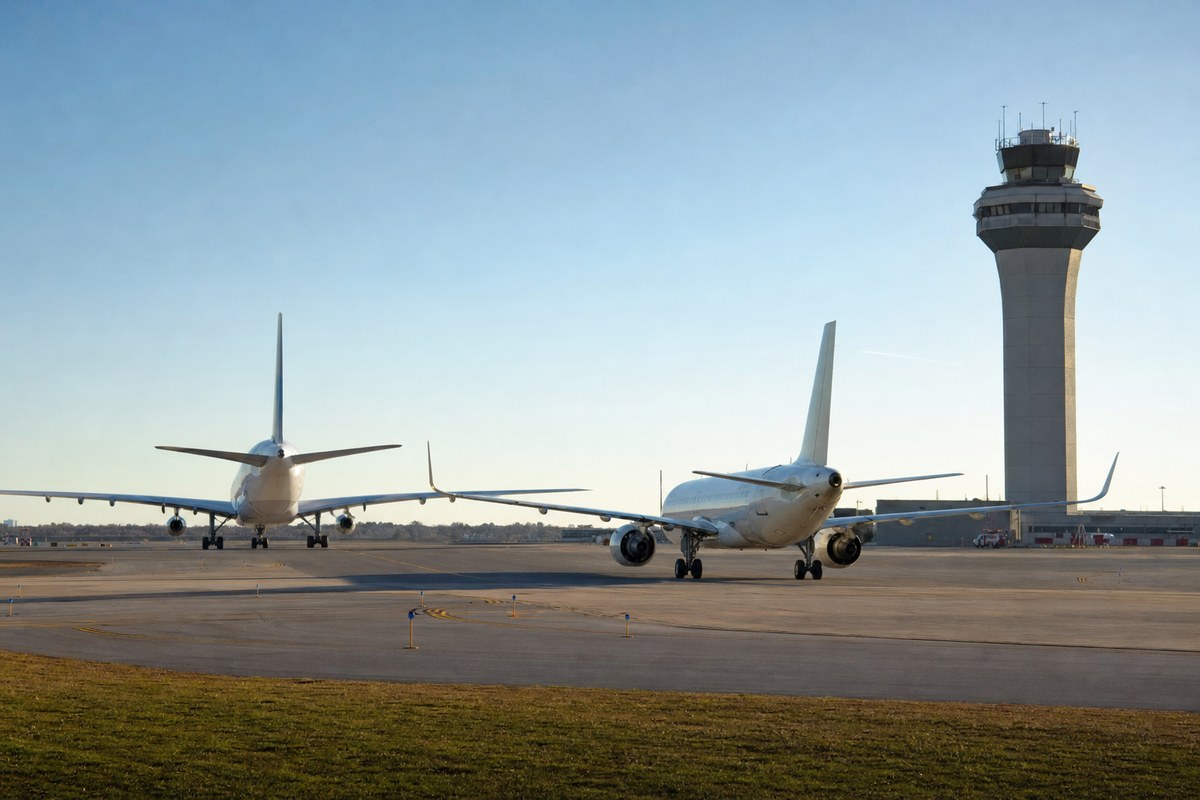
On November 12, John F. Kennedy International Airport (JFK) saw an 11-flight diversion wave, with transatlantic arrivals redirected mainly to Boston Logan International Airport (BOS), and also to Bradley International Airport (BDL), Philadelphia International Airport (PHL), Providence and Bangor International Airport (BGR). Affected operators included American Airlines, Delta Air Lines, British Airways, Air France, Lufthansa and KLM Royal Dutch Airlines. Newark Liberty International Airport (EWR) had a four-flight wave.
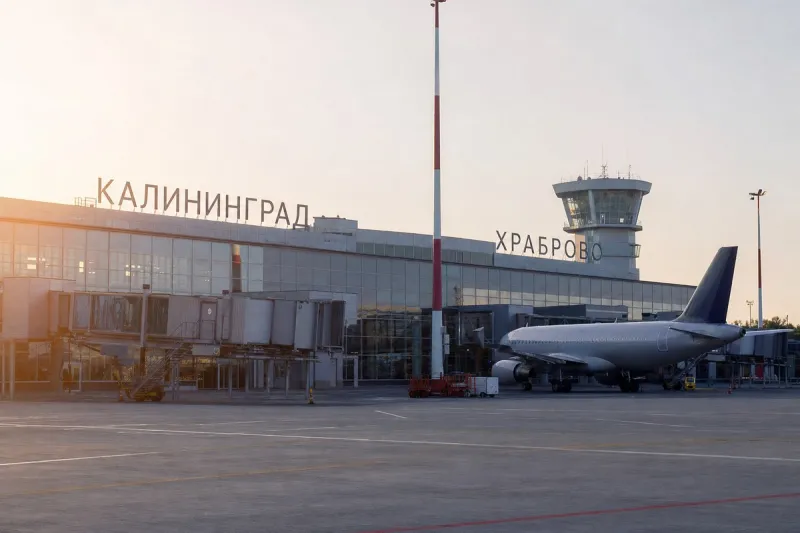
Boston was the most frequently used diversion airport, receiving 16 flights. Katowice International Airport (KTW) in Poland followed with 15, and Fresno Yosemite International Airport (FAT) ranked third with nine, all tied to the November 18 San Francisco disruption.
Krakow John Paul II International Airport (KRK) had four separate diversion waves between November 6 and 9, each involving at least four flights. On November 6, four flights were diverted (three to Katowice, one to Rzeszow-Jasionka Airport); on November 7, six (five to Katowice, one to Frankfurt); on November 8, two waves of eight and five aircraft went to cities including Warsaw, Wroclaw, Gdansk, Brno and Ostrava; and on November 9, six flights were redirected, five of them to Katowice. Ryanair, Wizz Air and Finnair were among the affected carriers.
San Francisco and the longest diversions
On November 18, San Francisco International Airport (SFO) recorded the largest single wave, with 13 flights redirected in about an hour: nine to Fresno and four to Los Angeles International Airport (LAX). Korean Air flight 23 from Seoul Incheon, United flight 862 from Hong Kong and United flight UA34 from Osaka Kansai landed at LAX, as did Delta DL668 from JFK. JetBlue flight 633 from BOS and American AA76 from JFK landed at Fresno.
The longest diversion was KLM flight KL677 from Amsterdam to Calgary, a Boeing 787 that landed at Keflavik International Airport (KEF) on November 9, about 3,200 miles (5,132 km) short of its destination. United flight UA114 from Papeete to San Francisco landed at Honolulu, about 3,857 km short. easyJet flight 7883 from Amsterdam to Tenerife South landed at Paris Orly, about 2,814 km from its destination.
Industry impact & what to watch
Diversions cluster. The 133 flights in this window were not spread evenly across the network: 17 waves of four or more aircraft account for a large share of them, and the same few alternates keep reappearing. Boston, Katowice and Fresno together took 40 of the 133. When a major hub closes or restricts arrivals, the nearest airports with suitable runways, fuel and handling take the overflow, and their ramp space and ground staff set the pace of recovery.
The Krakow sequence shows how a single disrupted airport can feed one alternate for days. Katowice received most of the aircraft from four separate Krakow waves between November 6 and 9, so repeated disruption at one origin builds a standing dependence on one neighbour. For operators of widebodies on long routes, the Keflavik, Honolulu and Paris Orly cases show that a diversion can leave an aircraft thousands of kilometres from its destination, which turns a weather or airspace event into a repositioning and crew-duty problem, not just a delay.
The next point to check is whether the airports that absorbed the largest waves report how quickly passengers and aircraft were cleared, since those figures would show where handling capacity ran short.