Bloomberg's Falcon 900LX N47EG Makes 17-Nautical-Mile Hop From Teterboro to Newark
Why It MattersVery short repositioning legs between neighbouring New York-area airports show how aircraft logistics, not passenger demand, can drive flight counts and per-flight emissions figures for large-cabin private jets.
What happened
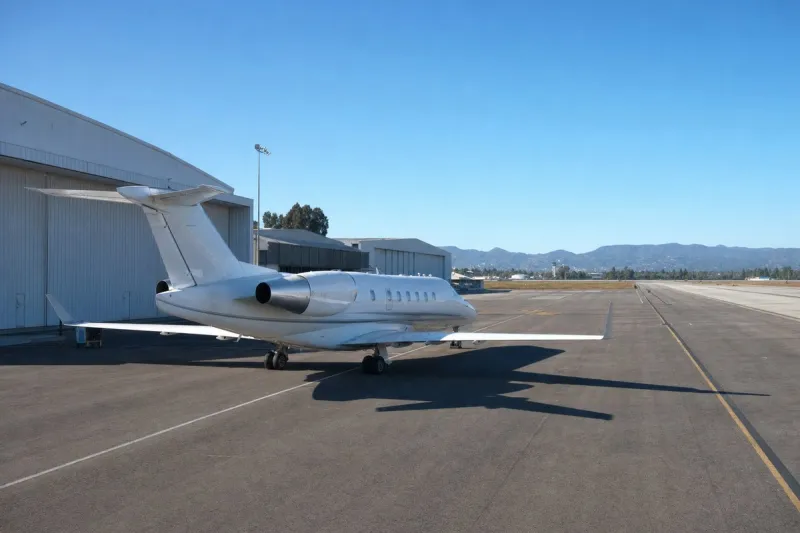
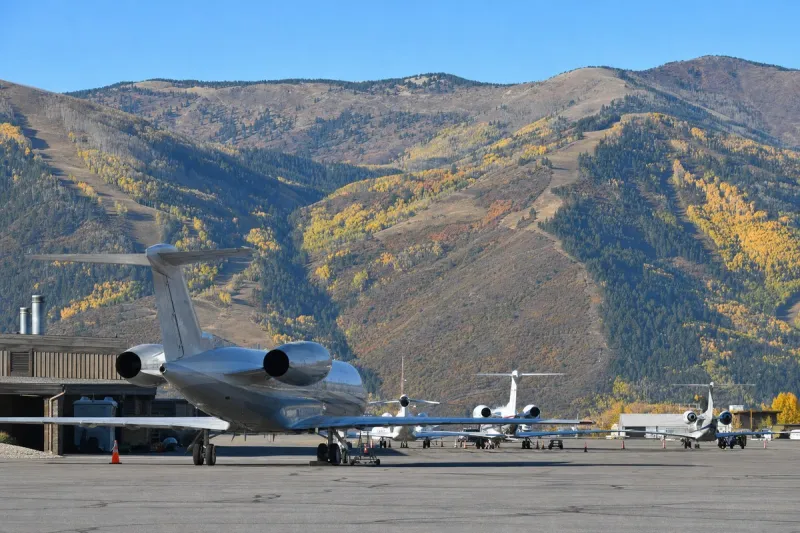
A Dassault Falcon 900LX registered N47EG, linked to Michael Bloomberg, flew from Teterboro to Newark on Saturday, November 21, 2026. The aircraft departed Teterboro at 23:59 UTC and landed at Newark at 00:15 UTC, a 16-minute flight covering 17 nautical miles (19 miles). It reached a highest altitude of 2,675 feet and a top ground speed of 269 knots.
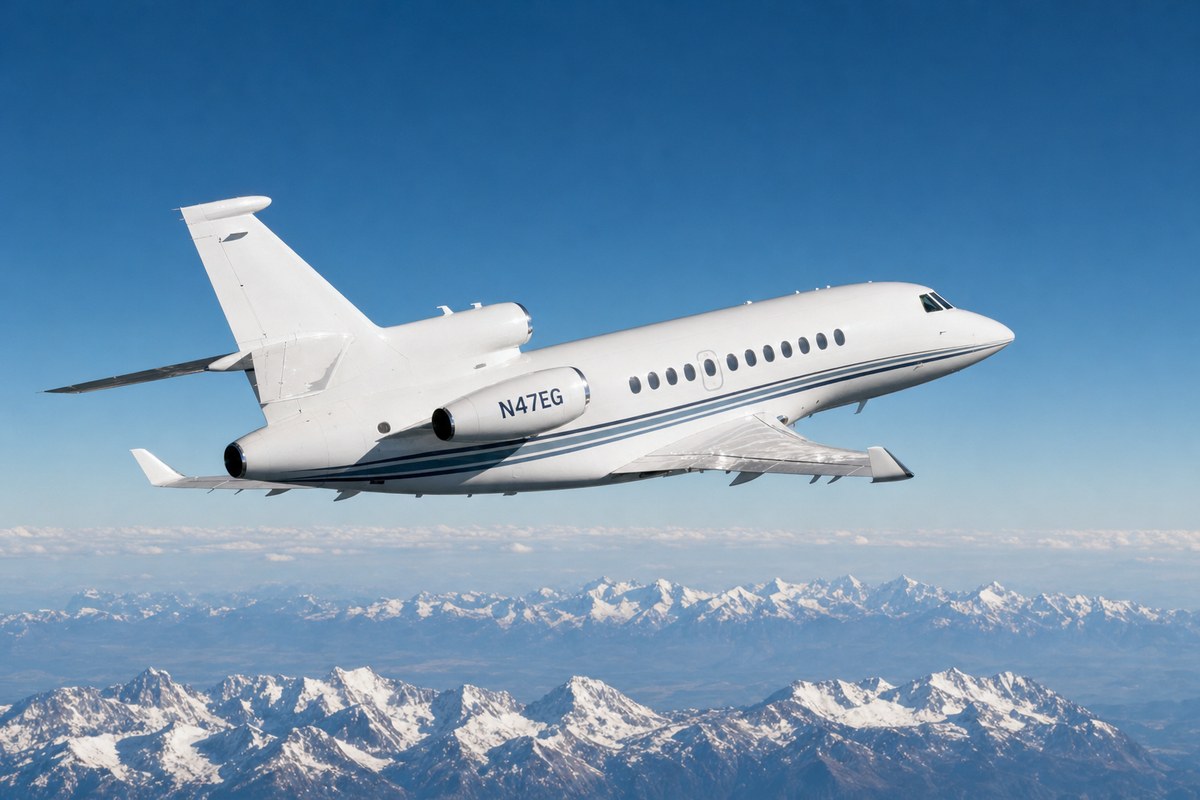
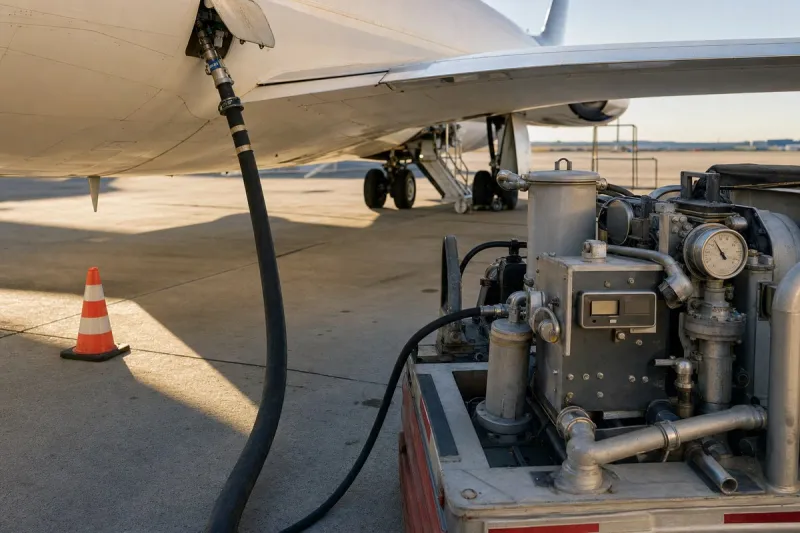
The flight burned an estimated 85 US gallons of fuel, producing about 820 kilograms of CO2, roughly the same as driving a car 2,029 miles. It used less than 1 percent of the aircraft's range. The Falcon 900LX has a range of 4,750 nautical miles, seats up to 14 passengers and has a service ceiling of 51,000 feet. Its top speed is Mach 0.87, or 482 knots.
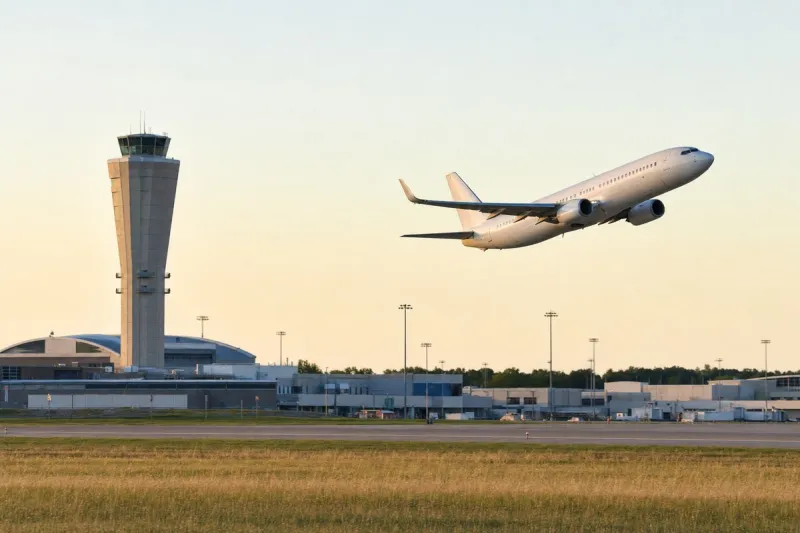
Newark Liberty International Airport in New Jersey is the aircraft's home base. The landing was the 9th at Newark for one of Bloomberg's aircraft in the tracked window from September 4 to November 21, 2026; the previous Newark landing was on November 19, 2026, also by N47EG. The aircraft's previous leg was from Santa Barbara to Teterboro on the same day, 2,186 nautical miles in 4 hours and 52 minutes.
In the 30 days before the flight, Bloomberg's two Falcon 900s visited 11 airports across 5 countries and flew about 23,652 nautical miles. The most common destinations in that window were New York LaGuardia with 11 landings, Newark with 9 and Teterboro with 3. Across the tracked window from September 4 to November 21, 2026, the two aircraft made 40 flights.
The two airports
Teterboro Airport's longest runway is 6,997 feet at an elevation of 9 feet. Newark Liberty International Airport's longest runway is 11,000 feet at an elevation of 18 feet.
The aircraft's November 2026 flight history also includes a 3,189-nautical-mile leg from Osaka to Anchorage on November 18, which puts the 17-nautical-mile hop in the context of a schedule that mixes transpacific and local sectors.
Industry impact & what to watch
A 17-nautical-mile leg sits at the extreme end of what a large-cabin business jet is built for. The cost and emissions of a flight like this are dominated by the climb, the taxi and the engine start-up cycle, not by cruise, which is why a trip using less than 1 percent of the aircraft's range still carries a measurable fuel and CO2 figure. Operators and observers comparing per-flight emissions across business aviation need to read such numbers alongside the purpose of the sector, since a repositioning hop between Teterboro and Newark exists to put the aircraft where its next trip begins.
Flights of this kind are structural to how ultra-long-range jets are used in the New York area. Teterboro serves as the corporate gateway while Newark, in this case the aircraft's home base, offers a far longer runway at 11,000 feet against Teterboro's 6,997 feet. When a jet arrives from a long sector and the home base is a few minutes away, a short positioning leg is the logical way to close the loop, and tracking sites that publish each flight separately make those legs highly visible in public data.
That visibility is the pattern worth noting for the segment. Per-flight tallies of fuel, CO2 and distance draw attention to the shortest sectors, while the longer legs, such as the 2,186-nautical-mile Santa Barbara to Teterboro flight the same day, account for most of the fuel actually consumed. The 40 flights logged across the two aircraft between September 4 and November 21, 2026 are the more complete picture of utilisation than any single hop.