Jackson Hole Airport, the Only U.S. Commercial Airport Wholly Inside a National Park, Faces Limits on Environmental Challenges
Why It MattersAirports on federal land operate under layered NEPA review and long-term use agreements, so growth depends on negotiated limits and stakeholder consent rather than on demand alone.
What happened
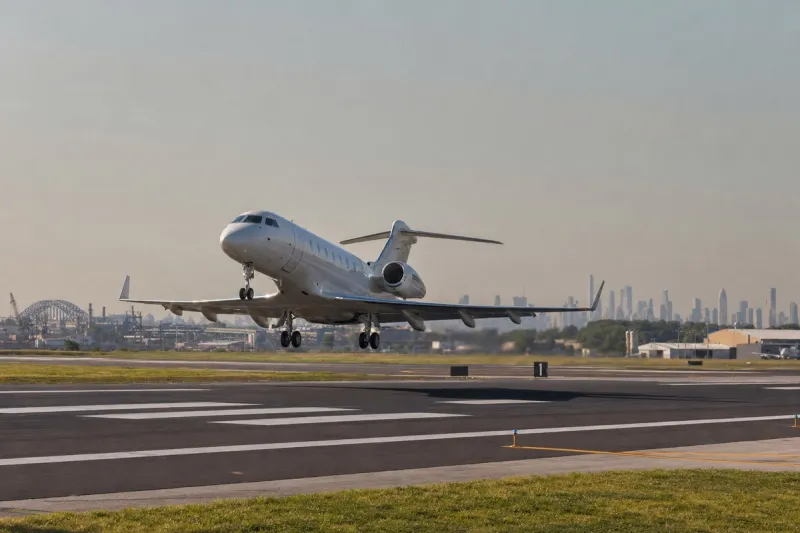
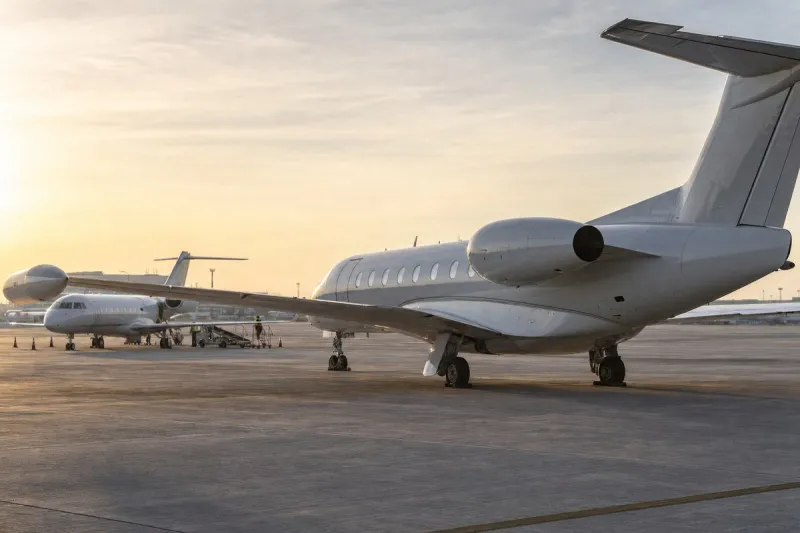
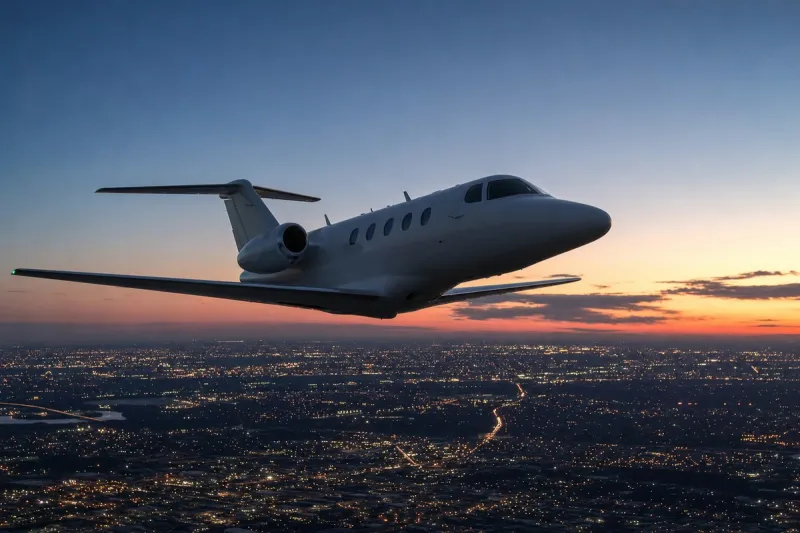
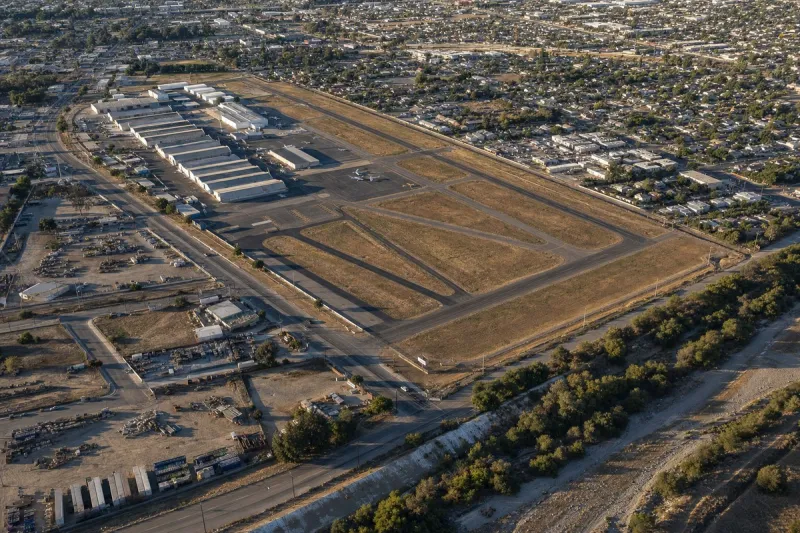
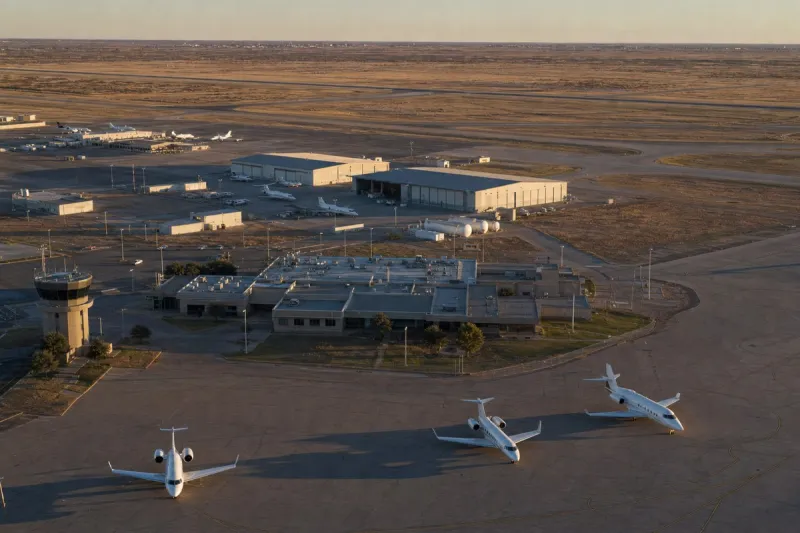
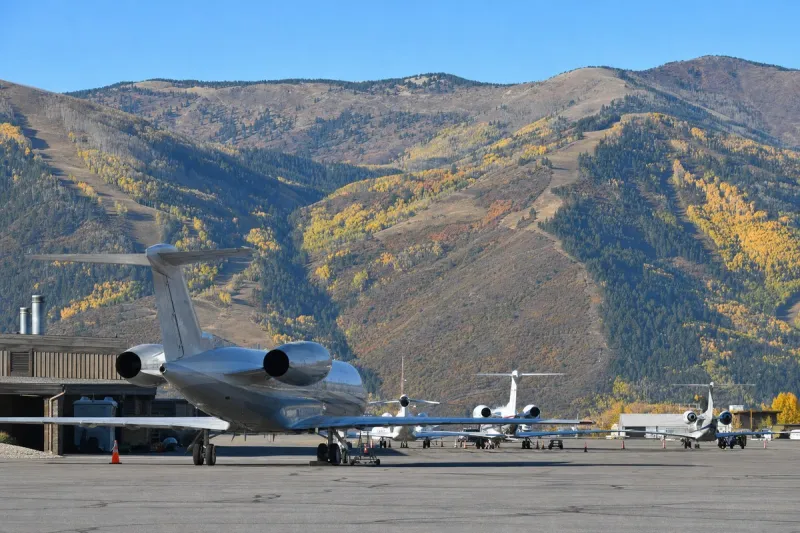
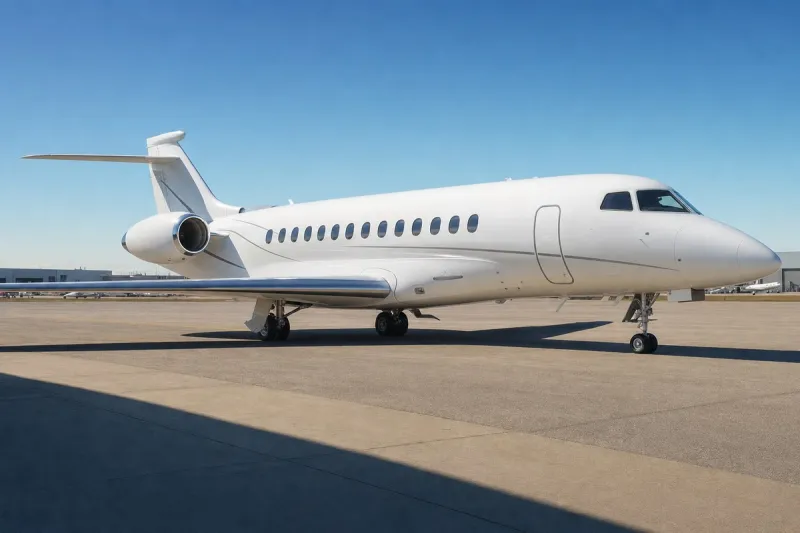
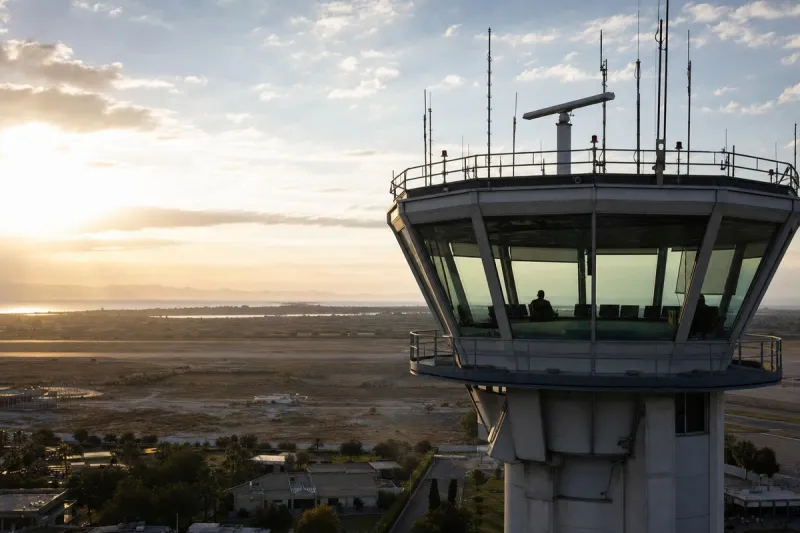
Jackson Hole Airport sits entirely within Grand Teton National Park in Wyoming and is the only commercial airport in the United States located wholly inside a national park. The Town of Jackson established it in the 1930s, and commercial air service began in 1941.
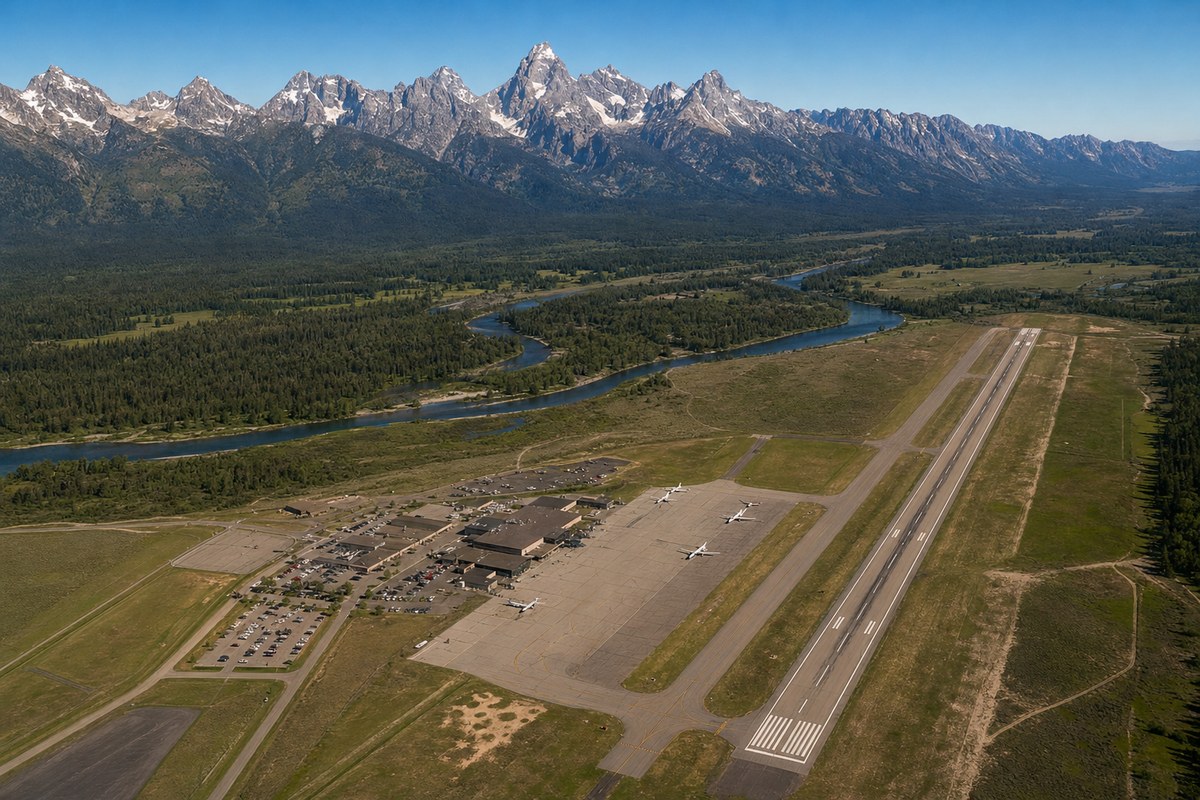
After the valley became part of Grand Teton National Park in 1950, the National Park Service issued a twenty-year Special Use Permit leasing the site to the Town of Jackson and Teton County. A 1979 Use Agreement between the Airport Board and the Department of the Interior reduced the airport's size from 760 to 533 acres.
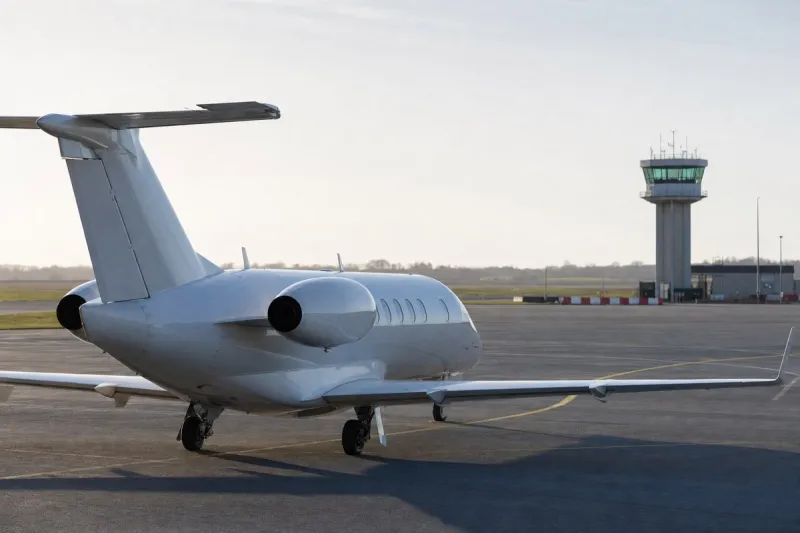
Because the airport is on federal land, expansions, renewals and facility construction require review under the National Environmental Policy Act (NEPA), 42 U.S.C. § 4332(2)(C). In a case brought by the Sierra Club, the group challenged the Federal Aviation Administration's decision to allow Frontier and Western Airlines to operate Boeing 737 jets at the airport without an Environmental Impact Statement. It argued the FAA had permitted a "use" of national parkland without considering alternatives under 49 U.S.C. § 303(c). The D.C. Circuit affirmed the FAA's decision.
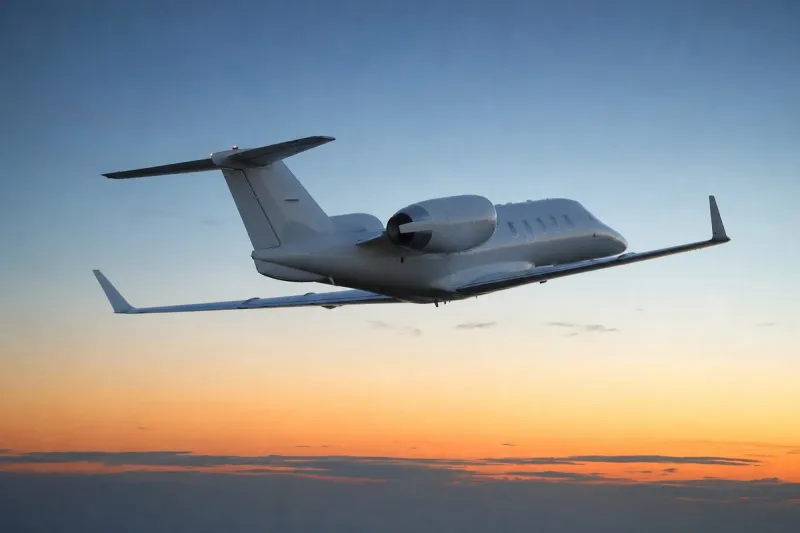
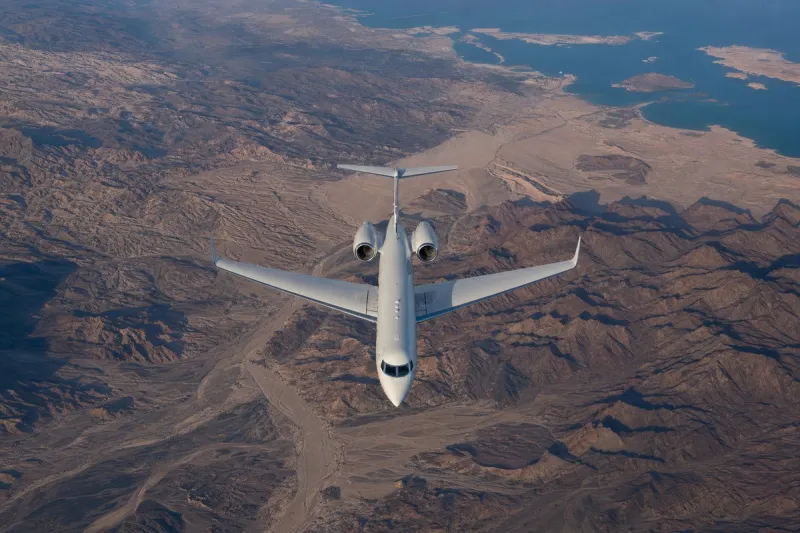
Several noise measures apply. The Airport Noise and Capacity Act of 1990 set a national aviation noise policy, and congressional action in 2007 banned Stage II aircraft, described as jets weighing over 70,000 pounds, at the airport. In 2013 the airport established a NextGen satellite-guided flight path to reduce flight time over noise-sensitive areas, and its Noise Abatement Plan requires monitoring and updating to keep pace with newer, quieter technologies.
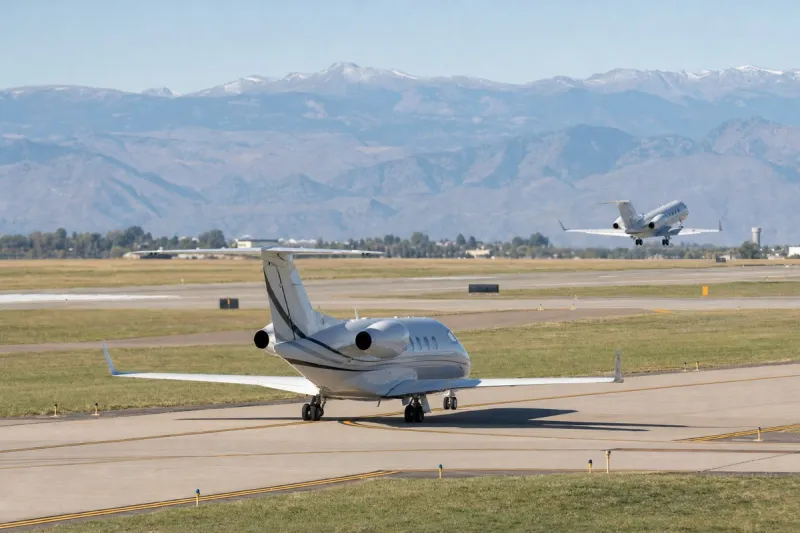
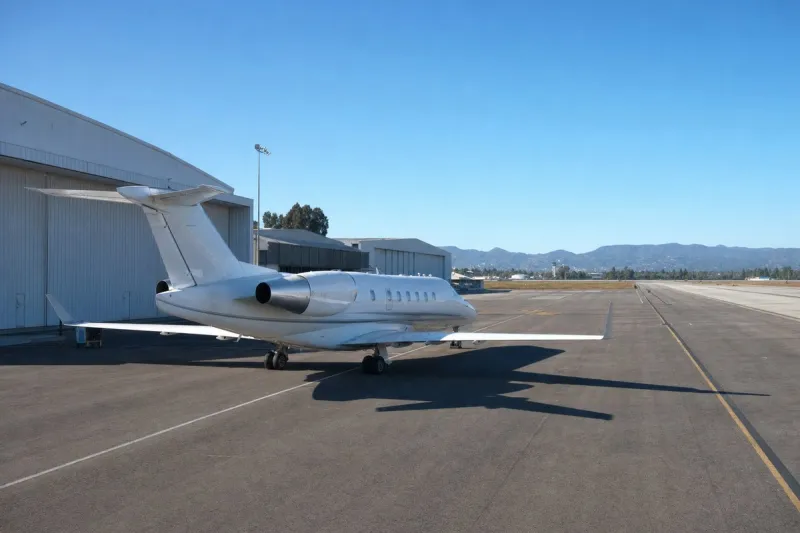
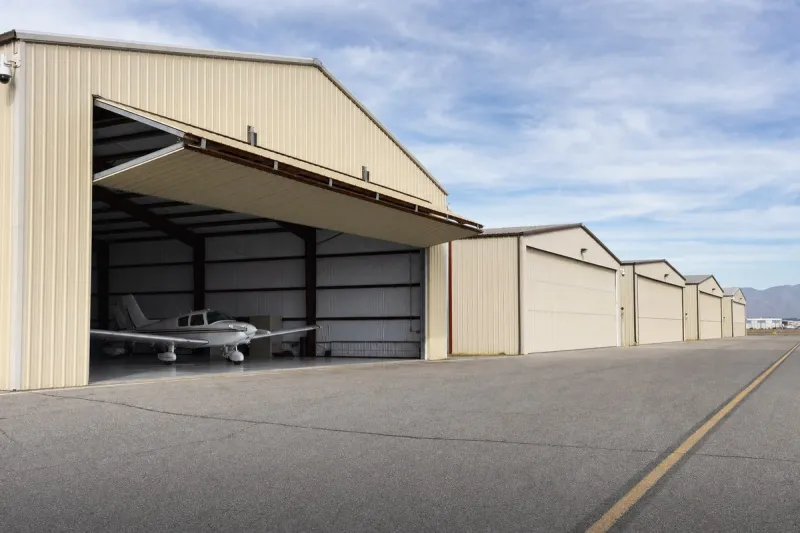
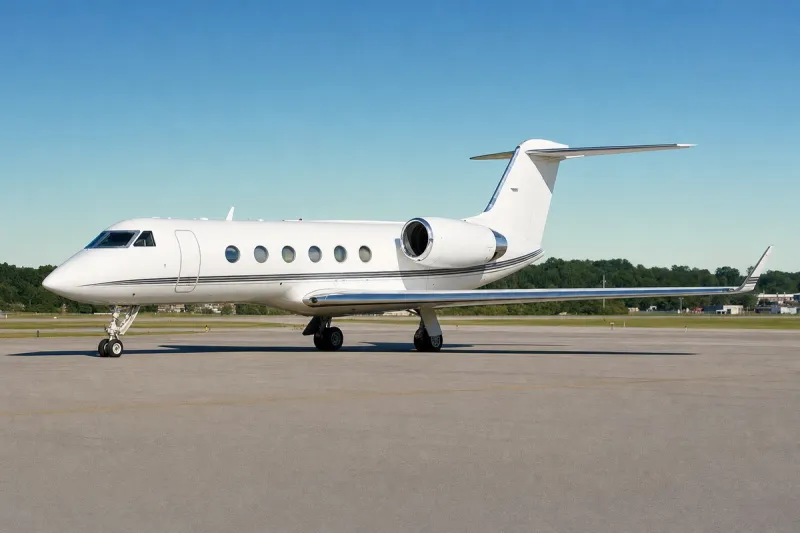
The airport is considering building a fire rescue station this year. The National Parks Conservation Association argues the planned location is not permitted under the 1983 Use Agreement and that development outside the agreed areas could affect habitat, including wildlife movement corridors. In response to public feedback, the airport halted discussions on the proposal until a longer-range study is conducted. In 2025 the airport had its second-busiest year on record, with 34,806 private and commercial flights into and out of the airport.
Industry impact & what to watch
Jackson Hole illustrates how an airport on federal land is governed differently from one on municipal ground. Growth runs through NEPA review, a use agreement with the Department of the Interior, and the standing of outside groups to contest siting. Traffic can climb, as the 2025 flight count shows, while the footprint stays fixed by agreements negotiated decades ago.
The halted fire station discussion shows how a safety facility can become a land-use dispute when its location is contested under a decades-old agreement. For airports in similar settings, even infrastructure with a clear operational purpose is tested against the boundaries written into those agreements, and a longer-range study is now the gate before the proposal can move.
The operating agreement runs until 2053, and the airport will need to keep working with Teton County, the Town of Jackson and the National Park Service. The outcome of the longer-range study on the fire station is the next concrete point at which the balance between park protection and visitor service will be tested.