Circularity Fuels Raises $7M Series Seed Co-Led by DCVC to Scale On-Farm Biogas-to-Jet-Fuel Production
Why It MattersThe case tests whether distributed, farm-scale conversion of waste methane can supply sustainable aviation fuel outside the narrow feedstock pool and centralized refinery model that has so far limited SAF volumes.
What happened
Circularity Fuels announced a $7 million Series Seed round co-led by DCVC. The raise brings the company's total funding to approximately $17 million, a figure that also includes non-dilutive support from ARPA-E and the National Science Foundation. The company is led by Dr. Stephen Beaton, a DCVC Entrepreneur-in-Residence and former Lab Chief of the U.S. Air Force Petroleum Office.
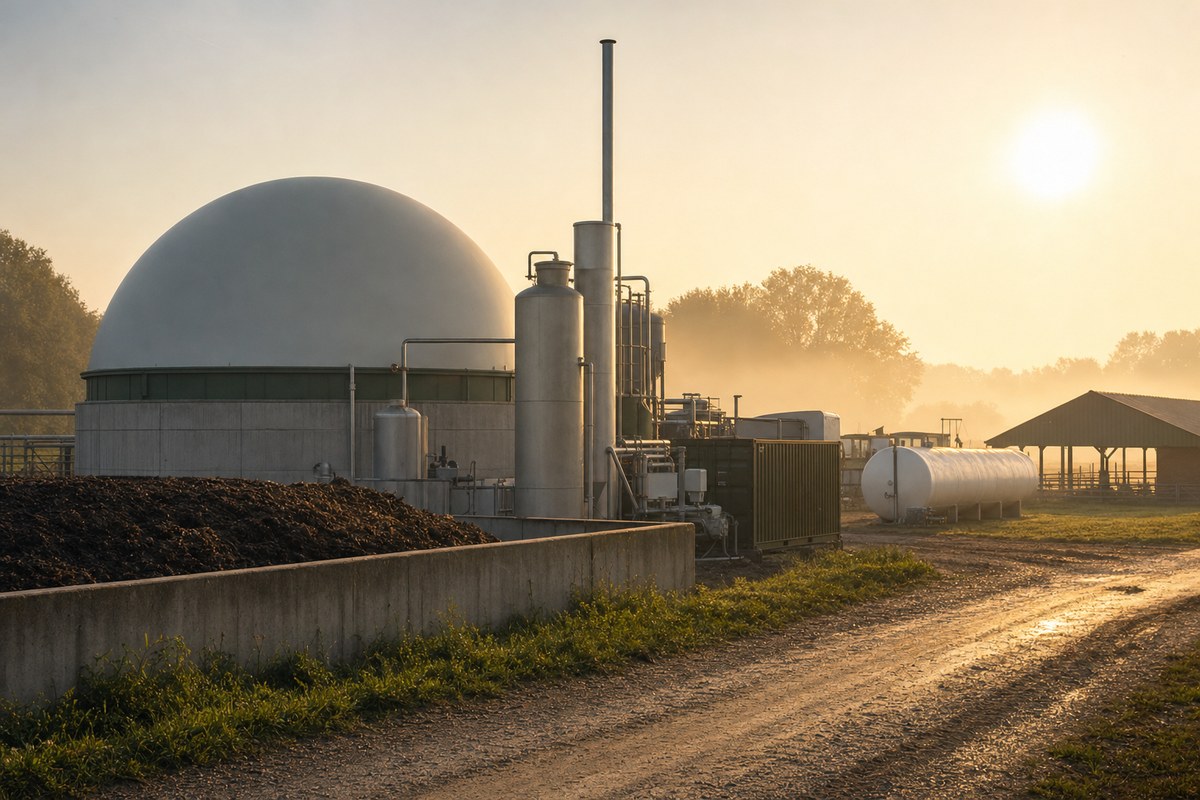
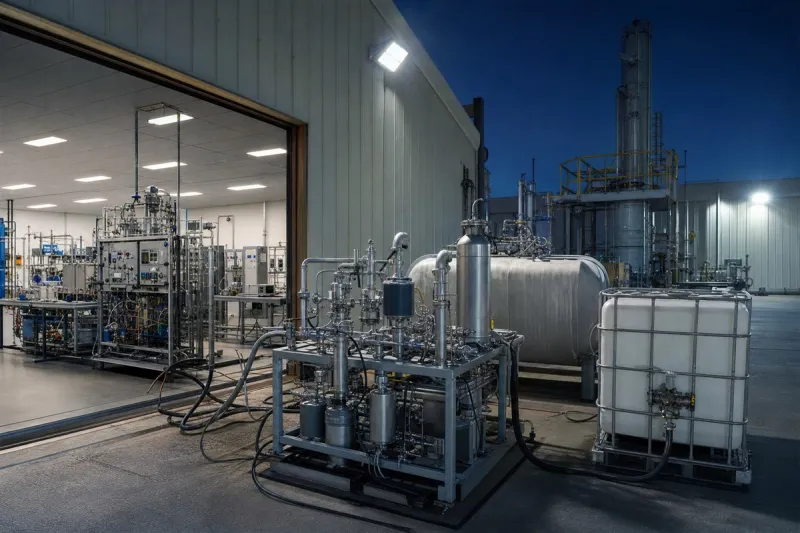
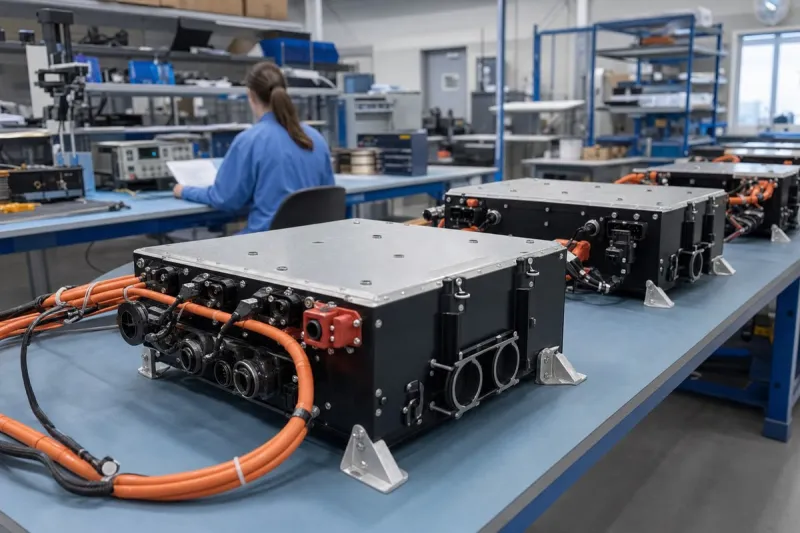
The company's feedstock is livestock manure. U.S. large livestock operations generate nearly a trillion pounds of it annually, yet fewer than 6% capture the resulting biogas, which is about two-thirds methane and one-third CO2. Rather than build centralized refineries, Circularity deploys modular, skid-mounted systems on the farm itself. Its electrified "Ouro" reforming reactor converts both CH4 and CO2 into syngas, and its proprietary "Aion" Fischer-Tropsch reactor then produces certified standard jet fuel (Jet A) on site. The company says this comes at roughly one-fifth the projected capital cost of conventional approaches.
In June, Circularity completed what it describes as the world's first end-to-end conversion of raw dairy biogas into jet fuel meeting ASTM D7566 Annex A1 specifications. The work took place during a six-month pilot near Madera, California.
The new funding is intended to carry the company from pilot validation to commercial rollout. It is refining its demonstration plant, starting a full industrial-scale facility of 75 barrels per day, and continuing to secure offtake agreements.
The economics Circularity is aiming at
Circularity frames its pitch around the unit economics that have kept sustainable aviation fuel from scaling. The company states that jet fuel prices have risen 75% this year amid geopolitical turmoil, while SAF accounts for less than 1% of global consumption.
It also states that the domestic SAF market depends almost entirely on used cooking oil and beef tallow. These feedstocks are limited in volume, largely imported, and offer only a small emissions advantage over fossil fuel.
Industry impact & what to watch
SAF supply today is constrained less by demand than by feedstock: a handful of waste oils and fats compete for the same limited volumes, and refineries built around them are large, centralized and capital-heavy. A process that takes biogas where it is already produced, on the farm, and turns it into drop-in Jet A on site attacks both limits at once. It widens the feedstock pool and shifts the capital model toward small, replicable units rather than a few large plants.
The claims that carry the thesis are still the company's own: the one-fifth capital cost is a projection, and the pilot result is self-described. A 75-barrel-per-day facility is small against aviation fuel consumption, so the meaningful test is whether per-unit costs hold when systems are repeated across many farms, and whether offtake agreements convert into delivered volume.
The next milestone the company points to is that industrial-scale facility, together with the offtake contracts it is still securing. Those two items, more than the funding round itself, will show whether the pilot economics survive commercial operation.