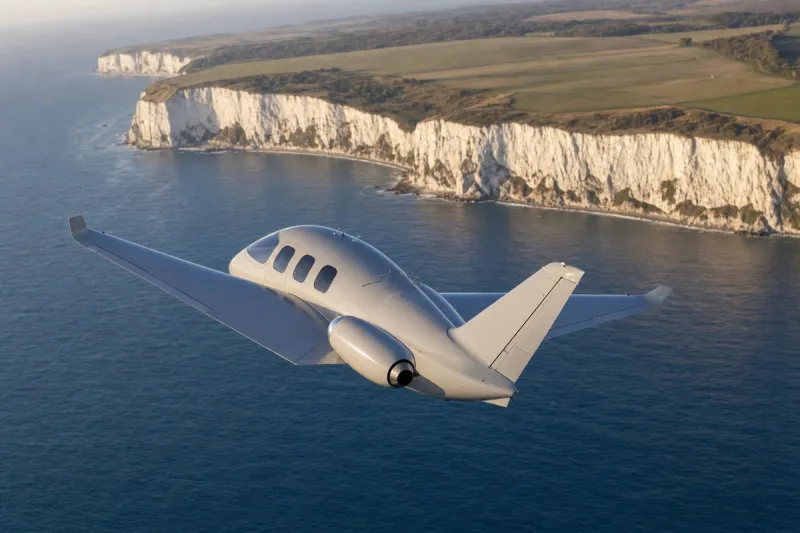
Horizon Aircraft Signs MoU With Constance Lake First Nation to Explore Cavorite X7 Purchase for Medevac
Why It MattersCommunity-led interest in unproven eVTOL aircraft shows that remote medevac demand is being pursued ahead of certification, with development and regulatory milestones, not purchase intent, setting the real pace of any service.
What happened
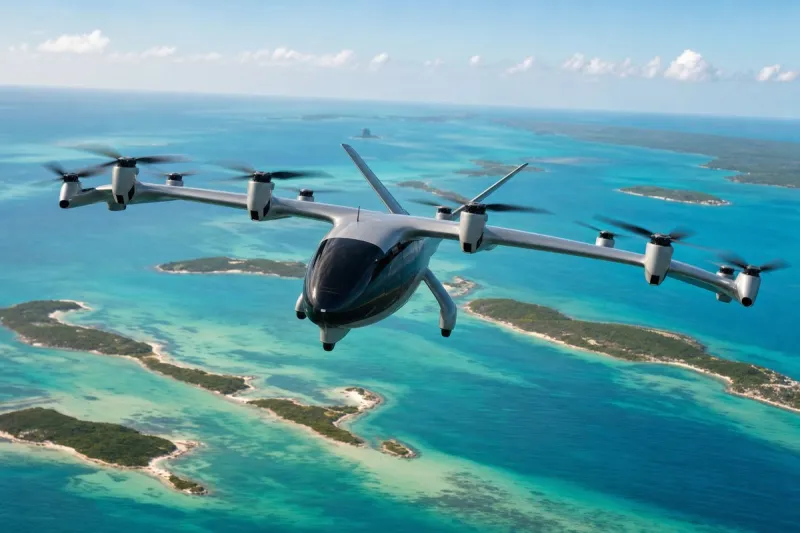
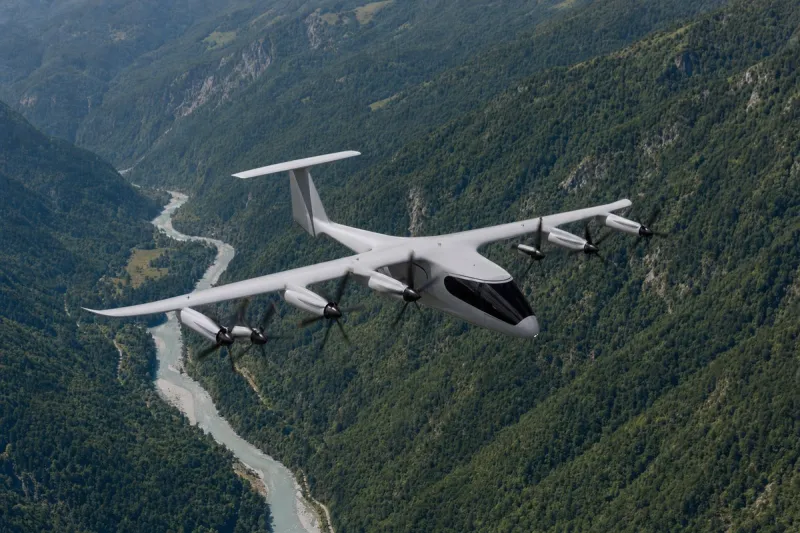
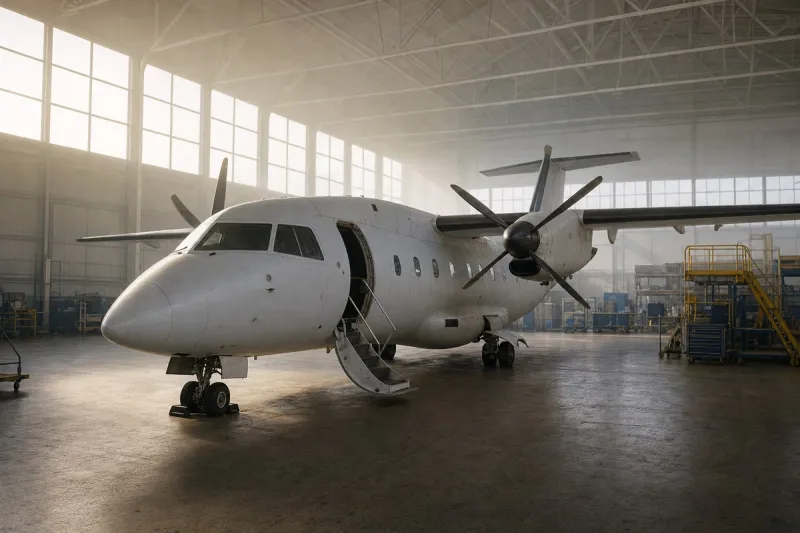
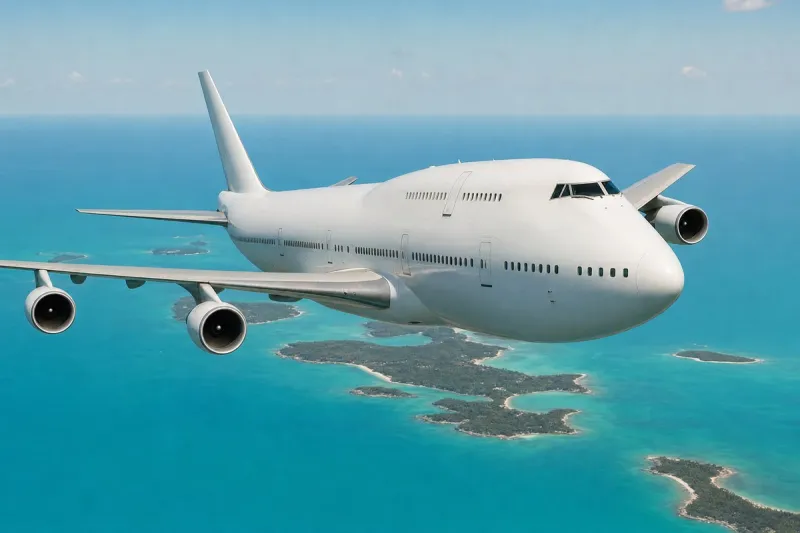
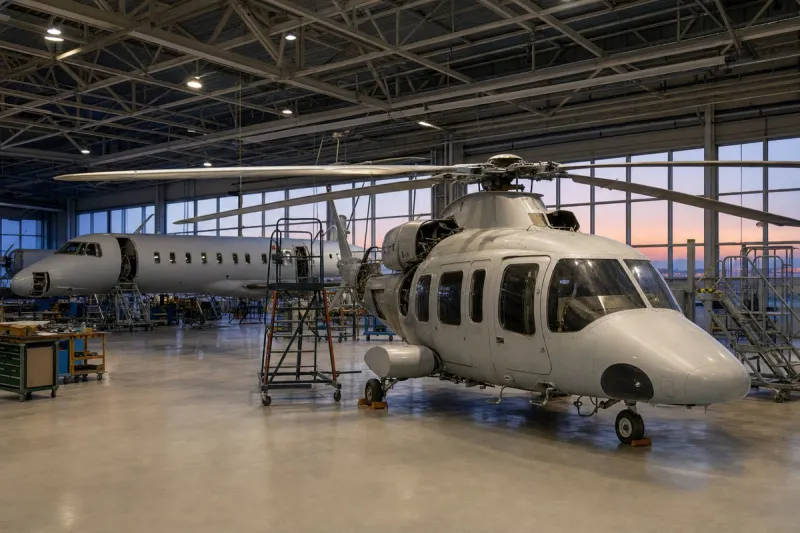
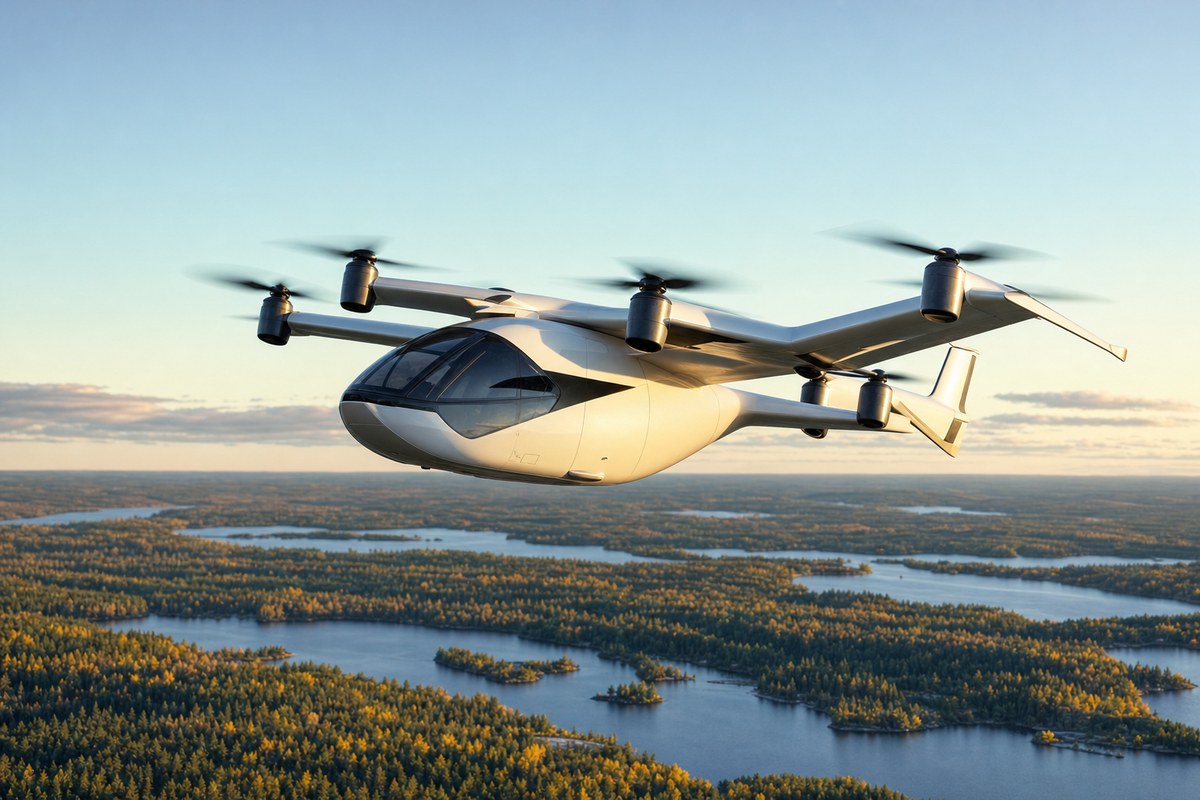
Canadian aerospace company Horizon Aircraft has signed a memorandum of understanding with Constance Lake First Nation, an Indigenous community in Northern Ontario, to explore the potential purchase of its Cavorite X7 hybrid-electric vertical takeoff and landing aircraft. The proposed partnership aims to improve access to medical evacuation, patient transfers and essential cargo deliveries for remote communities, where long distances and limited transport options can complicate access to specialist healthcare.
Chief Rick Allen of Constance Lake First Nation said that people have faced delays in accessing medical care, which has resulted in lives lost. He said that owning the aircraft and developing a real-time service alongside a proven aviation operator would let the community deliver fast, reliable, year-round emergency medevac to itself and other First Nations. Horizon co-founder and CEO Brandon Robinson said remote and Indigenous communities should not have to wait longer for emergency care because of geography.
The MoU does not constitute a confirmed aircraft order. No purchase quantity, delivery timetable or operating partner has been announced.
Where the aircraft stands
The Cavorite X7 remains in development and has yet to complete its first flight. Horizon announced in October 2026 that the full-scale demonstrator was expected to be completed in the first quarter of 2027, ahead of ground, taxi and flight testing.
The aircraft recently completed its preliminary design review, with a critical design review planned before final assembly begins. Horizon is targeting a maximum speed of 460 km/h, a range of 800 km and a payload capacity of 680 kg, none of which has yet been demonstrated through full-scale flight testing.
Industry impact & what to watch
An MoU of this kind sits at the earliest stage of the eVTOL commercial pipeline. It records intent from a prospective owner but carries no financial commitment, and it ties the community's medevac plans to an aircraft that has not yet flown. In remote air medical work, where service continuity matters more than headline performance, a buyer's interest does not translate into capability until the aircraft is certified and an experienced operator is in place.
The structure Chief Allen describes, a community owning the aircraft and running a service with an established aviation operator, points to a different ownership model from the usual arrangement in which a commercial operator holds the fleet and contracts to health authorities. Whether that model works depends on who ends up flying and maintaining the aircraft, a question the announcement leaves open.
The next concrete milestones are the ones already named: completion of the full-scale demonstrator in the first quarter of 2027, followed by ground, taxi and flight testing, and the critical design review before final assembly. Any firm order, quantity or operating partner would follow those, along with regulatory certification.