Bombardier Global 8000 Priced at About $78–85 Million New, With Annual Operating Costs Estimated at $3.3–4.5 Million
Why It MattersSpread-out price and operating-cost estimates show that ultra-long-range jet economics depend on assumptions about utilization, fuel and equipment, so buyers compare ownership on a like-for-like basis rather than sticker price alone.
What happened
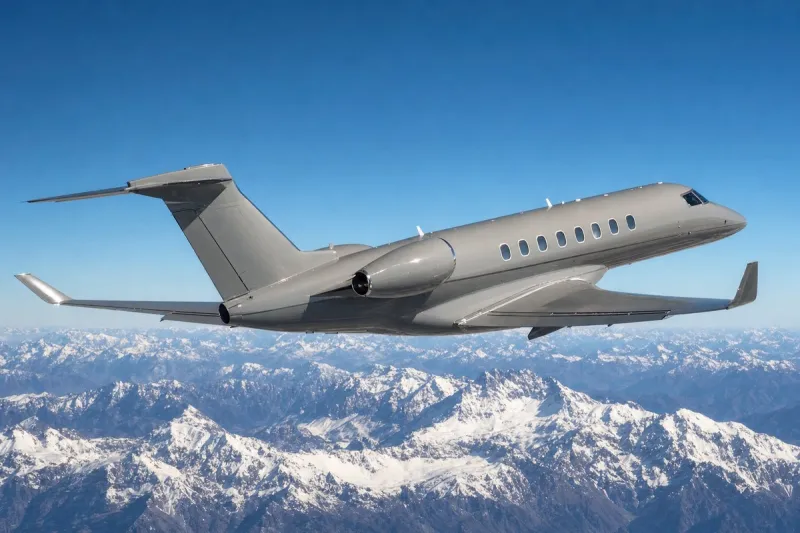
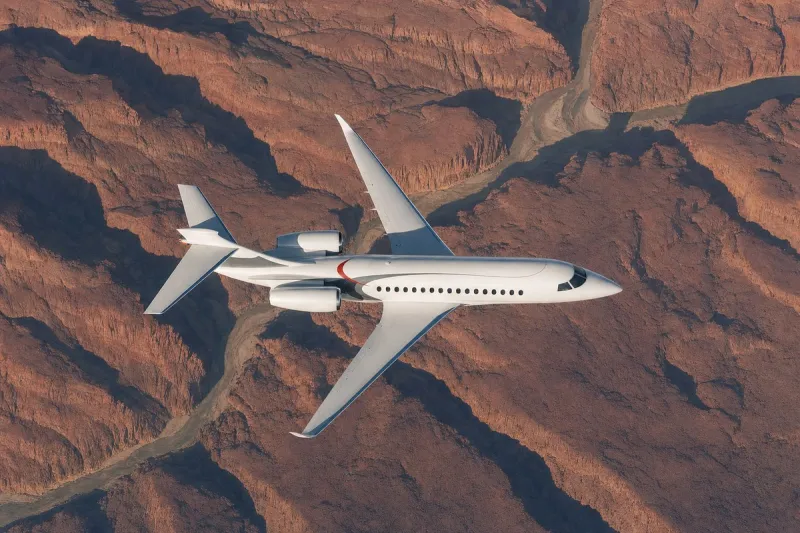
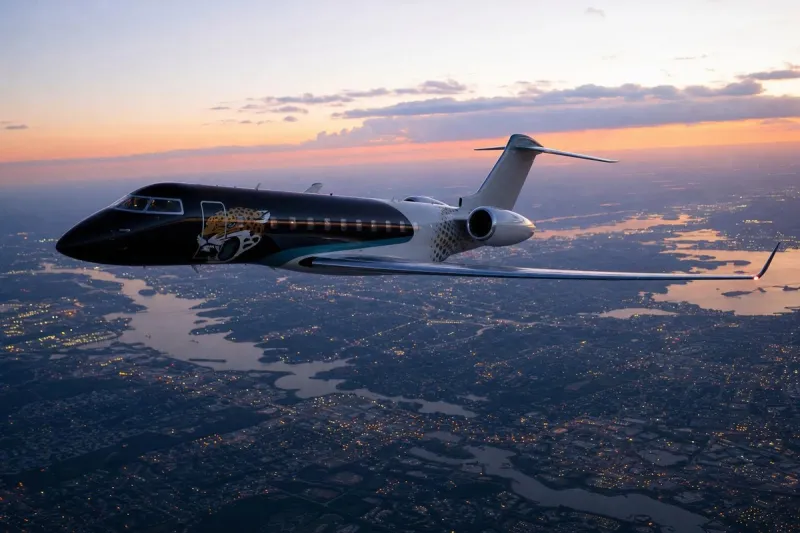
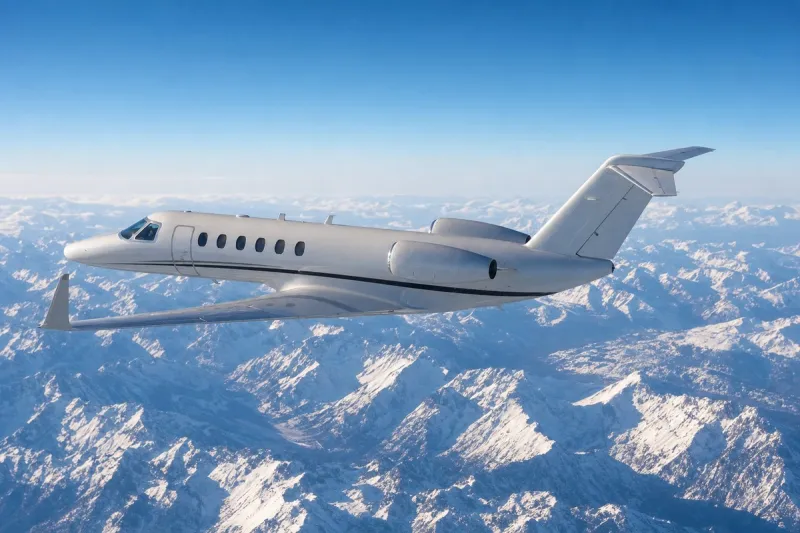
The Bombardier Global 8000 starts at about $78 million to $81 million for a new aircraft, and a typically equipped example is closer to $85 million, according to the 2026 Business & Commercial Aviation Purchase Planning Handbook. The figures differ because they measure different things: a factory list price reported in the second quarter of 2025 was about $78 million, a starting price reported by operators was about $81 million, and the handbook's typically equipped figure was about $85 million. Final cost also depends on delivery slot, cabin design and the level of customization.
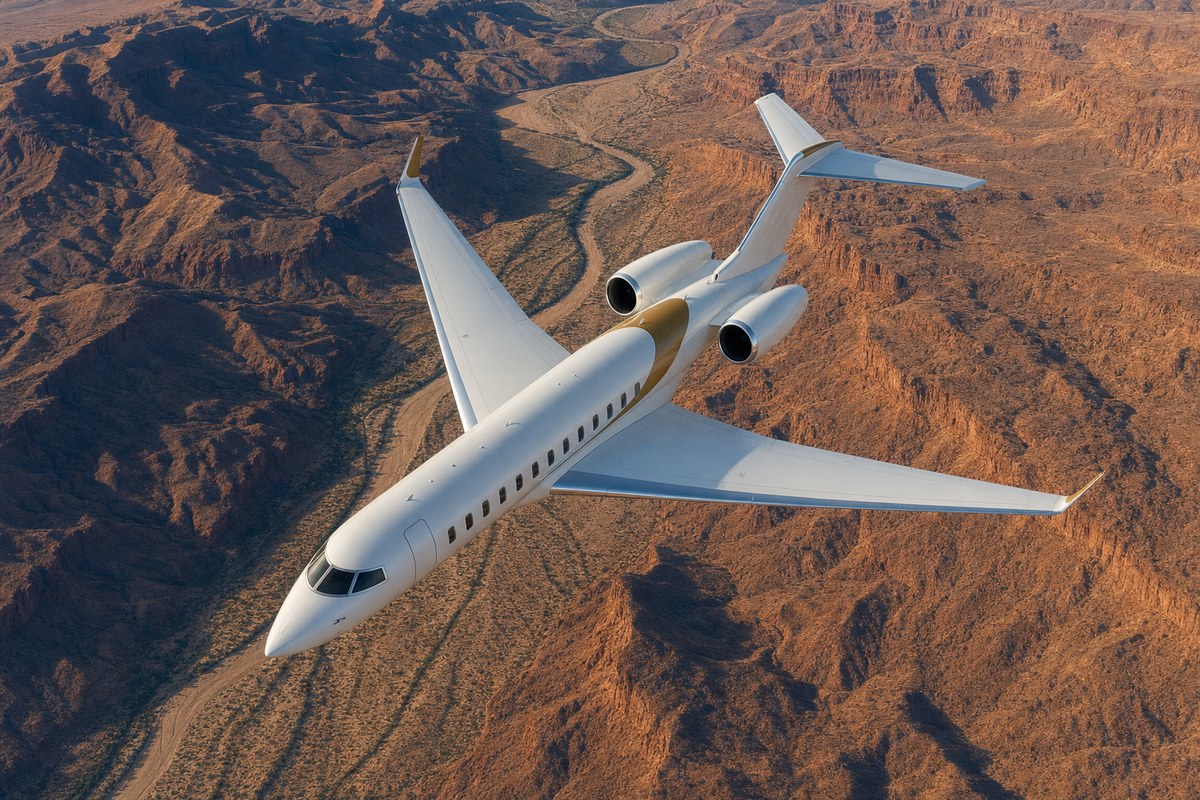
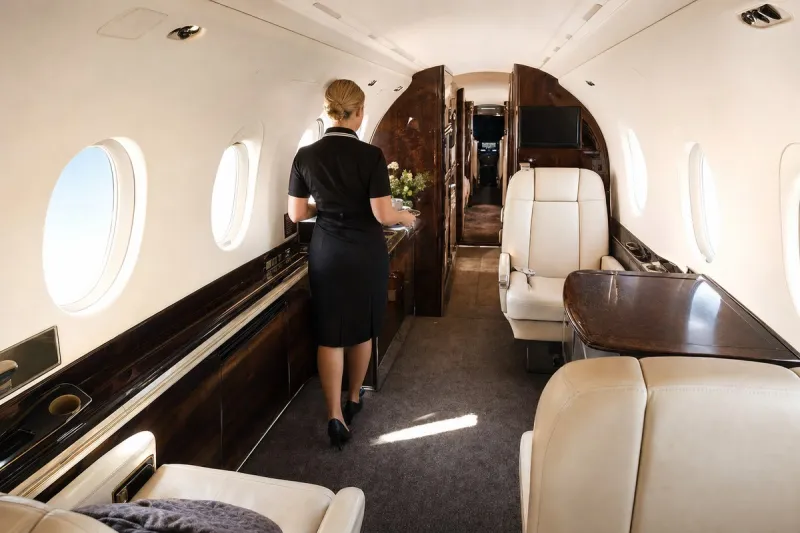
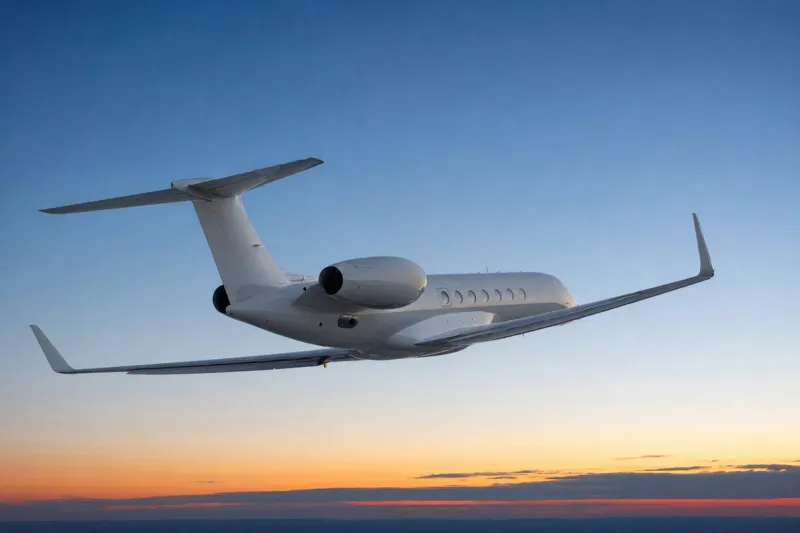
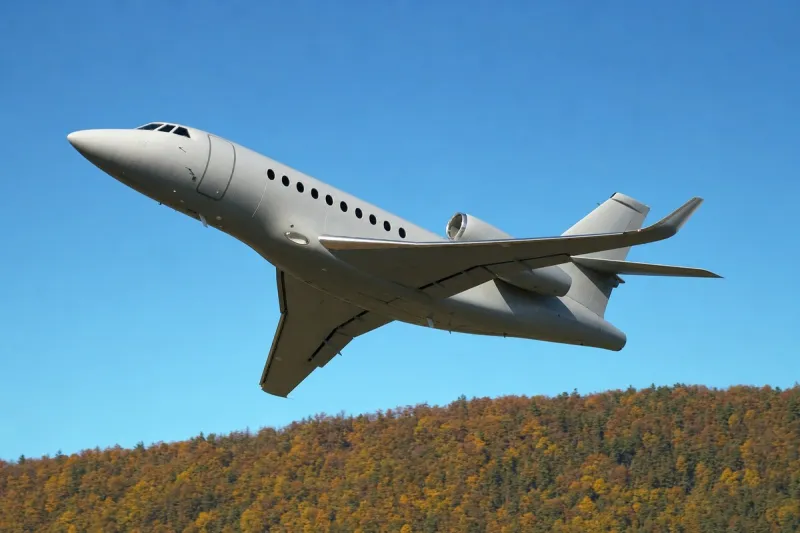
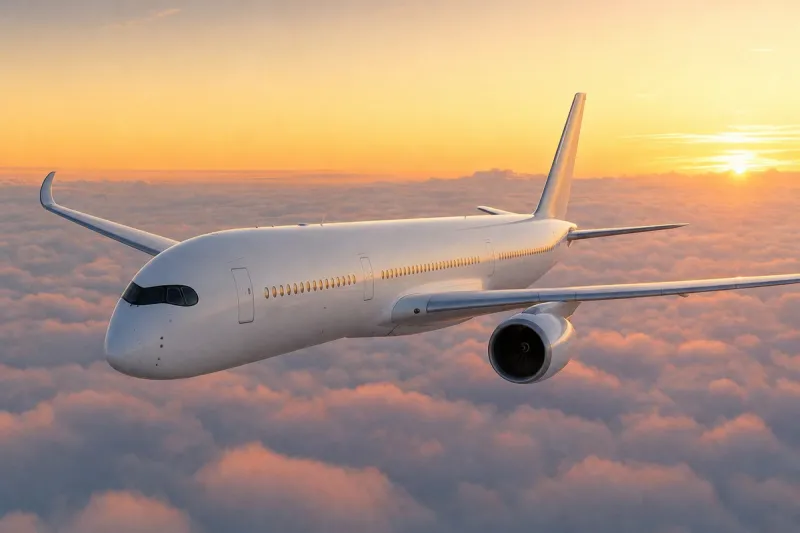
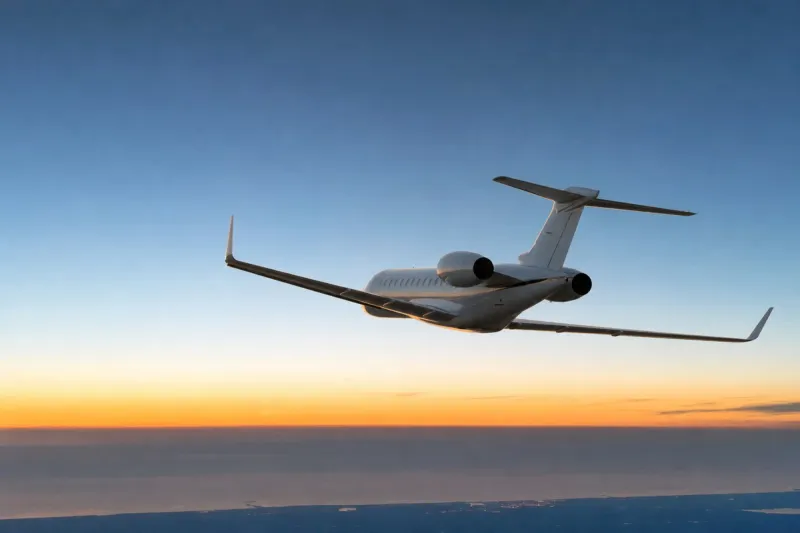
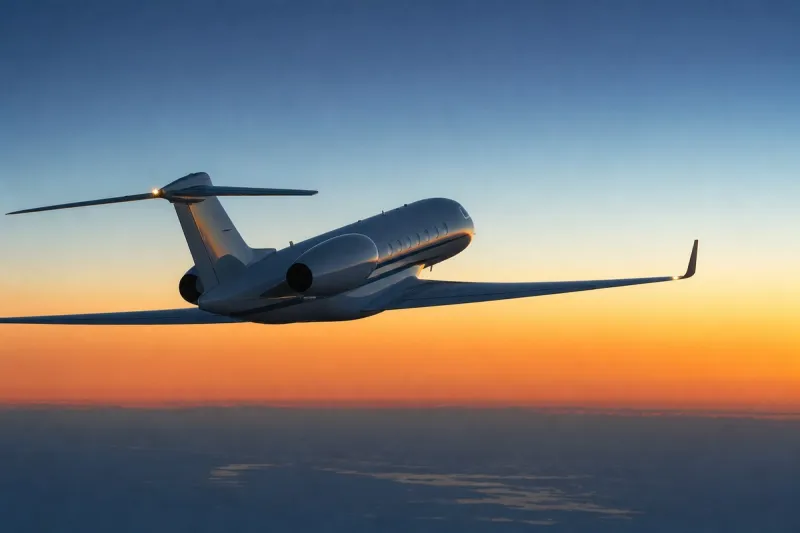
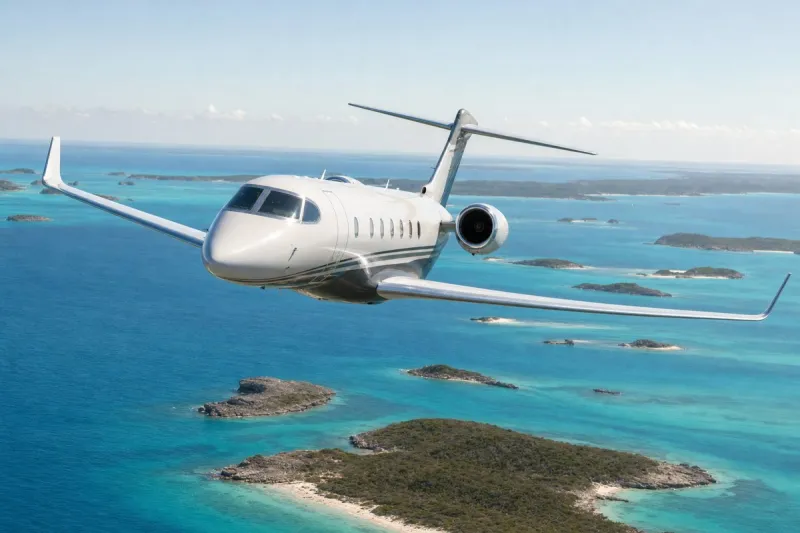
The aircraft has a range of 8,000 nautical miles at Mach 0.85 and a top speed of about Mach 0.94, making it the fastest business jet currently in service. It can fly from New York to Singapore without a refueling stop and has four living spaces in the cabin. Its closest competitor, the Gulfstream G700, is about $1 million cheaper. The Global 8000 has a slight edge in range and top speed, while both aircraft burn fuel at similar rates.
Operating-cost estimates vary with method and assumed utilization. GlobalAir.com reported in October 2026 a total cost of about $7,235 per flight hour, citing 450 hours at $175 per hour, with an annual budget of around $3.26 million: $1.13 million fixed and $2.12 million variable. Other industry estimates put hourly operating cost at $7,500 to $10,500 and annual cost at $3.7 million to $4.5 million at 400 hours. Fixed costs for a two-pilot crew, engine maintenance program, insurance and hangar are $1.3 million to $1.7 million per year.
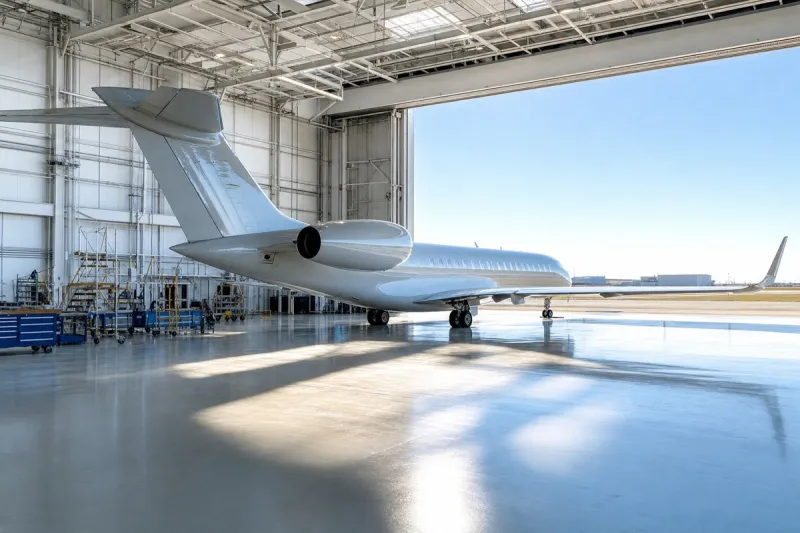
Costs that buyers often overlook include hangar space, which varies widely by airport; interior and connectivity upgrades; depreciation, which depends on market demand and condition; and financing, where interest, loan structure and residual-value assumptions change the true cost of capital.
Industry impact & what to watch
At this end of the market, a headline price is a starting point rather than a transaction figure. The three price points reported here, $78 million, $81 million and $85 million, differ by roughly $7 million before delivery slot and cabin choices are applied, so any comparison with the Gulfstream G700's roughly $1 million lower price only holds when both aircraft are specified the same way.
Operating-cost estimates show the same pattern. Annual figures running from about $3.26 million to $4.5 million come from different assumed hours, fuel prices and cost categories, which means two buyers quoting different numbers for the same aircraft may both be correct. The near-parity in fuel burn between the Global 8000 and the G700 shifts the competitive question toward range, speed, cabin layout and delivery timing.
The items to pin down in any specific deal are the ones the estimates leave open: the hangar rate at the home airport, the cost of interior and connectivity upgrades, the depreciation assumption, and the financing structure. Each can move the true cost of ownership by more than the gap between the competing price quotes.