Boeing 747 Charters Cost $25,000–$40,000 Per Hour in 2025–2026; Freighters $30,000–$50,000
Why It MattersPricing for the 747 now reflects a shrinking airframe pool and thin demand for scale-only missions, so the aircraft earns its place in niche, high-volume work where nothing else fits.
What happened
For 2025–2026, the average hourly rate for chartering a passenger-configured Boeing 747 through brokers on the open market is $25,000 to $40,000, according to Jettly. The variant affects the price: the older 747-400 carries higher overall maintenance costs, while the newer 747-8 has a higher hourly rate across the board, because operators can configure newer aircraft with more state-of-the-art optional equipment, such as the latest certified cabin seats from manufacturers like Safran.
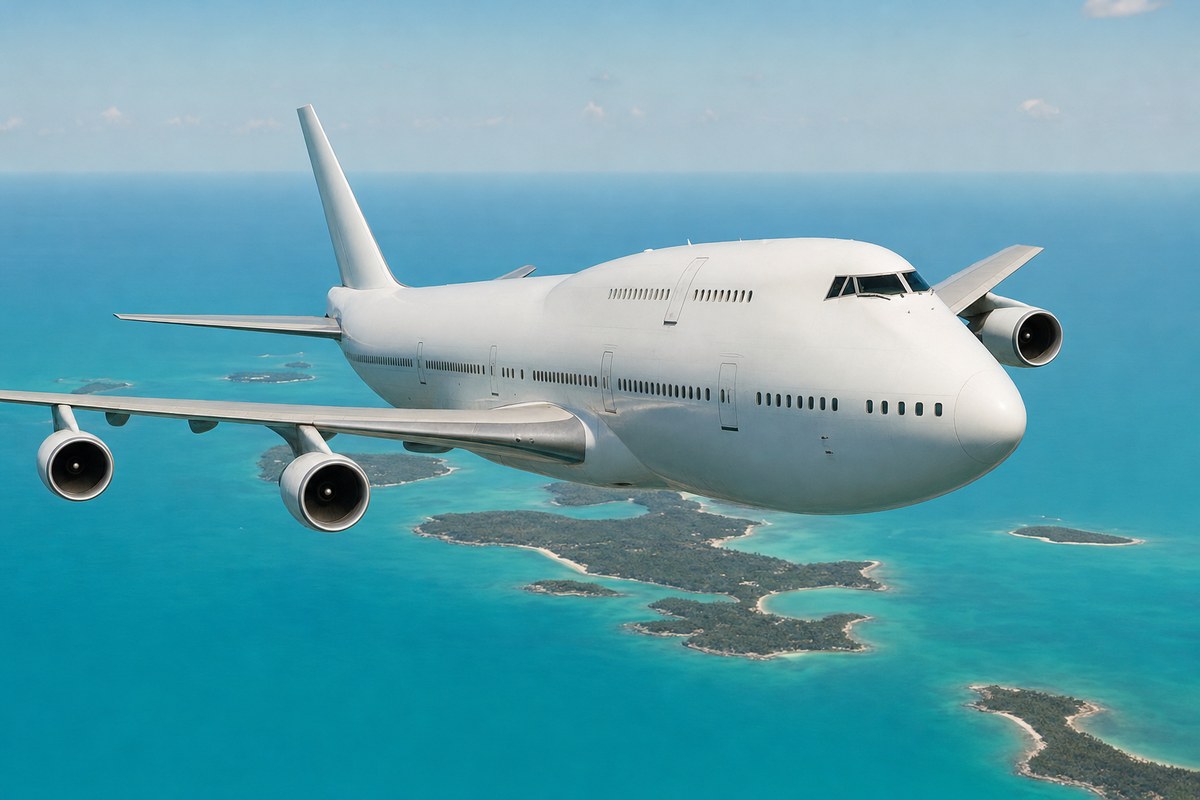
A one-way 747 charter between New York and London typically costs $220,000 to $400,000. That covers seven to nine billable hours plus taxes, landing fees and positioning charges, with peak summer and holiday periods at the high end. Positioning (ferry) flights can add $25,000 to $75,000 per flight depending on where the aircraft is based, and billable time includes both airborne and positioning hours, according to Blade.
Landing and handling fees of $2,000 to $5,000 for a standard jet can reach $10,000 to $20,000 for a BBJ 747-8, on top of international permits and specialized ramp equipment.
For freight, a 747-400F runs $30,000 to $50,000 per hour, with rates up 8–12% versus 2024 as operators retire 747Fs and shift to the Boeing 777F. With fewer 747-400F airframes in service, carriers can command higher rates for missions requiring nose-loading or unusually large volumetric capacity.
Brokers say a 747 makes economic sense only at genuine scale: for groups of 150 to 350 passengers on the same route, the per-seat cost can be comparable to or slightly above premium-cabin commercial fares. Typical uses include Hajj pilgrim transport, long-distance sports team travel, and dedicated corporate employee or cargo charters. One example is the "Houston Express" operated by Atlas Air between Houston and Luanda, Angola, which ran from 2000 to 2018 serving oil-industry workers of ExxonMobil and Chevron. TAAG Angola Airlines plans to launch a new Angola–Houston route by 2027.
Industry impact & what to watch
The pricing structure shows how a legacy widebody survives in the charter market. A 747 is billed on total time, including positioning, so the aircraft's base location can shift a quote by tens of thousands of dollars before a single passenger boards. That favours repeat, predictable corridors where the ferry leg is short or already built into the plan, and it explains why the examples brokers cite are group movements rather than ad hoc trips.
On the freight side, the 8–12% rise is tied to supply: as operators retire 747Fs and move to the 777F, the remaining 747-400F airframes become the only option for nose-loading and oversized volumetric cargo. A shrinking pool of capable aircraft gives those that remain pricing power on exactly the missions with no substitute, while ordinary freight can move to newer types.
The nearest dated marker is TAAG Angola Airlines' planned Angola–Houston route by 2027, which would revisit the same corridor the Atlas Air "Houston Express" served until 2018.