India Aviation Compliance: Operators Need Authorisation, Airworthiness, Qualified Crews and Records; Aircraft Rules, 1937 to Be Replaced 1 January 2027
Why It MattersIndia's compliance burden attaches to the operation type, aircraft and route, so approvals, maintenance, crewing and records must be managed together, and the 1 January 2027 rules changeover resets which requirements apply.
What happened
Aviation regulatory compliance in India requires aircraft operators to hold the right authorisation, keep aircraft airworthy, assign qualified crews, follow operating limits and maintain records showing how they meet those duties. The details depend on the type of operation, the aircraft and where it flies.
The Bharatiya Vayuyan Adhiniyam, 2024 provides the legislative basis for civil aviation in India. The Directorate General of Civil Aviation (DGCA) oversees civil aviation safety and issues Civil Aviation Requirements (CARs) that set out detailed obligations. Operators must also follow the conditions attached to their own certificates, permits and specific approvals. As of November 2026, the Aircraft Rules, 1937 remain in force. The government has notified the Bharatiya Vayuyan Niyam, 2026, which will replace those rules on 1 January 2027, and operators are advised to check which requirements apply to them.
An Indian scheduled passenger airline needs an Air Operator Certificate (AOC) under the applicable DGCA requirements, while an Indian undertaking providing non-scheduled passenger air transport needs the applicable Air Operator Permit (AOP). Specialised activities such as aerial survey may call for a different authorisation. Operations specifications, where issued, set out the scope of the authorisation, including privileges and limitations. Applicants may need to demonstrate qualified management, suitable aircraft, operating manuals, training arrangements and a way to maintain the aircraft.
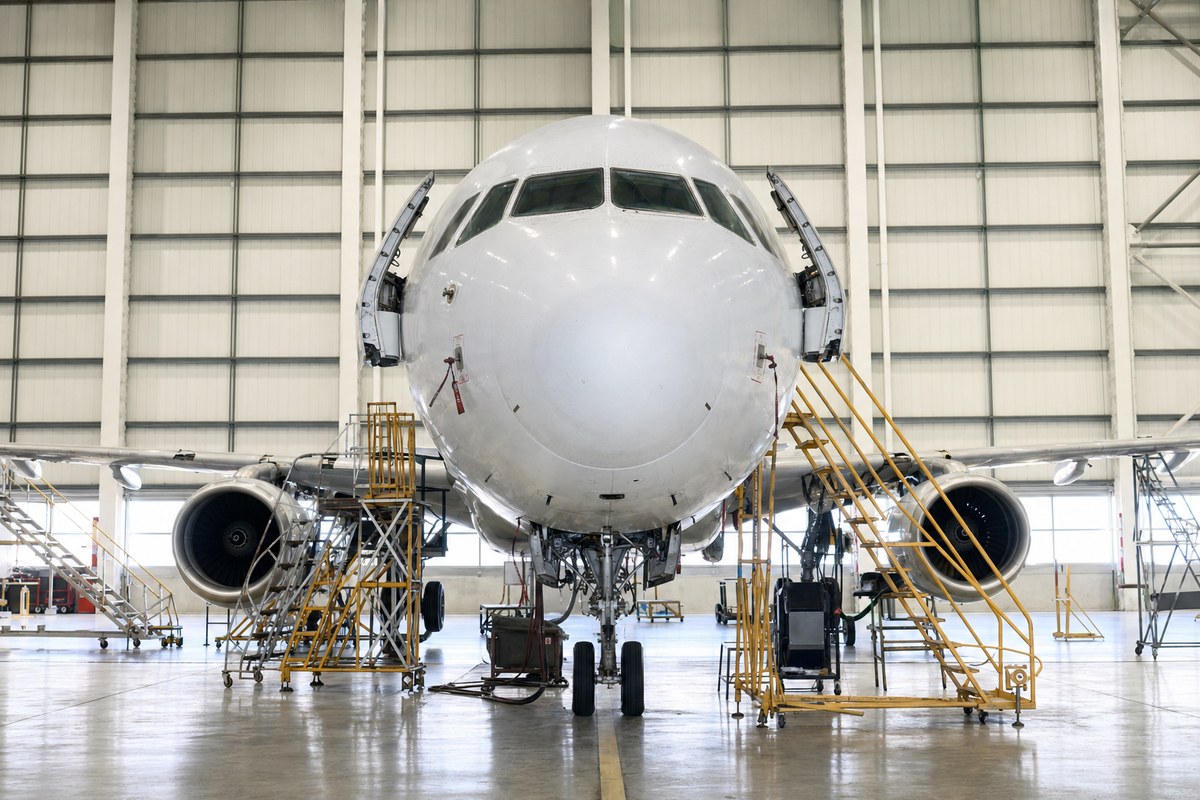
A Certificate of Airworthiness establishes an aircraft's eligibility to fly subject to its conditions; continuing airworthiness keeps it fit for service. Operators must follow the applicable maintenance programme, track inspections and component limits, comply with airworthiness directives and keep records of repairs and modifications. Where required, they must arrange approved continuing airworthiness management and use an appropriately approved maintenance organisation. Where applicable, an approved Minimum Equipment List (MEL) may allow temporary operation with inoperative equipment.
Operators must roster pilots with appropriate licences, ratings and medical certificates who meet training, proficiency and recency requirements, track cabin crew training and checks where cabin crew are required, and respect flight and duty time limitations and rest requirements. Before dispatch, decisions typically account for weather, fuel, aircraft performance, weight and balance, aerodromes, alternates where required, current NOTAMs, operational restrictions and special approvals.
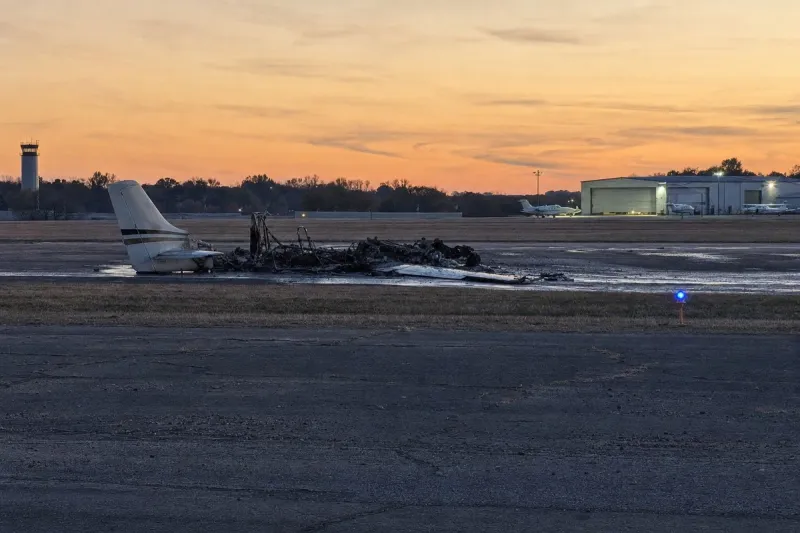
Operators subject to Safety Management System (SMS) requirements need a way to identify hazards, assess risks, assign controls and check their effectiveness. Under India's accident and incident investigation rules, the designated person must promptly notify the Aircraft Accident Investigation Bureau (AAIB) and the DGCA of covered accidents or incidents; an accident or serious incident in India also triggers notification to specified local authorities. The Bureau of Civil Aviation Security (BCAS) regulates aviation security.
Industry impact & what to watch
Indian compliance is not a single licence but a chain of linked duties: the authorisation defines what may be flown, airworthiness records show the aircraft can fly it, crew qualifications show who may fly it, and dispatch and safety processes show how each flight is controlled. A weak link in any of these undermines the others, which is why operators generally treat them as one system rather than separate paperwork streams.
Because the requirements vary by operation type, aircraft and route, an operator running scheduled service, non-scheduled charter and specialised work faces different approval and record sets under one company name. That makes it hard to carry assumptions from one activity to another without checking the conditions on the specific certificate or permit.
The nearest dated milestone is 1 January 2027, when the Bharatiya Vayuyan Niyam, 2026 replaces the Aircraft Rules, 1937. Operators will need to map their existing procedures, manuals and records against the new rules before that date, and DGCA CARs are the place where the detailed obligations under the new framework would be expected to show up.