RAF Advocates for Andover Aeroflex Airport in New Jersey and Reopening of Closed Anza-Borrego Airstrip in California
Why It MattersBoth cases show that small public airstrips on state-owned land depend on agency agreements and procedural steps, so access can be lost through administrative action rather than any aviation-sector decision.
What happened
The Recreational Aviation Foundation (RAF) is working on two backcountry airstrip issues, one in New Jersey and one in California.
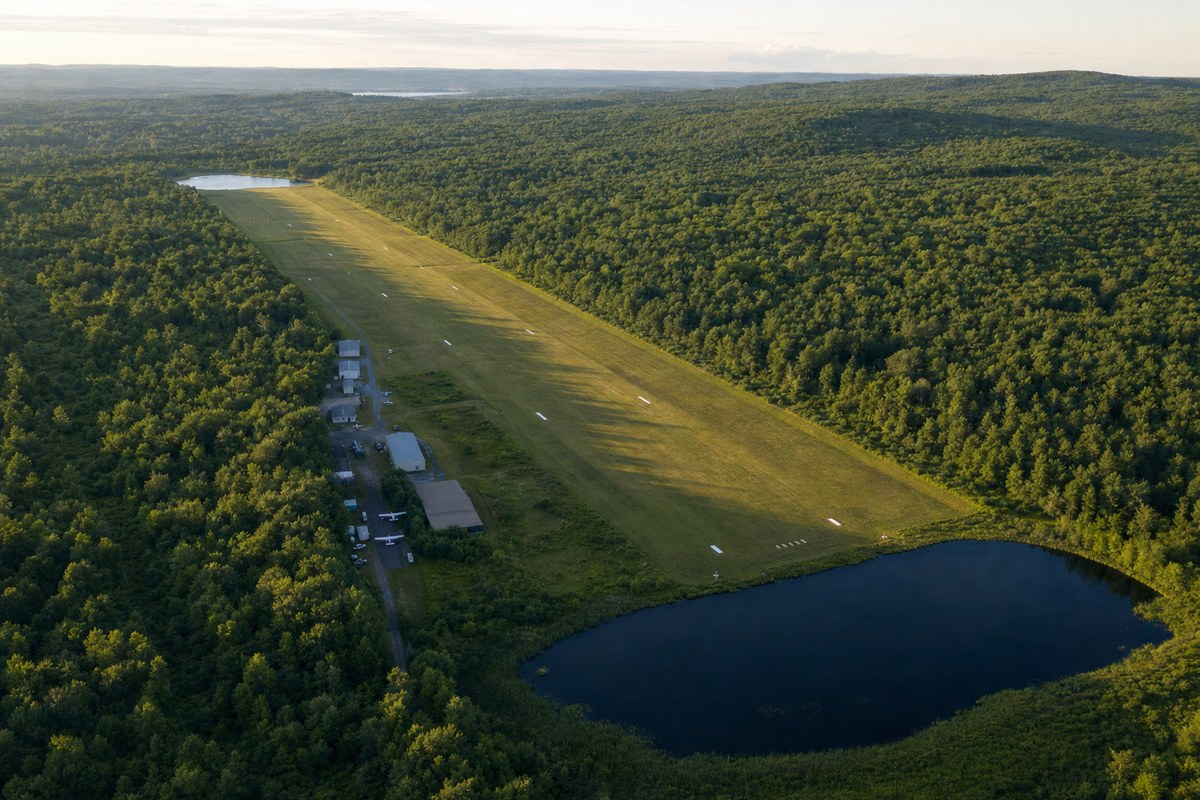
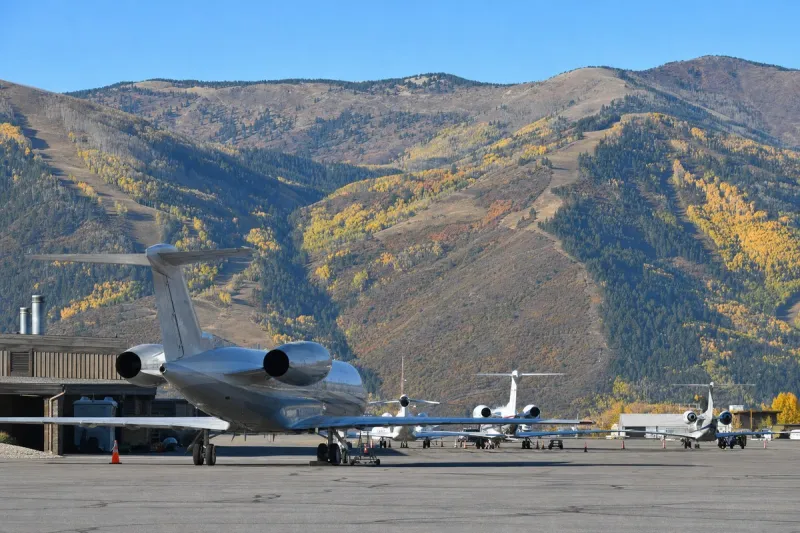
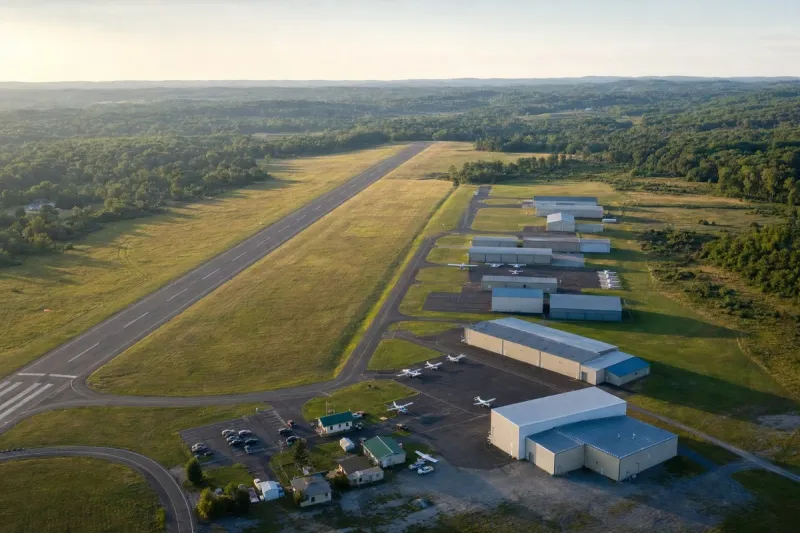
Andover Aeroflex Airport lies less than 40 nautical miles northwest of New York City, inside New Jersey's Kittatinny Valley State Park. It remains open but is under threat of closure. The field has a turf runway with a lake at either end, and the park offers hiking, biking and fishing. The New Jersey Department of Environmental Protection (NJDEP) owns the airport, and the New Jersey Forest Fire Service operates it. In 2026, plans emerged to remove existing hangar tenants and redevelop the airport's historic hangar facilities, which raised concerns about the future of flight training, aircraft maintenance and recreational aviation there.
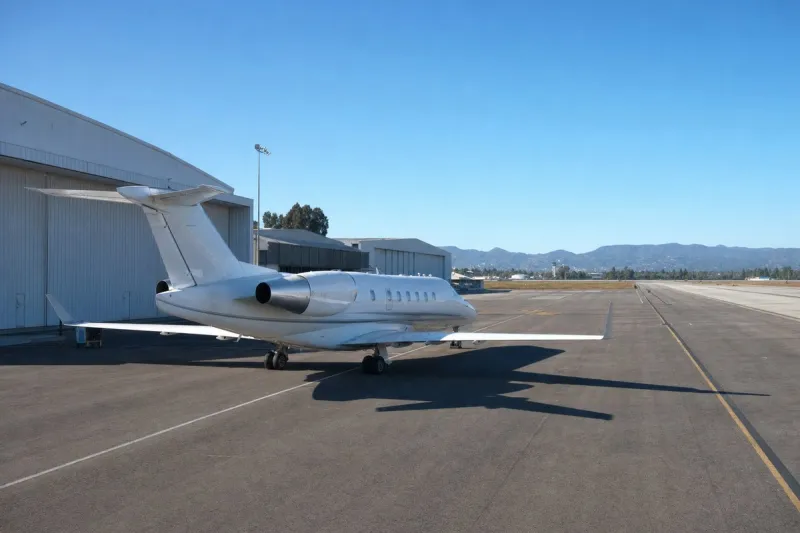
In California, the public airstrip in Anza-Borrego has been closed since April 2025. For decades it gave pilots aviation access to the state park through a partnership with San Diego County. The closure followed a staff letter to the California Department of Transportation (Caltrans). There is no Board authorization on record, and the steps outlined in the County's agreement with State Parks were not completed. Reopening the airstrip requires coordination among three agencies. The RAF says it is committed to working collaboratively with all involved to restore access.
Industry impact & what to watch
Both cases involve airstrips on state-owned land, where the people who fly in do not control the ground beneath them. Access rests on agreements between agencies and on the procedures those agreements spell out. When a step is skipped, as the Anza-Borrego record suggests, a field can shut without any vote or public decision, and getting it back means rebuilding consensus among every agency that touches it.
The Andover situation shows the quieter version of the same risk. An airport can stay open on paper while the activity that keeps it useful, such as hangar tenancy, training and maintenance, is redeveloped away. Without tenants, a turf strip can lose its practical value long before anyone formally closes it.
The next milestones are agency-level: NJDEP's decisions on the Andover hangar redevelopment, and whether the three agencies involved at Anza-Borrego agree on a path to reopening.