Seven AI air traffic programs in Europe and US: only FAA SMART documented at national scale, other dates unconfirmed
Why It MattersAI is being layered onto air traffic control as decision support while controllers keep separation responsibility, so adoption stays incremental and efficiency gains remain forecasts rather than demonstrated, comparable results.
What happened
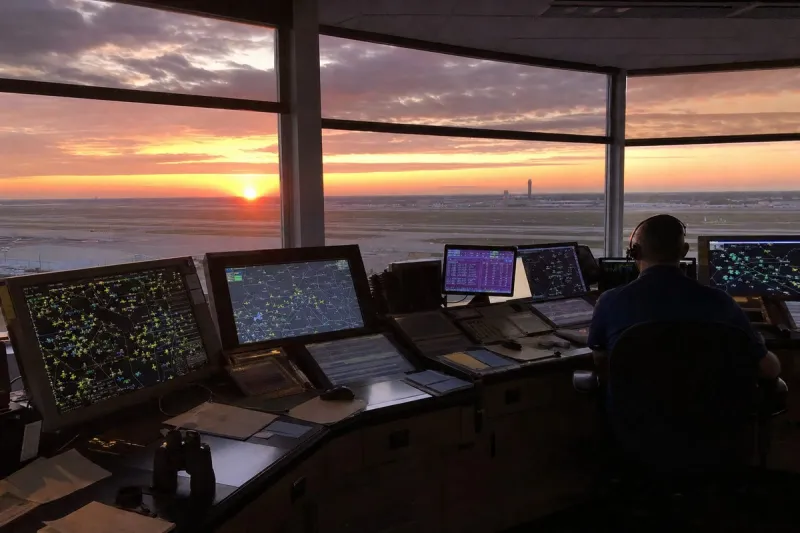
Seven AI and automation programs are reshaping how aircraft are sequenced and routed across Europe and the United States, and none of them removes the controller from the final decision. Only the FAA's SMART system is documented at national scale; the others are narrower, live but uncertified, or tied to timelines of 2028 to 2030 that no official document confirms as binding.
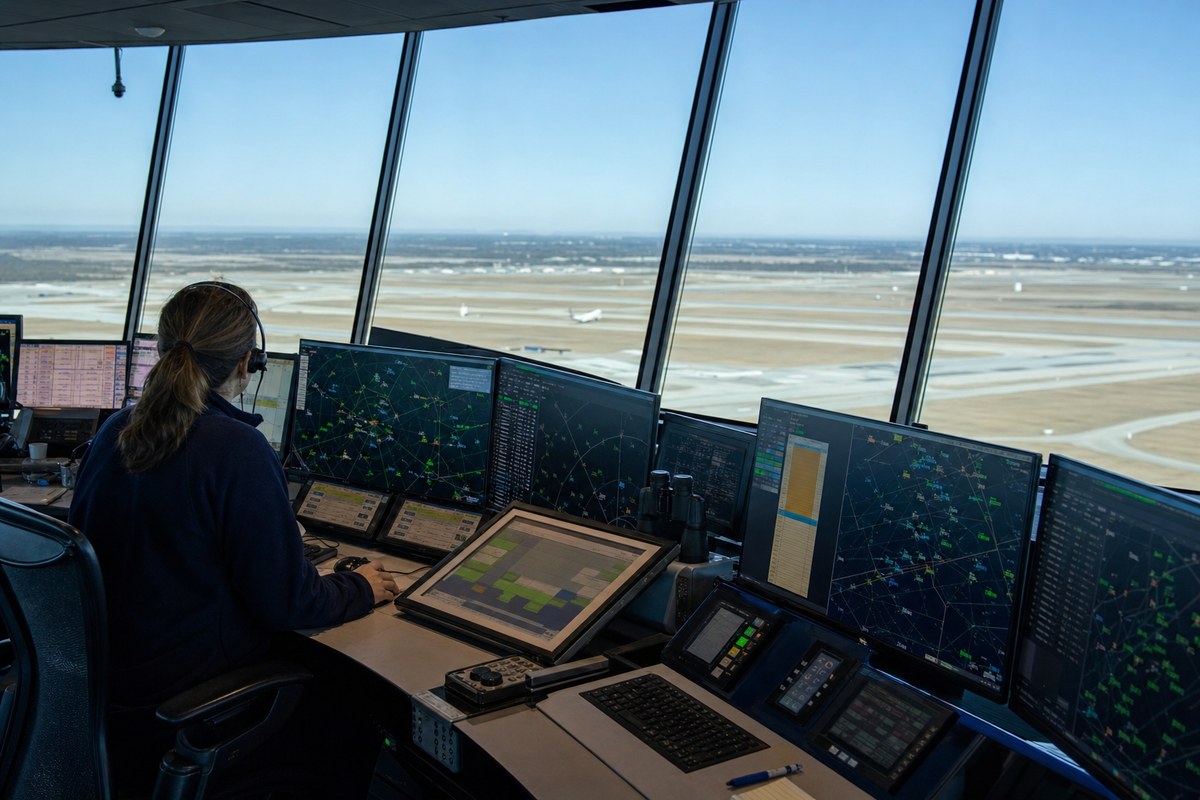
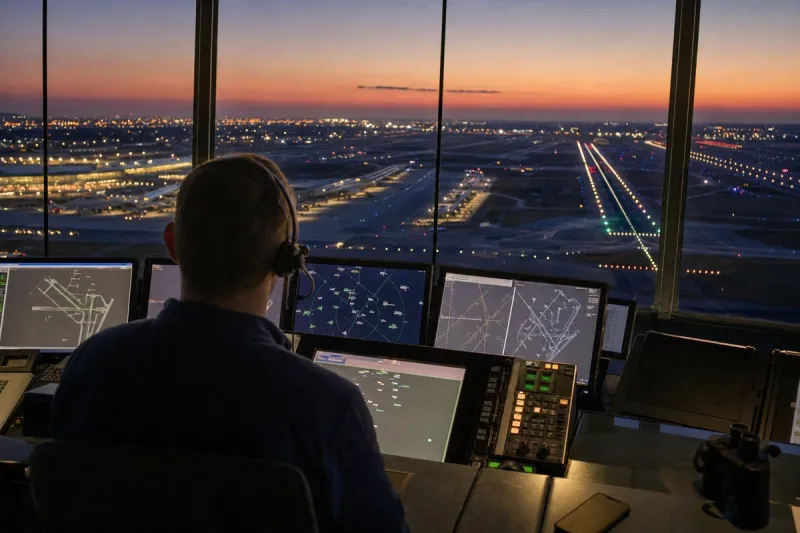
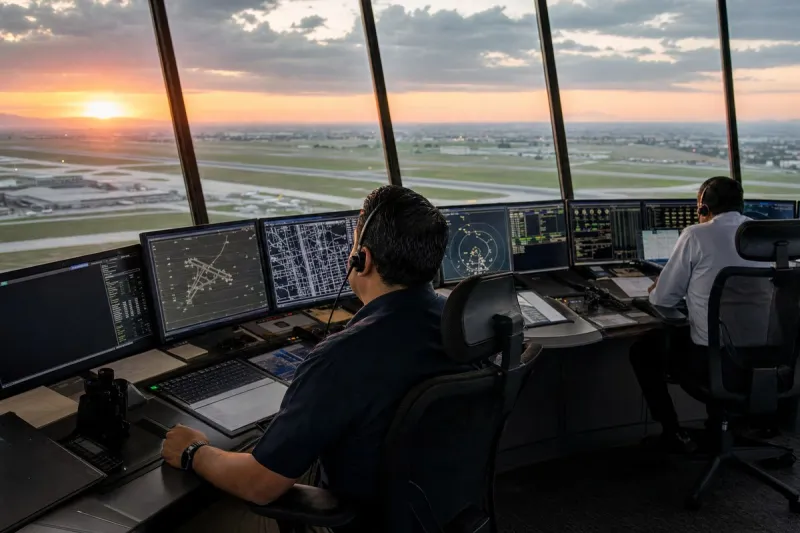
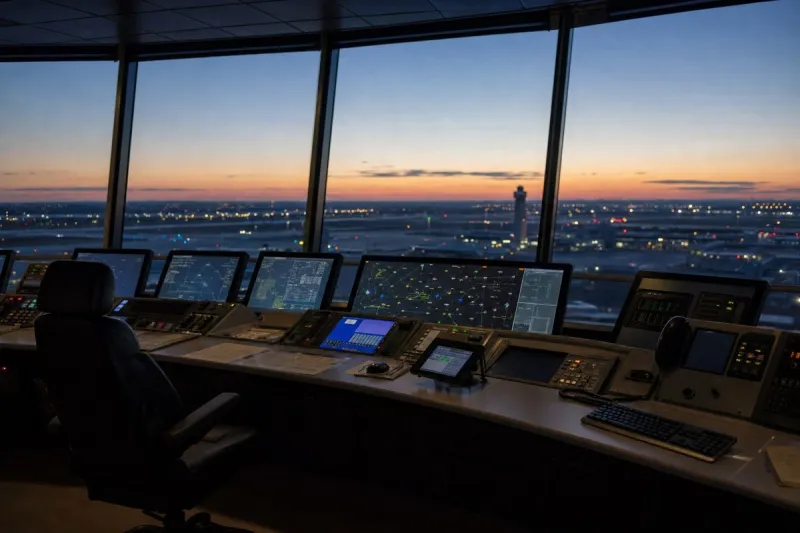
FAA SMART is built on a 12-year, $875 million contract with Air Space Intelligence. About 200 data streams (schedules, weather, airport capacity, airspace conditions and operational constraints) feed forecasts of traffic flow and conflict flags ahead of departure, according to the Federal Aviation Administration. Limited deployment began in September 2026 in Washington, D.C.-area airspace, and no binding nationwide completion date has been set. Controllers retain separation responsibility, and local facility leadership can decline the scheduling recommendations.
In Europe, EUROCONTROL already uses AI-based applications for turnaround forecasting, runway-capacity management, performance prediction and network-wide flight planning, but no public per-application certification list exists. SESAR's modernization effort is distributed across member states, air navigation service providers and industry. It projects 59.7% more en-route capacity against a 2012 baseline, a projection rather than a measurement, with deployment objectives running through 2035 under a Master Plan that is a roadmap rather than a procurement commitment.
Neither the FAA's national performance metrics nor EUROCONTROL's Performance Review Commission has published a controlled, at-scale comparison of AI-integrated airspace operations against legacy ones. Airport-side automation such as baggage systems, biometric gates and autonomous apron vehicles was excluded because no sufficiently specific deployment record was verified. September 2026 is the most recent confirmed deployment milestone.
Industry impact & what to watch
The common design across these programs is decision support: software forecasts flows, flags conflicts and proposes schedules, while a human controller keeps legal responsibility for separation. That arrangement lets air navigation providers adopt AI without re-opening certification of the controller's role, which is why deployments tend to arrive as narrow tools or regional trials rather than as a single system replacing existing infrastructure.
It also explains why the evidence base is thin. Capacity and efficiency figures such as SESAR's 59.7% en-route projection are forecasts against a 2012 baseline, and no controlled comparison with legacy operations has been published. For airlines, business-aviation operators and airports, any claimed delay or fuel saving from AI-assisted sequencing is therefore a projection until measured results appear.
The next dated step is the widening of SMART beyond the Washington, D.C.-area airspace where limited deployment began in September 2026. The 2028 to 2030 timelines attached to the other programs, and the 2035 SESAR objectives, remain unconfirmed as binding, so facility-level adoption decisions will matter more than program announcements.