Cessna 340: Pressurized Twin-Piston Cabin-Class Aircraft Built 1,287 Times Through 1984
Why It MattersThe 340 shows how pressurized twin-piston cabin-class aircraft bridged unpressurized light twins and turbine aircraft, trading turbocharged horsepower and an 8,000-foot cabin altitude for modest speed, range and ceiling.
What happened
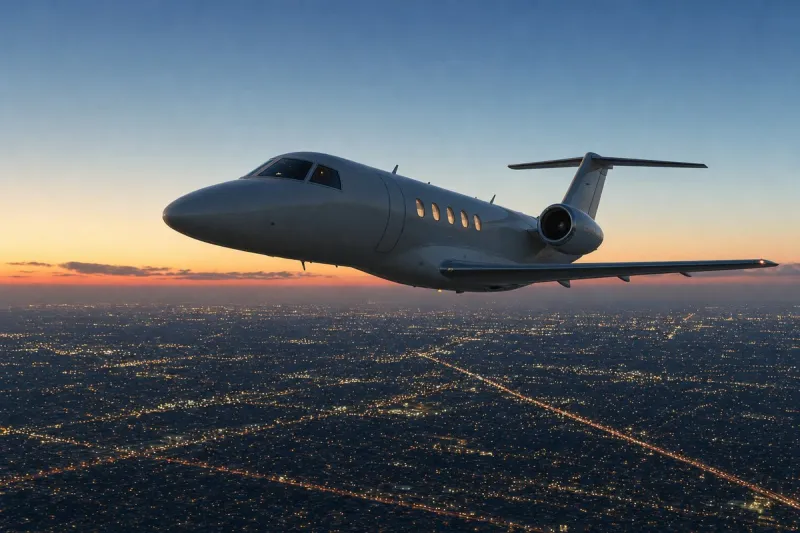
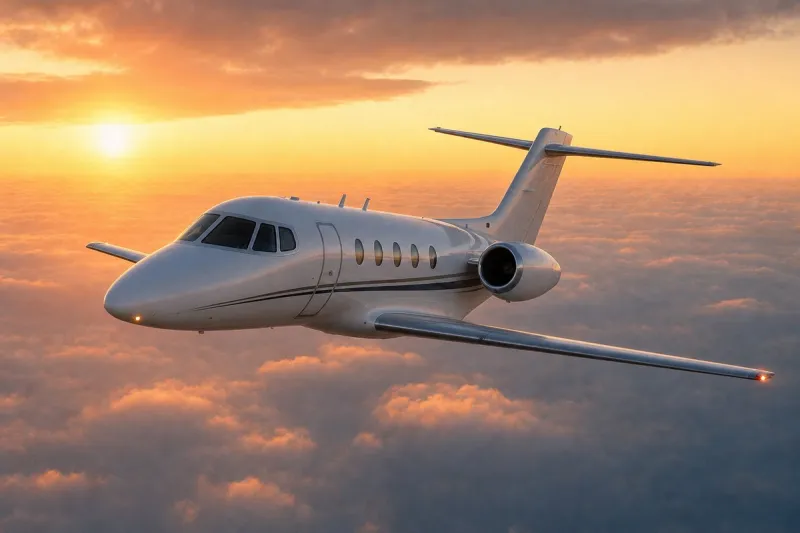
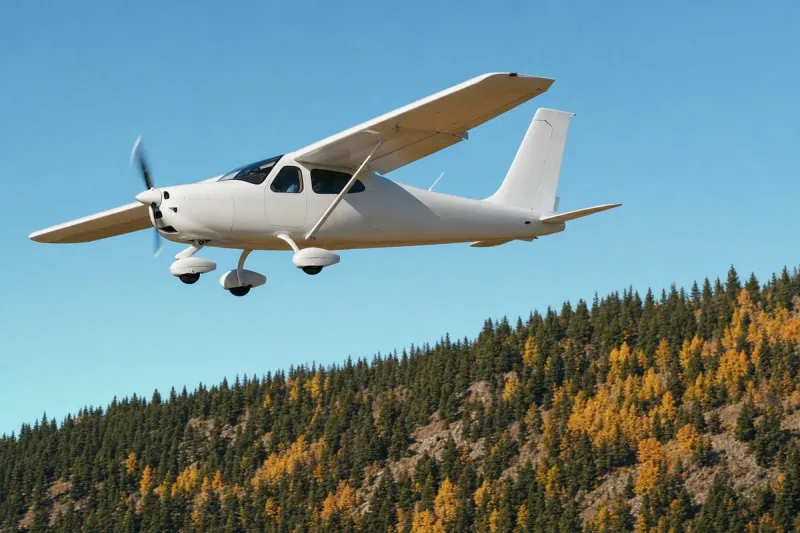
The Cessna 340 is a pressurized, six-seat twin-engine piston aircraft developed as a cabin-class successor to the Cessna 310. Development began in 1969. One of the prototypes crashed during flight testing in the early 1970s, and production deliveries began in early 1971.
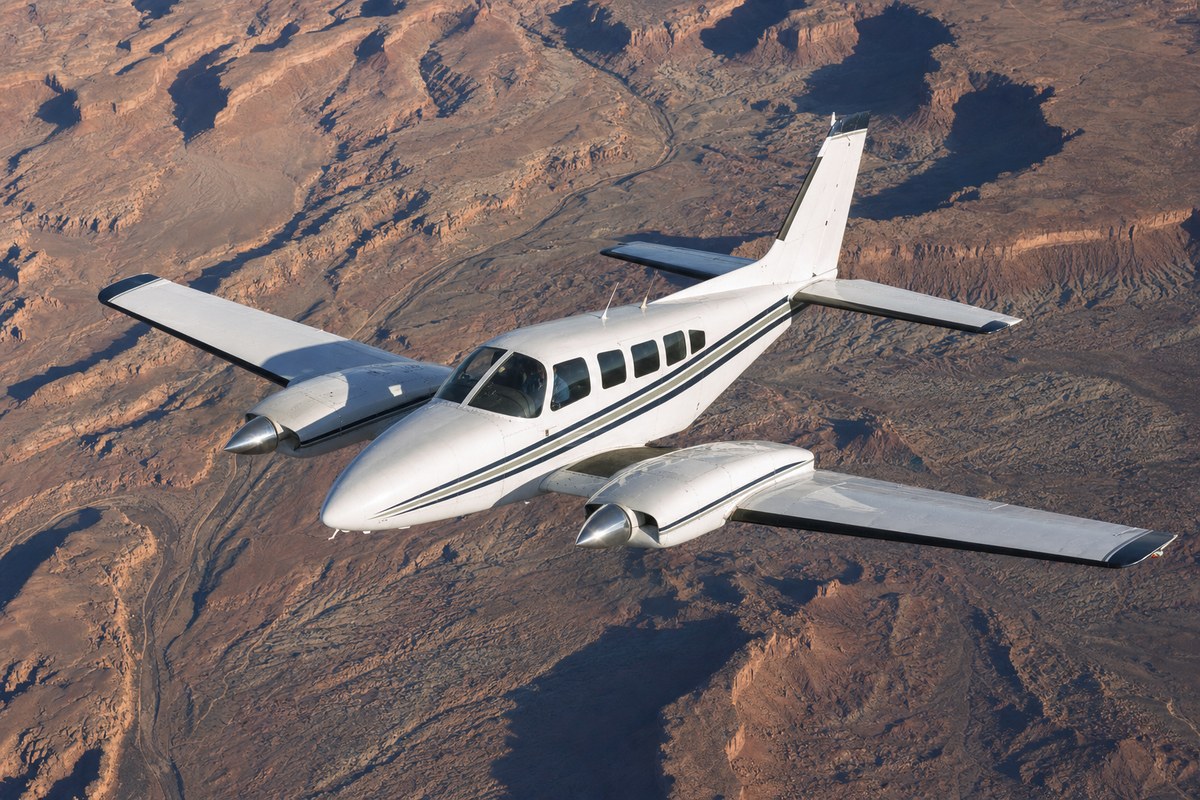
The aircraft combines the tail unit and landing gear of the Cessna 310 with wings based on those of the Cessna 414, and has an all-new fail-safe fuselage. The cabin has four passenger seats, an aisle and an airstair door. Its pressurization system has a 4.2 psi differential and holds a cabin altitude of 8,000 feet.
Early versions used two turbocharged Continental TSIO-520-K engines of 285 horsepower each. In 1976 these were replaced by the 310-horsepower Continental TSIO-520-NB, and the variant was designated the 340A. Propeller diameter was reduced to 1,920 mm to cut noise and meet ICAO Annex 16 requirements. The 340A was offered in 340A II and 340A III versions with different levels of IFR avionics.
The 340A is 10.46 meters long and 3.84 meters high, with a wingspan of 11.6 meters, a wing area of 17.1 square meters and a fuselage diameter of 1.55 meters. The cabin measures 2.8 meters long, 1.4 meters wide and 1.3 meters tall. Maximum speed is 244 knots, ceiling is 29,800 feet, climb rate is 1,650 feet per minute and range is 1,406 nautical miles. Takeoff and landing distances are 662 and 564 meters.
The Cessna 340 was produced until 1984, with a total of 1,287 aircraft built.
Industry impact & what to watch
The 340 belongs to the class of pressurized piston twins that let owner-pilots and small operators fly above much of the weather without stepping up to turbine ownership. Its recipe was to reuse proven parts, namely the 310's tail and landing gear and wings derived from the 414, around a new pressurized fuselage. That kept development effort focused on the cabin, and it is a common way manufacturers extend an existing product line.
The performance figures show the segment's trade-offs. A 29,800-foot ceiling and 244-knot maximum speed come from turbocharged piston engines, and an 8,000-foot cabin altitude is what a 4.2 psi differential delivers. The 1976 move to 310-horsepower engines and smaller-diameter propellers also shows how noise rules such as ICAO Annex 16 shaped piston-twin design well before turbine competition became the main story.
The production run, which ended in 1984 at 1,287 aircraft, frames the type as a bounded fleet. Anyone evaluating one today is looking at an aircraft whose build ended decades ago, so the practical questions concern how individual airframes have been maintained and which avionics level, 340A II or 340A III, a given example carries.