Boom Supersonic Runs Prototype Core of In-House Engine for First Time
Why It MattersA startup building its own large engine core, from compressor to single-crystal blades, shows how supersonic and power-generation ambitions are pushing airframers to internalize propulsion work normally left to established engine makers.
What happened
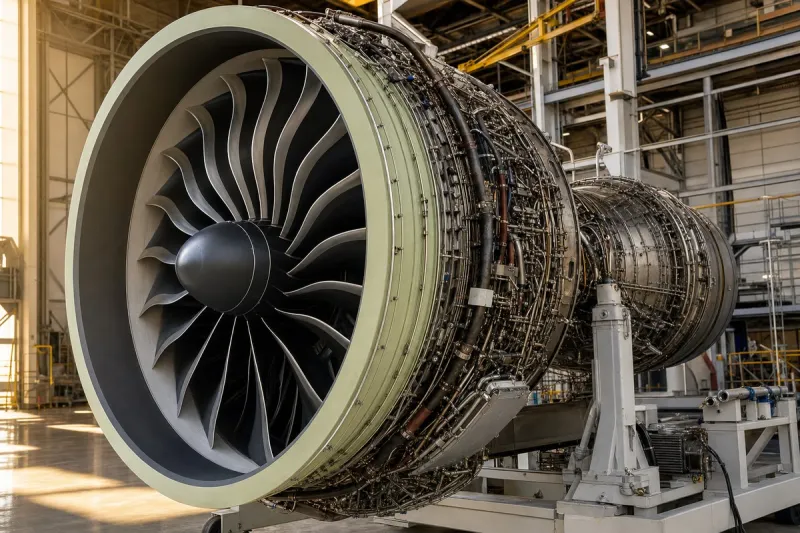
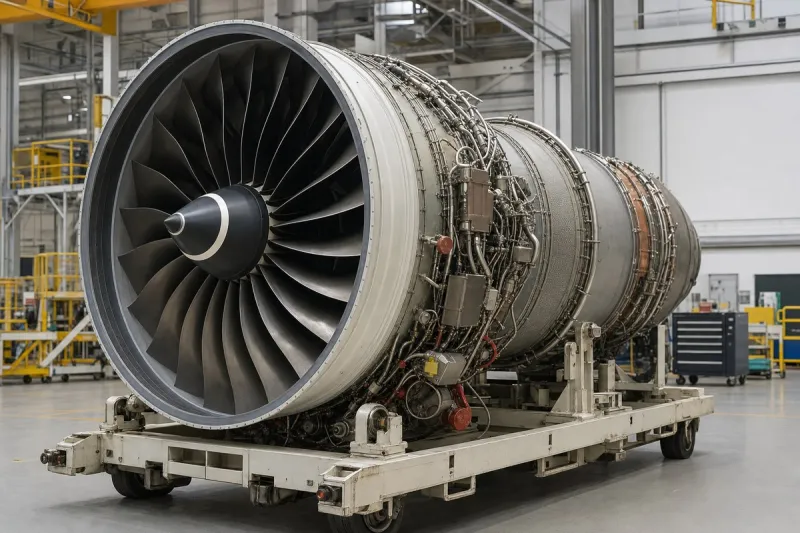
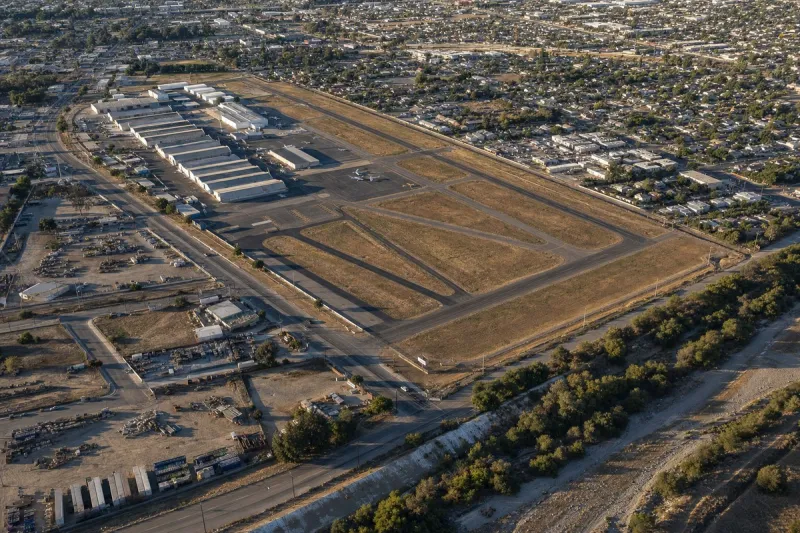
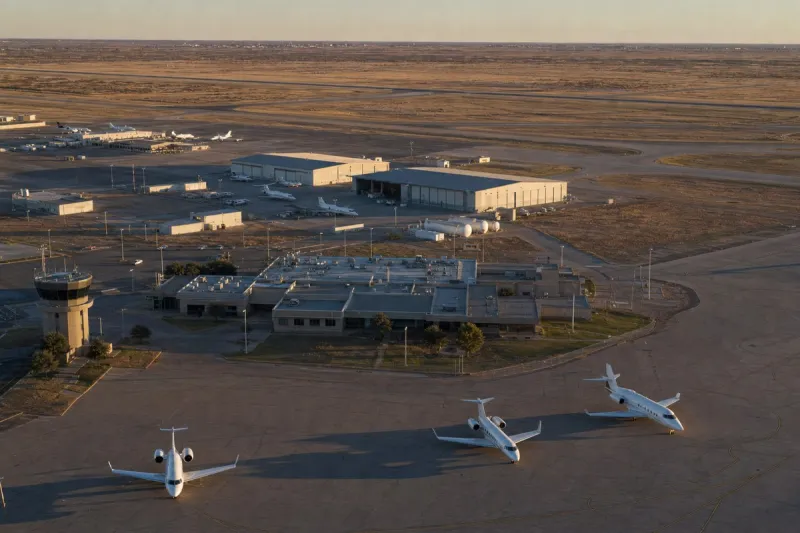
Test engineers at Boom Supersonic ran the prototype core of the company's in-house engine for the first time on Nov. 21, at the company's test facility at the Colorado Air and Space Port in Watkins, east of Denver. The engine is described as the largest jet engine designed by a startup, and the run came four years after Boom's 2022 decision to develop an engine for its Overture airliner itself.
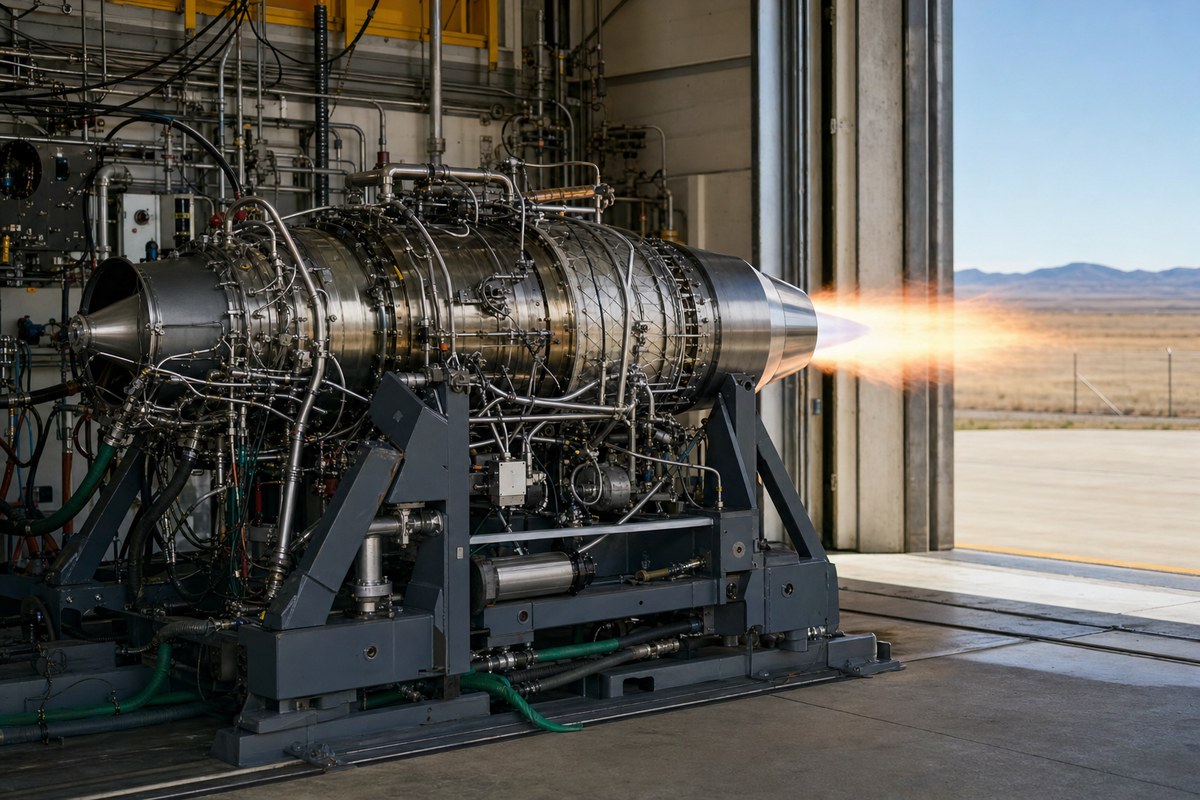
Founder and CEO Blake Scholl said light-off occurred on the second attempt overall; the company had thought there was less than a 50% chance it would work. The core was run up to 6,500 rpm with nearly 2,000 real-time sensors. The first run was deliberately short to collect data, and Boom expects to expand the core's test envelope over the next two months.
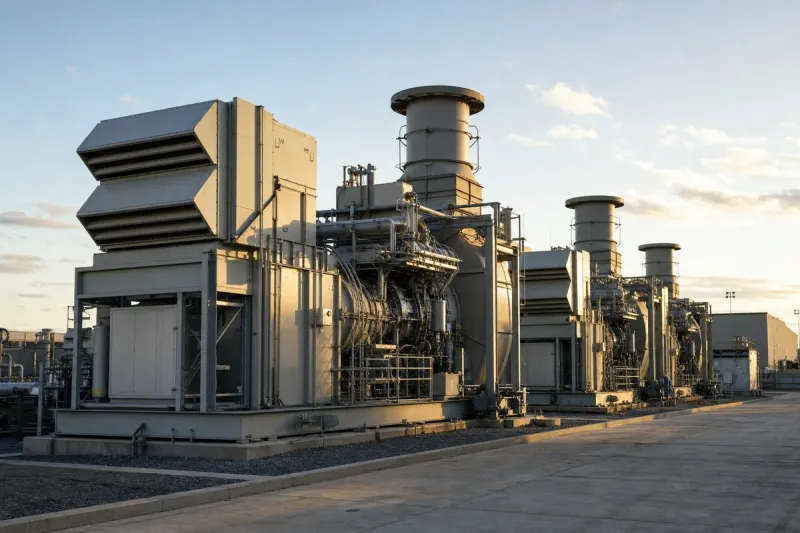
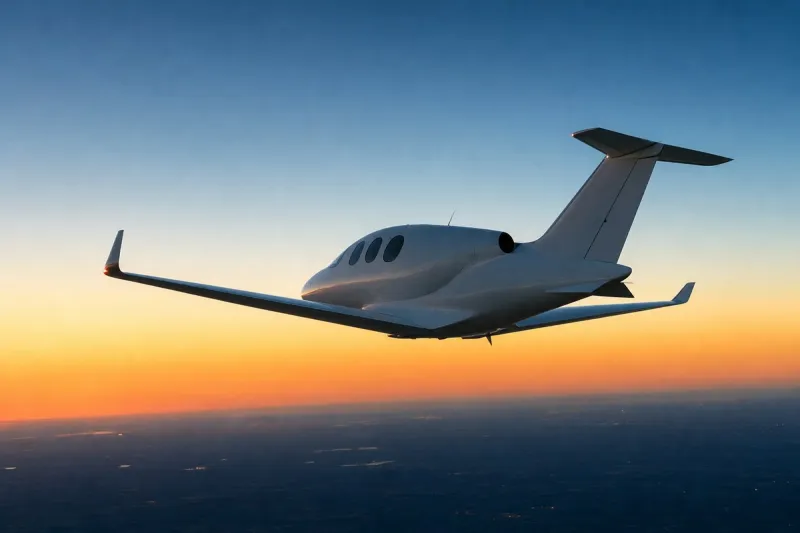
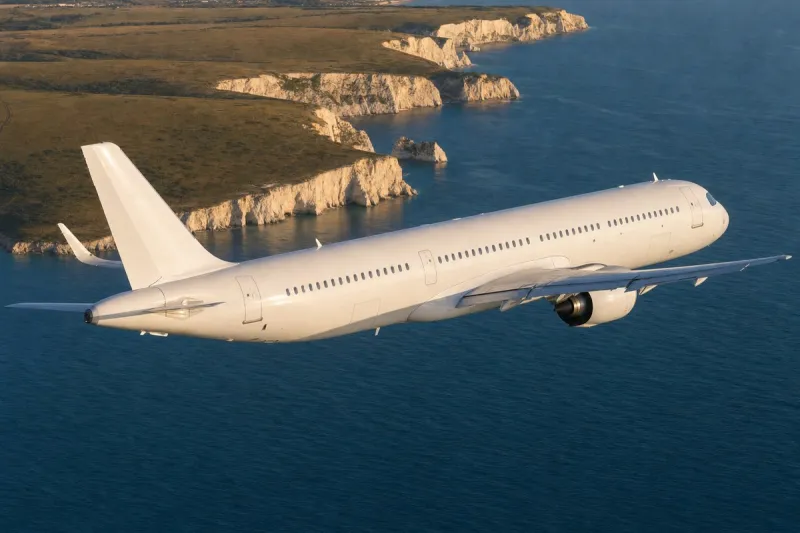
The core will underpin Boom's Superpower industrial gas turbine and the follow-on bespoke 40,000 lb.-thrust Symphony medium-bypass turbofan, which is designed to power the planned Mach 1.7 Overture airliner. Both will use the same six-stage high-pressure compressor and single-stage high-pressure turbine core. The initial target is the 42-megawatt Superpower industrial gas turbine derivative launched in 2025 to power AI data centers.
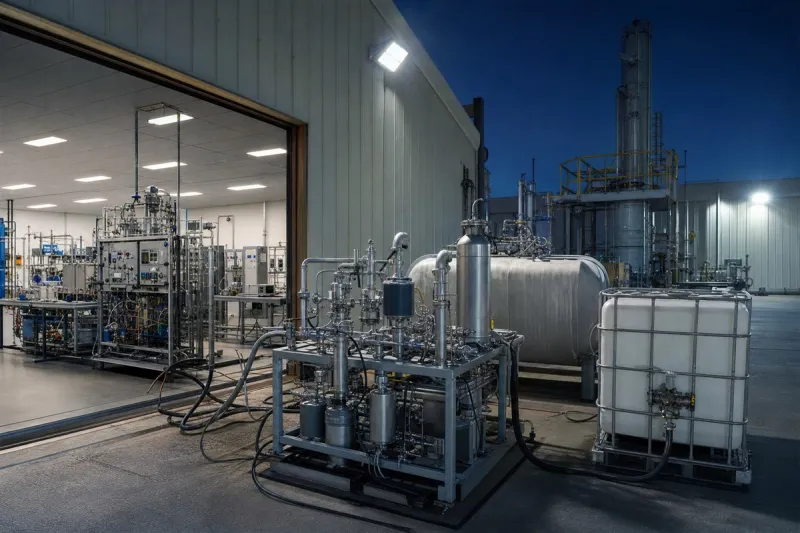
To map compressor performance and validate its design code, the Watkins facility has been equipped with a vacuum pump, which simulates a bypass duct, and a variable exhaust nozzle, which simulates the low-pressure turbine. The twin-shaft Superpower version will add a low-pressure spool and a free power turbine.
Two engines, one core
Commonality between the Superpower and Symphony versions exceeds 75%, but the low spool differs. Superpower has a four-stage low-pressure compressor against Symphony's three-stage unit, with one less turbine stage and no fan. Scholl said Symphony will be significantly lighter than the industrial version.
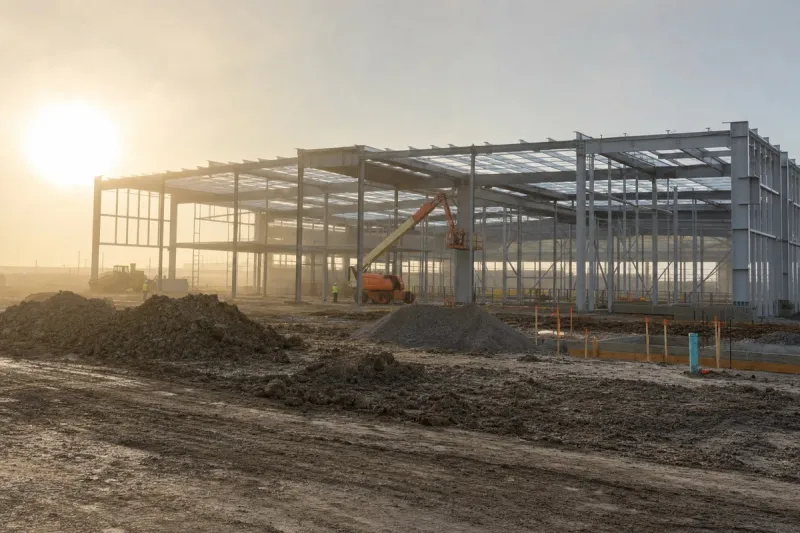
In parallel, Boom is setting up an in-house foundry to cast single-crystal turbine blades and vanes from custom superalloys without conventional tooling. The all-digital, tooling-free facility is located in the company's newly developed 200,000-sq-ft 'Superpower Superfactory' in Centennial, Colorado. Scholl said single-crystal blades cannot be procured and that making them in-house is the best approach.
Industry impact & what to watch
Engine development is the long pole for any new airliner program, and Boom's route shows one way a newcomer can address it: build a single core, prove it on the ground, and sell a derivative into a different market first. Pointing the same compressor and turbine core at an industrial gas turbine for AI data centers gives the engine a product to mature around before it ever has to fly on Overture. The high commonality between the two versions is what makes that sequencing credible.
The in-house foundry is the other structural signal. Single-crystal blades sit among the hardest parts of a hot section to source, and Boom's decision to make them itself means the company is taking on materials and casting risk that engine makers have historically carried. Those turbine parts are where the core's durability will ultimately be decided.
The next dated marker is the planned expansion of the core's test envelope over the next two months. Results from that campaign, particularly the compressor mapping and design-code validation the Watkins rig was equipped for, will show how closely the first run's data matches Boom's models.