Sky Harbour Q3 Revenue Rises 45% as Company Enters Third-Party Construction and Raises Run-Rate Guidance
Why It MattersHangar developers that fabricate their own steel can monetise spare factory capacity and fixed-rate financing, so campus economics increasingly depend on construction capability and lease escalators as much as on rental demand.
What happened
Sky Harbour (NYSE: SKYH) reported a 45% year-over-year increase in third-quarter revenue on its Nov. 10, 2026 earnings call, while continuing to expand construction across its airfield hangar campuses. The company entered third-party construction with $38 million in initial contracts, and management raised full-year revenue run-rate guidance to $44 million to $48 million.
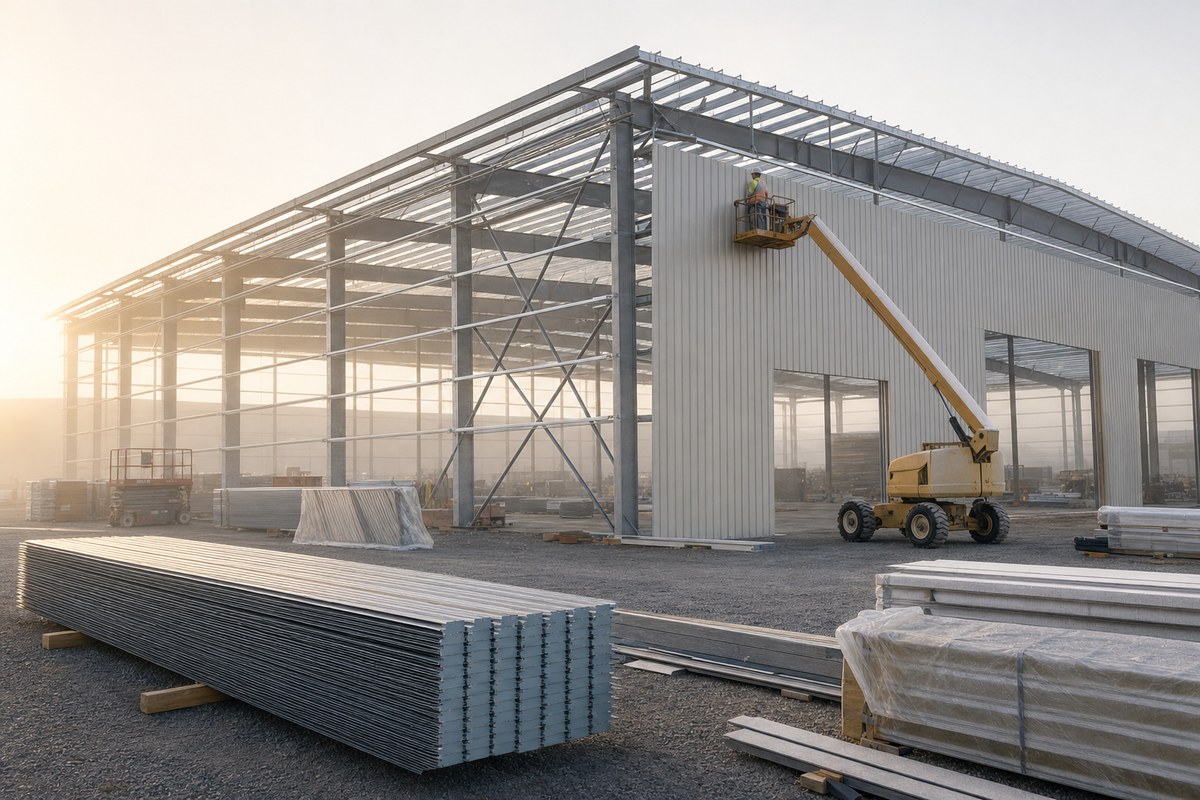
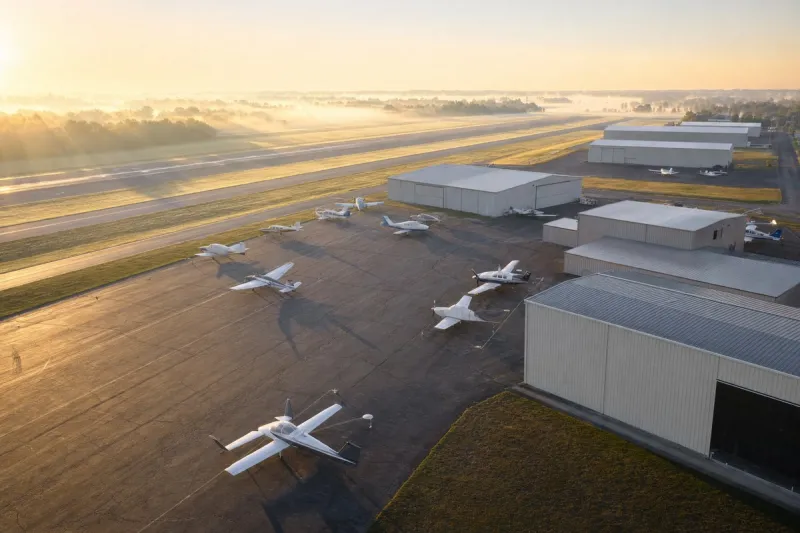
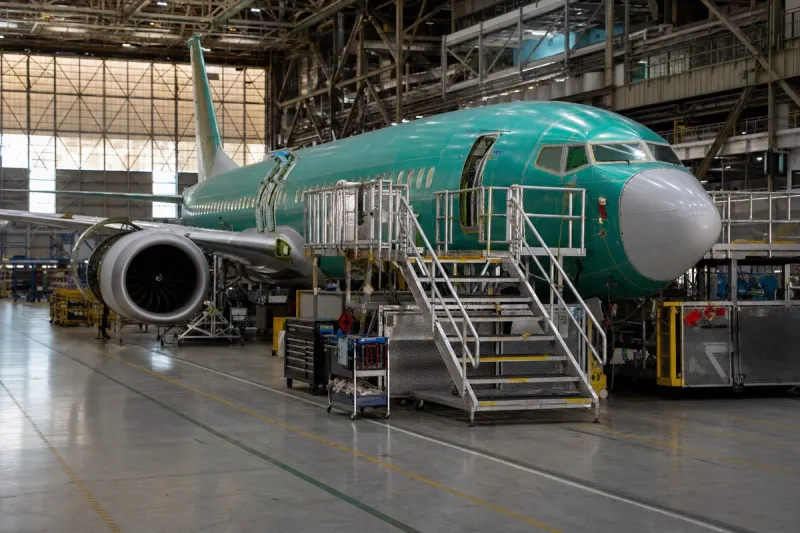
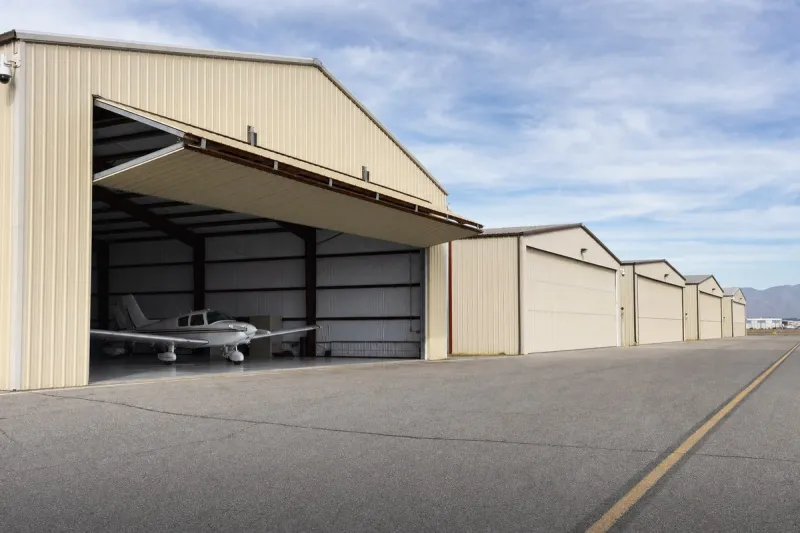
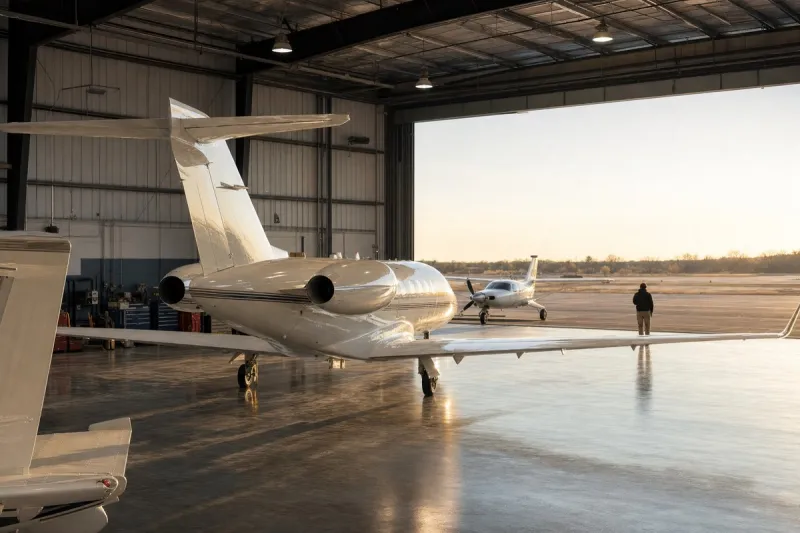
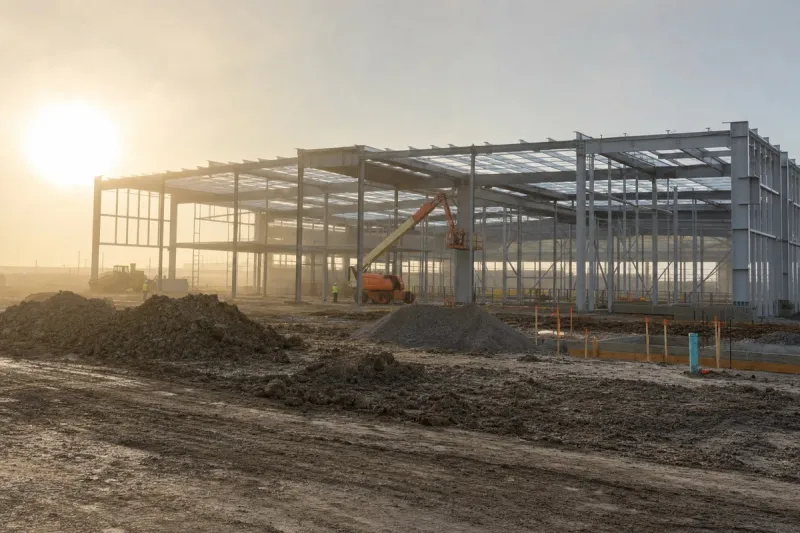
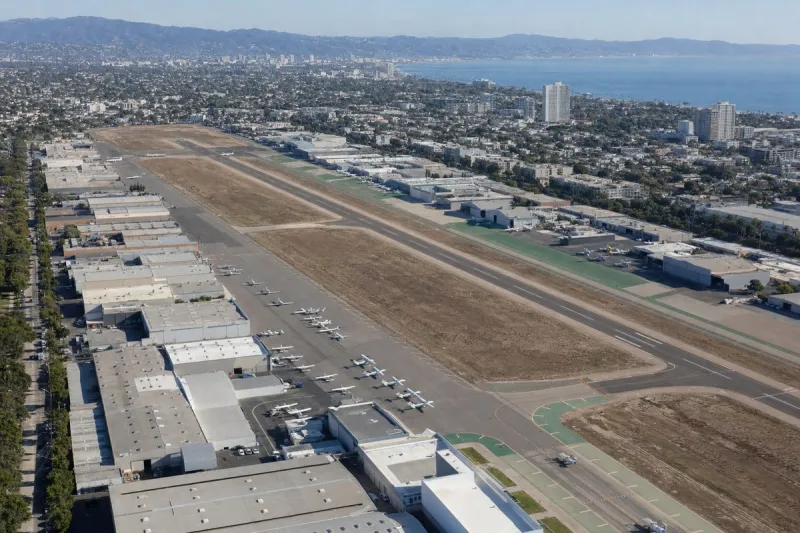
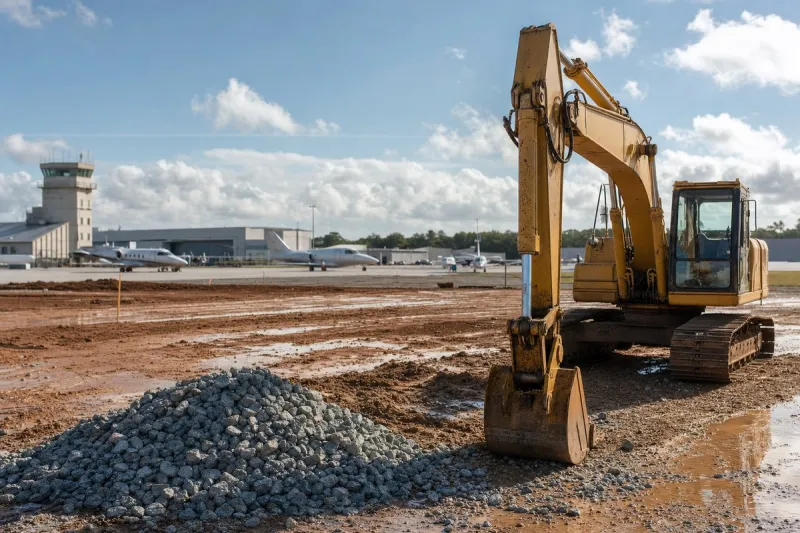
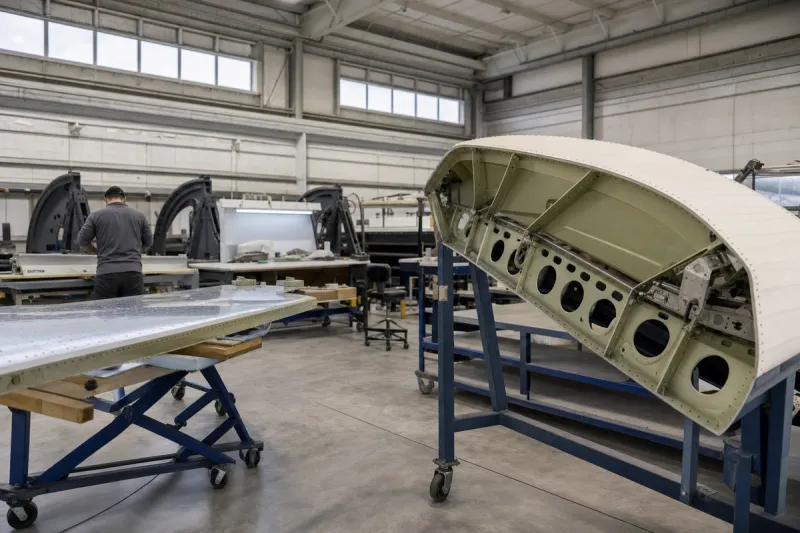
Sky Harbour is expanding into manufacturing pre-engineered metal buildings and general contracting for external partners, using excess capacity at its steel fabrication facility. It continues to spend heavily on building specialized home-based hangar campuses to capture rental income as new facilities stabilize. Land acquisition and leasing resources are being concentrated on tier 1 premier airports, where revenue per available square foot starts at $50, and management said its focus will remain on tier 1 campuses for at least the next year or two.
On financing, CFO Francisco X. Gonzalez said the 2061 bonds are fixed at 4.18% until maturity in 30 years, and the JPMorgan facility is swapped for four years to an effective 4.73%, including for the amount not yet drawn. Management said it has hedged existing debt and capital lines through long-term fixed rates and swaps.
CEO and Chair Tal Keinan said leases carry annual escalators of CPI with a floor of 4%, and that when leases expire, the same square foot is re-leased at an average markup of 20%. Filling 826,000 square feet of hangar space in 2027 remains the leasing team's primary operational hurdle. Management accepts near-term operating expense increases to secure long-term campus scale and expects gross profit growth and EBITDA margin expansion from the added revenues with limited increases in operating costs.
Industry impact & what to watch
Sky Harbour's move shows how a hangar developer with its own steel fabrication can turn a cost centre into a revenue line. Selling pre-engineered metal buildings and general contracting to outside partners spreads fixed factory costs over more volume, while the core business keeps building campuses whose rental income arrives only as each facility stabilizes. That timing gap is the structural feature of the model: spending leads, rent follows.
The financing and lease terms explain why management is comfortable carrying higher near-term operating expenses. Debt locked at fixed rates for decades or years, combined with CPI-linked escalators floored at 4% and a 20% average markup on re-leasing, makes the cash flow of each stabilized campus largely predictable. In this segment, demand for premium hangar space at tier 1 airports and the cost of capital matter more than month-to-month fluctuations in flight activity.
The clearest pending test is the 826,000 square feet of hangar space the leasing team aims to fill in 2027. Whether that space is absorbed, and whether the third-party construction line grows beyond its initial $38 million in contracts, will show how much of the revenue run-rate guidance rests on rentals versus building work.