Warren County Airport in Ohio Reports $16–27M+ Annual Economic Impact and Over $3M in Private Hangar Investment in 2026
Why It MattersPrivately funded hangars alongside FAA-funded airfield work show how general aviation airports split capital costs between tenants and public grants while hosting varied tenants, from flying clubs to aerospace developers.
What happened
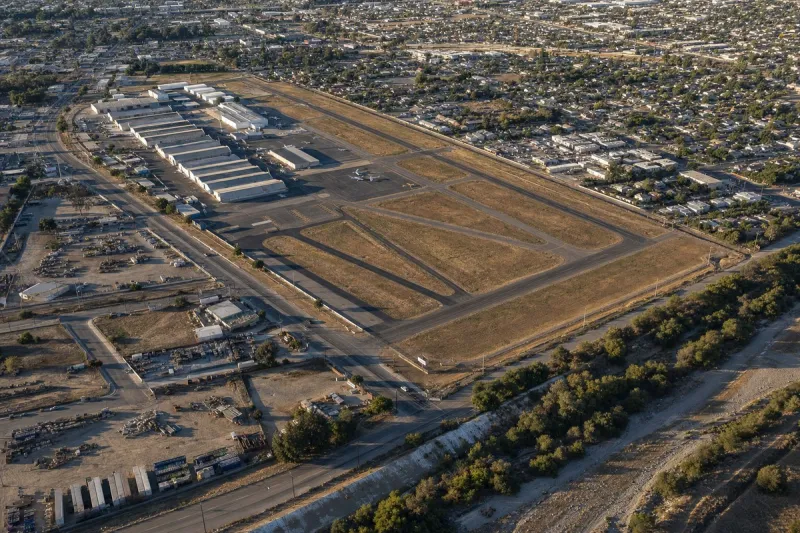
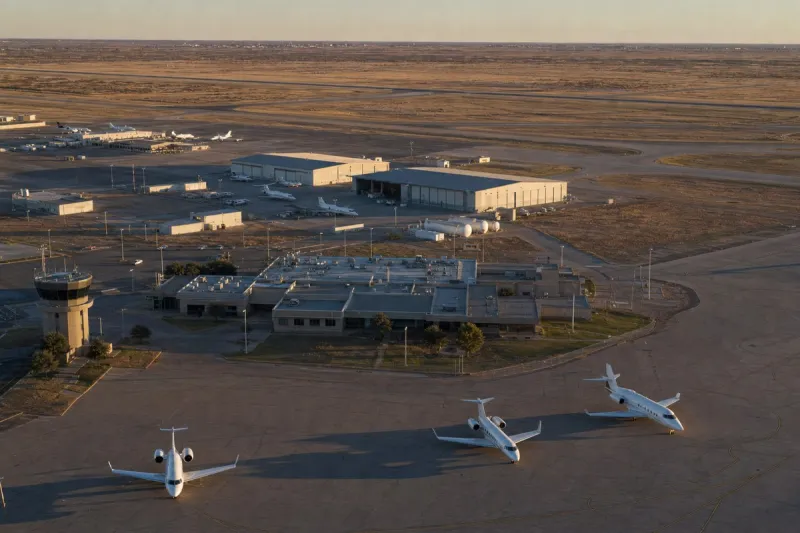
Warren County Airport, John Lane Field (I68), in Lebanon, Ohio, estimates its annual economic impact at $16–27 million or more. More than 40 aviation and non-aviation businesses operate at the field, which supports an estimated 100–200 jobs. The airport has about 150 based aircraft, making it one of Ohio's largest general aviation airports by based aircraft, and recorded roughly 38,000 aircraft operations (takeoffs and landings) in 2025.

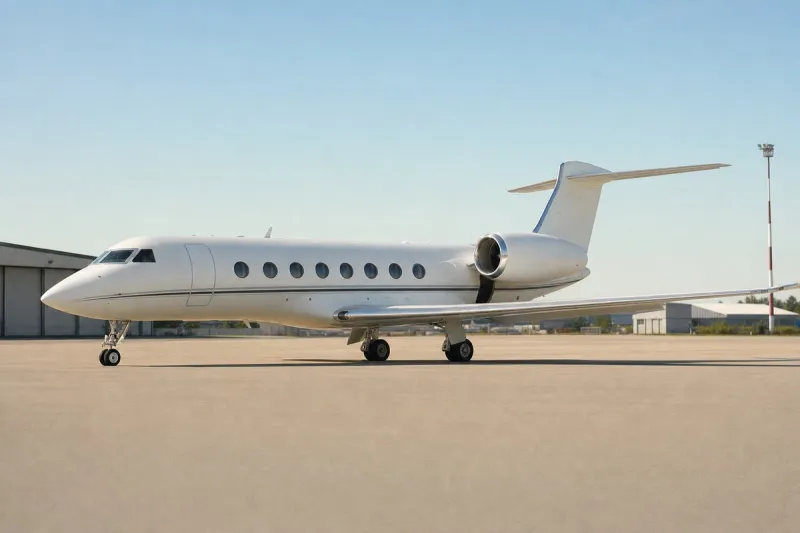
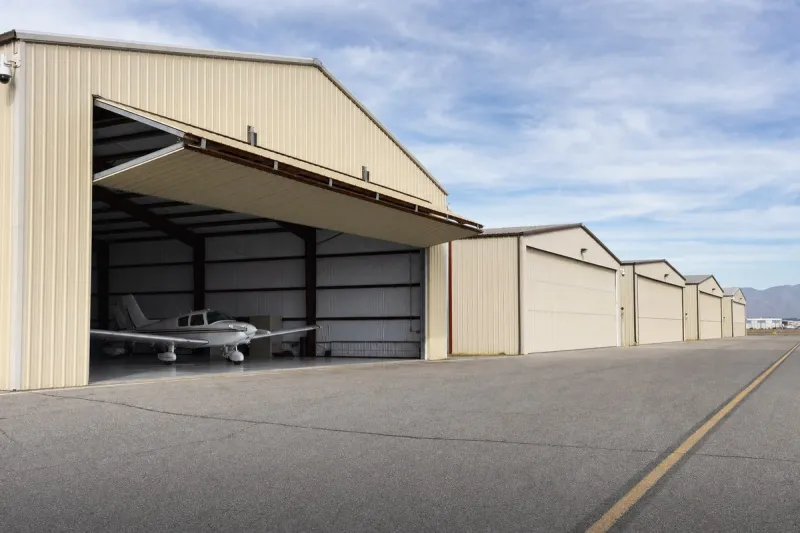
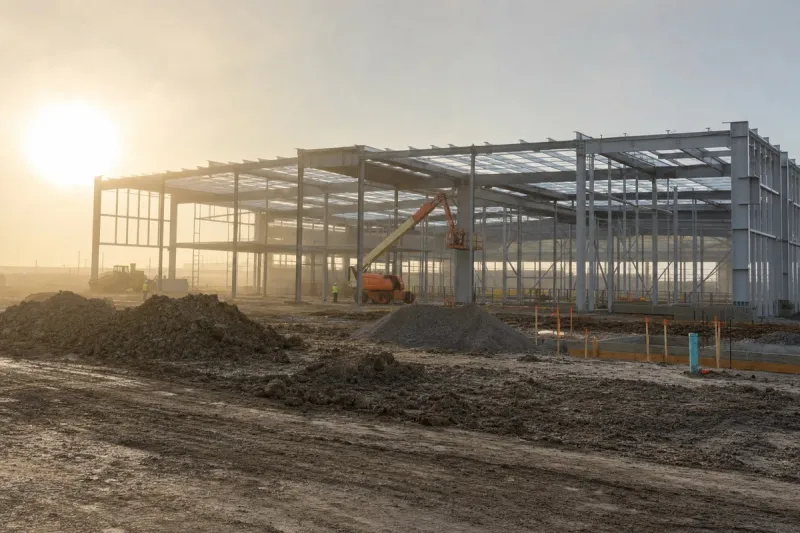
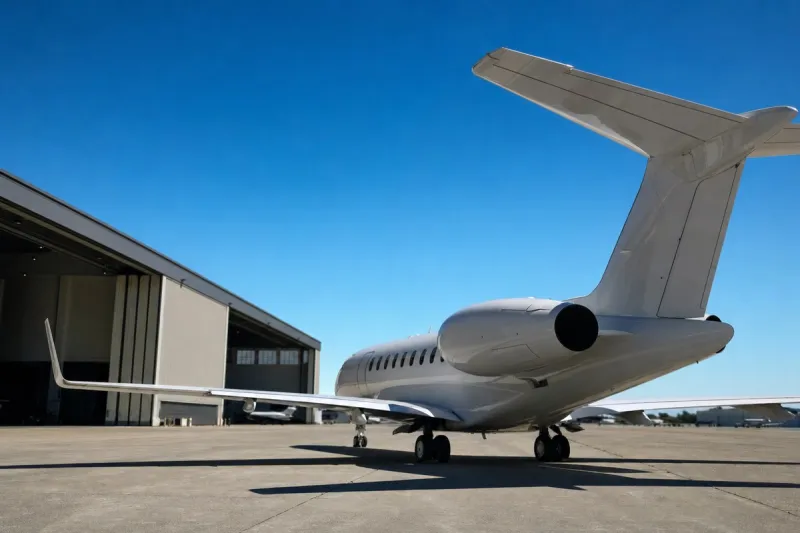
In 2026, more than $3 million was invested in privately funded hangar and facility development, including four new T-hangar buildings with eight aircraft spaces each, adding 32 spaces. No taxpayer dollars were used for these private projects; public runway, taxiway and apron projects are funded separately, such as through FAA grants. A new 12,000-square-foot corporate hangar was completed in fall 2025, and the airport received the Ohio Aviation Association's 2025 Aviation Business of the Year award.
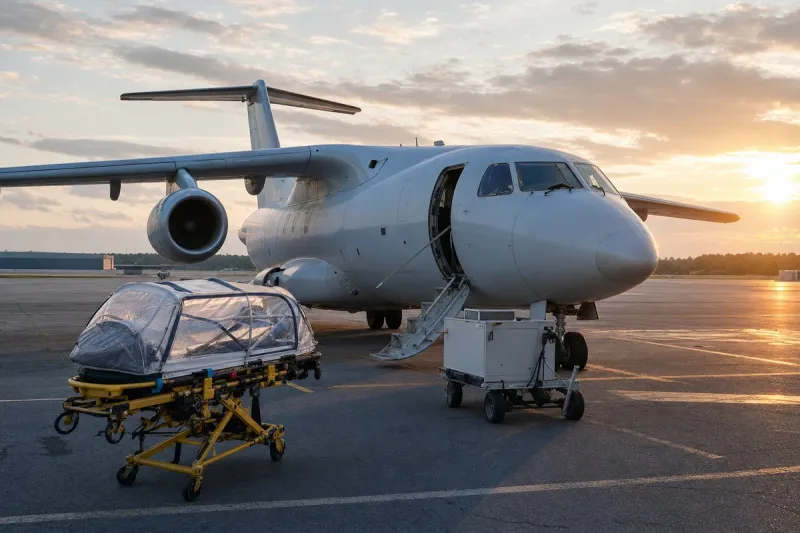
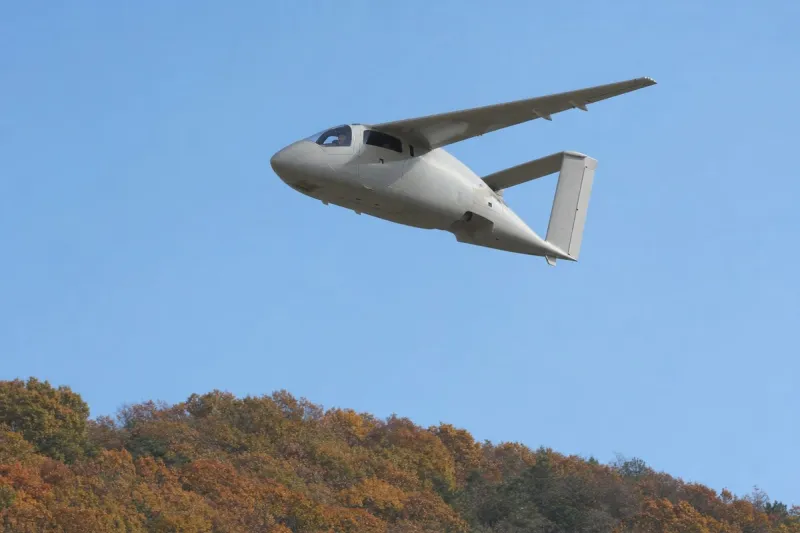
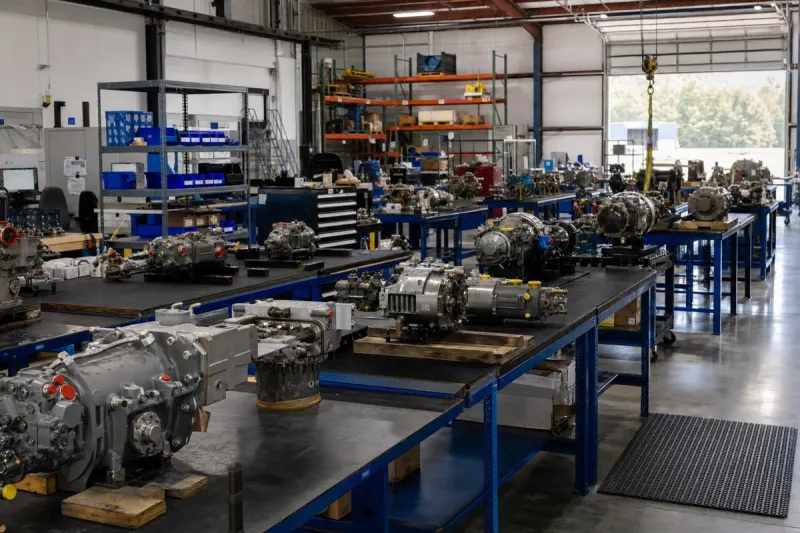
Tenants include Velontra, an aerospace company working on hypersonic propulsion and air-breathing technologies, developing HyperLaunch, a horizontal runway-based space launch system, and Bronco, a small low-cost supersonic engine. Other activities include helicopter rides and training, aerial pipeline patrol and infrastructure monitoring, and a flying club established in 1952 with more than 150 members. Air medical crews operate from the airport, as do volunteer and charitable flights, including pilots from the Flying Neutrons who flew supplies to communities in western North Carolina.
History and community events
The airport began in the 1950s as a private grass airstrip on John Lane's farm. In 1966 Lane donated 26 acres to Warren County, establishing the public-use airport.
The first Airport Fest in 2024 drew about 1,100 attendees, and about 4,500 attended in 2026. Road closures will likely prevent an Airport Fest in 2027, with the event expected to return in 2028.
Industry impact & what to watch
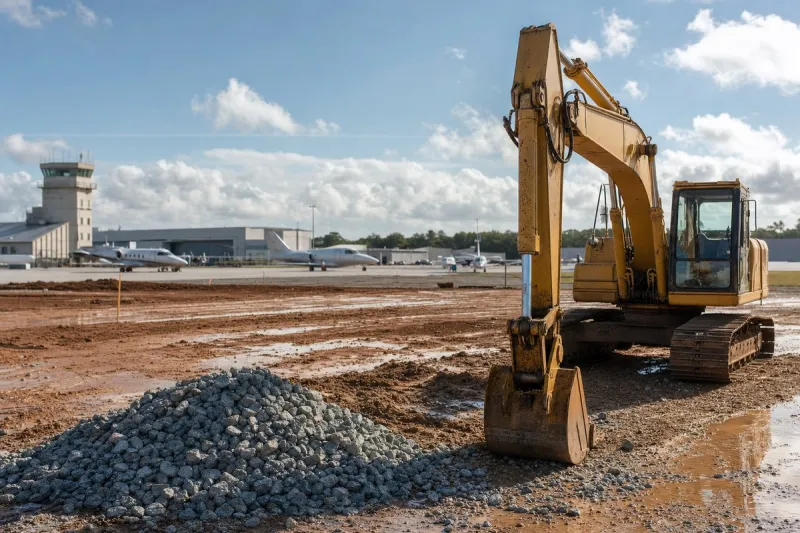
I68 illustrates a common funding split at general aviation airports: tenants and private developers pay for hangars and corporate facilities, while runway, taxiway and apron work draws on public money such as FAA grants. Here that split shows up as more than $3 million in private investment in 2026 alongside a separate $4,258,886 FAA Airport Improvement Program award for apron and taxiway construction.
The tenant mix also shows how a field of this kind earns its economic footprint. Based aircraft, a long-running flying club, air medical crews, pipeline patrol operators and an aerospace developer working on hypersonic propulsion all share one airfield, which spreads activity across several revenue and employment sources rather than a single anchor user.
The next milestones are already on the table: four businesses seek to build corporate hangars on 12 acres the county acquired in 2025, and a long-term proposal would extend the 4,502-foot runway to 5,000 feet, with schedule to be determined and subject to FAA approval.