Gogo Shifts to Multi-Orbit Connectivity as 5G ATG Launches and Galileo LEO Installations Accelerate; 2026 Revenue Guidance $870M–$895M
Why It MattersBusiness-aviation connectivity is moving from single-network ATG service toward layered terrestrial and multi-orbit offerings, trading lower-margin hardware and legacy revenue declines for adoption volume and exposure to LEO competition.
What happened
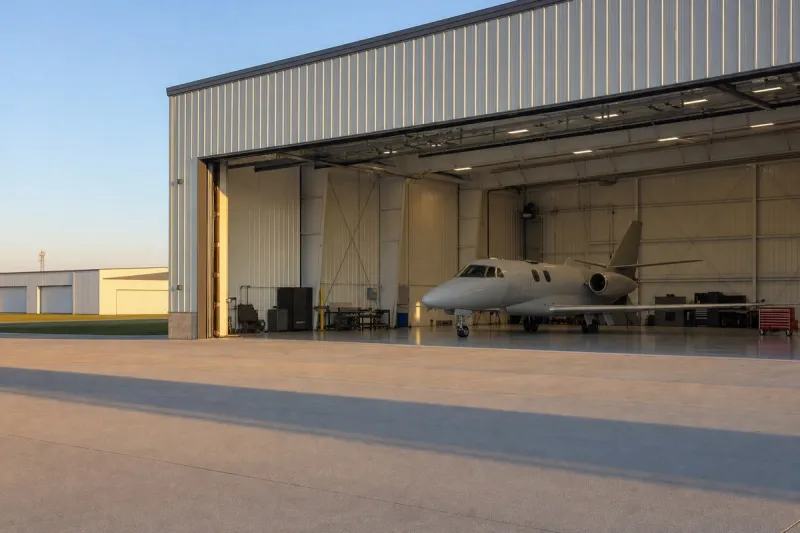
Gogo describes itself as the only multi-orbit, multi-band in-flight connectivity provider purpose-built for business aviation and military/government mobility, combining its proprietary Air-to-Ground (ATG) spectrum network with access to multiple satellite constellations. The December 2024 acquisition of Satcom Direct broadened its international footprint and military/government reach, and management reports annualized cost synergies now exceeding original targets.
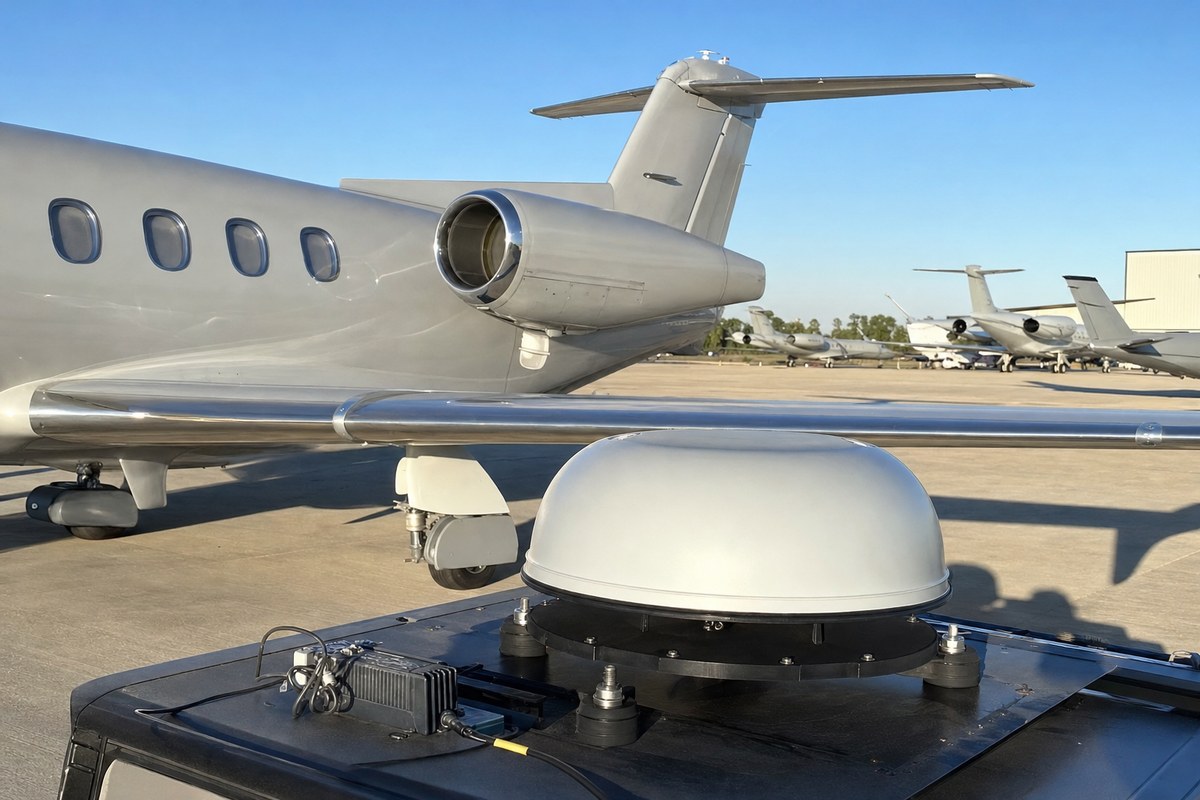
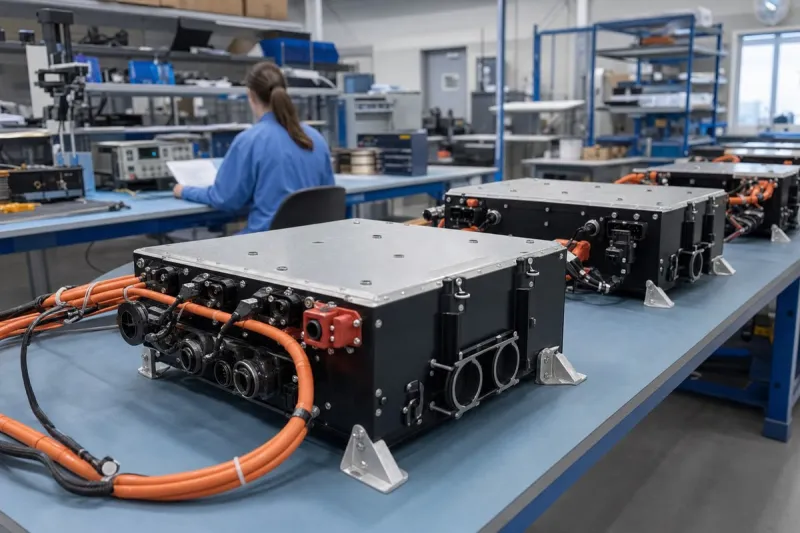
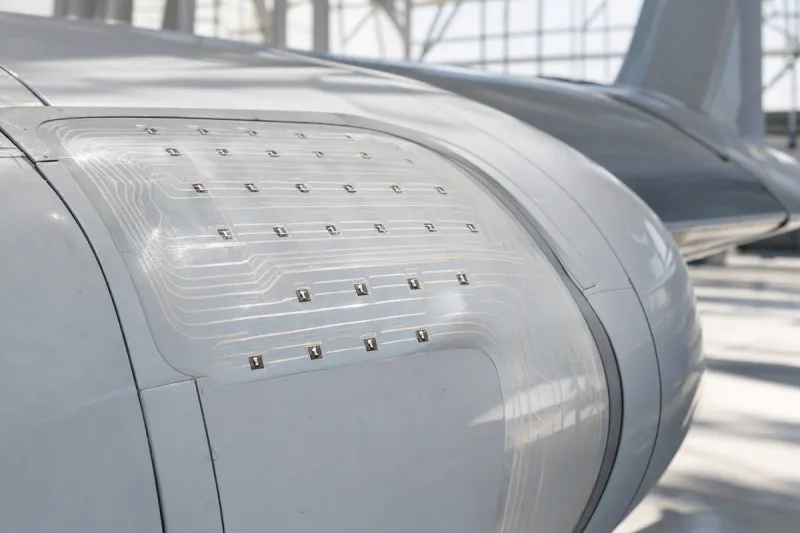
Gogo's 5G ATG network became commercially available in January 2026. Management expects 5G aircraft activations to ramp through late 2026, with roughly 450 aircraft pre-provisioned for a "box swap." Galileo LEO installations are also accelerating, with Supplemental Type Certificates (STCs) expanding across the U.S., Europe, Brazil and Canada and fleet rollouts underway with VistaJet, NetJets and Wheels Up. Management cites a high-confidence Galileo pipeline of roughly 500 aircraft. Galileo hardware ships at lower margins than the ATG equipment it replaces.
On the balance sheet, an amended Term Loan B extends lender maturities to October 2030 and commits to $75 million in principal payments by the end of 2027. Analysts at J.P. Morgan have noted that declining leverage positions Gogo to return capital to shareholders and repurchase debt on the open market. The FCC's Rip & Replace reimbursement program, covering migration of legacy equipment to LTE, adds flexibility, and management guides to a flash cut onto the new LTE network in early 2027.
Gogo's 2026 guidance, reaffirmed with its third-quarter results, calls for total revenue of $870 million to $895 million and adjusted EBITDA of roughly $170 million to $190 million. Declines in legacy ATG and GEO service revenue are expected to be offset by Galileo and 5G adoption.
Analyst views and identified risks
According to S&P Global data, three analysts maintain a consensus "Buy" rating with an average price target near $8.50, ranging from $7 (Morgan Stanley, J.P. Morgan) to $10 (Roth MKM). Several targets were revised lower through 2026 on softer legacy revenue and execution risk.
The identified risks are LEO competition from providers such as SpaceX's Starlink, elevated interest rates, inflation and supply-chain costs, and tariff exposure from reliance on third-party components. Rising geopolitical tension has strengthened demand for secure government and military connectivity.
Industry impact & what to watch
Gogo's guidance describes a transition year in which the revenue base is being rebuilt underneath a flat-to-lower top line. Legacy ATG and GEO service revenue is expected to decline, and the offset depends on how quickly 5G and Galileo aircraft convert from pipeline to activation. Because Galileo hardware ships at lower margins than the ATG equipment it replaces, the segment's connectivity economics shift toward recurring service revenue earned after installation, rather than equipment sales at the point of install.
For the wider business-aviation connectivity market, the pairing of a terrestrial 5G network with LEO access reflects how operators buy: fractional and charter fleets such as VistaJet, NetJets and Wheels Up standardize on whatever combination of coverage, certification and cost per aircraft they can roll out across a whole fleet. STC coverage across the U.S., Europe, Brazil and Canada is therefore a gating item for how fast LEO hardware reaches those fleets, and the Starlink competition named among the risks sets the price and performance bar that any multi-orbit offering is measured against.
The dated milestones are the late-2026 ramp of 5G activations against the roughly 450 pre-provisioned aircraft, the early-2027 flash cut onto the new LTE network under the FCC Rip & Replace program, and the $75 million in principal payments due by the end of 2027.