India's Private Charter Market Widens from Corporate Trips to HNI and Family Holidays; Fleet Up 11.9% in 2025
Why It MattersLeisure-led demand from wealthy individuals and families is turning Indian charter into a destination-driven business, with fleet growth now tied more to holiday patterns and overseas routes than to corporate schedules.
What happened
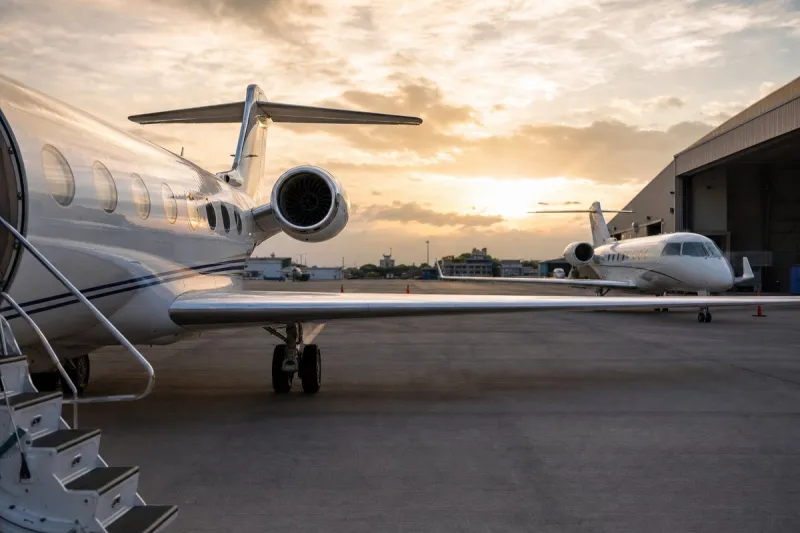
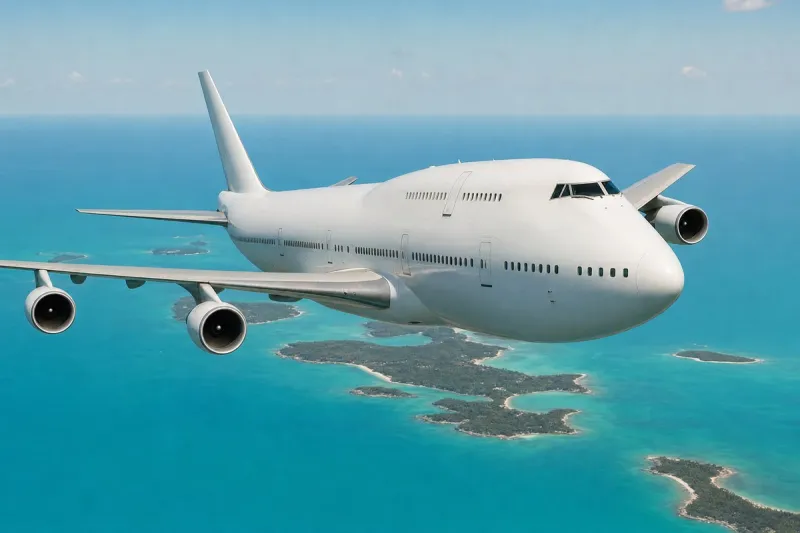
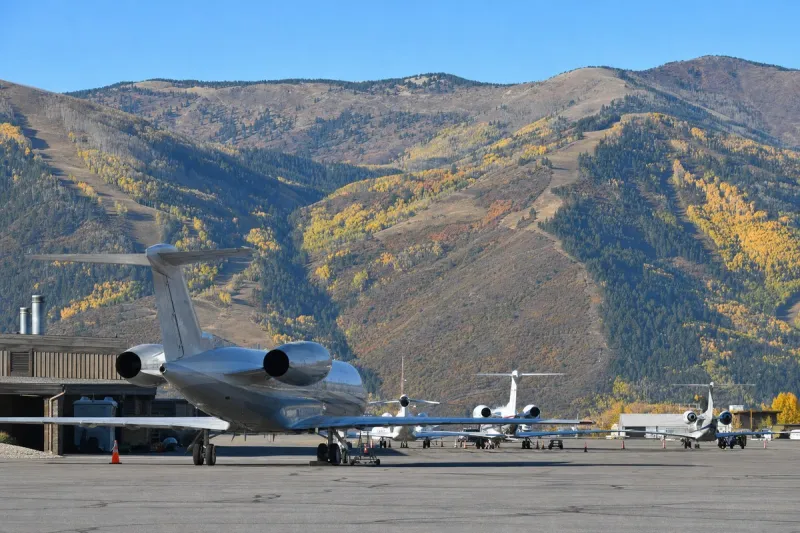
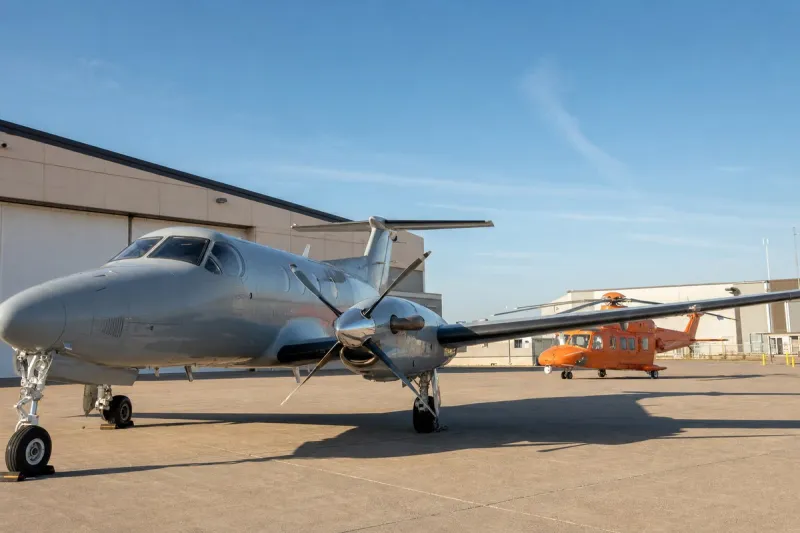
India's private air charter market has grown from a niche service for corporate flyers into one that also serves high-net-worth individuals (HNIs) and families, although geopolitical uncertainty and rising costs have weighed on demand this year. The country's business aviation fleet grew by 11.9 pc in 2025, the highest net growth among Asia-Pacific countries. The Asia-Pacific Charter Report 2025 recorded 121 charter aircraft in India at the end of June 2025, up 53.2 pc from June 2023. By comparison, Indian travellers made 34 million overseas trips last year.
Directorate General of Civil Aviation (DGCA) figures, as published by Business Standard, show domestic non-scheduled fixed-wing operators carried 157,208 passengers in 2024–25, against 135,388 in 2023–24. International non-scheduled fixed-wing operators carried 7,726 passengers, up from 6,396.
Sachit Wadhwa, Co-founder of BookMyCharters, said customers come from corporates, HNIs, celebrities and politicians, in that order. Business travel remains the backbone, but the main shift is on the leisure side, with HNIs flying private for holidays, especially to places commercial airlines do not connect. Kanika Tekriwal, Founder and CEO of JetSetGo Aviation Services, said customers include business executives, entrepreneurs and HNIs, alongside families travelling for leisure. Deven Shah, Founder of Uniglobe Royal Travel, said HNIs and business executives consume the bulk of private aviation.
Destinations and travel patterns
BookMyCharters cited the Maldives and Dubai as the most popular destinations, followed by Phuket, Singapore, seasonal European destinations and the USA, with particular interest this year in Mykonos (Greece) and Ibiza (Spain). Maafaru Airport in the Maldives was cited as an example of reducing transfers. JetSetGo named Dubai, Singapore and Paro in Bhutan as key destinations. Shah named Dubai, Abu Dhabi, the Maldives and Sri Lanka in Asia.
Mumbai generates the highest international charter demand for BookMyCharters, followed by New Delhi, Bengaluru, Hyderabad and Kolkata.
Some travellers combine commercial first-class flights to a hub such as Paris, London or Newark with a private jet for the onward leg, while others charter the entire journey.
Costs, group sizes and aircraft choice
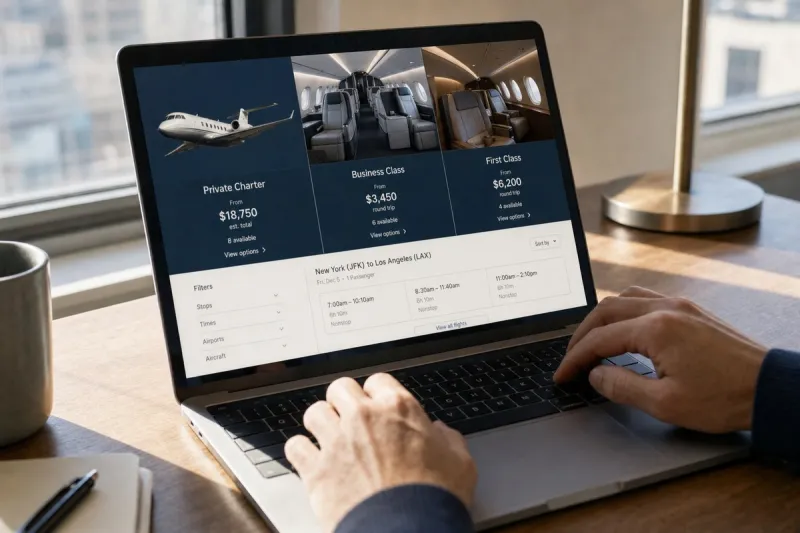
Wadhwa said a return trip from Mumbai to Dubai or the Maldives, including a two-day stay, typically costs INR 4–4.5 million excluding Goods and Services Tax (GST) for an eight-seater mid-sized jet. India's GST on air charter services is 18 pc. JetSetGo gave indicative rates of about INR 600,000 plus GST per flight hour for an Embraer Legacy 600 and about INR 1.65 million plus GST per flight hour for a Bombardier Global 6000.
BookMyCharters typically carries two to six passengers; JetSetGo says international groups generally number 6–10; Shah put the usual size at 4–10, with larger aircraft taking 12–16.
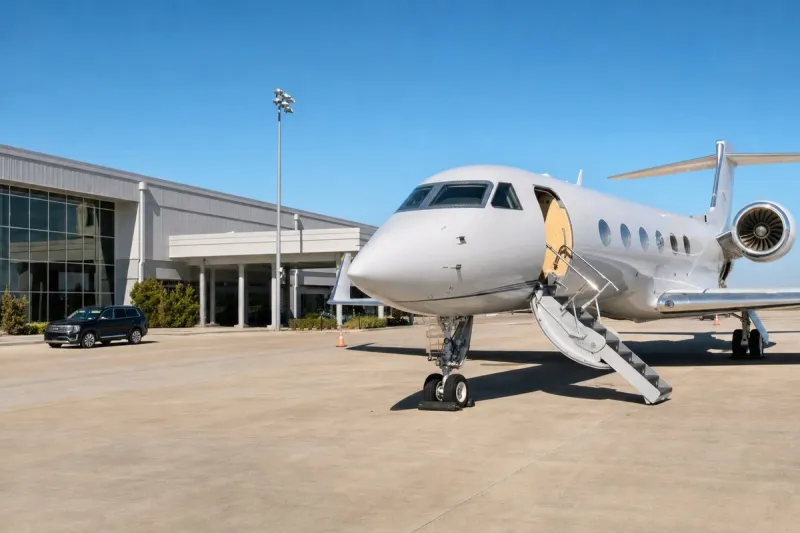
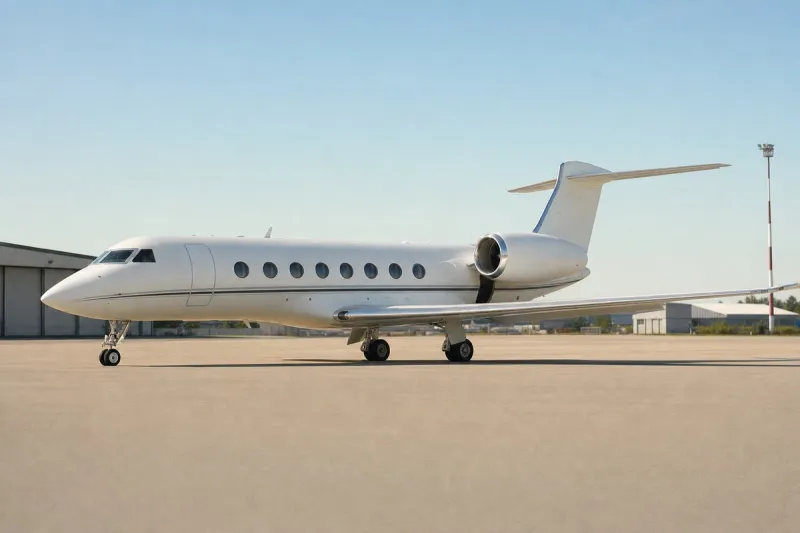
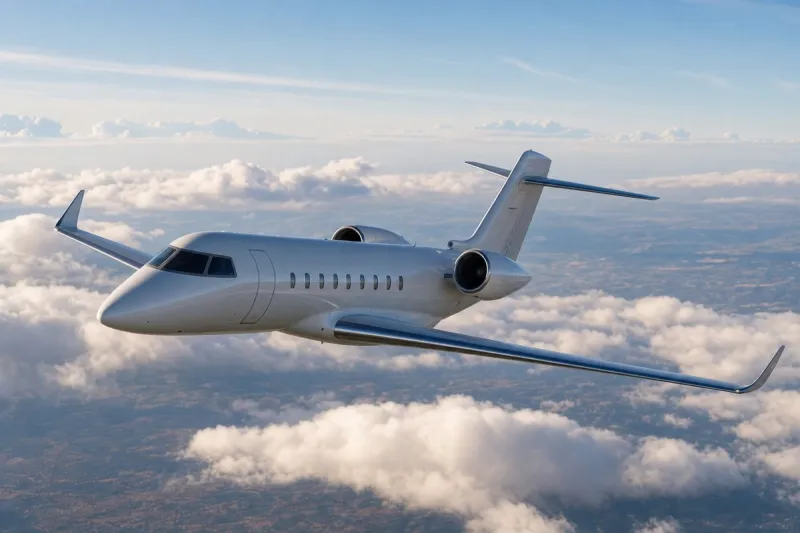
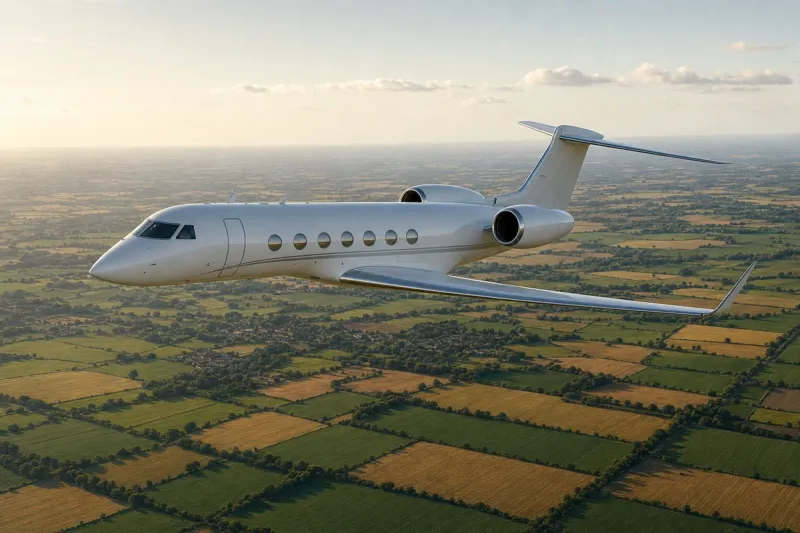
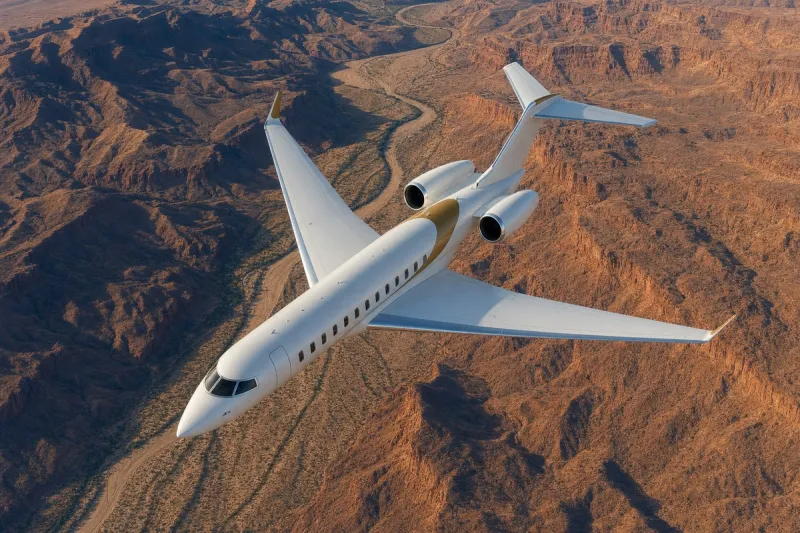
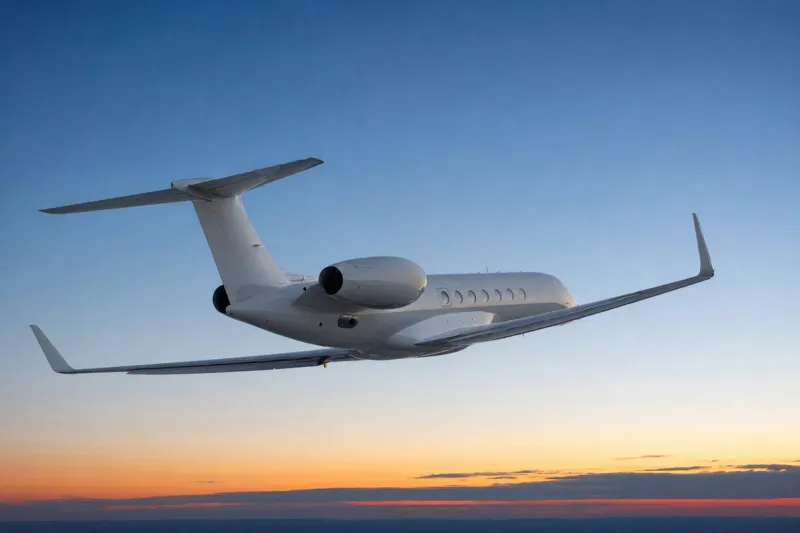
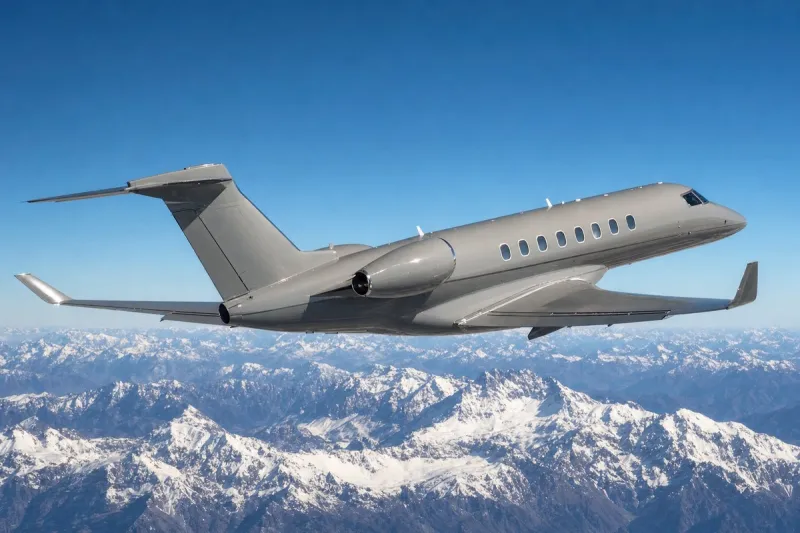
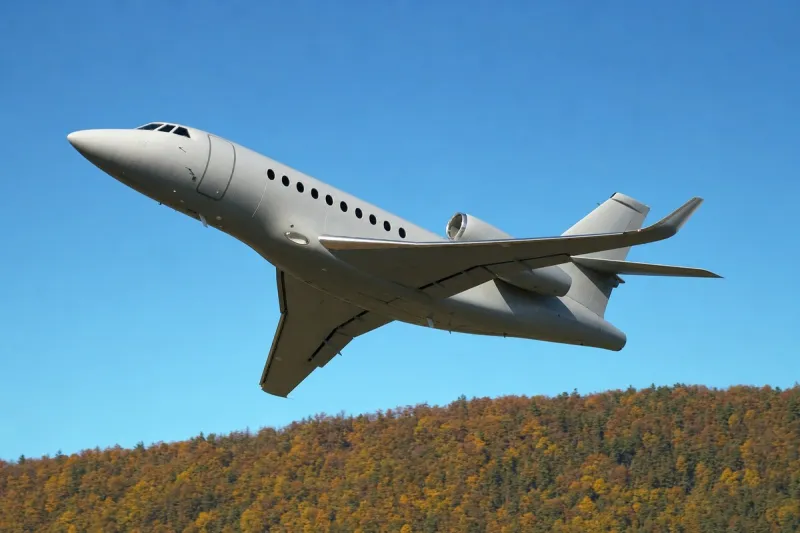
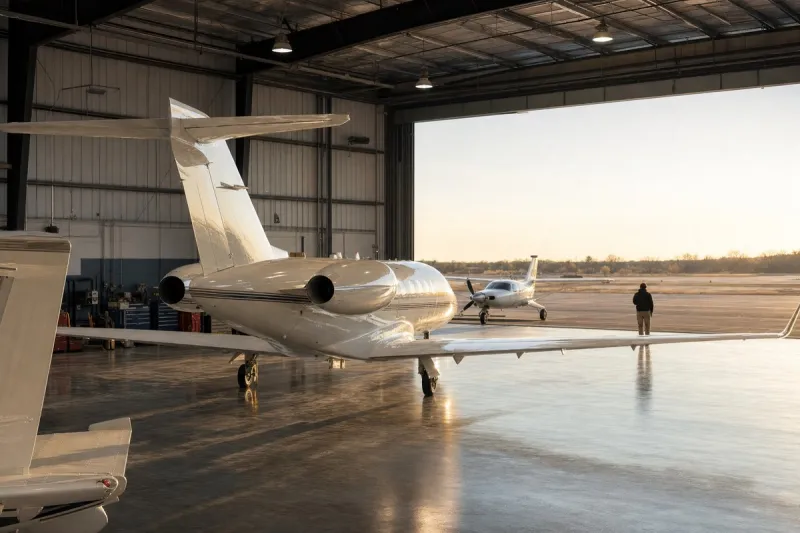
Wadhwa said mid-sized jets such as the Citation XLS and Hawker 900 are generally preferred for journeys of up to four hours, the Falcon 2000 and Legacy 650 for flights of around six hours, and the Global 6000 and Gulfstream G650 for longer journeys.
Industry impact & what to watch
The passenger figures show where the growth sits. Domestic non-scheduled carriage rose from 135,388 to 157,208 passengers, while international carriage is a far smaller base at 7,726, up from 6,396. A customer mix that now includes families and HNIs on holiday routes, rather than corporate schedules alone, tends to make demand more seasonal and more sensitive to destination appeal, which is consistent with the operators naming Dubai, the Maldives and Phuket first.
The pricing and aircraft-matching detail also shows how charter works as a product. Cost is driven by hourly rates that vary widely by aircraft category, and the preferred type shifts with sector length, so the same trip can price very differently depending on the jet chosen. Add 18 pc GST and the cost of positioning and a multi-day stay, and a holiday charter is a considered purchase rather than a spontaneous one.
The operators themselves point to geopolitical uncertainty and rising costs as the pressures on demand this year. How those weigh against a fleet that has grown faster than any other in Asia-Pacific is the tension that the next round of DGCA passenger figures would begin to settle.