Air Canada 737 MAX 8 Receives TCAS Resolution Advisory After Departing Palm Springs; Non-Responding Cessna Reported
Why It MattersCollision-avoidance alerts involving traffic that is not responding show that safe separation near busy departure corridors rests on onboard TCAS logic and prompt pilot compliance, not on air traffic control alone.
What happened
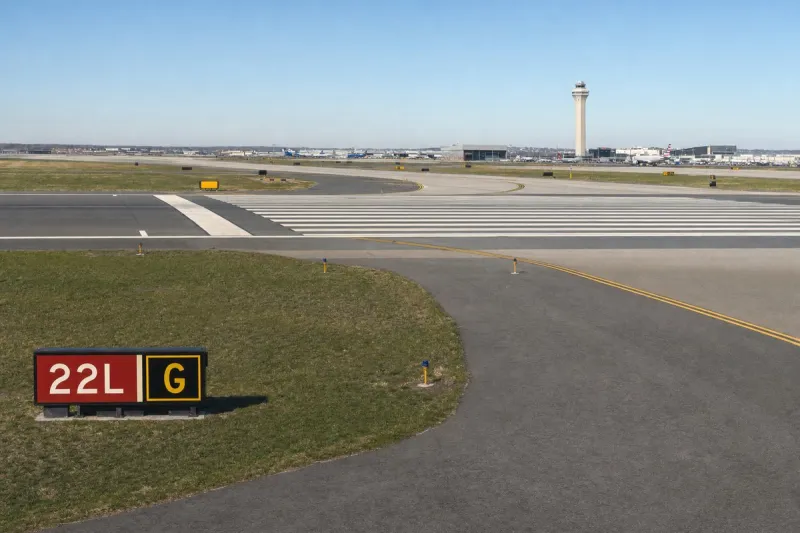
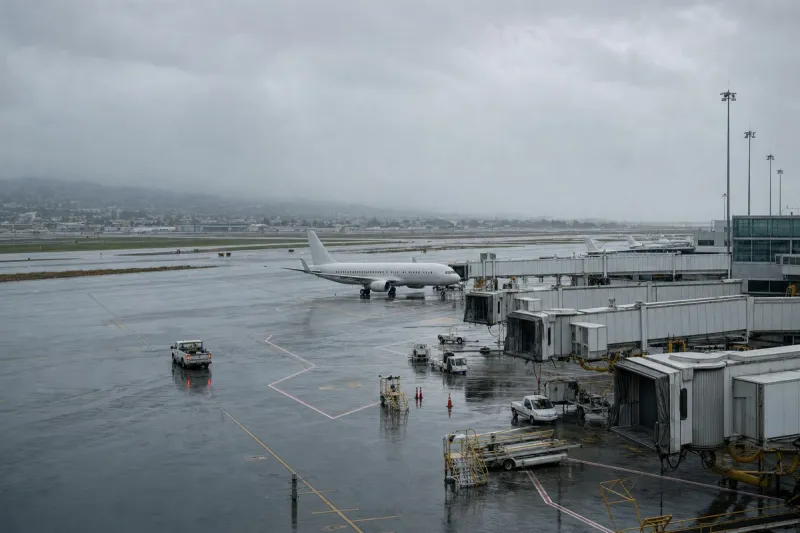
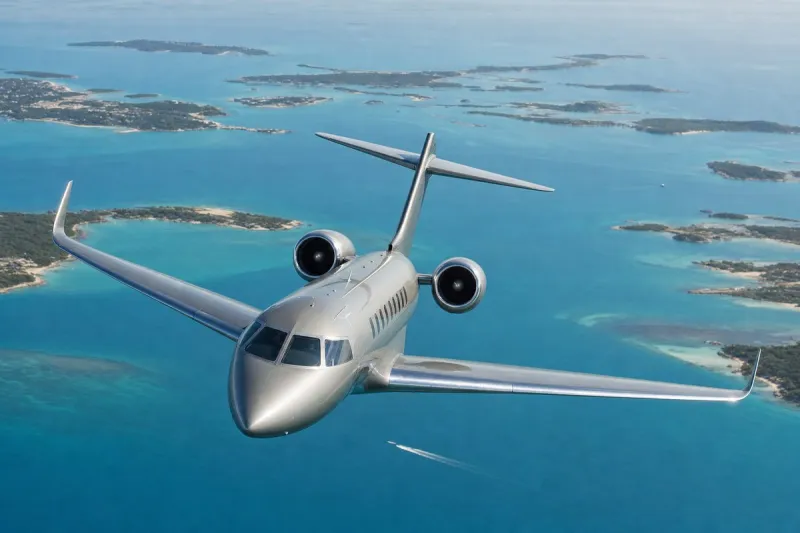
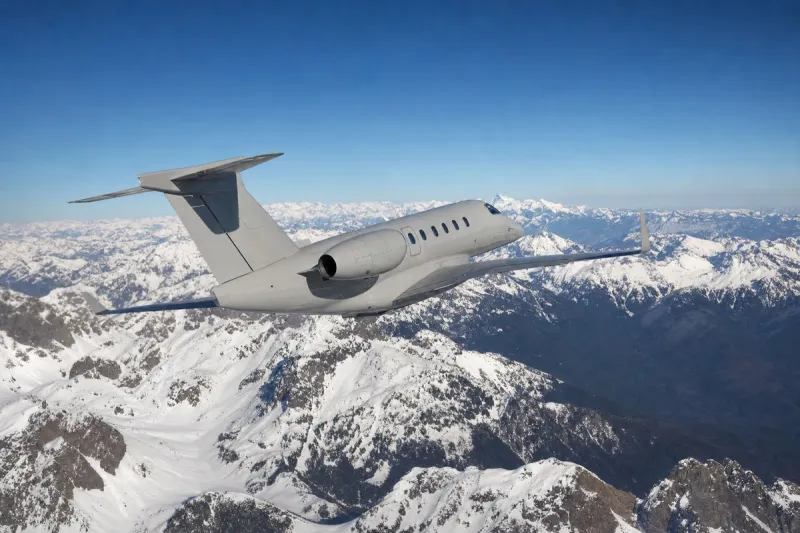
Air Canada flight AC1769, a Boeing 737 MAX 8 registered C-FSDB, received a Traffic Collision Avoidance System (TCAS) resolution advisory shortly after departing Palm Springs International Airport on November 17. The aircraft took off from Runway 31R at 12:45 local time, bound for Vancouver International Airport (YVR).
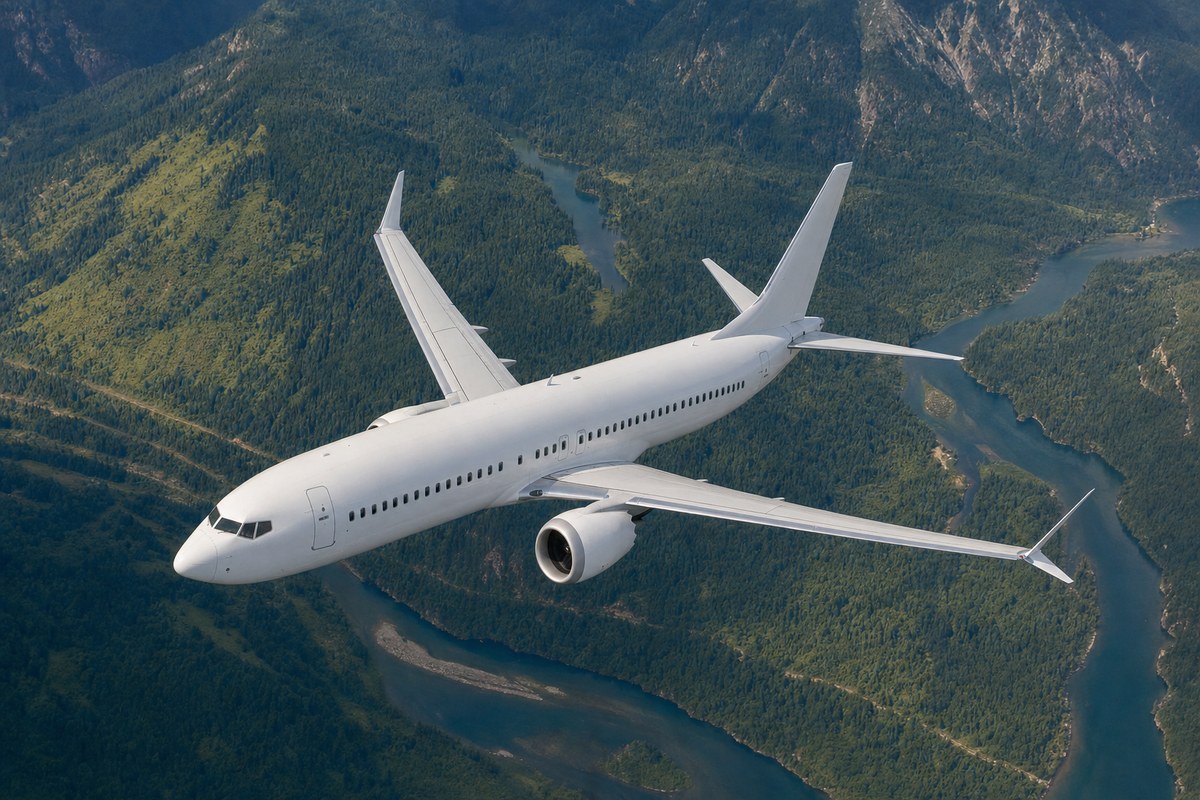
As the aircraft climbed through approximately 11,400 feet, TCAS detected potentially conflicting traffic: a small Cessna that was not responding. The resolution advisory instructed the pilots to climb to 12,000 feet, about 600 feet higher, to establish greater vertical separation. The alert was a resolution advisory, not a proximity warning.
The flight continued without diverting or returning to Palm Springs and landed safely at Vancouver at 16:45 local time, after a journey of about 2 hours and 40 minutes. No further emergency involving the aircraft was reported. Neither US nor Canadian authorities have published findings on the circumstances of the encounter.
Industry impact & what to watch
A resolution advisory is the last layer of the separation system. It triggers when traffic is judged to be on a conflicting path, and it asks the crew for an immediate vertical manoeuvre. Under the Federal Aviation Administration's Aeronautical Information Manual, pilots are expected to follow it promptly unless doing so would jeopardize the aircraft's safety. In this case a climb of roughly 600 feet was the whole of the commanded response, and the flight carried on to its destination.
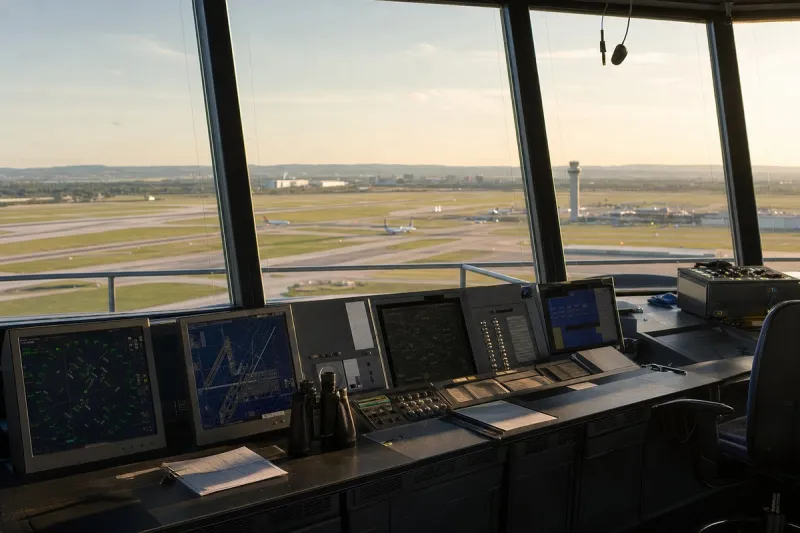
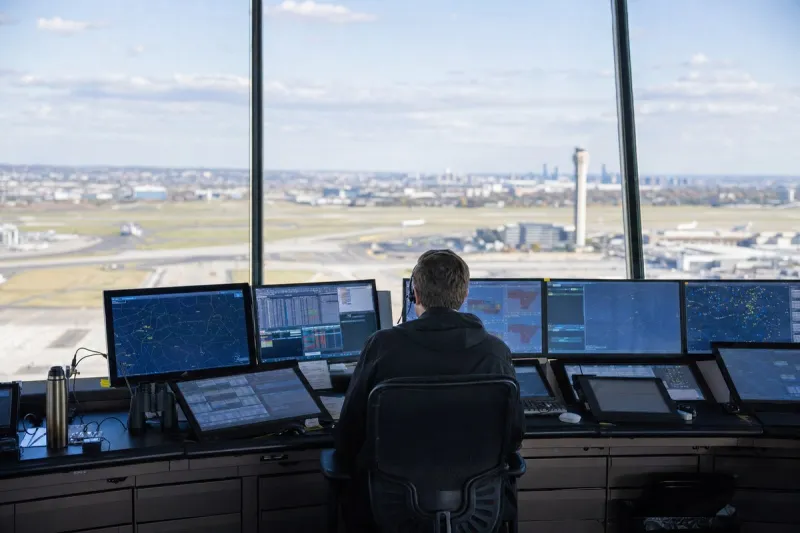
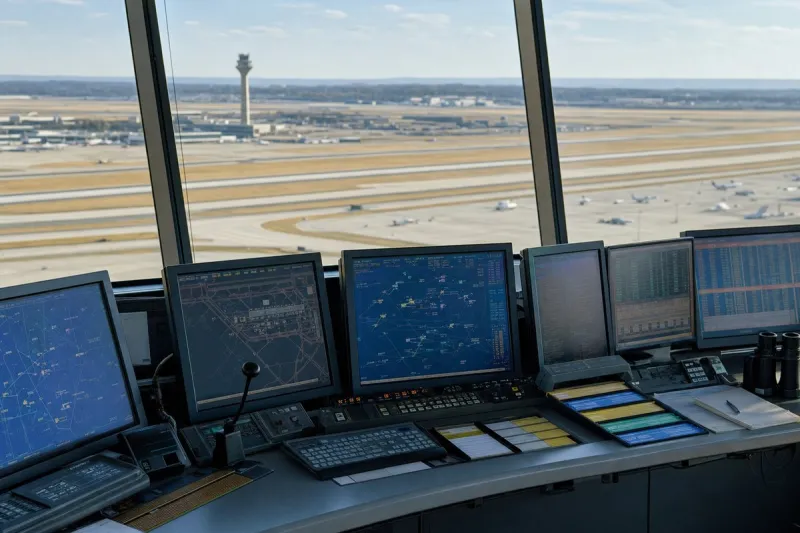
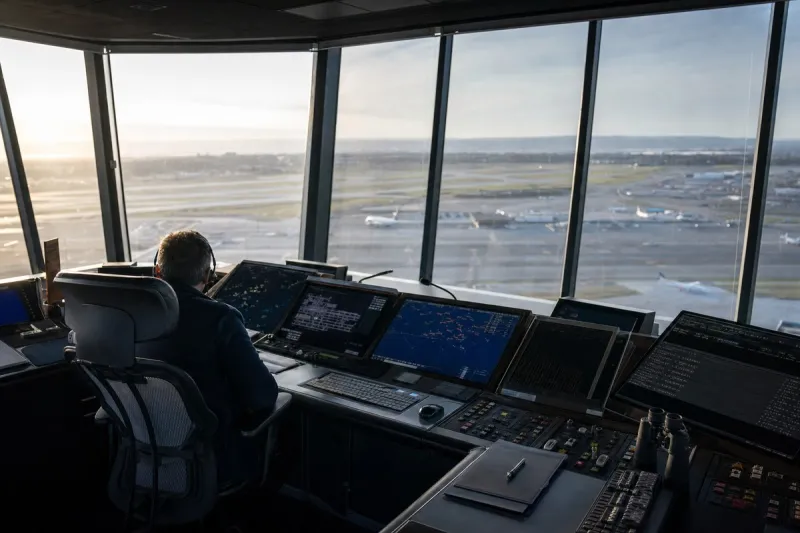
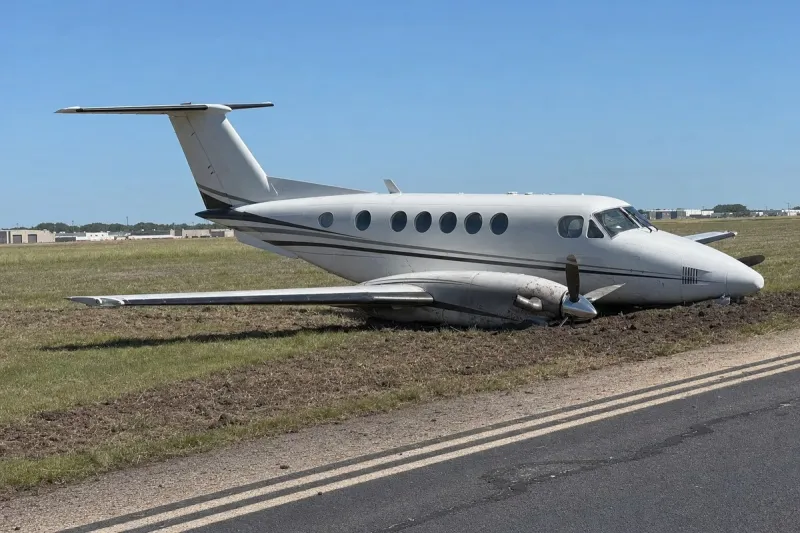
The detail that shapes the wider picture is the other aircraft. TCAS can detect traffic on its own, but a small aircraft that is not responding limits what both the airliner's crew and air traffic control can learn about it in the moment. Departure corridors out of airports with mixed airline and general-aviation activity are where that gap matters most.
The open items are specific: the Cessna's identity and registration, the minimum distance between the two aircraft, and whether the smaller aircraft failed to answer a radio call or did not comply with a controller's instruction. Findings from US or Canadian authorities on any of these would be the next substantive development.